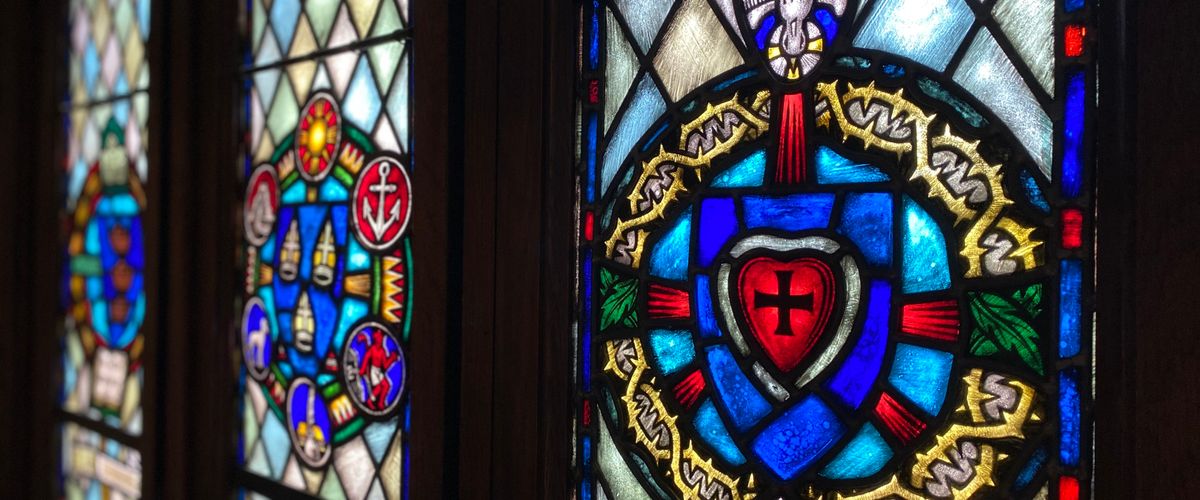
The Road to Emmaus (Lk 24:13-35)
Imagine that the world as you have known it has ceased to be. Imagine that the logic with which you have approached your life no longer seems to hold. Imagine that the hope of a bright future is called acutely into question. Oh. We don’t really have to imagine.
Frequently over the past year, we find ourselves in the devastating world of the disciples hiding in the Upper Room, in the crushing reality of the former followers of Jesus fleeing Jerusalem on the road to Emmaus. Years of faithfully following a divine call had ended with the death of their Lord on the cross. They had come to the end of the road. All they could do was pick up the pieces and take a different road, the road to Emmaus, leaving behind their broken dreams.

A stranger joins them on their mournful journey, and they recount to him the shocking events of the past three days. The stranger listens with compassion. And then the stranger recounts a larger story; the stranger speaks into existence a renewed reality.
This Stranger reminds them of the many times when those who have gone before thought they had reached the end of the road. They thought they would live their whole existence enslaved to the Egyptians, and Moses came with the booming words of God, “Let my people go.” They thought the Egyptians would overtake them as they fled, and then the seas were parted. They ran out of food in the wilderness, and manna and quail fell from the heavens. There were many Goliaths to be faced, but one small stone of David could change the course of history. When the people were taken into captivity and exile, the God of the oppressed, the God of the widow and the orphan, the God who is no stranger to sorrow, that God restored their fortunes and secured their well-being.
On this Road to Emmaus, eyes are opened with sudden recognition of the ways the Divine has been present all along.
Oh, yes, and when they ran out of food by the Sea of Galilee, five loaves and two fish fed a multitude. When a storm rose up suddenly on the sea, and fear of perishing overwhelmed them, the storms in their hearts and sea were stilled with unfathomable peace. When the story had seemingly ended in a criminal’s death on the cross, this loving Stranger—this Stranger who has become a companion not only in sorrow but in renewed hope reorients a seeming ending toward renewed vocation.
On this Road to Emmaus, eyes are opened with sudden recognition of the ways the Divine has been present all along—mourning, sustaining, comforting, healing, restoring. When all seemed lost, our hearts burn within us, discovering a renewed vision of God’s sustaining grace. The Road to Emmaus led a people transformed in faith and fragility back to Jerusalem, to be and to become a people of rekindled life in the face of death, deepened vocation, and reclaimed community.
– G. Sujin Pak, dean