Hare’s Take on China, Venezuela, and the Stakes for Cuba
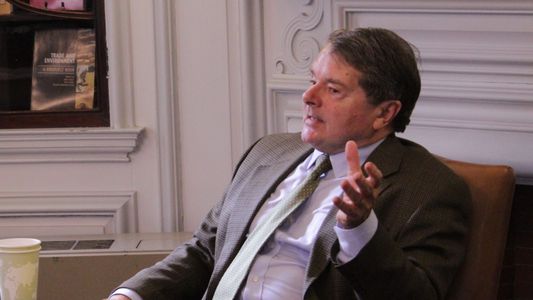
An article for the National Post titled Why U.S. action in Venezuela may also topple Cuba’s regime, written by Raphael McMahon, quoted Professor Paul Webster Hare, former British ambassador to Cuba. As tensions escalate between the United States and Venezuela, Hare says China’s involvement is a key factor shaping Washington’s strategy—and the potential fallout for Cuba.
Hare emphasizes that Beijing has been a consistent political backer of both Caracas and Havana, noting that China “has a big role to play,” and was quick to endorse Nicolás Maduro’s contested 2024 election victory. He adds that China would prefer to keep Cuba “as a nuisance to the U.S.,” reinforcing American perceptions of the two countries as intertwined strategic challenges.
According to Hare, U.S. leverage may lie less in military action than in energy. Cuba remains heavily dependent on Venezuelan oil, making it vulnerable to any disruption stemming from increased U.S. pressure or sanctions on Caracas. A successful regime change in Venezuela, Hare argues, could force Cuba to seek economic support from “the Americans and to some extent the Europeans,” potentially opening the door to U.S.-driven demands for economic and political reforms.
While Havana has voiced strong support for Maduro, Hare cautions that Cuba lacks the resources for a major military commitment, limiting how far that support can go.
The full article can be read here.
Paul Webster Hare is a master lecturer at the Frederick S. Pardee School of Global Studies. He served as British Ambassador to Cuba from 2001 to 2004 and also represented the U.K. to the European Union in Brussels, New York, Portugal, and Venezuela as deputy head of mission. Hare has extensively written about Cuba for renowned news outlets including The Financial Times, The Atlantic, Newsweek, and The Huffington Post. He is also the co-editor of the Palgrave Handbook of Diplomatic Reform and Innovation, which analyzes current practices of diplomacy and proposes practical solutions to improve diplomatic outcomes.