News of the extended network of faculty, alumni, students, visiting researchers, and mission partners is regularly updated, and some of the big ideas or major events in Global Christianity are covered in the CGCM News.
Eastern Fellowship of Professors of Mission Report
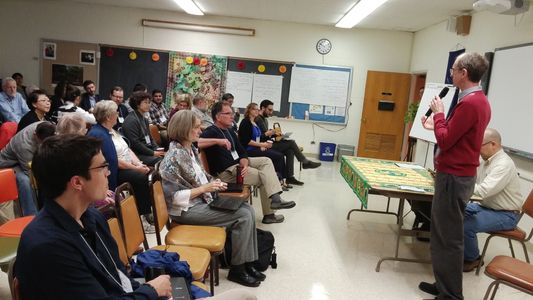 On the weekend of October 21st and 22nd, professors and graduate students representing 18 different religious and educational institutions from the North East and Mid Atlantic United States met at the 99th annual Eastern Fellowship of Professors of Mission. Seeking to survey and understand the current state of missions education in the region, the theme of the conference was “Education for Mission: Current Status and Future Visions.” There were three panels that represented seminaries, undergraduate institutions, and churches, respectively. Panelist in each session addressed the same set of questions from their particular contexts: (1) what are you teaching? (2) what are your teaching objectives? (3) what should we be teaching and why? and (4) how do you see mission education linked with the task of mission service?
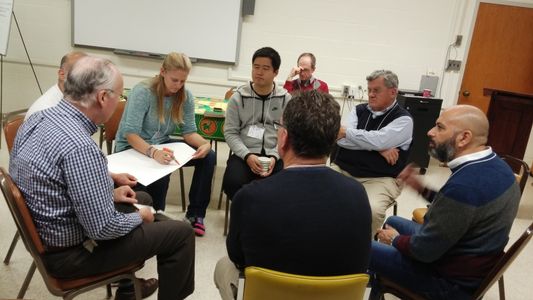 The conversation that ensued was productive and informative. Panelists and attendants alike discussed that as the cultural and religious context of the United States was changing, the demography of the students who sought mission education shifted as well. Moreover, such a shift demanded new starting points and pedagogies for teaching mission theory and practice that fit into the rich pluralistic context that students would inhabit on local, regional, national, and even global levels. One striking feature of the conference was the theological diversity of those who attended. It was encouraging to see attendees from both theologically conservative and liberal backgrounds come together to discuss the important and pressing issue of training mission practitioners. As Dana Robert, Boston University’s Truman Collins Professor of World Christianity and History of Mission, said in her opening remarks, the Eastern Fellowship of Professors of Mission had truly moved beyond the modernist and fundamentalist controversies of the 20th century in order to discern how mission professors and practitioners could faithfully participate in the Mission of God.
Report by Jeremy Hegi
At Home in Exile
Russell Jeung, a leading sociologist of race and religion among Asian Americans, will be sharing from his spiritual memoir At Home in Exile. His story contextualizes the gospel from an Asian American perspective.

Making of Buddhism in the West

Eva Pascal argues that the idea of Buddhism as a common religion across much of Asia, did not emerge in the 19th century as has been widely assumed. Instead, it was Spanish Franciscan Friars in the 16th century who, in their interactions with Buddhist monks in Thailand, China, and Japan recognized a common core. In a lecture delivered at a graduate symposium on October 7, 2016, Pascal explained that the Franciscans not only perceived a single founder behind the various names used for the Buddha in Asia, they also recognized the features of “religion.” In other words, Franciscans concluded that Buddhist monks were not merely superstitious–the label associated with heathen ideas. Instead, they began to use the term “religion” for Buddhist beliefs and practices, because the Franciscans recognized monks as their counterparts. Buddhist monks lived in monastic communities, adhered to a life of voluntary poverty, took vows of chastity, preached obedience to commandments, and the like. The parallels led the Franciscan missionaries to introduce Buddhism to the West as a religion, a total system comparable to Christianity.
Vincent Machozi’s Calling
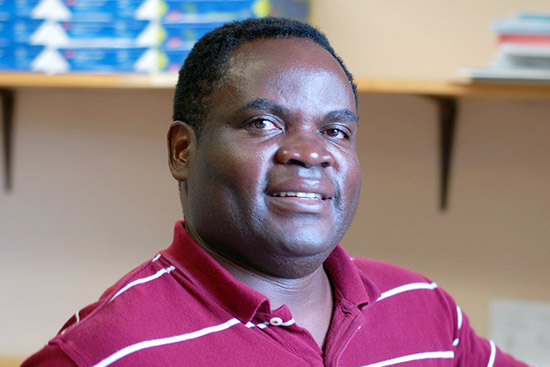 Father Vincent Machozi (STH ’15), a priest from the Democratic Republic of the Congo (DRC), was recently killed during his peaceful protest to help end the violence. He operated a website Beni Lubero Online, where he posted photos of victims of violence in the DRC province of North Kivu, as well as reports that often identified the killers as military or government agents. He had hoped that the photos of dead and dismembered bodies would galvanize site visitors to help end the violence. Full article about his calling and martyrdom can be found here.
Religion, Nationalism, and Everyday Performance in Congo
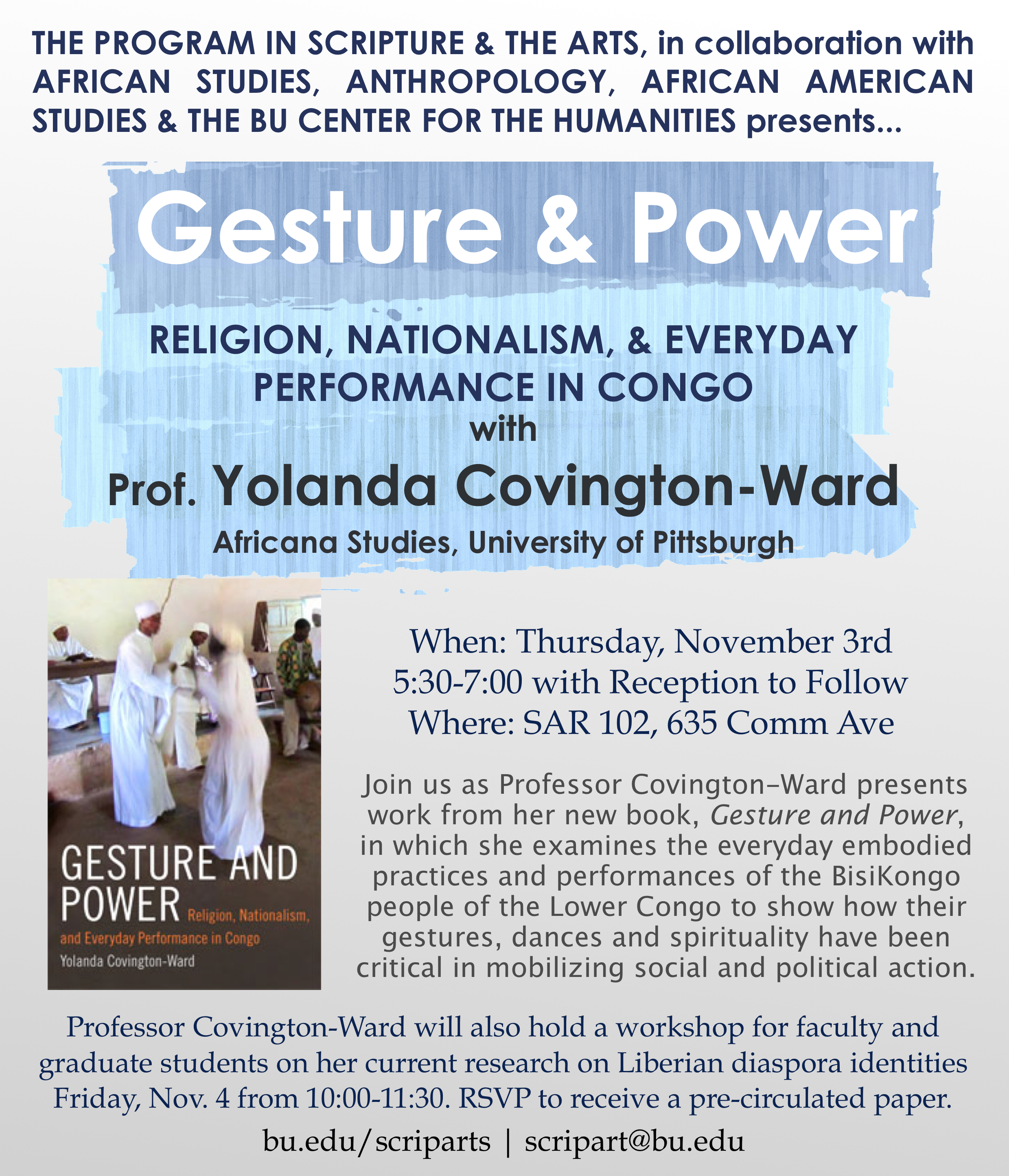
This lecture will focus on two separate yet related instances in which embodiment related to spirituality was at the center of struggles for political and social power. In exploring these embodied expressions of Congolese agency, Covington-Ward provides a framework for understanding how embodied practices transmit social values, identities, and cultural history throughout Africa and the diaspora.
Young Adult Mission Opportunities

Christian-Muslim Relations
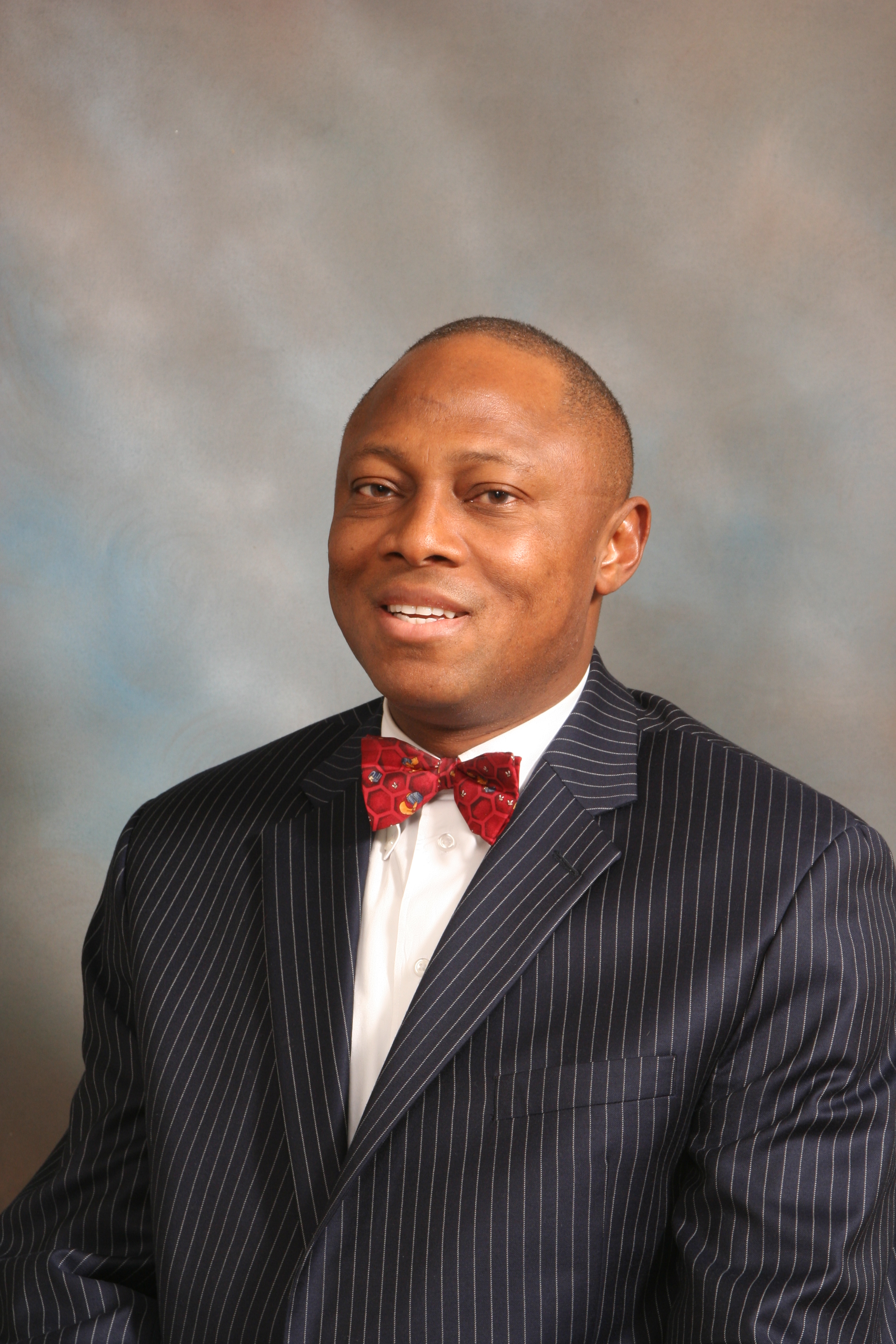 Dr. Nimi Wariboko, CGCM faculty associate and Walter G. Muelder Professor of social ethics, will give a plenary address titled “Christian-Muslim Relations and the Ethos of State Formation in West Africa” at Fuller Theological Seminary on November 3, 2016. A blog post previewing the conference can be found here. You can learn about the lectures and register here.
Bartolome de Las Casas
 On October 7-8, 2016, a conference on “Bartolomé de Las Casas: History, Philosophy, & Theology in the Age of European Expansion” was held at Providence College in Providence, Rhode Island. The event was organized by Dr. David Orique of Providence College and BU Associate Professor Rady Roldán-Figueroa to commemorate the 800th anniversary of the Order of Preachers, the 100th anniversary of Providence College, and the 500th anniversary of the first conversion of Bartolomé de las Casas (2014). Papers reflected on themes of contact, conversion, conquest, and colonization and were presented in English or in Spanish. Dr. Roldán presented a paper entitled “The Episcopal Office and the Defense of Humanity: Bartolomé de las Casas’s Theory of the Power of the Bishops.” Presenters came from the U.S. as well as Europe and Latin America and included several doctoral students.
Finding Religion

September CGCM Events
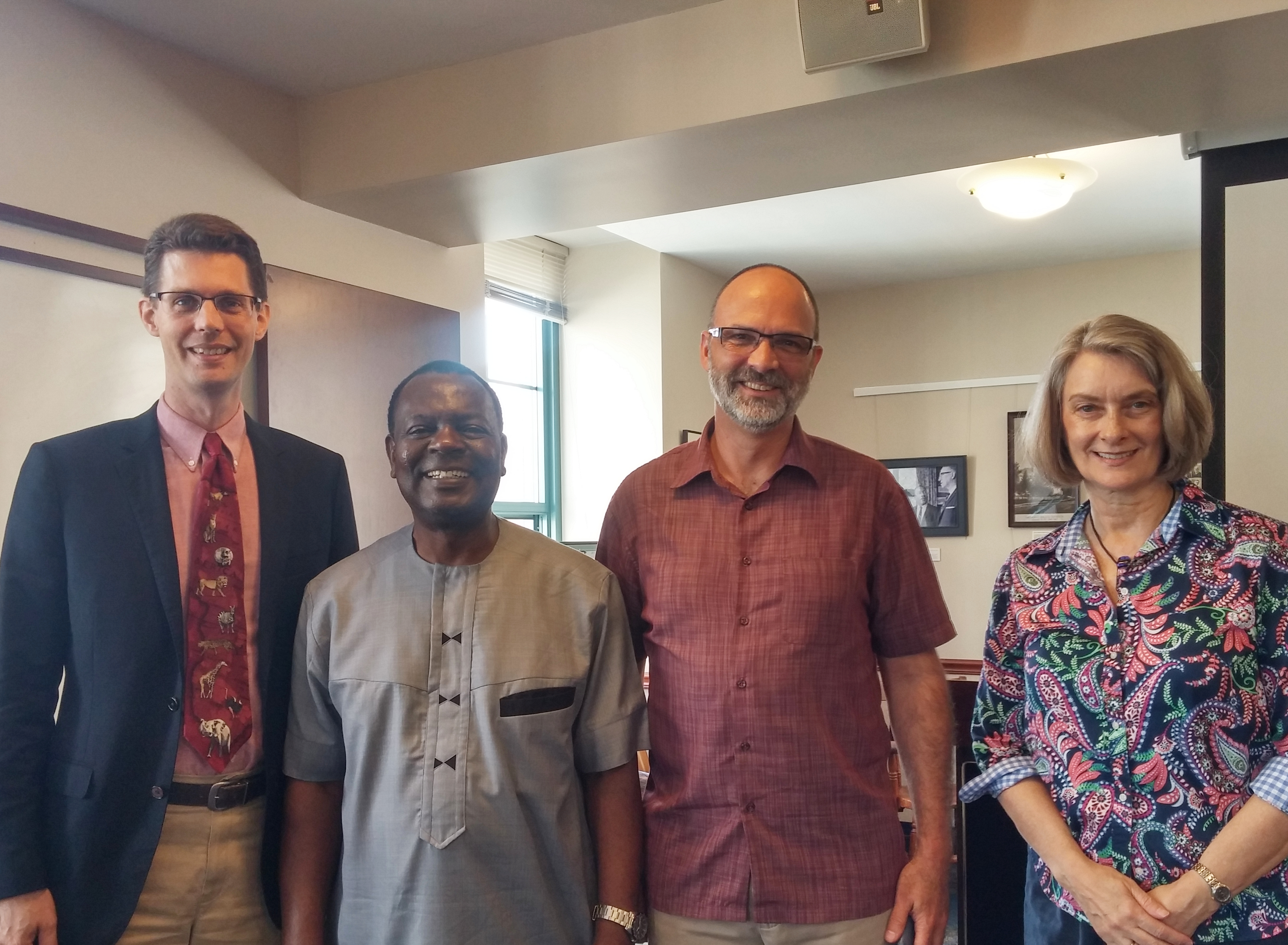
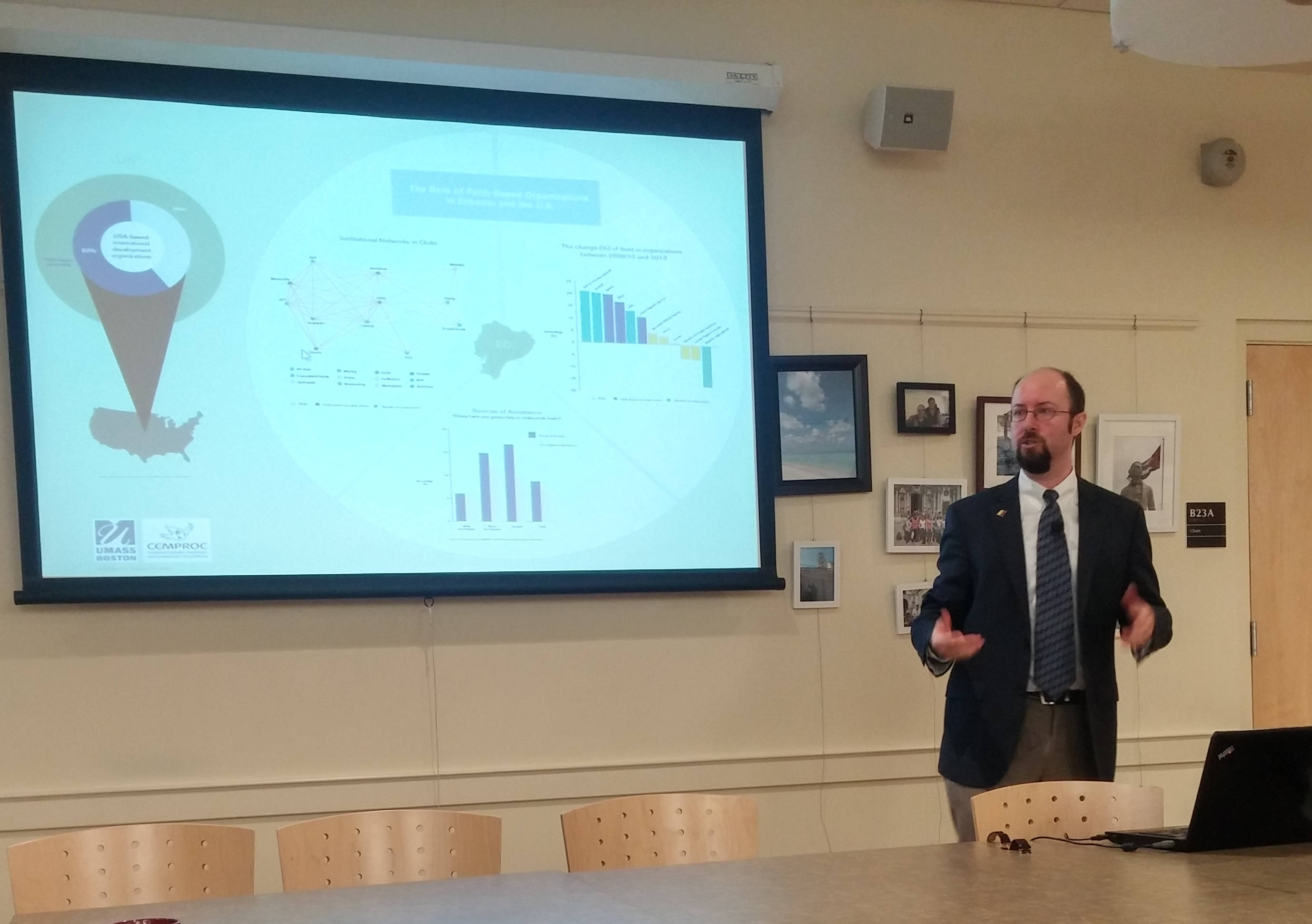
In September, CGCM had three seminars on various topics. On September 14th, Pius Tih, the Director of health services for the Cameroon Baptist Convention Health Board (CBCHB), met over breakfast with students and spoke about the role of Faith-Based Organizations in global health care. On September 22nd, Jeff Pugh, the executive director of the Center for Mediation, Peace, and Resolution of Conflict (CEMPROC) based in Quito, Ecuador, shared his experience building bridges of peace, conflict transformation, and development in both Latin America and the U.S. On September 27th, Elena Huegel shared from her rich experiences as both a child of a missionary family and her adult life in mission throughout Latin America. She discussed the opportunities and challenges emerging from the partnership in which she has participated between the United Church of Christ and the Pentecostal Church of Chile. Of particular focus was her work related to recovery from trauma--personal trauma, communal trauma, and environmental trauma--with such work taking place in local congregations and most notably in the Shalom Center in the foothills of the Andes.