
Promote Language and Literacy Development
Learn how individuals use language and other modalities to read, write, and communicate with a master’s in language and literacy education (EdM) from BU Wheelock. Through critical study of theory, research, and practice, you’ll gain a rich understanding of how language and literacy are developed in home, school, and community settings.
This program is typically completed in about two semesters and can be started in the fall or spring. While it does not lead to initial teacher licensure, some coursework may prepare you to eventually seek licensure.
Program Pathways
Our master’s in language and literacy education allows you to develop expertise through a choice of two specializations.
Focus on language and literacy development across diverse learners and settings. Ideal for individuals interested in enhancing their theoretical and empirical understanding of literacy, deepening their K-12 literacy instruction or leadership, or preparing for careers in curricular design or educational publishing.
Explore how language is learned and taught across multilingual contexts, with coursework aligned to a master’s in second language acquisition. Ideal for those supporting bilingual and multilingual learners.
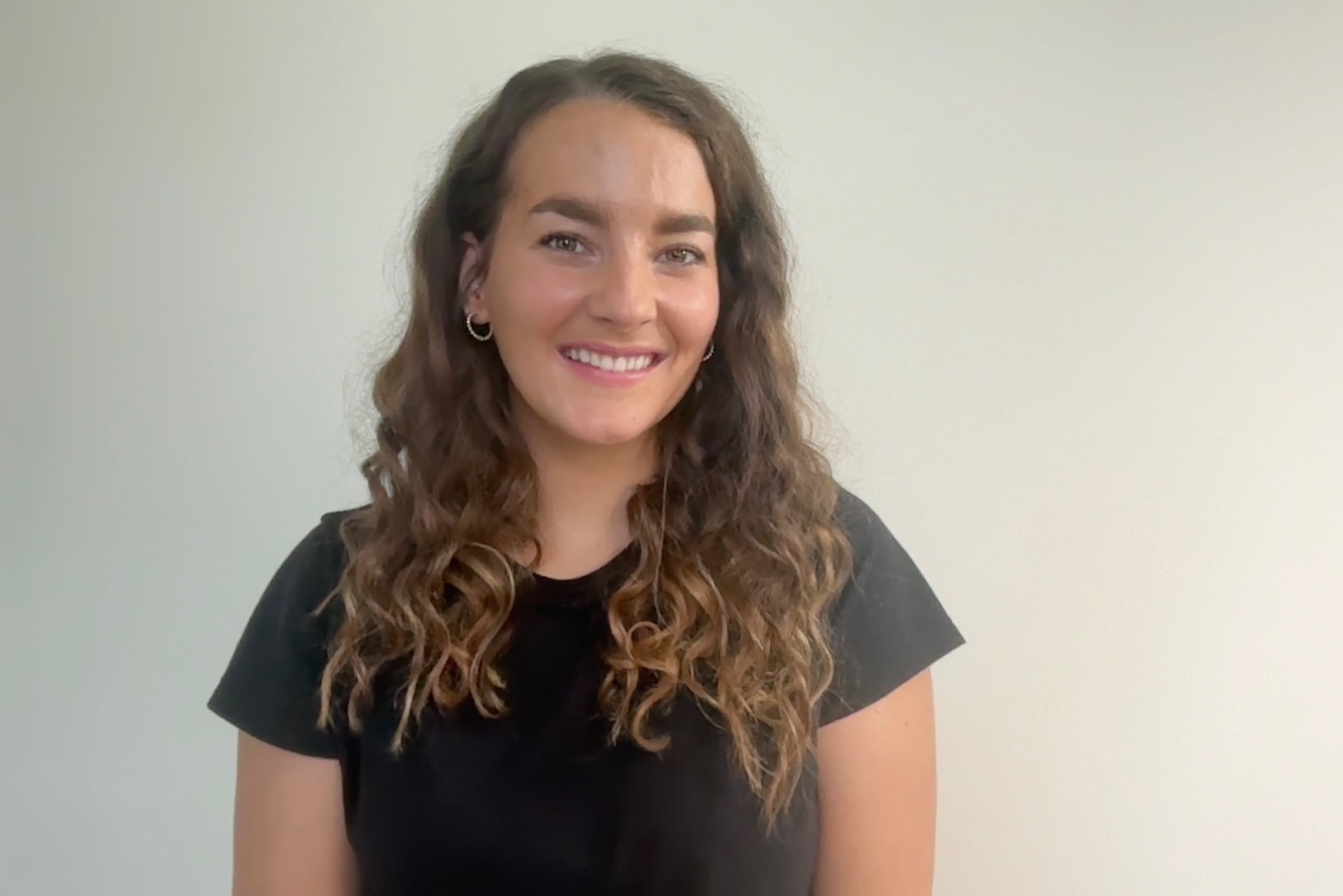
“I have become more confident in my ability as a teacher and more capable in my ability to confidently communicate with my colleagues and peers.”

Career Outcomes in Language and Literacy Education
The master’s in language and literacy education prepares you to support learning in homes, schools, and communities through policy, practice, and research. Upon completing your degree, you’ll be able to:
- Understand how language, culture, and identity shape literacy development across childhood and adolescence
- Apply research and theory to teaching and learning contexts
- Design effective assessment and instruction in language and literacy
- Analyze cognitive, sociocultural, and systemic factors that influence learning
- Use evidence-based approaches to support bilingual and multilingual learners
- Build on students’ linguistic and cultural backgrounds as assets in the learning process
This program provides a solid foundation for careers aligned with a master’s in literacy education or a master’s in second language acquisition.
Join Alumni in a Rewarding Career in Language and Literacy Education
Graduates of our master’s in language and literacy education make an impact in various roles across language instruction, literacy development, and educational leadership. BU Wheelock alumni hold such positions as:
- Instructional leader or coach
- Literacy or language specialist
- Curriculum developer
- Adult literacy teacher
- Policy maker or advisor
- Community organizer
- Researcher
“I chose BU Wheelock because of its strong reputation and the incredible faculty who bring both expertise and passion to their teaching. I was drawn to the program’s unique blend of hands-on experience and rigorous academic learning, which I knew would prepare me to make a meaningful impact in the field.”
Featured Faculty
The faculty in BU Wheelock’s master’s in language and literacy education have a strong social justice orientation and a commitment to supporting students from racially and linguistically marginalized communities. They have expertise in many areas of language and literacy development, including biliteracy, TESOL methods, second language acquisition, adolescent literacy, children’s literature, and more.
-

Jennifer Altavilla-Giordano
Program Director, TESOL Multilingual Learner Education (Licensure)
Lecturer -

Andrea Bien
Clinical Associate Professor, Literacy Education and Elementary Education
-

Andrew R. Bottoms
Program Director, Deaf Studies
Senior Lecturer -

Jennifer Bryson
Faculty Director, Educator Preparation
Program Director, Elementary Education
Special Director, Educator Preparation Early Literacy Initiatives
Senior Lecturer -

Naomi Caselli
Director, BU AI & Education Initiative
Director, BU Deaf Center
Associate Professor -

Todd Czubek
Senior Lecturer
-
Christina L. Dobbs
Chair, Language & Literacy Education Department
Associate Professor -
Katherine Frankel
Associate Professor
-

Emily Glenn-Smith
Lecturer
-

Mary E. Hughes
Program Director, EdM in TESOL Applied Linguistics and TESOL Certificate
Senior Lecturer -

Davena Jackson
Program Director, English Education for Equity & Justice
Co-Director, Center for Educating Critically
Assistant Professor -

Laura M. Jiménez
Senior Lecturer, Language & Literacy Education
Co-Director, Center for Educating Critically -

Franklin Jones, Jr.
Lecturer
-

Yasuko Kanno
Professor
-

Kathy Kim
Program Director, Language Education
Assistant Professor -

Amy M. Lieberman
Director, Doctoral Studies
Associate Professor -

Catherine O’Connor
Professor Emerita
-

Marnie Reed
Clinical Professor Emerita
-

Eli Tucker-Raymond
Research Associate Professor
-
Beth Warren
Sylvia Earl Professor
Director, Earl Center for Learning & Innovation

Dr. Laura M. Jiménez is a senior lecturer in the Language & Literacy Education Department at BU Wheelock. Her scholarship looks at the ways marginalized communities are represented in children and YA literature. Her work has been published in Journal for Literacy Research, Language Arts, and other peer-reviewed journals, as well as the Boston Globe, the New York Times, and other media outlets.
Language and Literacy Education Course
All students in the master’s in language and literacy education will take the required course, Introduction to Research. Additional courses will vary based on your chosen specialization. These courses include:
- Critical Analysis of Children’s and Young Adult Literature
- Culture, Language, and Cognition
- Discourse, Narrative, and Literacy
- Educational Issues in Bilingualism
- Instruction and Assessment for Emergent and Developing Literacies
Related Programs
If you are seeking a doctoral program, the PhD in Educational Studies offers a concentration in language and literacy education. The PhD is designed for students who intend to engage in research that contributes to evolving understandings of language and literacy education in formal and informal learning environments and across the lifespan.
Learn a multilingual ASL/English approach with this Deaf Education master’s degree and develop a strong foundation to support the learning and growth of Deaf students. Choose from several pathways, including licensure; dual licensure with early childhood education or special education; or research, leadership, and advocacy.
If you are seeking both a master’s degree and licensure, you can explore the Master’s in Reading & Literacies Education. The master’s program can be completed in one year, full time.
If you are a teacher who already has a master’s degree, you can expand your expertise in reading instruction through a certificate of advanced graduate studies (CAGS) in Reading & Literacies Education. The CAGS program can be completed in 9 months full-time; part-time options are also available.
Scholarships Available
Ready to begin your master’s in language and literacy education? Don’t let questions of funding hold you back. At Boston University, merit-based scholarships are available to graduate students.
Admissions & Dates
Fall & Spring 2027
Aug 3, 2026
Application Opens
Spring 2027 Start
Dec 15, 2026
Application Closes
Fall 2027 Start
Jan 15, 2027
Priority Deadline
Fall 2027 Start
Aug 1, 2027
Application Closes
Connect with BU Wheelock to learn more about the master’s in literacy education and language. Learn about application requirements and deadlines, sign up for an information session, or start your application today.
Frequently Asked Questions
This master’s in language and literacy education emphasizes how culture, language, and context shape learning. You’ll study literacy development and language acquisition across home, school, and community settings, with a focus on bilingual and multilingual learners. The program combines research and practice to help you understand how students read, write, and communicate in diverse environments.
You’ll build expertise in literacy development, language acquisition, and evidence-based instruction. Coursework draws on research in areas like multilingual education, sociocultural influences on learning, and assessment practices. This program also explores how language and literacy develop across different contexts, preparing you to apply research to policy, practice, or further study.
This program includes coursework and research in second language acquisition, making it a strong option for students interested in how people learn additional languages. Through the language education pathway, you’ll explore theories and practices that inform teaching and learning for multilingual learners across educational settings.
Graduates of this master’s in language and literacy education pursue roles such as instructional coach, curriculum developer, researcher, or policy advisor. The program prepares you to work in schools, higher education, nonprofits, and community organizations focused on language and literacy development.