Researchers Identify New Dopamine Signal That May Help the Brain Steer Us in the Right Direction
New findings reveal how the brain uses visual cues to guide movement
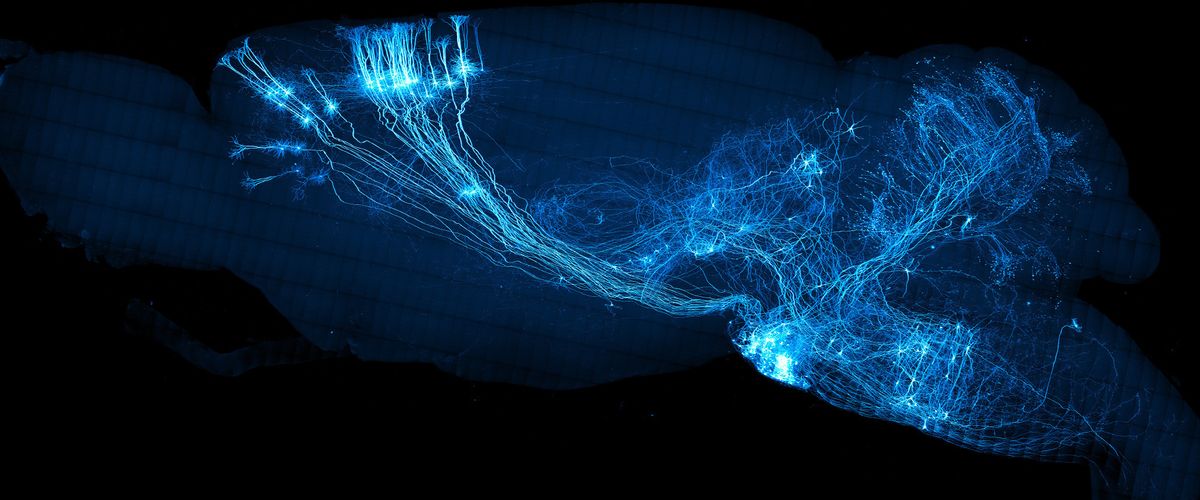
BU BME neural engineering faculty build molecular and photonic tools to study the brain; investigate the quantitative neurophysiology underlying brain and nervous-system function in humans and other species; develop computational models that guide our understanding of brain function; work to understand and treat neurological disorders; and advance methods by which we can help repair the brain and restore neurological function in patients.
Activities in neural engineering take advantage of BU’s great strength in photonics and imaging, basic neuroscience, data sciences and computing, neurology, and cell-and-tissue engineering.
Undergraduate Chair (BME);
Professor (BME, ECE, Physics, Medicine)
Professor (BME, ECE);
Director of Neurophotonics Center
William Fairfield Warren Distinguished Professor (ECE, BME, MSE)
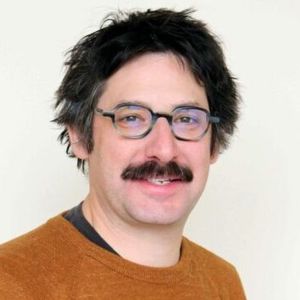
Assistant Professor (BME)
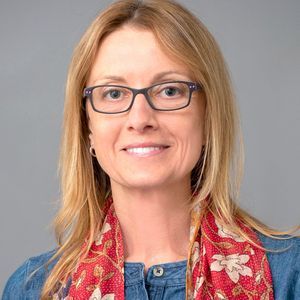
Professor, (BME)

Assistant Professor (BME)

Professor, (BME)

Professor (BME, ECE, Physics)

Associate Professor (BME)
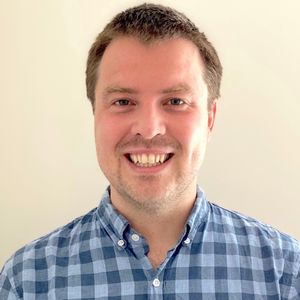
Assistant Professor (BME, MSE)

Director, Natural Sounds and Neural Coding Laboratory;
Director of Admissions and Recruitment for Master’s Programs;
Professor (BME)

Assistant Professor (BME, Psychological & Brain Sciences, Neurosurgery)
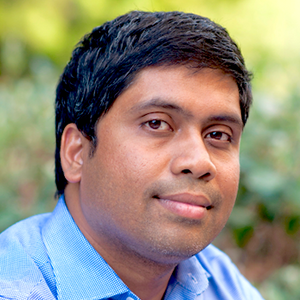
Assistant Professor (Anatomy & Neurobiology, Psychological and Brain Sciences, Center for Systems Neuroscience, BME)

Associate Professor (Biology, BME)

Assistant Professor (Biology, BME)

Research Professor, (BME)
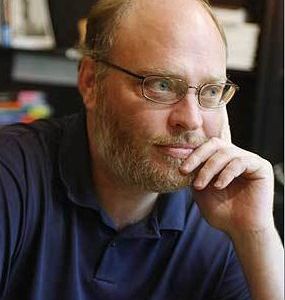
Professor (Speech, Language, & Hearing Science, BME)
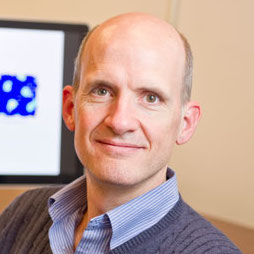
Director of Center for Systems Neuroscience;
Professor (Psychological and Brain Science, BME)
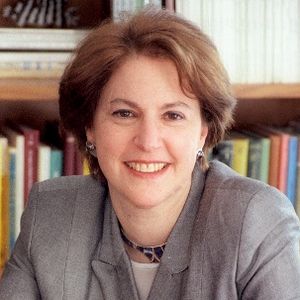
Professor, (Mathematics, BME);
Co-Director, Center for BioDynamics
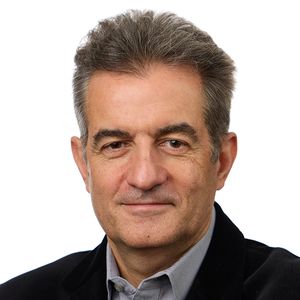
Distinguished Professor of Engineering (ECE, BME, SE Appointed);
Director, Rafik B. Hariri Institute for Computing and Computational Science and Engineering
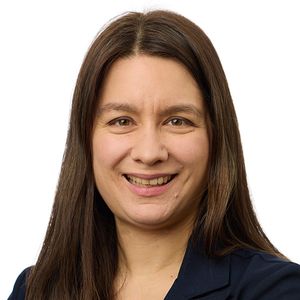
Professor (ECE, BME, MSE)
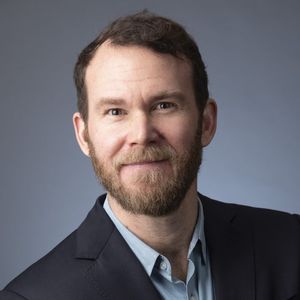
Assistant Professor (Psychological and Brain Sciences, BME)
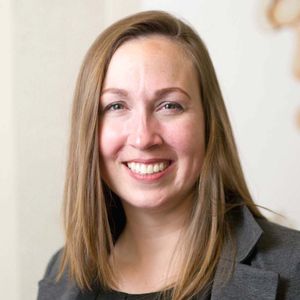
Professor, Sargent College (Speech, Language, & Hearing Science, BME)

Professor Emeritus (BME & ECE)

Professor Emeritus, Mathematics, Psychology
Wang Professor of Cognitive and Neural Systems
Director, Center for Adaptive Systems

New findings reveal how the brain uses visual cues to guide movement

Chen Yang has led research that can revolutionize the quality of life for blind patients through high precision retina stimulation.

Remembering Professor Lucia Vaina, a brain science pioneer. a brilliant mentor, and one of our original faculty members.

Are cognitive processes, such as planning an errand or trying to recall a name, separable from related muscle movements?

Neuroscientist Matthias Stangl will be joining the Boston University Department of Biomedical Engineering, the Neurophotonics Center (NPC), the Center for…
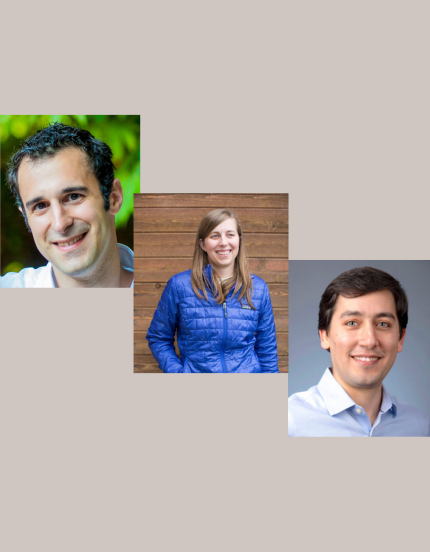
Michael Economo, Hadi Nia, and Alyssa Pierson received Faculty Early Career Development Program (CAREER) awards from the National Science Foundation…

Yang, Joseph-McCarthy, Dunlop elected to prestigious biomedical society

In the fight to treat ovarian cancer, innovative chemical imaging techniques developed by Professor Ji-Xin Cheng (ECE, BME, MSE) are…