MSE faculty Xin Zhang and Ji-Xin Cheng Named William Fairfield Warren Professors
On September 23, Boston University President Melissa Gilliam and Provost Colin Duckett announced five new William Fairfield Warren professorships, three…


MSE is the foundation of technological innovation, shaping everything from medical devices and clean energy solutions to electronics and advanced manufacturing. Students gain a deep understanding of how materials behave at every scale and develop the skills to create the next generation of technologies that improve lives and drive progress.
MSE research spans biomaterials, electronic and photonic materials, energy and environmental materials, and nanomaterials. This work brings together expertise from departments, disciplines, and schools across Boston University, creating a truly convergent and cross-cutting environment. Our faculty are recognized leaders in their fields, securing significant federal and state research support while advancing discoveries that drive innovation and impact across industry and society.
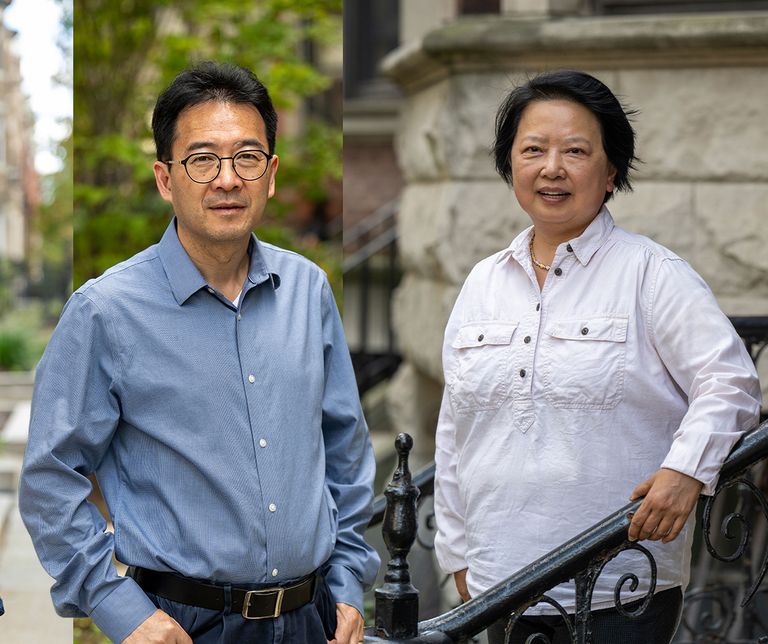
On September 23, Boston University President Melissa Gilliam and Provost Colin Duckett announced five new William Fairfield Warren professorships, three…

"Our bodies are not working in snapshots. They are generating information continuously, and transmitting that information in signals. What has…

$1.58 million from the Massachusetts Life Sciences Center will allow BU to add two high-speed, high-resolution microscopes to the Photonics…

The innovative projects earned funding and support on their way to making the leap from the lab to the real…

Led by Associate Professor Sheila Russo (ME, MSE) and Associate Professor Tommaso Ranzani (ME, MSE), BU's role is to develop…
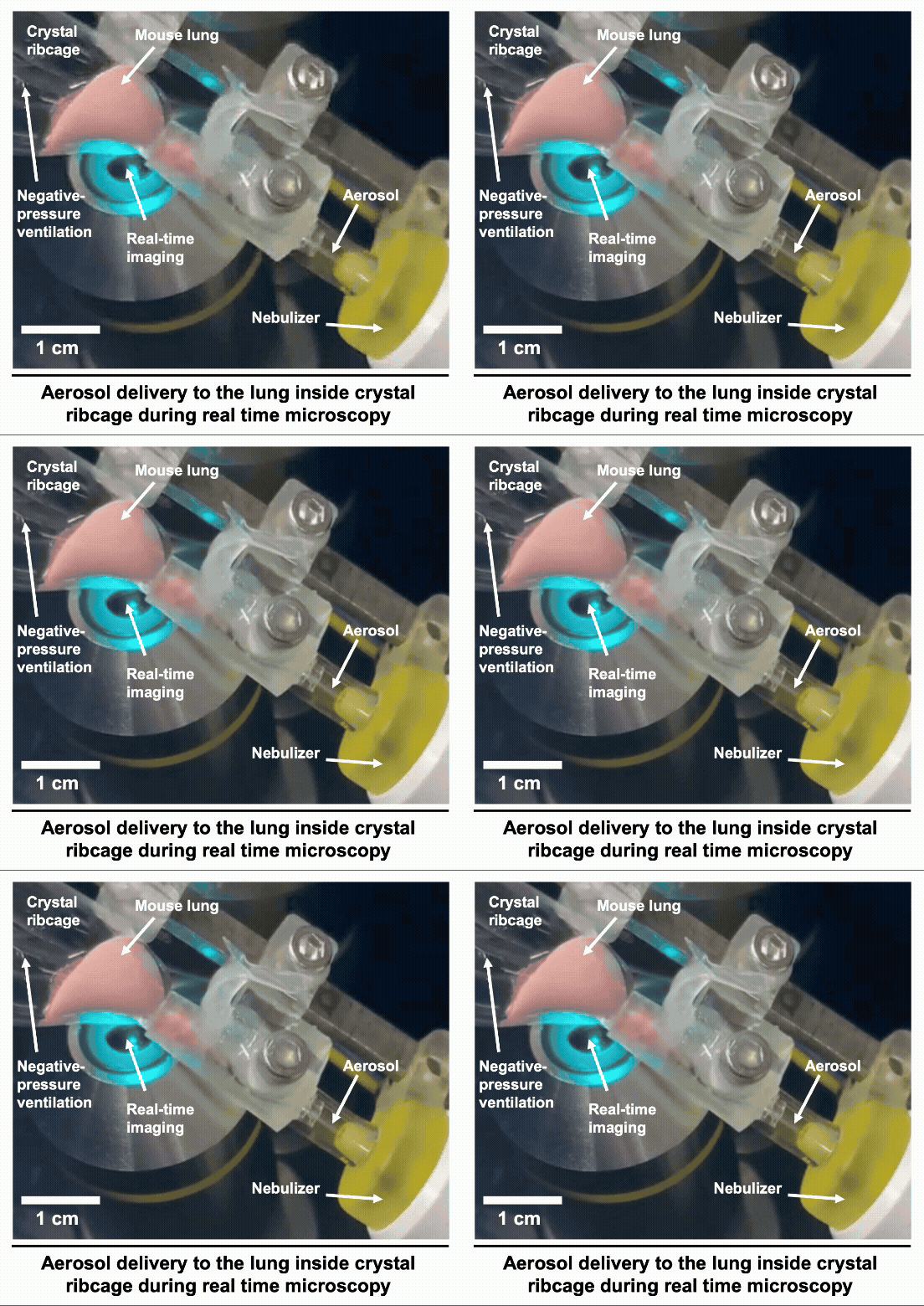
By bringing together expertise in biomedical engineering, lung physiology, immunology, and infectious diseases, the grant will strengthen collaboration between the…

Abigail Plummer earned an NSF CAREER award to develop an advanced tool kit that might someday be used to build…

“This is a powerful idea, because if we can program the locations and gradients of these chemical cues, we can…