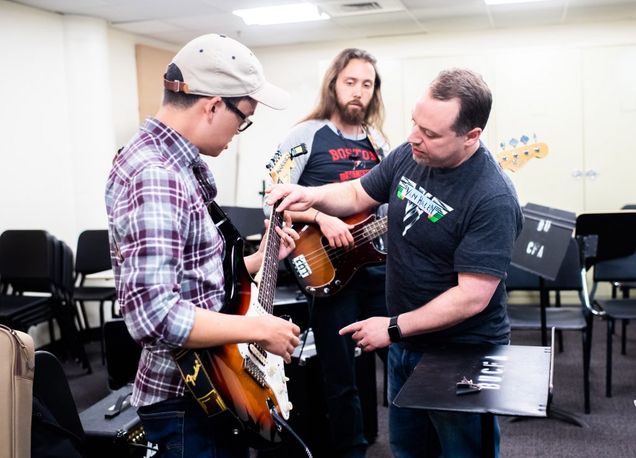
The Musicology & Ethnomusicology Program at Boston University offers graduate degrees in Musicology, Ethnomusicology, and Musicology and Ethnomusicology as well as an undergraduate Bachelor of Art. The program is led by a prolific, supportive, and inclusive department, dedicated to the shared purpose of innovative, engaged, and rigorous scholarship. Students are engaged in interdisciplinary, disciplinary, historical, translational, analytical, and cross-cultural thinking.
The twelve full-time faculty and two affiliated faculty in BU’s Department of Musicology & Ethnomusicology work on Early, Baroque, Romantic, Modernist and Avant-Garde music in the European classical tradition as well as jazz, ragtime, rock, and music in South and East Asia, sub-Saharan Africa, Latin America, the Caribbean, Europe, and the United States (including Black Boston). Our faculty’s theoretical focuses include race, the body, historical performance, global queer identities, protest, politics, ritual, violence, technology, sound studies, manuscript studies, post-colonial studies, modernity, and medical ethnomusicology
Degrees Offered
Featured Faculty
-
Michael Birenbaum Quintero
Associate Professor of Music, Musicology & Ethnomusicology
-
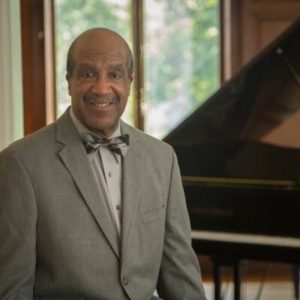
Leland Clarke
Professor of the Practice, Musicology & Ethnomusicology
-
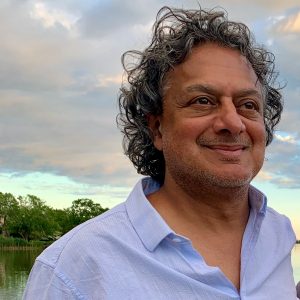
Victor Coelho
Professor of Music; Director, Center for Early Music Studies; Chair, Department of Historical Performance
-

Dan DiPiero
Assistant Professor of Music, Musicology & Ethnomusicology
-

Dan Hartung
Lecturer in Music, Musicology; Director of Afro-Caribbean Ensemble
-

Brita Heimarck
Associate Professor of Music
-

Gregory Melchor-Barz
Professor of Ethnomusicology; Chair, Musicology & Ethnomusicology Department
-

Vicky Mogollón Montagne
Assistant Professor of Music
-

Andrew Shenton
Professor, Musicology and Ethnomusicology; James R. Houghton Scholar of Sacred Music (School of Theology)
-

Jeremy Yudkin
Professor of Music; Co-Director of the Center for Beethoven Studies

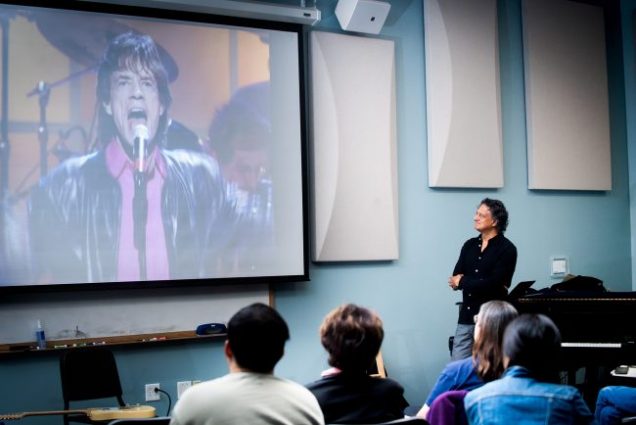
CREATIVES IN PRACTICE: DAN DIPIERO
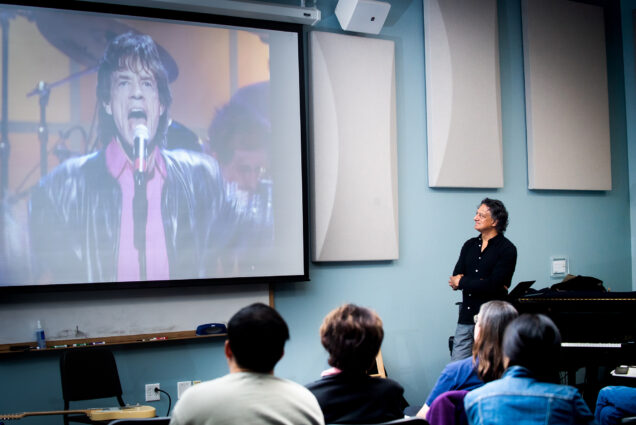
The assistant professor of music in musicology & ethnomusicology at Boston University is researching, presenting (at the Rock and Roll Hall of Fame), publishing, and writing books on the wave of contemporary queer and feminist indie rock bands remaking the genre, and on the role gender plays in the reception of music.
DiPiero brings his real-world experience to his role as a faculty member at BU College of Fine Arts. “Everything I do at BU is informed by my experiences, whether that means teaching jazz history after 20 years of professional playing or talking to my musicology students about the nuts and bolts of peer-reviewed research. As a musician and scholar, I’m constantly trying to bring research and practice together because I think that effort nuances our understanding of both areas at once.”

Explore More
News & Events
Related News

In Sinners, Bluesmen and Vampires Face Off