
Lead Change Through Counseling Psychology and Human Development
Develop the expertise to support lifelong growth and well-being for children, youth, and young adults with a PhD in Counseling Psychology & Applied Human Development from BU Wheelock. With a focus on evidence-based practices that promote optimal development, our program will equip you to:
- Design, implement, and evaluate culturally responsive interventions and learning environments at multiple levels of the social ecology
- Produce the research upon which such interventions and learning environments are built
- Train and supervise future generations of culturally competent counseling psychologists and researchers in applied human development
In the PhD program, you’ll identify an area of specialization: Counseling Psychology or Applied Human Development. The expected length of completion is five years. All students enter during the fall semester, and a minimum of one year of full-time residency (usually in the first year) is required.
Important Note for Applicants
Due to the current needs of our PhD program, we will be accepting applications only for the Counseling Psychology specialization during the current admission cycle (fall 2026, for matriculation in fall 2027). This is a temporary decision that applies only to the current cycle. We look forward to welcoming applications to the Applied Human Development specialization in future cycles.
Upcoming Information Session
Learn more about the PhD in Counseling Psychology & Applied Human Development at an information session on Thursday, September 24, 2026 at 6 pm (ET).
Program Pathways
As a student in Boston University’s PhD in Counseling Psychology & Applied Human Development program, you’ll develop expertise across four core areas:
- Psychological foundations of behavior
- Research methods and data analysis
- Applied psychological practice
- Counseling psychology foundations and practice
You’ll follow a program of study in child/adolescent mental health, and with permission, may receive additional training in sport/performance psychology. A list of courses can be found in the BU Bulletin, while a suggested semester-by-semester plan of study can be found in the Doctoral Student Handbook.
Through active engagement in research with one or more faculty, students will learn how to apply theory and previous empirical findings in generating studies that produce new knowledge, design and implement intervention and curriculum strategies to promote optimal development, and learn how to translate research findings in ways that are accessible to educators, policy-makers and the lay public.
We deliberately keep our doctoral cohorts small so that we can match each student with one or more faculty who have the time needed to provide personalized support and research development. Most faculty have active research teams that provide students with opportunities to be involved in a wide range of research, and often grant-funded, projects. As students begin to identify a program of research, advanced research courses will be selected that enable the student to continue developing their quantitative and/or qualitative skills.
The Counseling Psychology doctoral program provides students with opportunities to develop their clinical competencies through practicum training experiences, starting in the second year. During the fourth year, students may choose (although not required) to continue their practica training, enrolling in externships that allow them to gain further clinical experience in either a new setting or a specialized area of training.
In the fourth year, if students have completed their prerequisite milestones, they become eligible to apply for a doctoral psychology internship position. This position is the final clinical training experience prior to graduation. Students have done internships at sites such as hospitals, child and adolescent treatment programs, health centers, and local colleges and universities.
Students in the PhD in Counseling Psychology & Applied Human Development program are expected to demonstrate competence in a number of interrelated and mutually reinforcing areas corresponding to the overarching goals of the program. A more detailed description of the program training goals, objectives, and competencies can be found in the PhD Handbook.
Goal #1: To train counseling psychologists and researchers in Applied Human Development to work effectively with children through emerging adult populations.
- Understand role and function of professional psychologist in a wide range of clinical, training, and research settings
- Acquire advanced knowledge of theory and research
- Develop skills to work with children through emerging adult populations
Goal #2: To train researchers who are able to contribute to the empirical knowledge base of counseling psychology and applied human development.
- Develop and implement research in schools and communities
- Use advanced knowledge of research methods to conduct independent research
- Critique and advance extant research
Goal #3: To train graduate students who are committed to and serve as role models of cultural competence, ethical practice, and social justice.
- Demonstrate cultural awareness and sensitivity across professional contexts
- Work effectively with culturally diverse groups as professional psychologist and advocate
“I truly love the climate at BU Wheelock community. Every professor I have met is knowledgable and supportive.”

Career Outcomes
Become a skilled professional prepared to lead in counseling psychology and applied human development across diverse settings. When you complete the PhD in Counseling Psychology & Applied Human Development, you’ll be able to:
- Build advanced expertise in psychology and counseling psychology theory and research
- Practice culturally responsive care with children, adolescents, and emerging adults
- Apply evidence-based interventions and evaluate counseling and educational programs
- Advance research and practice by critically evaluating and improving existing research
- Lead with cultural awareness as a clinician, educator, researcher, and advocate
Alumni of the PhD in Counseling Psychology & Applied Human Development
Use your specialized knowledge, research skills, and counseling competencies in a wide variety of postdoctoral career choices. Graduates of the counseling and human development PhD are prepared for a variety of roles, including:
- Faculty positions in colleges and universities
- Clinical or consulting positions in K–12 schools, government, industry, or human service agencies
- Research scientist or data anaylst at government or nonprofit organizations
- Work with individuals, teams, or organizations dedicated to superior performance in sport and other performance realms
“I have grown so much in this program. The professors have challenged me in ways that have allowed me to grow into a confident and skilled academic and clinician. “

Featured Faculty
Faculty in the PhD in Counseling Psychology & Applied Human Development bring expertise in counseling psychology, applied human development, research, and evidence-based practice, with a strong commitment to culturally responsive work and student success.
Core PhD Faculty
-
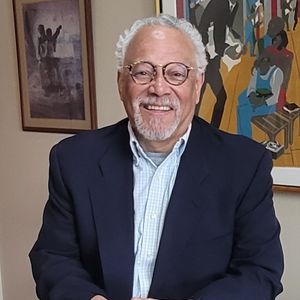
Hardin Coleman
Dean Emeritus & Professor Emeritus
-

Kathleen Corriveau
Associate Dean, Faculty Affairs
Professor -

Maria Teresa Coutinho
Interim Associate Dean, Equity, Diversity & Inclusion
Clinical Associate Professor -

Tina M. Durand
Program Director, Counseling Psychology & Applied Human Development PhD
Clinical Professor -

Edson Filho
Associate Professor
-

Kimberly A. S. Howard
Chair, Counseling Psychology & Applied Human Development
Professor -
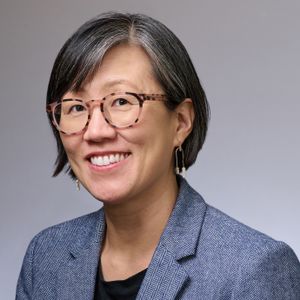
Grace S. Kim
Clinical Professor
-

John McCarthy
Program Director, Applied Human Development
Clinical Associate Professor
Director, Institute for Athletic Coach Education -
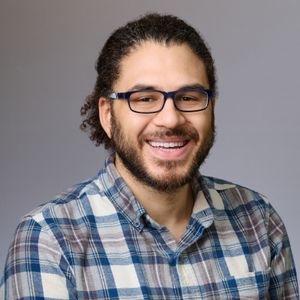
Michael A. Medina
Assistant Professor
-

V. Scott Solberg
Professor
-

Jenna Sung
Assistant Professor
Affiliated PhD Faculty
-
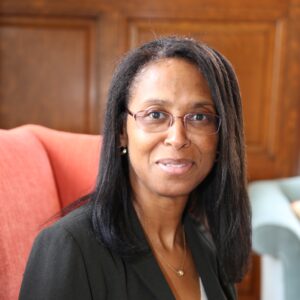
Detris Adelabu
Clinical Professor
-
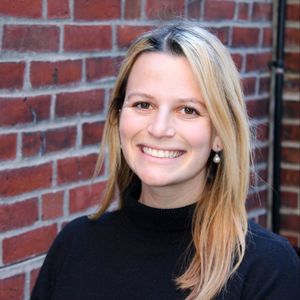
Carly Block
Lecturer
-

Amie Grills
Associate Provost, Undergraduate Affairs
Professor -

Melissa K. Holt
Director, Kilachand Honors College
Arvind and Chandan Nandlal Kilachand Professor
Professor, Counseling Psychology -
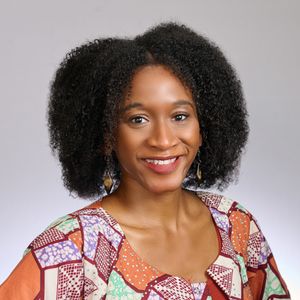
Johanna Milord
Lecturer
-
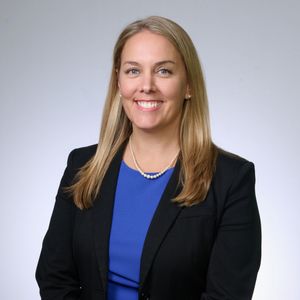
Kristina Moore
Lecturer
-

Anna Ward
Program Director, EdM In Counseling
Lecturer

“The value of learning is core to who I am as a professor, of course, but it’s really core to who I am as a person. I’m a developmental psychologist, so much of my field is devoted to understanding learning and how learning happens. . . I tell my students we are always learning–we’re learning inside the classroom, we’re learning by listening, we’re learning in community, we’re learning in field placements. So learning is just an ongoing, rich and continuous process that helps us to know ourselves and our place in the world.”
Tina Durand,
Program Director, Counseling Psychology & Applied Human Development PhD
Courses in the Counseling Psychology & Applied Human Development PhD
All students in the PhD program build a strong foundation in research methods and psychological foundations, then deepen their expertise through specialization courses and electives tailored to their interests and career goals. Students in the Applied Human Development doctoral program complete 81-90 credits, and students in the Counseling Psychology doctoral program complete 97 credits.
Core counseling and human development courses provide all students with essential training in research methods and psychological foundations. These courses include:
- Psychometrics
- One quantitative research methods course
- One qualitative research methods course
- Cognitive Affective Bases of Behavior
- Culture, Ethnicity and Race: A Developmental Approach
Counseling Psychology core courses are required for students in the Counseling Psychology specialization and elective for students in the Applied Human Development pathway. These courses include:
- Counseling Psychology in Context
- Intellectual and Behavioral Assessment (Child) or Clinical Psychological Assessment (Adult)
- Proseminar on Effective Interventions (Child or Adult)
- Proseminar on Counseling and Psychotherapy Supervision and Consultation (2 units)
- Prevention in Counseling Psychology
Related Programs
If you’re not planning to pursue a PhD, consider these master’s degree options, which offer opportunities to build specialized knowledge and practical skills for a range of careers in counseling, education, and human development
Prepare to assume leadership roles and responsibilities as a professional in youth-serving fields. With the human development master’s, ou can choose from three concentrations: positive youth development, athlete-centered sport leadership, or mental performance.
Help people overcome mental challenges and work through complex issues. In this master’s in counseling program, you’ll choose from three concentrations: School counseling, sport psychology, or child and adolescent counseling.
Admissions & Dates
Fall 2027
Aug 3, 2026
Application Opens
Fall 2027
Nov 15, 2026
Application Deadline
Connect with BU Wheelock to learn more about earning your doctorate in counseling psychology or doctorate in human development (PhD). Learn about application requirements and deadlines, sign up for an information session, or start your application today.
For information about the PhD in Counseling Psychology & Applied Human Development at Boston University Wheelock College of Education & Human Development, including requirements for admission, contact Program Director Tina M. Durand.
Frequently Asked Questions
The PhD in Counseling Psychology & Applied Human Development at Boston University Wheelock College of Education & Human Development prepares students to become leaders in counseling psychology and applied human development. The program combines research, evidence-based practice, and professional training to support the development and well-being of children, youth, and young adults.
Students can pursue one of two areas of study: Counseling Psychology or Applied Human Development. Both areas provide advanced training in research and psychological foundations while preparing students for careers serving diverse populations and communities.
The program typically takes four years for Applied Human Development students and five years for Counseling Psychology students to complete. All students begin in the fall, and the program requires at least one year of full-time residency.
Yes. Students gain hands-on experience through practicum and research opportunities that connect coursework to real-world counseling, educational, and community settings. These experiences help students develop professional skills and apply evidence-based approaches with diverse populations.
Graduates are prepared for careers in counseling psychology, higher education, research, clinical practice, education, and community organizations. Depending on their area of study and training, graduates may pursue roles as psychologists, researchers, educators, clinicians, and advocates.
Student Admissions, Outcomes, and Other Data
Accreditation & Licensing Disclosure
The Counseling Psychology track of the PhD program in Counseling Psychology and Applied Human Development is accredited as a program in counseling psychology by the American Psychological Association (APA). For more information, contact the APA Office of Program Consultation and Accreditation.
Questions related to the program’s accredited status should be directed to:
Commission on Accreditation: Office of Program Consultation and Accreditation
American Psychological Association
750 1st Street, NE, Washington, DC 20002
Phone: (202) 336-5979 | Email: apaaccred@apa.org | Web: www.apa.org/ed/accreditation
For information about this BU Wheelock state-approved program and how the educational requirements compare with those in other states, read the BU Wheelock Doctor of Philosophy in Counseling Psychology Program Licensing Disclosure. Doctoral counseling psychology students should review this disclosure and contact their program faculty with questions.
Background Checks
Students who are admitted into BU Wheelock routinely participate in field experiences as a part of their respective program curriculum and requirements. Most field sites require criminal background checks to determine students’ eligibility for participation. History of a criminal background may disqualify students from participating in these required experiences, which in turn may impede the successful completion of one’s degree program.