Heine on Trump’s Pardon of Former Honduran President Exposing U.S. Policy Contradictions
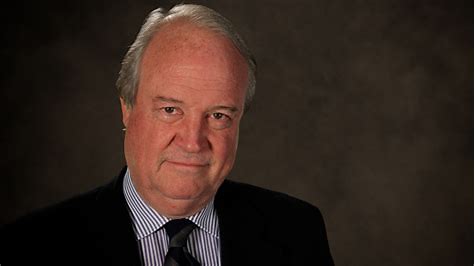
On December 5, 2025, Ambassador Jorge Heine’s recent analysis titled, Debunking Trump’s ‘Drug War’ Narrative on Venezuela, was published by The Wire-India. The article highlights the far-reaching implications of President Donald Trump’s decision to pardon former Honduran president Juan Orlando Hernández, who had been serving a 45-year sentence in the United States for trafficking hundreds of tons of cocaine. The pardon, issued just one day before Honduras’ presidential election, is framed as part of a broader pattern of U.S. interference in Latin American politics—echoing previous actions, such as the conditional financial support announced for Argentina ahead of local elections.
Heine argues that pardoning Hernández, whose conviction was based on extensive evidence of collaboration with the Sinaloa Cartel in Mexico, undermines Washington’s justification for its escalating military actions against Venezuela, which the administration claims are aimed at combating drug trafficking. The contradiction, he notes, is stark: while U.S. officials accuse Venezuelan leaders of operating a fictional “Cartel de los Soles,” they simultaneously absolve a leader with clear ties to real cartels.
Heine describes Hernández’s years transforming Honduras into a narco-state, with cartel money permeating government institutions and security forces. Testimony from multiple U.S. trials described Hernández receiving bribes, facilitating cocaine shipments, and protecting traffickers—including his brother Tony Hernández, also convicted on drug charges.
The pardon sends a troubling signal, according to Heine,
The message to Latin American leaders could not be clearer: you can associate yourself with organized crime as much as you want, but as long as you’re on the right side of the occupant of the Oval Office, you will be all right.
Beyond Hernández himself, the decision reveals what Heine calls a “sham” in U.S. regional policy. He suggests that current military posturing toward Venezuela and threats against cartels in Mexico are driven less by narcotics enforcement and more by domestic political considerations, especially those linked to Secretary of State Marco Rubio’s electoral base in Florida.
In historical context, the piece warns that the U.S. preparing to launch a major military strike on Venezuela under false pretenses marks a new low in inter-American relations.
You can read the full article here.
A former research professor at the Frederick S. Pardee School of Global Studies, Jorge Heine is a diplomat, international relations scholar, and lawyer. He has served as an ambassador of Chile to China, India, and South Africa. Heine has written over fifteen books, including The Non-Aligned World: Striking Out in an Era of Great Power Competition (2025), which provides insights on how the Global South can navigate the changing diplomatic landscape amid the U.S.-China rivalry.