
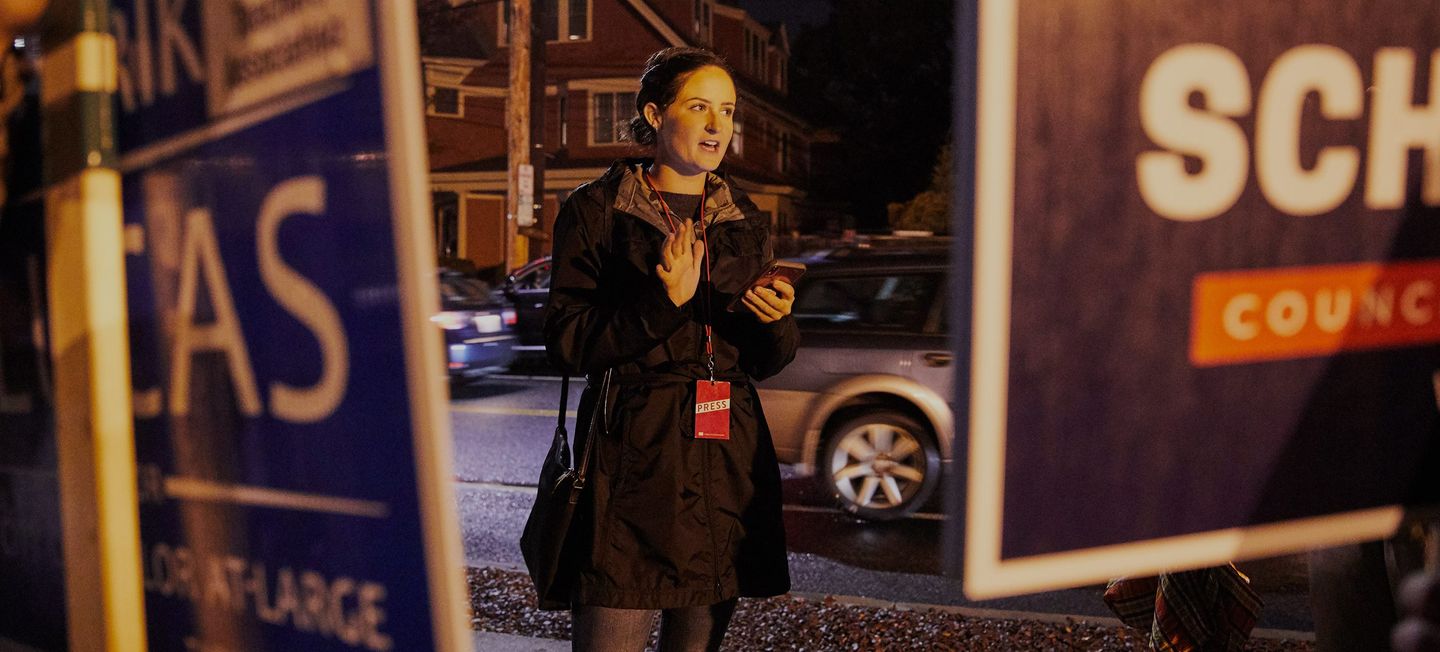
Program notes
- No GRE required
- Merit scholarships available, with no additional application needed
- Current BU students + alumni: learn about the Double Terrier scholarship
- Internship and fellowship opportunities available through WBUR, the Pulitzer Center, the Statehouse Program, and more
What does it take to become a journalist?
Curiosity is where it starts. You want to know what happened. Why it happened. Who was there. What makes it matter. What hasn’t been said yet. And you know there’s usually another question worth asking.
At BU, you’ll learn how to turn that curiosity into compelling, rigorous reporting. You’ll develop the judgment to recognize a story, the reporting skills to pursue it, and the multimedia skills to tell it across digital, broadcast, audio, and documentary platforms.
Whether you’re coming straight from college or changing careers, you don’t need to arrive with a journalism degree. Our students bring different majors, professions, communities, and life experiences to the newsroom—and those perspectives can become some of your greatest strengths as a reporter.
Because every great story starts with someone willing to ask one more question.
Learn journalism by doing it
- Work like a journalist from day one: Report and produce using professional newsroom equipment and workflows, including COM’s TV Studio West.
- Move from the classroom into the newsroom: Through COM’s Newsroom Initiative, you’ll work with an in-house editor and report within professional news organizations across New England for academic credit.
- Find your beat—and your medium: Build your degree around your career goals, with electives in investigative reporting, sports journalism, broadcast news, photojournalism, documentary journalism, data journalism, arts and entertainment, and more.
Take your reporting beyond campus
- Massachusetts Statehouse Program: Cover politics and breaking news from Beacon Hill.
- Washington, D.C. Program: Spend a semester reporting from the nation’s capital.
- Conflict + Crisis Reporting: Travel to Padua, Italy, for an immersive summer reporting experience covering global crises.
- Pulitzer Center partnership: Pursue sponsored investigative reporting opportunities through COM’s partnership with the Pulitzer Center and Program on Global Health Storytelling.
- Power of Narrative conference: Attend our annual conference, which brings together leading narrative practitioners and long-form storytellers from around the world.
Boston: study journalism in a city that makes news
Boston has been making news for centuries—and today, it’s one of the country’s most dynamic media markets. The Boston Globe, WBUR, GBH News, Axios, Politico, a bustling State House news bureau, and major commercial television newsrooms are all right here.
For you, that means opportunities to report, intern, build sources, and make professional connections while you’re still in school.
Your reporting opportunities aren’t hypothetical. They’re walkable.
Where will your reporting take you?
Graduates go on to report, investigate, edit, produce, photograph, film, and build new ways of telling stories at news organizations across the country and around the world.
Where our graduates work
- Investigative + national news: The New York Times, Los Angeles Times, San Francisco Chronicle, The Guardian, ProPublica, CNN, ABC News, Bloomberg, NBCUniversal, US Department of State
- Public media: NPR, PBS, WBUR, GBH News
- Sports media: ESPN, FOX Sports, USA Today Sports, The Boston Globe, the New England Patriots, Boston Red Sox, Texas Rangers
- Documentary + long-form: CNN, PBS, WBUR’s Kind World, Condé Nast International
Roles alumni hold
- Reporting + editing: correspondent, editor, reporter, investigative journalist, broadcast journalist
- Visual + documentary: photojournalist, documentary filmmaker, producer, video editor
- Digital + data: data journalist, multimedia journalist, audience/digital producer
Publish before you graduate
Your work doesn’t have to wait until after graduation to find an audience. BU graduate students report, produce, edit, and publish through COM-sponsored and student-run news organizations that serve audiences across Boston and beyond:
- BU News Service (BUNS): Multiplatform digital news
- BUTV10: Award-winning television broadcasts
- WTBU: Live student radio
- The Daily Free Press: BU’s legendary independent student newspaper since 1970
BU offered an incredible hands-on lab setting, all in the heart of one of the most beautiful cities in the country. I loved that it would afford me more time for internships, training, and networking to really curate a graduate school experience for myself. I looked at my time in Boston as a time period where I was totally redefining my trajectory, and BU was the perfect setting for that story to unfold.
Ashley Davis, Alumna and Senior Producer at CNN
What you’ll learn in the MS in Journalism
Journalism is something you learn by doing. Over three semesters, you’ll build from reporting fundamentals to specialized coursework to an original, deeply reported professional project—developing the judgment, versatility, and body of work you’ll need in a rapidly changing news industry.
- Semester 1 (fall): Build the fundamentals. Your coursework focuses on core journalism building blocks: advanced news judgment, investigative writing, audio/visual gathering, media law, ethics, and multiplatform digital production in a professional newsroom environment.
- Semester 2 (spring): Find your focus. Dive into advanced elective tracks. Take courses in investigative reporting, data-driven journalism, sports broadcasting, documentary, and more. Gain local field experience through COM’s partnership with Boston Neighborhood Network Media and the Newsroom Initiative that connects students with news organizations across New England.
- Semester 3 (fall): Produce your Professional Project. Develop an original, deeply-reported piece of journalism under faculty mentorship. This project serves as the centerpiece of your portfolio—the definitive work you present to hiring editors.
Explore our curriculum and courses.
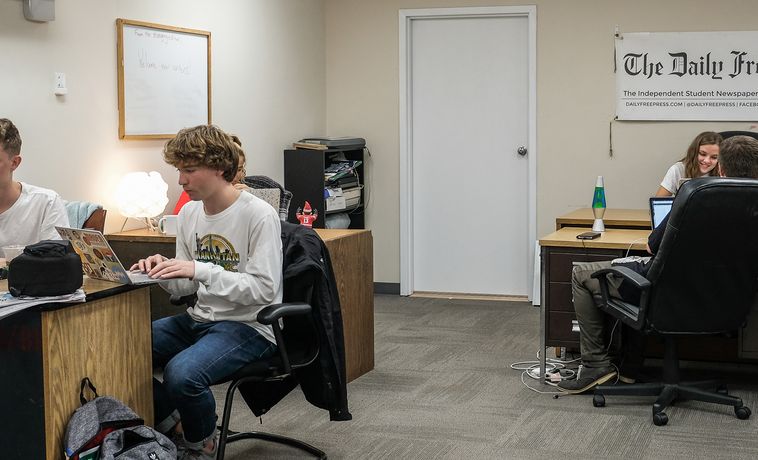
The Daily Free Press
The Daily Free Press is the independent student-run newspaper at Boston University. Founded in 1970, the paper is published by Back…
Learn from journalists who are still reporting
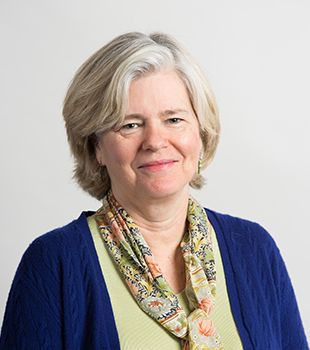
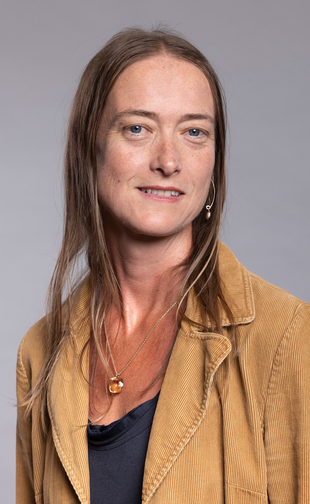
Our faculty haven’t stopped chasing stories. They write books, produce documentaries, take Pulitzer Prize–winning photos, and conduct investigations that shape public understanding. They’re reporters, editors, photographers, and documentary filmmakers whose work appears in today’s newsrooms, not yesterday’s textbooks. They teach graduate students as emerging colleagues, providing the rigorous editorial feedback and high expectations found in top-tier newsrooms.
COM faculty and alumni have earned 21 Pulitzer Prizes. But that legacy isn’t something you’ll simply hear about. You’ll learn alongside journalists who bring the standards behind that work into the newsroom and classroom every day.
See a list of our Pulitzer Prize winners.
In the study of journalism, we ask people to tell us their stories. Sometimes the best way to learn how to do that is to practice telling your own. Two BU COM professors helped me to do that—and I now bring those concepts into my own classroom and encourage my students to focus on the bits of wisdom and pieces of humanity that bind us together.
Noelle Graves, Alumna, award-winning journalist, and senior lecturer, Department of Journalism



Frequently asked questions about the MS in Journalism at BU
Do I need a journalism background to apply?
No. While we look for a strong writing sample and a clear passion for reporting and storytelling, you don’t need previous professional journalism experience. You’ll build reporting, writing, multimedia, and investigative skills from day one.
What is the Master’s Professional Project?
The Master’s Professional Project is an original, deeply-reported piece of journalism produced during your final semester under faculty direction. It’s the capstone of your degree and the centerpiece of your portfolio—the kind of work you’d show to a hiring editor.
Can I specialize in a specific type of journalism?
Yes. The program offers flexibility through electives in investigative journalism, sports journalism, broadcast journalism, photojournalism, documentary journalism, data journalism, and more. Your advisor will help you build a program that fits your goals.
Are there opportunities to report outside of Boston?
Yes. In addition to COM’s Statehouse Program that puts you in the state capitol, the Washington, D.C. Multimedia & Journalism Program offers a semester in the nation’s capital. You can also travel to Padua, Italy for a summer course in Conflict & Crisis Reporting.
What fellowships are available?
COM partners with the Pulitzer Center, WBUR, and others to connect students with paid fellowships and sponsored investigative projects. Merit scholarships are also available through COM with no separate application required.
See all MS in Journalism’s Frequently Asked Questions.
Also worth exploring
Learn more about our other graduate programs in communication and media, including:
- MS in Television: For students focused on the business and creative side of television – developing, pitching, and selling ideas to networks and streaming platforms.
- MS in Public Relations: For students who want to work on the communications side – media relations, crisis communication, and digital strategy.
- Graduate Certificate in Civic Science Communication (online): A four-course online certificate for students who want to communicate science clearly to public audiences.


