
 Noubar Afeyan
Founder and CEO, Flagship Pioneering
Noubar Afeyan is founder and CEO of Flagship Pioneering, a global scientific innovation and company creation platform focused on human and planetary health. He is also co-founder and Board Chairman of Moderna (NASDAQ: MRNA), the pioneering messenger RNA medicines company, as well as of Generate:Biomedicines (NASDAQ: GENB), a pioneer in AI-generated biotherapeutics. Early in his career, he founded and ran PerSeptive Biosystems, a leading biotechnology instrumentation company.
Afeyan holds more than 100 patents and has co-founded more than 100 life science and technology startups over the course of his career. Afeyan completed his doctoral work in biochemical engineering at MIT and his undergraduate studies at McGill University. For more than 20 years he was a senior lecturer at MIT’s Sloan School of Management and a lecturer at Harvard Business School, and he currently serves as a member of the MIT Corporation’s Executive Committee.
Afeyan is co-founder of the Aurora Humanitarian Initiative and several other philanthropic projects.

Rhoda Au
Professor, Boston University
Rhoda Au is Professor of Anatomy & Neurobiology, Neurology, Medicine and Epidemiology at Boston University Chobanian & Avedisian School of Medicine and School of Public Health. Leveraging technological advances in software, hardware and deep machine learning/artificial intelligence analytic strategies, her current research objectives are to develop and validate globally feasible screening and monitoring tools for Alzheimer’s disease and related dementias and to redefine and generate multi-sensor digital biomarkers. Her strategic vision is to shift the focus on brain related disorders to a broader emphasis on brain health.

Ed Baker
Chief Product Officer, WHOOP
Ed Baker leads product strategy across the company. Baker joined WHOOP in 2023 following the acquisition of his AI startup, AnyQuestion, and previously served as Chief Growth Officer before assuming his current role.
Baker is a product leader, entrepreneur, and investor with more than two decades of experience building and scaling consumer technology companies. Prior to WHOOP, he founded and served as CEO of AnyQuestion. Previously, he served as Vice President of Product and Growth at Uber and Head of International Growth at Facebook. He joined Facebook through its acquisition of Friend.ly, the social platform he co-founded and grew to more than 25 million registered users.
Baker has been a WHOOP board member and investor since 2019. He earned a B.A. in Chemistry and Physics, magna cum laude, from Harvard University and an MBA from Stanford Graduate School of Business, where he was an Arjay Miller Scholar.

Irving Bigio
Professor, Boston University
Irving Bigio (BME, ECE, Physics, Medicine) received his PhD degree in Physics at the University of Michigan in 1974, after which he worked at Los Alamos National Laboratory until 2000, leading laser science programs. In 2001 he was recruited to BU, where he is Professor with appointments in Biomedical Engineering, Electrical & Computer Engineering, Physics, and the BU School of Medicine. He has authored over 200 scientific publications on laser physics, nonlinear optics and biomedical optics, including the award-winning textbook (with co-author Sergio Fantini): Quantitative Biomedical Optics. Dr. Bigio has pioneered the development of a number of biomedical optics technologies and tested them in preclinical and clinical studies. Medical diagnostic methods based on his development of elastic-scattering spectroscopy have been developed commercially for clinical practice and have receive FDA clearance. More recently his lab has been advancing polarized-light microscopy to image the underlying pathologies of the brain that are associated with a variety of neurodegenerative diseases, such as Alzheimer’s disease and age-related dementia. Dr. Bigio is a Fellow of Optica, the SPIE, and the American Institute of Medical and Biological Engineering; and he is the 2026 recipient of the SPIE Britton Change Biomedical Optics award.

David Boas
Professor, Director of Neurophotonics Center, Boston University
David Boas (BME, ECE) is the Director of the BU Neurophotonics Center, and is a Professor of Biomedical Engineering. He received his BS in Physics at Rensselear Polytechnic Institute and PhD in Physics at the University of Pennsylvania. He is the founding President of the Society for Functional Near Infrared Spectroscopy and founding Editor-in-Chief of the journal Neurophotonics published by SPIE. Boas was awarded the Britton Chance Award in Biomedical Optics in 2016 for his development of several novel, high-impact biomedical optical technologies in the neurosciences, as well as following through with impactful application studies, and fostering the widespread adoption of these technologies (see the video).

Carla Boragno
Former SVP Global Head of Engineering and Facilities, Pharma Technical Operations, Roche
Executive Coach, Business Advisor
Carla Boragno has over 35 years of organizational leadership experience in engineering, manufacturing, and site management. In her most recent role, she served as Senior Vice President, Head of Global Engineering and Facilities where she was responsible for a multi-billion capital portfolio, including the design, construction, maintenance, and life-cycle asset management for Roche/Genentech’s global manufacturing network. From 2012 to 2019, Carla was the Vice President of Site Services for Genentech’s headquarters, where she led a team of over 1,200 people accountable for Genentech’s corporate real estate portfolio of ~6 million sq ft, engineering, facilities management, environmental, health & safety, security, and workplace services for a 12,000-person campus. She recently retired from Genentech and embarked on the next phase of her career as an executive coach and business advisor.
Boragno currently serves on the Advisory Board of Power Speaking Inc, is a member of the Dean’s Leadership Advisory Board for BU College of Engineering, and is an industry advisor for SPARK Program in Translational Research (Stanford School of Medicine).
Boragno has a B.S. in Chemical Engineering from U.C. Berkeley and is a certified Executive Coach from the Center for Executive Coaching.

Edward Damiano
Founder and Executive Chair, Beta Bionics
Research Professor, Boston University
Edward Damiano (BME) is Research Professor of Biomedical Engineering at BU. He is the co-founder of Beta Bionics, Inc. and was the founding President and CEO and Chairman of the Board beginning in 2015. His academic research has been in the areas of mathematical biology and glycemic control. He became joined the faculty as an Associate Professor of Biomedical Engineering at BU in 2004. His basic scientific research combined aspects of fluid dynamics, solid mechanics, and intravital microscopy to study the biomechanics of the inner ear and blood flow in the microcirculation. Ever since his 27-year-old son, David, was diagnosed with type 1 diabetes at 11 months old, he set his sights on building and integrating autonomous, intelligent systems into a purpose-built, wearable medical device that he referred to as a bionic pancreas. In 2021, an NIH-funded 13-week pivotal clinical trial was conducted that tested the iLet Bionic Pancreas in 440 adults and children with type 1 diabetes. The clinical data from that pivotal trial was published in the New England Journal of Medicine in 2022. Based in part on that data, the iLet Bionic Pancreas received clearance by the US Food and Drug Administration on David’s 24th birthday on May 19, 2023. Since June 2023, the iLet has been commercially available for people six years and older with type 1 diabetes through commercial and government insurance across the US. The installed base of iLet users has grown to about 45,000. Beta Bionics, Inc. had its initial public offering in January 2025 and is listed on the NASDAQ.

Nick Doucette ’09
VP of Strategic Operations & Co-Founder, Ursa Major
Nick Doucette is a class of 2009 BU College of Engineering alumni where he received his BS in Aerospace Engineering. He began his career at SpaceX where we ran manufacturing operations for the Dragon space capsule and Merlin rocket engine production scale. He then ran operations for early Raptor engine production and SpaceX’s additive manufacturing development. He left SpaceX in 2016 to help co-found Ursa Major in Colorado to solve urgent propulsion needs in the hypersonic and national security spaces. He scaled all internal operations at Ursa Major for 8 years and has since stepped into an investor and government relations role as the company crosses 400 employees. He received his MBA in Corporate Finance from Indiana University.
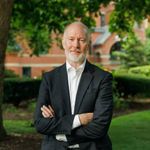 Colin Duckett

Provost and Chief Academic Officer, Boston University
Colin S. Duckett became Provost and Chief Academic Officer of Boston University in July 2026. As the University’s second-ranking officer, he provides leadership for BU’s academic mission and planning and oversees the deans of its 17 schools and colleges and the Faculty of Computing & Data Sciences, with responsibility spanning research, faculty affairs, undergraduate and graduate education, enrollment, student affairs, and the libraries.
Dr. Duckett came to BU from Duke, where he served as executive vice dean for basic science in the School of Medicine. A molecular biologist with over 23,000 citations, Dr. Duckett has published extensively on cellular death and signal transduction, particularly as these pertain to the pathobiology of HIV and cancers of the immune system.
He received his PhD in biochemistry from the University of London and completed postdoctoral training at the University of Chicago, where he co-discovered the IAP family of signaling proteins. He was a Howard Hughes Medical Institute fellow and served as a section chief in the Metabolism Branch of the National Cancer Institute at the National Institutes of Health.
 Brian Dunkin ’85
Vice President, Medical Affairs & Chief Medical Officer, Endoscopy, Boston Scientific
Dr. Brian Dunkin is the Global Vice President of Medical Affairs and Chief Medical Officer for Boston Scientific, Endoscopy, a world leading manufacturer of less invasive devices for gastrointestinal and pulmonary conditions. In this role he is responsible for leading the development and execution of a patient centric medical affairs strategy to support the creation and commercialization of Boston Scientific’s innovative portfolio.
Dr. Dunkin holds degrees in biomedical engineering and medicine and has completed graduate medical training in general surgery, advanced laparoscopy, and therapeutic endoscopy. He has held full-time academic and leadership positions at the Universities of Maryland, Miami, Weill Cornell Medical College, and the Houston Methodist Hospital in Texas, and has been a part-time staff member in the Department of Surgery at the Massachusetts General Hospital in Boston.
Dr. Dunkin has been in academic practice for over 30 years rising to the positions of Professor of Surgery at the Weill Cornell Medical College, Chair of surgical innovation and Head of endoscopic surgery at the Houston Methodist Hospital, and Medical Director of the Methodist Institute for Technology, Innovation, and Education (MITIE) – a world-class education and research institute. He has published extensively in the areas of minimally invasive surgery, endoscopy, and professional education and is an innovator, having co-founded two start-up companies and co-authored multiple patents in the medical technology space.
Dr. Dunkin is a past president of the Society of American Gastrointestinal and Endoscopic Surgeons (SAGES), Fellow of the American College of Surgeons, and a member of the American Surgical Association as well as the College of Fellows at the American Institute for Medical and Biological Engineering (AIMBE), a select group of the top 2% of medical and biological engineering professionals in the United States.

James Galagan
Scientific Founder & Co-Creator, BioSens8
Professor, Boston University
James Galagan (BME, Microbiology, ECE) received his B.S. in Computer and Electrical Engineering from UC Davis, and his PhD in Computational Neuroscience from MIT. In 1998 he joined the Whitehead Institute Center for Genome Research which then became the Broad Institute, where he rose to the position of Associate Director for Microbial Genome Analysis. In 2009, he joined BU as an Associate Professor in Biomedical Engineering and Microbiology. He has served as the Associate Director for Systems Biology at the National Emerging Infectious Diseases Laboratory, the Director of the BU Illumina Sequencing Core Facility. Galagan currently serves as the Associate Director for the Precision Diagnostics Center.

Melissa Gilliam
President, Boston University
Melissa L. Gilliam became BU’s eleventh president on July 1, 2024. Gilliam is an esteemed and award-winning interdisciplinary researcher in medicine, public health, and the humanities. Gilliam joined BU from The Ohio State University, where she held the Engie-Axium chair and served as executive vice president and provost overseeing 15 colleges and six campuses and the Office of Academic Affairs, including undergraduate education, graduate education, international affairs, diversity and inclusion, external engagement, online learning, and information technology.

Alexander Green
Associate Professor, Green Laboratory, Boston University
Alexander Green (BME) obtained his PhD in Materials Science and Engineering from Northwestern University in 2010 and his B.A.Sc. in Engineering Science from the University of Toronto in 2005. He conducted postdoctoral research at the Wyss Institute at Harvard. He was an assistant professor at Arizona State University from 2015 to 2020.
Green has pursued research in diverse areas ranging from synthetic biology to self-assembly to carbon nanomaterials with applications in flexible electronics, energy, and low-cost diagnostics. Dr. Green is an Alfred P. Sloan Research Fellow in Computational & Evolutionary Molecular Biology (2017) and the recipient of an NIH New Innovator Award (2017), a DARPA Young Faculty Award (2017), a DARPA Young Faculty Award Director’s Fellowship (2019), and an NIH Transformative Research Award (2024). He has published over 80 peer-reviewed publications that have accumulated over 16,000 citations, including ones in Cell, Nature, Nature Nanotechnology, Nature Chemistry, and Nature Biomedical Engineering. Dr. Green has over 35 issued patents. He has received over $10 million in external funding since starting his independent career.

Jenny Gruber ’99
Future Habitation Procurement Lead, NASA Moon Base Program
Jenny Gruber was born and raised in Omaha, Nebraska. She graduated from BU with a Bachelor of Science and a Master of Science in Aerospace Engineering in 1999. During her time at BU, she was an intern at NASA’s Johnson Space Center. In 2002, she earned a Doctor of Philosophy in Engineering Science from Oxford University, where she was a Rhodes Scholar.
After returning to Johnson Space Center in 2002, Gruber spent 16 years in the Flight Operations Directorate, first as a Flight Dynamics Officer in Space Shuttle Mission Control, and then as a manager for two Space Station Mission Control Groups—Mission Planning Software and the Inventory and Stowage Officers. In 2018, Gruber left Flight Operations to work on the Artemis Campaign, which aims to return humans to the moon–this time to stay and prepare for human exploration of Mars. She currently serves as the Future Habitation Procurement Lead for the Moon Base Program.
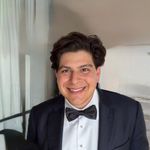 Jamil M. Hakim ’19
CTO and Head of Product, Ceredyn Biotechnology LLC
Growing up in a multicultural family whose work helped shape the field of hydrocephalus care, Jamil M. Hakim developed an early connection to engineering, medicine, and the human brain. At Boston University, he earned his B.S. and M.Eng. in Biomedical Engineering while spending time in the operating room alongside neurosurgeons. That experience gave him a firsthand understanding of the gap between the complexity of human anatomy and disease, and the technologies available to treat them, shaping his pursuit of medical device innovation. Since 2019, Hakim has led the development of the Hakim 3 Programmable Valve System, building on his family’s legacy in hydrocephalus while forging his own path as an engineer and innovator.
Today, as CTO and Head of Product at Ceredyn Biotechnology LLC, Hakim leads the development of next generation hydrocephalus technologies. His work brings together clinical insight and precision engineering to treat Normal Pressure Hydrocephalus, a form of dementia, while improving physical and cognitive well-being and “saving patients from oblivion”. His work takes him between the US and Switzerland, where three generations of hydrocephalus research, BU’s blend of engineering and neuroscience, and the obsessive precision of Swiss micro-mechanics come together in the pursuit of better hydrocephalus care.
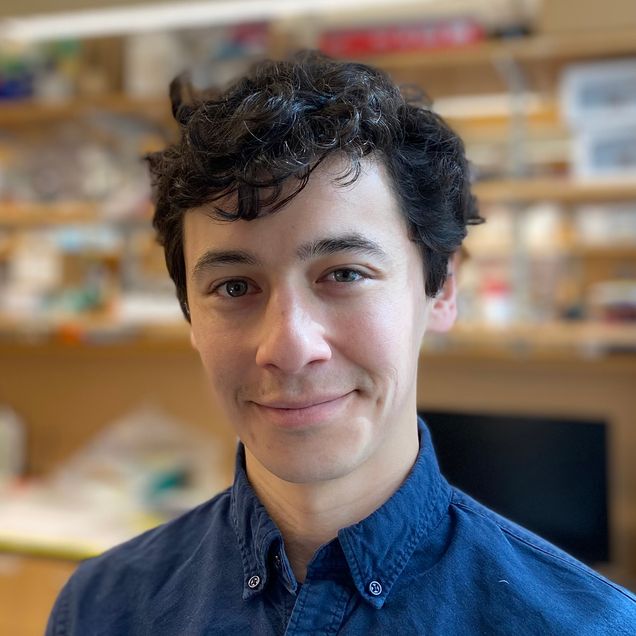
Miguel Jimenez
Assistant Professor, El Microbial Integration Group, Boston University
Miguel Jimenez (BME, MSE) develops living technologies that continuously monitor biology in everyday environments, bringing healthcare beyond the laboratory and clinic. He is an Assistant Professor of Biomedical Engineering at BU, where he leads the Microbial Integration Group. His laboratory engineers living cells into practical devices by combining synthetic biology with materials, microfluidics, and electronics. Current projects include at-home biosensors for blood hormone monitoring and engineered microbial therapies designed to function in the gut. Previously, Jimenez helped lead the development of ingestible bacterial-electronic devices for gastrointestinal disease monitoring. His research aims to transform engineered microbes from laboratory tools into deployable technologies that expand how and where healthcare can be delivered.

Julie Kim
President and CEO, Takeda
Julie Kim is president, chief executive officer (CEO) and representative director of Takeda. She was elected by shareholders and appointed by the Board of Directors in June 2026. Kim joined the company in 2019 through the acquisition of Shire and held several executive-level roles before becoming CEO-elect in 2025. Prior to Takeda, she held roles of increasing responsibility at Baxter, Baxalta and Shire spanning global, regional and country-level roles across a variety of therapeutic areas and markets.
Kim holds an MBA from the J. L. Kellogg Graduate School of Management at Northwestern University and a bachelor’s degree in economics from Dartmouth College.
 Vijaya Kolachalama
Associate Professor, Medicine and Computer Science, Boston University
 Britta Lassmann
Co-Director and Co-Founder, BEACON
Britta Lassmann, MD is an infectious diseases physician and health technology innovator with expertise in overseeing the development of applications at the intersection of clinical care, public health, analytics and technology. She is experienced in different disease tracking methodologies, tools and technologies with an appreciation of the cross-cutting scientific areas that support informal disease surveillance and risk predictions including epidemiology, clinical care, mathematical modeling, analytics, and technology. Dr. Lassmann is a graduate of the Medical University of Vienna, Austria. She completed her residency in Internal Medicine at the Mayo Clinic, Rochester and her fellowship in Infectious Diseases at Yale University. Subsequently, she served as a faculty member in the Division of Infectious Diseases at the University of California, Los Angeles and was the Program Director at the International Society for Infectious Diseases. She is also the co-founder of Global Second Opinion, focused on combining AI and medical expert opinions for rapid online medical specialty expertise. She is American Board-certified in Internal Medicine and Infectious Diseases.

Elise Morgan
Dean, College of Engineering, Boston University
Elise Morgan is dean of the College of Engineering and the Maysarah K. Sukkar Professor of Engineering Design and Innovation at BU. She holds a primary faculty appointment in the Department of Mechanical Engineering, and additional appointments in the Department of Biomedical Engineering and in the Division of Materials Science and Engineering in the College of Engineering, as well as an appointment in the Department of Orthopaedic Surgery in the Chobanian & Avedisian School of Medicine. She was the founding director of the Center for Multiscale and Translational Mechanobiology at BU, and she co-directs the University’s Graduate Training Program in Biological Feedback Control. Prior to serving as dean, she was the College of Engineering’s Associate Dean for Research and Faculty Development.
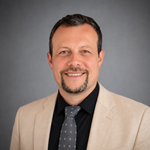
Emre Ozkumur ’08,’09
Vice President of Research & Development, AutoIVF
Dr. Emre Ozkumur is Vice President of Research & Development at AutoIVF, Inc., a company developing innovative medical device technologies that integrate advances in microfluidics, optics, manufacturing sciences, and reproductive biology to meaningfully improve IVF treatment success rates for patients worldwide. He brings 15+ years of experience leading multidisciplinary teams and international partnerships through the full innovation lifecycle — from foundational research through product development, regulatory strategy, and clinical validation. Earlier in his career, Dr. Ozkumur built deep expertise in biosensors, molecular diagnostics, rare cell isolation techniques, and the microfluidic processing of complex biological fluids, developing diagnostic platforms at Massachusetts General Hospital/Harvard Medical School to purify circulating tumor cells from cancer patient blood. He later managed the product development program at a spin-off company commercializing these microfluidic platforms. He holds a Ph.D. in Electrical Engineering from Boston University and dual B.S. degrees in Electrical and Electronics Engineering and Physics from Koç University, Turkey.

Shyamal Patel
Senior Vice President of Science, ŌURA
Shyamal Patel, PhD is the Senior Vice President of Science at ŌURA, where he leads an interdisciplinary organization of over 70 researchers, engineers, and data scientists developing algorithms that translate biosignals into accurate, clinically meaningful measures of health and wellbeing. He oversees the scientific strategy behind the Oura Ring platform and leads a growing portfolio of research collaborations with academic medical centers and large-scale longitudinal studies, positioning ŌURA to contribute continuous, real-world physiological data to advance the understanding of health and wellbeing as well as disease onset, progression, and intervention.
Dr. Patel has nearly two decades of experience at the intersection of wearable sensing, digital biomarkers, and regulated clinical research. During his doctoral and post-doctoral training at Harvard Medical School and the Motion Analysis Lab at Spaulding Rehabilitation Hospital, he conducted pioneering work on wearable sensor-based monitoring of motor fluctuations in Parkinson’s disease and the use of sensor data to optimize deep brain stimulation.
At MC10, Inc., he developed machine learning algorithms for the BioStamp conformal biosensor platform, advancing gait and mobility analysis and contributing to multiple patents and peer-reviewed research validating flexible wearable devices in neurological populations. As Director of Data Science for Digital Medicine and Translational Imaging at Pfizer, he led the development and deployment of novel digital endpoints across neuroscience, oncology, immunology, rare diseases, and infectious diseases in FDA-regulated clinical trials, and supported regulatory interactions with the FDA and EMA.
Dr. Patel holds a PhD in Electrical Engineering from Northeastern University, completed his post-doctoral research at Harvard Medical School and has authored dozens of highly cited peer-reviewed publications

Darren Roblyer
Professor, Graduate Chair (BME), Biomedical Optical Technologies Lab (BOTLab), Boston University
Darren Roblyer (BME, ECE) received a BS in Biomedical Engineering from Johns Hopkins University in 2004, and received his PhD in Bioengineering at Rice University in 2009. He was a Department of Defense Postdoctoral Fellow at the Beckman Laser Institute at the University of California, Irvine studying under Professor Bruce Tromberg prior to joining the faculty at BU in 2012. He is currently a Professor and Graduate Chair in the Department of Biomedical Engineering, as well as a Professor in the Department of Electrical and Computer Engineering at BU. Roblyer’s research is focused on the development of diffuse optical technologies translational applications.
 Shannon Stott
Chair, Biomedical Engineering, Boston University

M. Selim Ünlü
Distinguished Professor, OCN Laboratory, Boston University
M. Selim Ünlü (ECE, MSE, BME) received his BS degree from the Middle East Technical University, Ankara, Turkey, in 1986, and the MSEE. (1988) and PhD (1992) degrees from the University of Illinois at Urbana-Champaign, all in electrical engineering. Since 1992, he has been a professor at BU. He is currently a Distinguished Professor of Engineering appointed in electrical and computer engineering, biomedical engineering, physics, materials science and engineering, and graduate medical sciences. His research interests are in the areas of nanophotonics and biophotonics focusing on high-resolution solid immersion lens microscopy of integrated circuits and development of biological detection and imaging techniques, particularly in high-throughput digital biosensors based on detection of individual biological nanoparticles, viruses, and single molecule counting. Ünlü has authored and co-authored >200 journal articles and holds 25 US/international patents and is a Fellow of IEEE, Optica, and AIMBE. He was awarded the Science Award (2008) by the Turkish Scientific Foundation and in 2021, he was selected as BU Innovator of the Year.