

Program notes
- No GRE required
- Merit scholarships are available, with no additional application needed
- Current BU students + alumni: learn about the Double Terrier scholarship
- International students: This program is eligible for the OPT STEM extension
- 9 months (2 semesters, full-time)
- On-campus (Boston, MA)
What is human-centered design?
Ever used an app that made a simple task needlessly complicated? Or wondered why a healthcare portal was so hard to navigate? Tried an impressive AI tool that didn’t seem to consider what people actually needed from it?
Human-centered designers ask why those experiences fall short and how to make them better. It’s a way of solving problems that starts with people. Instead of beginning with a technology or a product idea, designers first ask what people need, what they’re trying to accomplish, and what’s getting in their way.
Human-centered design uses research, observation, prototyping, and testing to build products, services, and experiences that are useful, accessible, and intuitive.
At BU, you’ll learn to apply this approach to real design challenges and learn to make thoughtful decisions about what to design, and why.
What makes BU’s MS in Human Centered Design different?
Design meets communication.
Most human-centered design programs are housed in engineering, computing, or art and design schools. BU’s is based in a college of communication, and that shapes how you’ll learn.
Alongside UX research, interface design, and product strategy, you’ll learn to communicate your findings, make the case for your recommendations, and work with others to turn ideas into solutions.
Learn the whole design process.
Design is about more than a polished interface. You’ll learn how research, design thinking, prototyping, and product strategy fit together, from spotting a problem to evaluating possible solutions, and how design decisions connect to larger organizational goals.
Bring your own perspective.
You don’t need to have studied design before coming to BU. Whatever your academic or professional background, you’ll bring experiences that can help you see problems in new ways. You won’t leave that behind. You’ll put it to work.
Learn to design with AI while keeping people at the center.
You’ll explore how generative and assistive AI can support research, ideation, and design, and you’ll think critically about its limits and its effects on users. The questions go beyond whether a technology can do something: is it accessible? Can people trust it? Is it usable? Where does human judgment belong?
Build a portfolio that shows how you think.
A finished product is only part of the story. Through coursework and your capstone, you’ll build portfolio work that shows how you approach problems, use research to inform decisions, and develop solutions. You’ll have work to discuss with prospective employers, including the thinking behind your designs.
Is a master’s in human-centered design right for you?
There’s no single path into human-centered design, and you don’t need to know exactly which job you want before you start. This program may be a good fit if:
You’re considering a career change.
You’ve built skills in another field, but you’re drawn to work that brings together people, technology, creativity, and problem-solving. You want a structured way to learn design and build a foundation for a new direction.
You’re graduating from college and exploring what’s next.
You’re curious about how people interact with technology, products, and services. Maybe you studied communication, psychology, business, the social sciences, or something entirely different. You want to turn those interests into practical skills and see where they take you.
You’re already working in design or a related field.
You know one part of the process, but you want a broader understanding of UX research, product strategy, leadership, and communication. You want to build on your experience and approach problems in new ways.
So, why a master’s degree?
A graduate degree isn’t the only way to learn UX or design. Shorter courses, bootcamps, and independent learning can make sense depending on your goals.
BU’s MS in Human Centered Design is a structured, nine-month experience that connects the whole design process. You’ll learn from faculty, apply what you learn through projects, and build a portfolio that demonstrates your skills.
Curriculum: Learn to design from insight to execution
BU’s MS in Human Centered Design is a full-time, 32-credit program completed over two semesters. You’ll take seven core courses and two electives, building skills in user research, design thinking, interface design, prototyping, information architecture, and product strategy. You’ll bring those skills together in a capstone, applying the design process to a client or research challenge.
Core sequence (7 courses, 24 credits)
- Human Centered Design I (4 credits): Start with the foundations of human-centered design. Learn how to understand user needs, define problems, develop a product vision, and apply design thinking to create more inclusive and useful experiences.
- Research Methods in User Experience Design (4 credits): Good design decisions start with good questions. Learn quantitative and qualitative research methods, how to choose the right approach for a problem, and how to turn what you discover into useful insights.
- Ideation + Design Thinking (2 credits): Move from understanding a problem to exploring possible solutions. Generate, evaluate, and refine ideas through design thinking, brainstorming, collaborative workshops, and design sprints.
- User Interface Design + Prototyping (2 credits): Design digital interfaces that are clear, intuitive, and accessible. Explore visual hierarchy, interaction design, usability, and prototyping as you develop and test your ideas.
- UX Writing + Information Architecture (4 credits): The words people read and the way information is organized can make or break an experience. Learn how content, navigation, structure, and language help people understand and use digital products.
- Product Management + Leadership (4 credits): Explore product development, roadmaps, priorities, and stakeholder alignment.
- Human Centered Design II: Capstone (4 credits): Bring together what you’ve learned in a client- or research-driven project. You’ll investigate a problem, develop and evaluate potential solutions, and communicate the reasoning behind your work.
Electives (2 courses, 8 credits)
Choose two approved graduate electives to explore areas that interest you, such as:
- Data Visualization
- Design Strategy & Software
- Design & Interactive Experiences
- Interactive Marketing Strategy
- Design & Art Direction
- Brand Experience Marketing
- Media Theory, Law & Policy
Elective availability and enrollment may depend on prerequisites or instructor approval.
Put what you’ve learned to work.
Your capstone brings together what you’ve learned through a client or research challenge. You’ll take on the questions that human-centered designers face: What’s the real problem? Who’s affected? What do we need to learn? What solutions are worth exploring? How will we know whether they work?
The result is a substantial project that shows how you take a design challenge from start to finish, plus work you can add to your portfolio and discuss with prospective employers.
What can you do with a master’s in human-centered design?
Human-centered design brings together skills that organizations use to create better products, services, and experiences.
Tech companies need people who understand how users interact with digital products. Healthcare organizations need more intuitive patient experiences. Financial services, education, government, and other industries face similar challenges. And as AI becomes part of more everyday experiences, understanding how technology affects people matters more and more.
BU’s program prepares you to explore careers across UX design, research, product development, and strategy. Depending on your interests, experience, and career goals, possible paths include:
UX + product design
- UX designer
- UI designer
- Product designer
- Product strategist
- Design strategist
- Product manager
- Customer experience (CX) strategist
- Service designer
Research, usability + content
- UX researcher
- Design researcher
- Usability analyst
- UX writer
- Information architect
- Content designer
These roles don’t all have the same entry requirements. Some are natural starting points for people entering the field, while others typically require additional professional experience. What connects them is the ability to understand people, make informed decisions, and contribute to better products and experiences.
A note about career outcomes: This is a new program, so we don’t have graduate employment outcomes yet. The curriculum is designed to develop skills relevant to these fields.
Learn from faculty who bring different perspectives to design
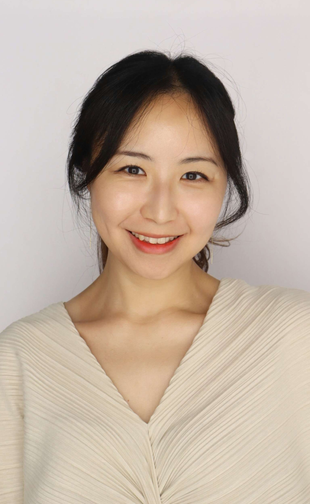
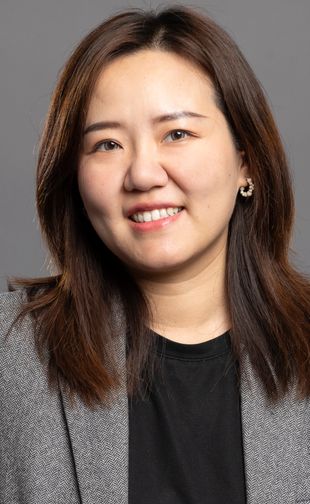
You’ll study with faculty whose expertise spans user research, media science, product design, communication, strategy, and interactive experiences. That mix reflects the interdisciplinary nature of the field and lets you look at problems from more than one angle. You’ll also draw on the resources of Boston University, where technology, communication, business, and the social sciences intersect.





Study human-centered design in Boston
Boston is where new ideas move between research, technology, business, and everyday life. The city is home to organizations in healthcare, biotech, education, robotics, financial services, AI, and other fields where designing for people matters.
As a student, you’ll study where questions about technology and human experience are being explored across industries, with access to BU’s wider academic community and resources. It’s a fitting place to study a field built around how people live, work, learn, and interact with the world.
Merit scholarships are available, with no additional application required. Eligible BU students and alumni may also qualify for the Double Terrier scholarship.
Ready to explore our program?
Have questions about the curriculum, applying, or whether the MS in Human Centered Design is right for you? We’re happy to help.
Questions? Contact us at comgrad@bu.edu.
Frequently asked questions about the MS in Human Centered Design
What is human-centered design?
Human-centered design is an approach to solving problems that begins with understanding the people affected by them. Designers use research, observation, ideation, prototyping, and testing to create products, services, and experiences that better meet people’s needs. It’s used in fields from technology and healthcare to education, financial services, and public services.
Do I need a design background to apply?
No. BU’s MS in Human Centered Design welcomes applicants from a wide range of academic and professional backgrounds. You might have studied communication, psychology, business, engineering, sociology, computer science, fine arts, the humanities, or something else. You might also be working in another profession and considering a change. The curriculum is designed to give students from different backgrounds a foundation in human-centered design.
Can I transition into human-centered design without previous experience?
Yes, it’s possible to enter human-centered design from another academic or professional background, although career transitions take preparation and the job market can be competitive. BU’s program is designed to build relevant skills in user research, interface design, prototyping, information architecture, and product strategy. Your previous experience may be an advantage, especially when it helps you understand the needs of people in a particular industry or setting.
Is a master’s in human-centered design worth it compared with a UX bootcamp?
That depends on your goals. Bootcamps can be a good way to learn specific design tools and techniques in less time. BU’s MS in Human Centered Design is a broader graduate experience that connects UX research, design, product strategy, and communication. You’ll also complete a capstone and develop portfolio work that shows how you solve problems.
If you want a structured way to study the full design process, a master’s degree may be a good fit.
How long does BU’s MS in Human Centered Design take?
Nine months. You’ll earn 32 credits through nine courses over two full-time semesters, starting in the fall.
Is this program offered online?
No. The MS in Human Centered Design is a full-time, in-person program based in Boston.
What will I have in my portfolio when I graduate?
You’ll build portfolio work through coursework and your capstone. The emphasis is on showing how you approach a problem: the questions you ask, the research you do, the ideas you explore, the decisions you make, and the solutions you develop. Your capstone brings those pieces together in a substantial client- or research-driven project.
Will I learn how to use AI in design?
Yes. The program covers the role of generative and assistive AI in human-centered design. You’ll look at how AI can support parts of the design process, along with questions about usability, accessibility, ethics, and human judgment. The focus is on using emerging technologies thoughtfully while keeping people’s needs at the center of the work.
What jobs can I pursue with a master’s in human-centered design?
The degree develops skills relevant to UX design, user research, product design, information architecture, UX writing, usability, and experience strategy. Specific opportunities depend on your previous experience, interests, portfolio, and each employer’s requirements. Some product management and leadership positions generally require additional professional experience.
Is BU’s MS in Human Centered Design STEM-designated?
Yes. The program is STEM-designated. Eligible international students may qualify for up to 36 months of Optional Practical Training (OPT), including the 24-month STEM OPT extension, subject to federal eligibility requirements.
Are scholarships available?
Yes. BU College of Communication offers merit scholarships to eligible graduate students, and no separate scholarship application is required. Current BU students and alumni may also be eligible for the Double Terrier Scholarship.
Visit our Tuition, Scholarships, and Financial Aid page for current information.
What are the application requirements?
Applicants must have a bachelor’s degree from an accredited institution. No GRE is required, and applicants from all academic backgrounds are welcome.
Application materials include an online application, transcripts, a résumé or CV, and a letter of recommendation. Review the current graduate application instructions for complete requirements.
Why study human-centered design at a college of communication?
Because designing a good solution is only part of the work. Designers also need to understand human behavior, communicate research findings, explain decisions, collaborate with teams, and advocate for users. At BU’s College of Communication, those skills are part of the training alongside UX research, design, and product strategy. You’ll learn not only how to develop a solution, but how to explain why it makes sense.
Also worth exploring
Learn more about our other graduate programs in communication and media, including:
- MS in Advertising: For students interested in audience insight, brand strategy, creative concepts, and advertising campaigns rather than designing products and user experiences.
- MS in Media Science: Focuses on data-driven research into how media messages influence audiences and communication effectiveness. It’s an excellent fit for students drawn to research, analytics, and media strategy rather than digital product design.
- MA in Emerging Media Studies: Explores how emerging technologies shape human behavior, communities, institutions, and society. It’s a strong fit for students interested in social science research and the broader impacts of technology rather than designing digital products and interfaces.