

Program notes
- No GRE required
- Merit scholarships are available, with no additional application needed
- Current BU students + alumni: learn about the Double Terrier scholarship
- International students: This program is eligible for the OPT STEM extension
- 9 months (2 semesters, full-time)
- On-campus (Boston, MA)
What is human centered design?
Good design often starts with noticing what isn’t working. The app that takes six steps when it should take two. The healthcare portal that leaves patients confused. The AI tool that can do something remarkable but isn’t designed around the people expected to use it. Human-centered designers notice those friction points and figure out how to design a better way.
Human-centered design is an approach to creating products, services, and experiences that starts with understanding the people who will use them. That’s exactly what you’ll learn to do: research users, identify needs, generate ideas, prototype solutions, test experiences, and lead product development.
Whether you’re coming directly from college or pivoting from another profession, you’ll build the design, research, and product skills to turn insights about people into products and experiences that feel intuitive, solve real problems, and fit the way people actually live and work.
What makes BU’s MS in Human Centered Design different
- A communication foundation. Great designers don’t just create solutions. They have to explain why those solutions work. At COM, storytelling, persuasion, and communicating decisions are part of how you’ll learn to design, not skills that are bolted on afterward. You’ll learn to advocate for users, explain your thinking, and bring stakeholders along with you.
- Learn the whole design process. You’ll move from understanding users and defining problems to generating ideas, prototyping solutions, testing experiences, and leading product development. You’ll graduate understanding how the pieces fit together, not just how to execute one part of the process.
- Put people at the center of AI. AI is changing both what designers create and how they create it. You’ll learn to use generative and assistive AI thoughtfully while considering the people affected by the products, systems, and decisions it helps shape.
- You don’t have to already be a designer. Human-centered design benefits from different perspectives. Whether your background is in the humanities, social sciences, communication, engineering, business, or something else entirely, you’ll bring what you already know to the design process and learn how to apply it in new ways. What matters is your curiosity about people, technology, and how the two can work better together.
- A portfolio that shows how you think. In less than a year, you’ll build a portfolio that goes beyond polished final products—it’ll demonstrate how you research, think, solve problems, make decisions, and turn ideas into solutions.
Curriculum: Learn to design from insight to execution
Over two semesters, you’ll build expertise in UX research, interface design, prototyping, information architecture, product strategy, and leadership, then bring those skills together through a client-facing capstone.
Core sequence (7 courses / 24 credits)
- Human Centered Design I (4 credits): Build your foundation in human-centered design. Learn to define product vision, apply user research, and use design thinking to create empathetic, inclusive experiences.
- Research Methods in User Experience Design (4 credits): Develop expertise in quantitative and qualitative research methods and learn how to choose the right approach for the questions you’re trying to answer.
- Ideation + Design Thinking (2 credits): Turn insights into possibilities. Generate and evaluate creative solutions to complex problems through structured brainstorming, design sprints, and collaborative workshops.
- User Interface Design + Prototyping (2 credits): Design intuitive, accessible digital interfaces using principles of visual hierarchy, interaction design, and usability, then bring your ideas to life through prototyping.
- UX Writing + Information Architecture (4 credits): Shape how users navigate, understand, and interact with products through both structure and language. Explore content strategy, microcopy, taxonomy, and information architecture.
- Human Centered Design II (Capstone) (4 credits): Bring everything together in a client- or research-driven project that applies the full design process to a real challenge. The result becomes a centerpiece of your portfolio.
- Product Management + Leadership OR Leadership Communication (4 credits): Choose the course that best fits your goals. Build skills in product roadmaps, backlog management, and stakeholder alignment, or strengthen your ability to use storytelling, negotiation, and communication to lead cross-disciplinary teams.
Electives (choose 2 courses/8 credits)
Tailor your expertise with graduate electives such as:
- Data Visualization
- Design Strategy & Software
- Design & Interactive Experiences
- Media Theory, Law & Policy
- Interactive Marketing Strategy
- Design & Art Direction
- Brand Experience Marketing
Put human-centered design into practice
Your final capstone brings the design process together around a client or research challenge. You’ll investigate a real problem, develop and test potential solutions, and communicate the thinking behind your decisions, creating a portfolio project that shows employers not just what you can design, but how you approach complex problems.
Career outcomes: what can you do with a master’s in human-centered design?
Human-centered designers are the people asking, “Who is this for, and what do they actually need?” Across technology, healthcare, education, financial services, government, and emerging AI sectors, organizations need people who can answer those questions, and turn what they learn into better products and experiences.
The career outlook is strong, too. The U.S. Bureau of Labor Statistics projects employment for web developers and digital designers to grow faster than the average for all occupations over the next decade—one indicator of continued demand for professionals who can create effective digital experiences.
Graduates are prepared for roles such as:
- Product Designer
- Product Strategist
- UX/UI Designer
- UX Researcher
- UX Strategist
- Product Manager
- Design Researcher
- Design Strategist
- Information Architect
- Content/UX Writer
- Customer Experience (CX) Strategist
- Usability Analyst
- Service Designer
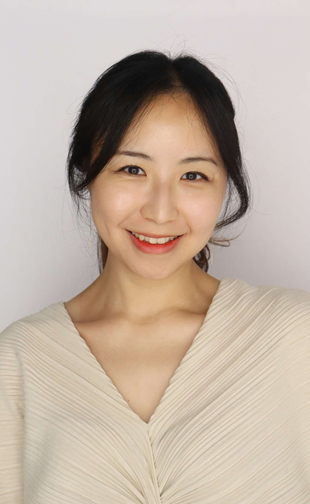
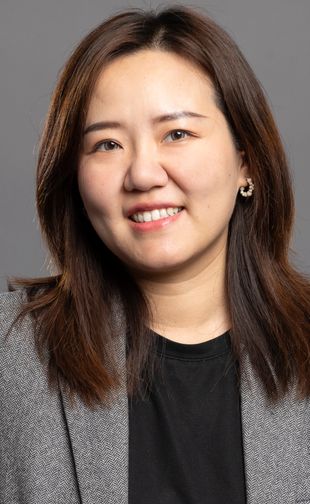
Learn from industry-connected faculty
Great products aren’t built by one discipline. Neither is this program. You’ll learn from faculty whose expertise spans UX research, product design, media science, strategy, communication, and interactive design. You’ll see the same problem in different ways—through the lens of a researcher, designer, strategist, storyteller, or product leader—and bring those perspectives together in your own work.





Study in Boston: Surround yourself with innovation
Boston brings together some of the world’s leading organizations in healthcare, biotech, AI, education, financial services, robotics, and technology—all fields where understanding people is essential to creating products and experiences that work.
You’ll study in a city where researchers, designers, entrepreneurs, and organizations are developing new products, technologies, and experiences for patients, customers, students, employees, and communities, giving you opportunities to connect what you’re learning with human-centered design in practice. For a human-centered designer, Boston is more than a place to study. It’s a place to see what’s next and learn how to help design it.
Ready to apply?
Learn more about application requirements and deadlines, or start your application.
Frequently asked questions about the MS in Human Centered Design
What is human-centered design?
Human-centered design is an approach to solving problems that begins with understanding the needs, behaviors, and experiences of the people you’re designing for. It combines research, strategy, design, testing, and iteration to create products, services, and experiences that are useful, accessible, and effective.
Do I really not need a design background to apply?
No design background is required. We welcome applicants from the humanities, social sciences, business, engineering, fine arts, and beyond. The curriculum is designed to help students from varied backgrounds build strong design and research skills from the ground up.
How long is the program?
Two semesters. Nine months. Nine courses, 32 credits, and a portfolio that shows how you think and design.
Is this program STEM-designated?
Yes. International graduates are eligible for the 36-month OPT extension to work in the U.S. after graduation.
What is the difference between this degree and a UX bootcamp?
A UX bootcamp typically focuses on building practical design skills over a short period of time. BU’s MS in Human Centered Design goes deeper, combining user research, interface design, information architecture, product strategy, leadership, and communication within a comprehensive graduate degree. You’ll learn not just how to use design tools, but how to make research-informed decisions, communicate your thinking, and lead products from idea to implementation.
Is this program offered online?
No. The MS in Human Centered Design is an intensive, on-campus program in Boston, giving students access to collaborative learning, hands-on project work, and BU’s design and research resources.
Also worth exploring
Learn more about our other graduate programs in communication and media, including:
- MS in Advertising: For students interested in audience insight, brand strategy, creative concepts, and advertising campaigns rather than designing products and user experiences.
- MS in Media Science: Focuses on data-driven research into how media messages influence audiences and communication effectiveness. It’s an excellent fit for students drawn to research, analytics, and media strategy rather than digital product design.
- MA in Emerging Media Studies: Explores how emerging technologies shape human behavior, communities, institutions, and society. It’s a strong fit for students interested in social science research and the broader impacts of technology rather than designing digital products and interfaces.