
Lead Meaningful Change in Education
Shape policy and research to improve education for all with a Master’s in Educational Policy Studies. Through coursework and direct research experience, this Master of Arts (MA) will prepare you to conduct policy-relevant research related to early childhood, K–12, and higher education.
Students in the educational policy master’s program benefit from the program’s location in Boston, which provides direct access to state education agencies, the legislature, major research and advocacy organizations, and one of the country’s largest urban school districts, making real-world policy engagement a natural part of the experience. This program includes an optional, rigorous capstone project to demonstrate what you’ve learned about research methods, policy analysis, and policy systems and processes.
Program Features
Complete your Master’s in Educational Policy Studies in one year full time or two years part time. Full-time students must start in the fall, while part-time students can start in fall or spring.
Understand Policy Research and Research Methods
Address key issues like student achievement, graduation rates, and teacher retention through rigorous research. Unlike many policy programs, the master’s in education policy combines rigorous quantitative training with hands-on policy research partnerships—and puts you in the middle of Boston’s education policy ecosystem from day one.You’ll discover how policies are formed, implemented, and evaluated, and gain experience conducting relevant research. You’ll also learn how to maximize the impact of your work when you share it with academics, policy makers, and the public.
Complete a Capstone Project
Investigate a pressing issue in education or child policy through an optional applied research project that you design yourself. You’ll engage in research at BU or at an external organization such as a research firm, advocacy group, or nonprofit. The result is a professional-quality project that proves your ability to inform policy and practice.
Who Is This Program For?
The Master’s in Educational Policy Studies at BU Wheelock is designed for individuals seeking to turn analytical insight into meaningful impact on education systems through research, policy, and practice. It brings together students from diverse backgrounds interested in improving education systems through evidence-based approaches, such as:
- Recent college graduates with a background in economics, political science, or social science who want to launch a career in education research or policy
- Mid-career educators or administrators looking to move into research, advocacy, or policy roles
- Analytically minded applicants who want to apply quantitative skills to real education problems
- Professionals already working in nonprofits, government, or school districts who want to deepen their policy and research toolkit
“I’ve learned so much during my time at BU Wheelock. I’ve had the opportunity to build real-world connections with policy makers here and further discovered where I can make the most impact as a future policy maker.”

Career Outcomes in Educational Policy Studies
Improve the lives of students, children, and families with a robust understanding of education policy and research. This impact-oriented educational policy degree prepares you to:
- Analyze and discuss the effects of existing federal, state, and local educational policies
- Prepare and analyze data
- Conduct research on education and child policy topics
- Disseminate research results to multiple audiences
Alumni in Educational Policy Studies
When considering education policy master’s programs, it’s important to look at student outcomes. Graduates of our Master’s in Educational Policy Studies utilize their expertise in research methods and policy analysis in a variety of professions. They lead in research-focused roles in state education agencies, school districts, research firms, think tanks, foundations, and education-focused nonprofits, among other settings.
Recent graduates of the education policy master’s have gone on to roles at the National Council on Teacher Quality, RTI International, the Wheelock Educational Policy Center, the Massachusetts House of Representatives, the Rennie Center for Education Research & Policy, and the Texas Comptroller’s office, as well as continuing on to doctoral programs. The program also has a strong pipeline into Boston Public Schools, where multiple alumni work in research, data, and policy coordination roles.
They hold a variety of job titles, including:
- Education policy researcher/research analyst
- Policy analyst
- Data analyst
- Research associate
- Education policy advisor
- Legislative analyst/policy specialist
- Program officer
- Policy advocate
- Program analyst or program associate
- Education policy consultant
- Grants analyst/foundation officer
“There are so many supports throughout BU Wheelock, and I feel like I have a village of mentors that are advocating for me.”

Featured Faculty
The faculty of BU Wheelock’s Master’s in Educational Policy Studies are nationally recognized scholars who are deeply engaged in policy-relevant research on a range of education policy topics. They also regularly partner with state and local education agencies to evaluate existing policy and inform future policies.
-
Joshua Goodman
Professor
Program Director, MA in Educational Policy Studies -

Olivia Chi
Assistant Professor
-

Stephanie Curenton
Director, Center on the Ecology of Early Development (CEED)
Professor and Program Director, Child Policy certificate -

Nathan Jones
Associate Dean, Research
Professor -
Ariel Tichnor-Wagner
Senior Lecturer
-
Marcus A. Winters
Chair, Educational Leadership & Policy Studies
Professor
Faculty Director, Wheelock Educational Policy Center -

Kyle DeMeo Cook
Clinical Assistant Professor
-

Jo R. King
Assistant Professor

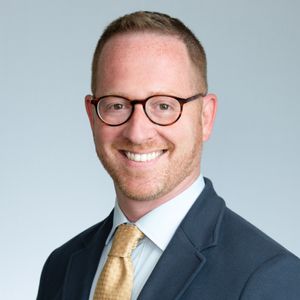
Dr. Joshua Goodman is the director of the Master’s in Educational Policy Studies program at BU Wheelock, as well as an associate professor of education and of economics. He served as a senior economist on the White House’s Council of Economic Advisors during the 2022–2023 academic year. He is a faculty affiliate of the Wheelock Educational Policy Center (WEPC), and his work has been featured by the New York Times, the Washington Post, and National Public Radio.
Educational Policy Studies Courses
The Master’s in Educational Policy Studies offers a flexible curriculum that includes core courses in policy and research as well as guided elective coursework in K–12 education policy, child and family policy, and higher education policy. You’ll also choose from several advanced research electives. Elective options include:
- Teacher and School Leader Policy in the K–12 Sector
- Economics of Education Policy
- Child and Youth Advocacy
- Family and Community Engagement
- History and Foundations of Higher Education
- Legal Issues in Higher Education
Related Programs
The MA in Educational Policy Studies is the most research-focused of our education policy master’s programs. If you’d like to dive deeper into leadership and advocacy, consider the programs below.
EdM in Educational Leadership (PreK–12)
Impact PreK–12 education through leadership, policy, and analysis roles at the local, state, and federal level. This program features everything you’d find in a master’s degree in education administration, with a greater emphasis on leadership and policy.
Includes flexible licensure and non-licensure options.
MA in Leadership, Policy & Advocacy for Early Childhood Well-Being
Influence the systems that impact young children (birth to 8 years) and families through careers in policy, leadership, education, human services, health care, and beyond. This fully online program features core coursework in policy, research, psychology, leadership, and advocacy.
Child Policy Graduate Certificate
With the certificate in child policy, you’ll strengthen your knowledge of child, youth, and family policy to work on behalf of children (ages 0–12) and adolescents (ages 13–20) being served in education, health, or juvenile justice settings.
Scholarships Available
Don’t let funding keep you from pursuing an education policy degree. Boston University’s funding options can make it happen. Our education policy master’s programs are eligible for merit-based scholarships.
Admissions & Dates
Fall & Spring 2027
Aug 3, 2026
Application Opens
Spring 2027 Start
Dec 15, 2026
Application Closes
Fall 2027 Start
Jan 15, 2027
Priority Deadline
Fall 2027 Start
Aug 1, 2027
Application Closes
Connect with BU Wheelock to learn more about the MA in Educational Policy Studies. Learn about application requirements and deadlines, sign up for an information session, or start your application today.
Frequently Asked Questions
A Master’s in Educational Policy Studies prepares you for roles like policy analyst, research associate, or education consultant. Graduates work in government, nonprofits, think tanks, and school systems to evaluate policies and improve outcomes. This degree is ideal if you want to influence education at the system level.
You’ll build skills in policy analysis, research methods, and data interpretation. The curriculum combines coursework in education systems and research, preparing you to evaluate policies and communicate findings effectively. You can tailor your studies to K–12 education policy, child and family policy, or higher education policy.
No—students in education policy master’s programs come from a range of backgrounds, including public policy, social sciences, and education. What matters most is your interest in using research and data to improve education systems, advance equity, and drive meaningful change.
Our Master’s in Educational Policy Studies focuses on using research and data to evaluate policies and improve education systems. You’ll apply your work in education settings and policy contexts, connecting coursework to practice. Educational leadership programs, by contrast, prepare you to manage schools or organizations, with an emphasis on administration and day-to-day operations.