Support Core on Giving Day: What’s on your Bookshelf?
For Giving Day 2026, we compiled a list of recommended books from around the Core community. Alumni, faculty, and current students all submitted to the form below to create this list. As always, we are grateful for your continued support and happy reading!
Click on any book cover to see what Core faculty, students, and alumni had to say about their recommendation.
“While this short story collection is genre fiction, Le Guin always uses sci-fi and fantasy to explore history, language, biology, etc. always with an eye to understanding the human condition.” –Chase (CAS ‘25)
– Steve (CAS ’13)
“I LOVED Core, but often struggled grasping the work of theorists (philosophy was not my strong suit). Being able to not only understand, but enjoy this text reminds me of how far I’ve come on my educational journey.” –Carrie (CAS ‘22)
“Core taught me to read Taoist texts through a Western, critical lens. We read the Tao Te Ching together, and it fundamentally shifted my philosophical orientation. More than that, it made me proud of my Chinese upbringing in a new way. It helped me trace my roots, to understand why I move through the world so easily, and to connect that ease to something metaphysical.
Watching the Artemis II launch reminded me of how vast the universe is, how the planets and deep space exist and move in ways that genuinely defy imagination. In that awe, I returned to the Zhuangzi, the second most foundational text in the Taoist canon. What struck me, and has stayed with me, is this: “虚己以游世” to empty oneself and wander through the world.
We live in an era consumed by war, media noise, and the quiet violence of comparison. And yet against the full arc of the universe’s history, we are no more significant than plankton in an ocean we cannot see the edge of.
When we release the self, something opens. Spontaneity becomes possible. And only through spontaneity do we find real freedom: the kind that holds steady in a world that never stops changing.” – Yijuan (Rachel) (CAS ‘20)
“Lovers of Homer’s Odyssey should pick up Ocean Vuong’s first full-length collection of poetry, Night Sky With Exit Wounds. Vuong defies the canonical narrative by crafting multiple Odysseus’ who do not complete their hero’s journey. Instead of a traditional homecoming, one of Vuong’s Odysseuses deserts his family, another is imprisoned, while a third returns home, dead. Meanwhile, Vuong’s Telemachus struggles to understand what traits, memories, and legacies he inherits from his absent father, all while on a journey of self-discovery in a bewildering twenty-first century America.” – Prof. Vahamikos
“The recent death of a childhood friend’s father prompted me to pick up this book again, which opens with this sentence: ‘In my family, there was no line between religion and fly fishing.’” — Dr. Becker
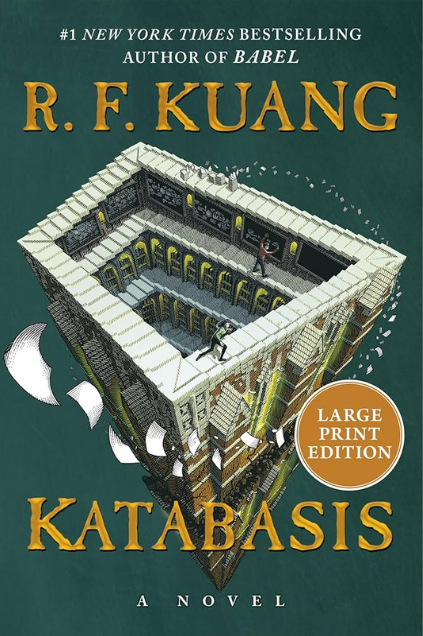
“Katabasis builds on Dante and Milton and a lot of ideas about the underworld. It’s a book about two grad students descending into the underworld to bring back their PHD advisor. References to so many Core philosophers and stories!” – Netiva (CAS ‘25)
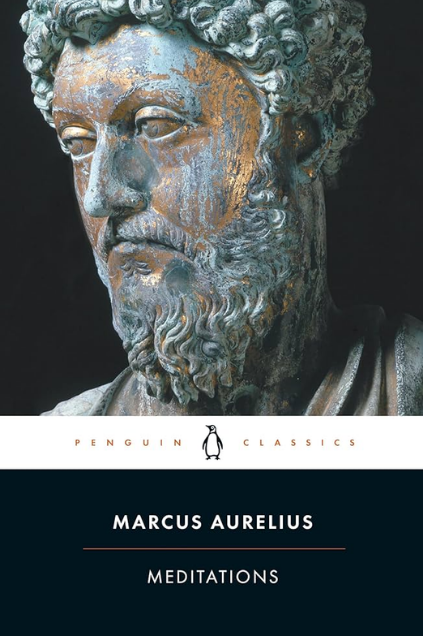
“Meditations analyses the stoic perspective on ‘The Way’ which I think would provide a new contrasting view on happiness. Generally it follows the musings of a Roman emperor and his relationship towards power and responsibility.” – Brandon (CAS ‘25)
“T.S. Eliot’s poetry, specifically ‘The Waste Land’ and ‘The Love Song of J. Alfred Prufrock’ contains a wide range of literary references. This includes the works of Dante, Homer, Virgil, and Shakespeare. He takes these works and fashions them into an art form that can, as he describes, be ‘an expression of an age which had sufficiently lost all form to feel the need of something stricter’. Including allusions to the Sibyl at Cumae, Ophelia’s fragmented final song, the sighs and lamentations of Hell, a now verbal Lazarus, and so much more, Eliot’s reimaginings allow him to mold the works to reflect modern society and ‘make it new’.” – Lara (CAS ‘27)
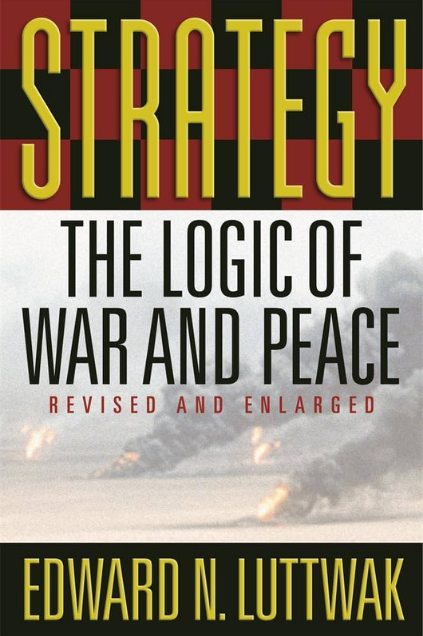
“This book does a good job at explaining modern conflicts and the concept of strategy as something that can be applied to things outside of war. The term “strategy” comes from the renaissance, making it a fit for CC201 and CC202.” – Alejandro (CAS ‘27)
“Good Omens, by Neil Gaiman and Terry Pratchett, engages with key themes found in the Christian Gospels, Dante’s Divine Comedy and Milton’s Paradise Lost–and is absolutely hilarious. If you want a take on Heaven, Hell, Armageddon and human nature that also includes ruminations on really poor infrastructure planning, the meaning of the word “nice,” computer warranties, and just how many times one might want to watch The Sound of Music, this book is for you.” – Prof. Klancer
“You don’t need me to answer that, you can read and think.” – Talene (CAS ‘04)
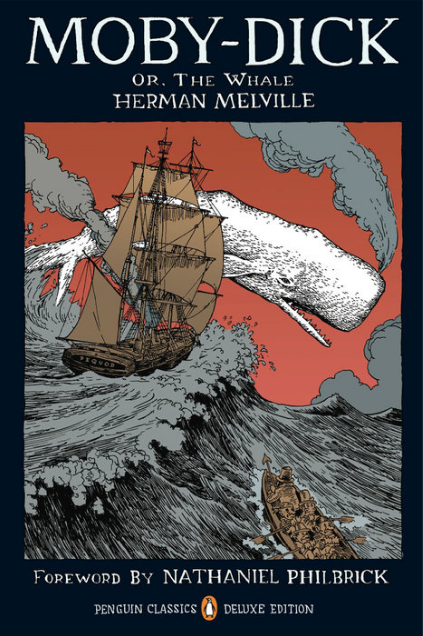
“In addition to being an epic tale of adventure and revenge, Moby-Dick is a fascinating patchwork of a novel featuring a vast array of literary genres and offers a profound meditation on perception and the drives that power the human soul—the search for novelty, friendship, wonder, fear, and daring.” – Natalia (CAS ‘26)
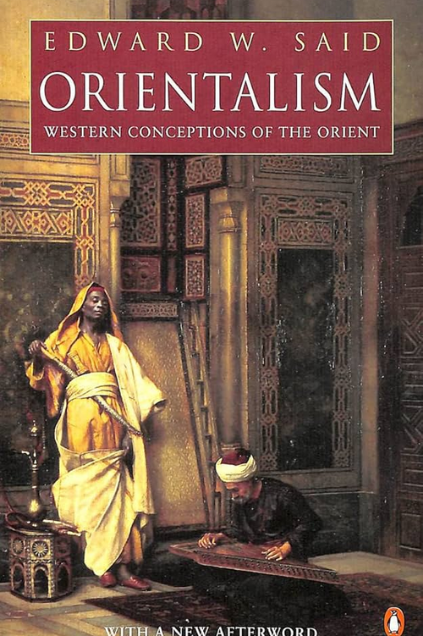
“Connected with CC222, it is a great book that takes on the problem of colonialism or “orientalism” and how it has seeped into the deepest foundations of western identity, offering new perspectives and a way to heal and open your mind.” – Jaala’Nnette (CAS ‘26)
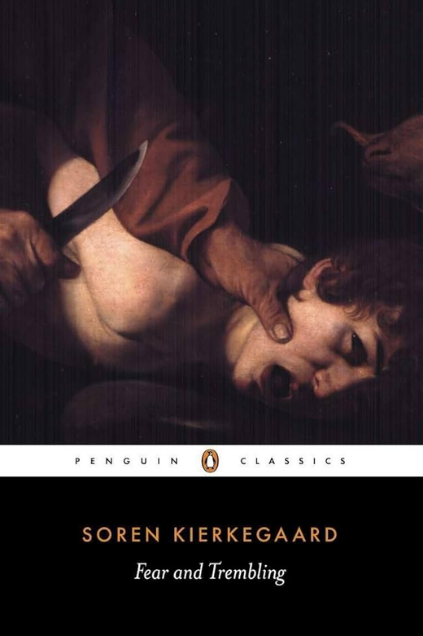
“My favorite core-inspired book lately is Kierkegaard’s Fear and Trembling! The different retellings of the Abraham story and the reflections on Greek tragedy connect with CC101 in such a cool way.” – Juliet (CAS ‘26)
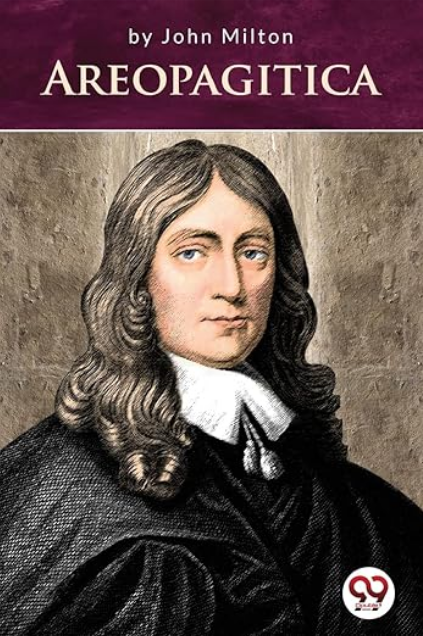
“Both [Areopagitica and Paradise Lost by John Milton] are very compelling, though in different ways. He was a contemporary of both Hobbes and Locke, and his defense of freedom of expression and freedom of worship/belief remain powerful reads even now.” Prof. McConville
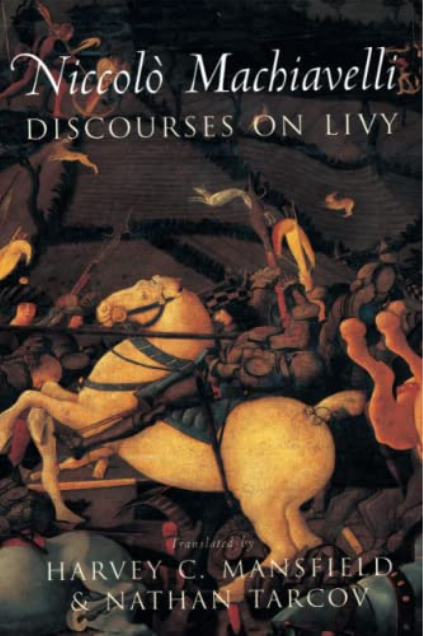
“I think it would relate to CC221 (or whenever we read The Prince) because it provides a different perspective on Machiavelli and his philosophy. Machiavelli analyzes Roman history to extract lessons for contemporary politics and it highlights his republican sentiments. This book read with the prince provides fascinating insight into the mind of the OG political philosopher.” – Charlize (CAS ‘25)
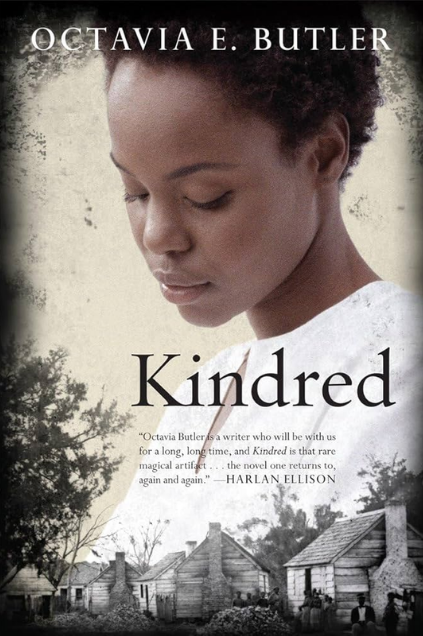
“Related to CC221, Kindred is a modern book written in the 80s but it has her time traveling back to slavery and includes a lot of complex themes about what enslavement means.” – Josephine (CAS ‘26)
“This was my favorite book of this year, although it is from 2022. It is as if one man lived through the strivings and drama threading throughout the books we read in CC202. Born in 1799, Cashel Ross encounters not only the Shelleys in Pisa, but also fights at Waterloo, and sails across the Atlantic to a young America. A great historical fiction filled with true historical events.” – Prof. Hamill
“This book gets you thinking about how women are depicted and written in Epics and the things we read in Core like The Odyssey and Ajax. Telling the great stories we’re familiar with but from a perspective we don’t normally get the full story from. It would fit in great with CC101 and CC102.” – Sophia (CAS ‘27)
“This book pokes fun at the canon in hilarious yet pointed ways. It is a book about the power of stories and the consequences of
being marginalized by stories. About a Native American community in Minnesota, and some of our best-known literary figures.” – Liz (CAS ‘02)
“A book I read recently that I would recommend to Core students, especially students who took the natural science classes, is Project Hail Mary by Andy Weir. Project Hail Mary is a really fun mix of science and fiction. The story covers astronomy and biology (from CC111), as well as special relativity and climate change (from CC212). I also highly recommend the audiobook, which includes sound effects that really enhance the “reading” experience.” – Dr. Stevens
“Circe reimagines the life of the Greek mythological sorceress, telling the story from her perspective as a powerful, complex woman finding her own path. We cover traditional mythology in Core and I think that this is an imaginative, insightful tale from the other side the story.” – Celia (CAS ‘99)
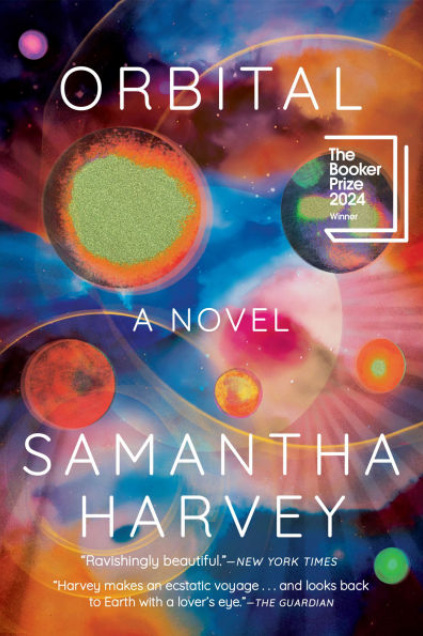
“It follows six astronauts from all over the world as they travel through space, focusing on their lives and how they connect to earth. I found the way it reflects their experiences in space back to humanity and the planet to be similar to how CC212 covers a wide array of scientific topics and then has us draw it back into the modern world. Allowing you to think about the world and climate around you through both a scientific and human lens.” – Cassandra (CAS ‘26)
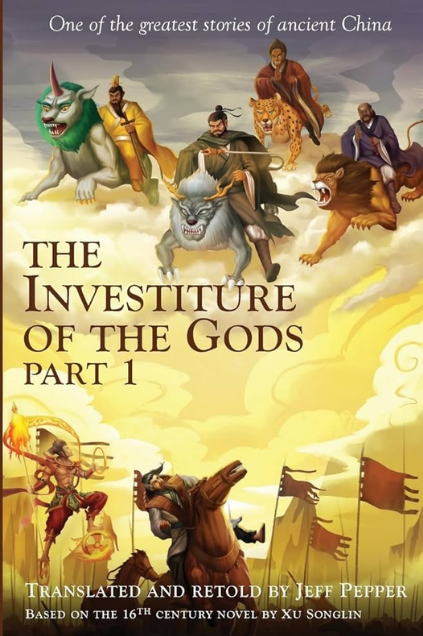
“This book is related to CC102 and it is a Daoist influenced book from the Ming Dynasty. It has very Daoist themes but is much more incorporated with very local Chinese deities and beliefs like demons and spirits. It is about the mythical fall of the Shang Dynasty and transition into the Zhou Dynasty. I like it as a book because it is an interesting reflection of what is a popular novel of the time and the ways people interpret the philosophies.” –Faye (CAS ’29)
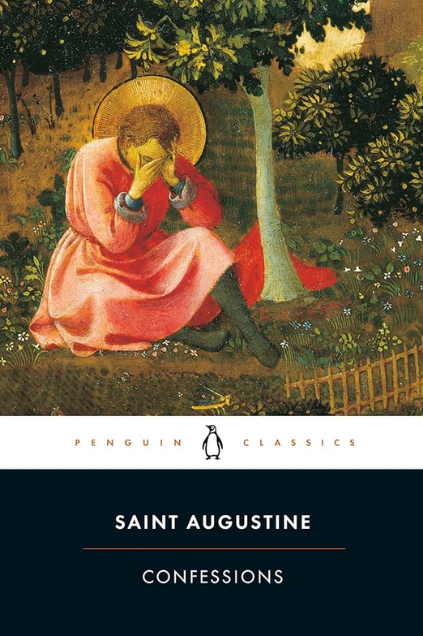
“Augustine’s Confessions, written in the late fourth century A.D., details his movement from classical paganism to dualist Manichaeism to Neoplatonism and, ultimately, to Christianity. I’ve always thought this book would make a great addition to CC102 because it illustrates the potential link between Greco-Roman thought and Christianity that helped inspire Dante. It’s also an extremely personal work—one of the first and most frank autobiographies in the western tradition. I get to teach it every other year in my Decline and Fall course and continue to learn new things about the later Roman empire through Augustine.” – Prof. Samons
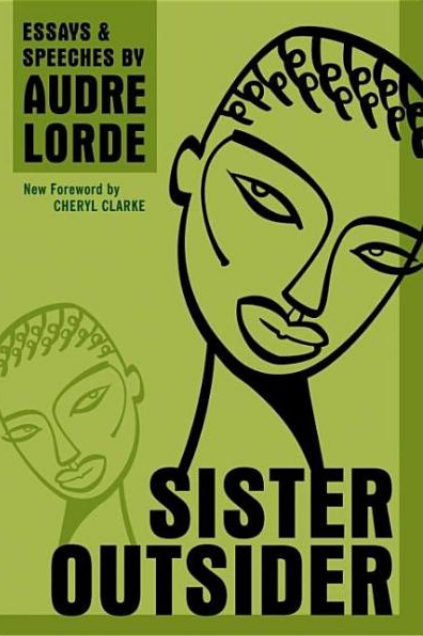
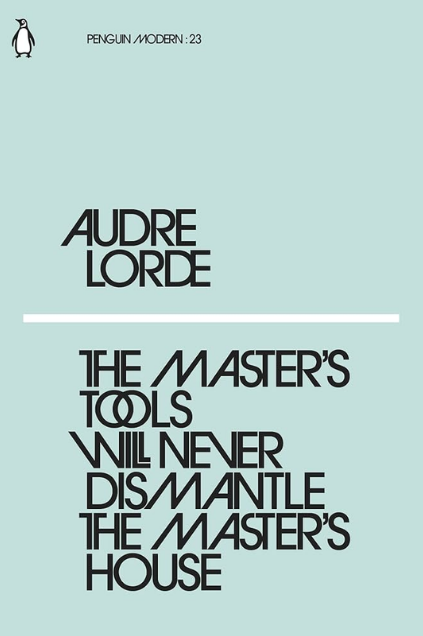
“[The Masters Tools Will Never Dismantle the Masters House] would be an excellent extension of CC202 and the enlightenment period/rise of positivism. It contends with intersectionality, critical race theory, and gender theory. Would fit right in CC222.” – Netiva (CAS ’25)
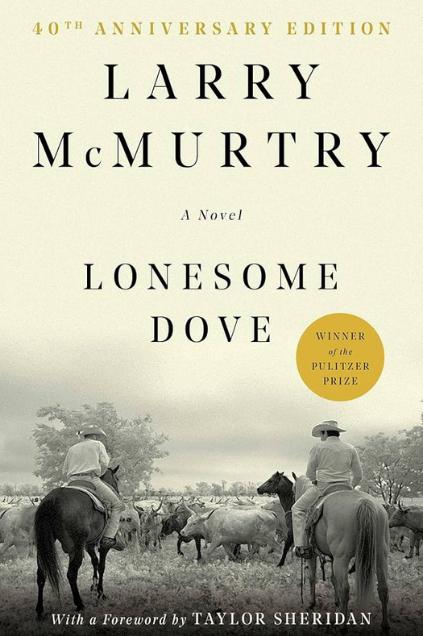
“Larry McMurty’s Lonesome Dove amply deserves the Pulitzer Prize it received in 1986. This story of cattle-drivers headed north from the Mexican border when the plains were still unsettled is by turns lyrical, brutal, and affecting. The writing is powerful and evocative. The book has made me think of my home state of Oklahoma in an entirely new light. Will Patton’s narration on the audiobook is pitch-perfect.” – Prof. Johnson
“A vision of America that connects socially and in spirit with Core books such as Whitman, Vergil, de Tocqueville.” – Prof. Jorgensen
“A book to pair well the Core Curriculum it would be Ovid’s Metamorphoses, specifically for CC101 or CC102. I think the discussions it has about mortality, the relationship between gods and humans, humanity vs nature, love and destruction, fate, and the overall idea that the universe is always transforming is already in conversation with the works we’re reading about.” – Caroline (CAS ’29)
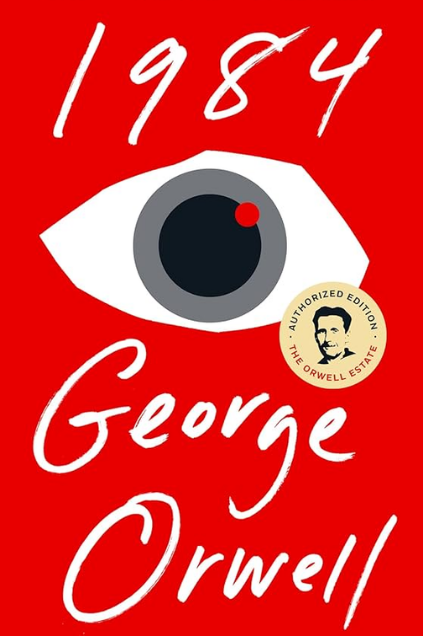
“1984 by George Orwell would fit well into CC202 because it’s definitely more modern but talks about issues that have and will persist throughout humanity, especially now with conspiracies gaining more traction and attention regarding hypothetical surveillance states. We can learn a lot about totalitarianism and the dystopian genre in general. I think it’s a good example of a misunderstood yet incredibly famous novel, and has a lot of good philosophical ties to other authors like Descartes.” –Kelsey (CAS ’28)
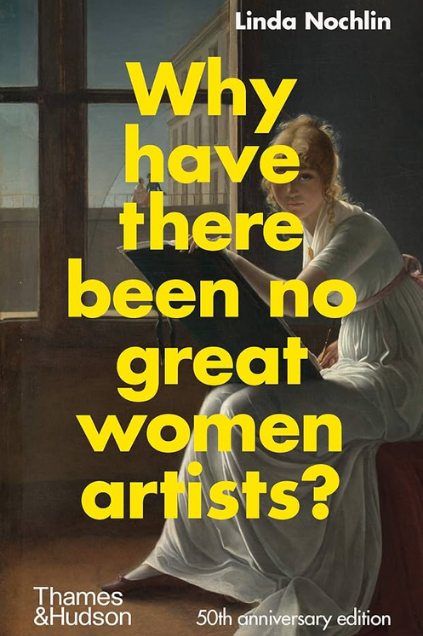
“This book touches on so many of the same topics as CC221 & 222 with an art historical focus! Second-wave feminist analysis of the many factors that have prohibited women from achieving traditional “success” and equality in many fields (art included). Highly recommend for those that enjoy Judith Butler and talking pretentiously about art with their friends.” –Mollie (CAS ‘25)
“One recommendation I’ve been inspired by Core to keep on my shelf is the Indian epic Mahabharata. This epic contains the Bhagavad Gita, a Core text studied in CC102. The Mahabharata is a story between two sibling clans and the triumph of good over evil on the battlefield despite a rigged system. The moral of the story is that being stay true to yourself and not sacrificing your morality, brings you good cosmic karma. The universe rewards you and your family to be stronger and braver than before.” –Krishn (SAR ‘26)
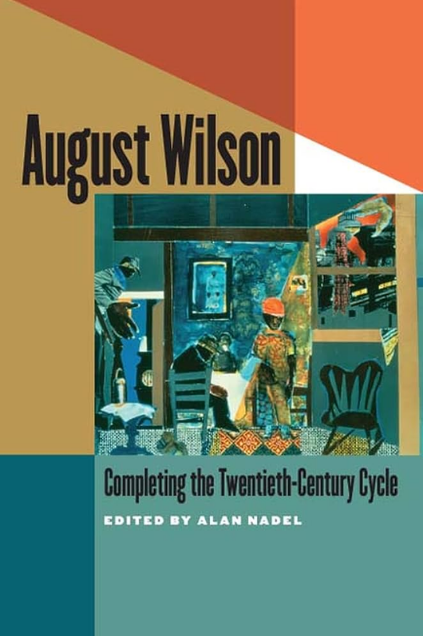
“‘The Century Cycle,’ also known as ‘The Pittsburg Cycle,’ is a series of plays by August Wilson, written between 1982-2005. The cycle consists of ten plays, each one set in a different decade of the twentieth century. Through them, Wilson offers a series of snapshots of African-American life between 1900 and 2000. This is one of the most ambitious dramatic projects ever conceived, and, to my mind, these plays together constitute the greatest dramatic achievement of any playwright in the history of American theater. Standouts include Fences and Ma Rainey’s Black Bottom: if Core ever develops a humanities course that extends into the twentieth century, I would definitely want both of those plays on the syllabus.” – Prof. Walsh
“A core inspired book on my shelf is A Picture of Dorian Gray by Oscar Wilde. This text could be connected to CC 201 and the lectures on Michelangelo’s Sistine Chapel and Rembrandt’s self-portraits. The novel is a cautionary tale which highlights the tension between aestheticism and morality. There’s a huge component of vanity, hedonism, and conflict between appearance vs. reality. I’d say that it connects to our day and age!” – Diana (CAS ’24)
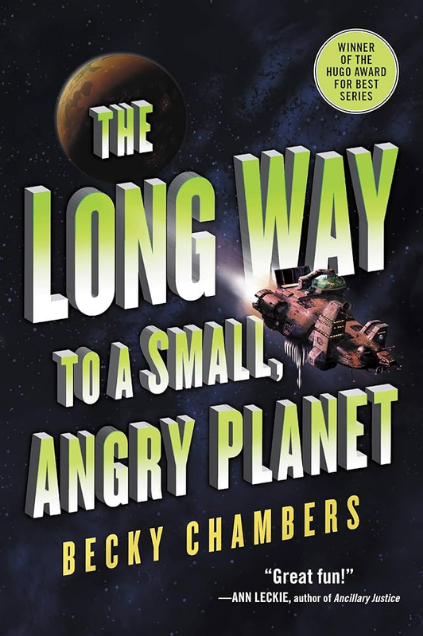
“I would suggest The Long Way to a Small, Angry Planet and A Closed and Common Orbit by Becky Chambers. One of the themes of CC 222 is that we should be critical of the ways in which social categories are consolidated and naturalized, and I love the way that feminist science fiction, especially, makes that theme visible. The Becky Chambers books are easy to read and super fun, but they have great insights about the formation of gender and sexuality!” –Prof. McDonough
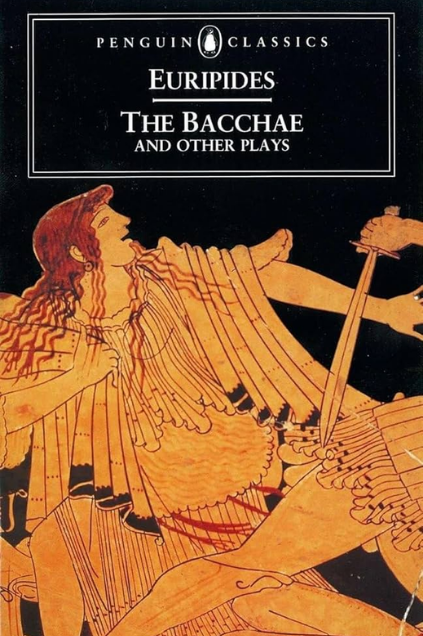
“Since CC101 talks a lot about the role of civilization and the wild/divinity, it seems like a great fit!” –Ayushi (QST ’28); The Bacchae, Euripides, Trans. Philip Vellacott, Penguin Classics
“Folks, please go read Mikhail Bulgakov’s The Master and Margarita! Set in 1930s Stalinist Soviet Russia, with a parallel plot taking place in Yerushalaim, this novel features a demonic trio visiting Moscow, a love story that manages simultaneously to allude to Dante’s Divine Comedy and Goethe’s Faust, a controversial portrait of Pontius Pilate tortured by a migraine, and satirical takedowns of hacks, liars, and sycophants.” — Professor Gapotchenko (CAS ’02); The Master & Margarita, Mikhail Bulgakov, Trans. Diana Burgin & Katherine Tiernan O’Connor, Vintage
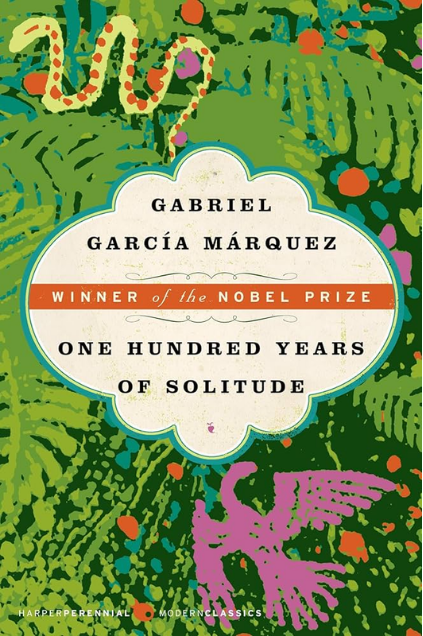
“After all the classics and social science, why not treat yourself to a modern novel! And I think no novel better than A Hundred Years of Solitude exemplifies the universal human experience of creating oneself and oneself’s downfall via self-administered solitude based on the conditions of your upbringing. It also is very fun with phenomenal ice-melting prose.” — Sebastian (COM ’27, CAS ’27)
What's On Your Bookshelf?
As part of our Giving Day campaign, Core would like to compile a list of book recommendations from members of the Core community. Fill out the form below and look out on our website and social media for recommendations from fellow students, alumni, and faculty.