[NOTE: The listings below marked in GREEN are still waiting to be updated for Summer 2026. If you are interested in a particular field school, please contact them directly for new 2026 details]
GREECE
Workshop for the Conservation of Metal (Island of Zakynthos, Greece)
Dates: June 7-20, 2026 Application deadline: May 7, 2026
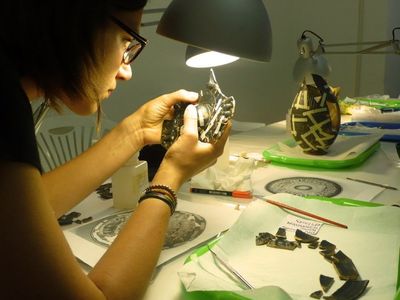
The workshop provides participants with comprehensive knowledge and hands-on experience in metal conservation. Documentation and scientific analyses (optical microscopy & XRF, XRD) will also be presented. Participants will document original materials and work on replicas. Visit the Ecclesiastical Museum, Archive and Library of Zakynthos – optional tours to the top beaches of the island and the world-famous Shipwreck (Navagio) beach.
Artifacts & monuments in the project’s focus:replicas and objects from ecclesiastical and folklore museums in Greece
Project venue & accommodation: Ionian University – Department of Environment(I.U). Participants stay in a beachfront hotel in Zakynthos, located 8-10 minutes by bus from Ionian University.
Academic coordinator: Assoc. Prof. Christos Karydis (Conservator, Ionian University)
Field school coordinators:Dr. Angela Pencheva (Balkan Heritage Foundation & Field School Program Director)
Lecturers: Dr. Adamantia Panagopoulou– Conservator of Antiquities; Post-Doc Researcher in archaeological materials at Barcelona University in Spain with ‘NCSR’ Demokritos in Greece; Leiden University in the Netherlands.
Field School Dates: June 07 – 20, 2026
In 2026, the Workshop for Interventive & Preventive Conservation of Metal will again be hosted by the Ionian University – Division Conservation of Antiquities & Works of Art in Zakynthos island(Greece). It provides a unique opportunity for students and volunteers to gain comprehensive knowledge and hands-on experience on the conservation and preservation of organic and inorganic artifacts. Participants will be guided through the history and technology of ecclesiastical, historical and ethnographic metal objects and consequent stages of their study, conservation and documentation. Both the theoretical and practical courses will take place at the labs of the Division Conservation of Antiquities & Works of Art at the Ionian University. During the project weeks, participants will work with metal objects. The project includes three modules:practical work in the documentation and restoration of metal;lectures, training, study visitsandexcursions to the Ecclesiastical Museum of St. Dionysius.
Refer to the Course description and Workshop agenda below.
By the end of the workshop, the participants will:
Be able to develop basic practical skills (depending on the participant’s initial level of qualification) in metal conservation treatments.
Become acquainted with the basic methods of all the required documentation for the conservation of metal using graphic software, as well as photo documentation.
Learn about the forms, types, traditions and technology of the manufacture of metal.
Get acquainted with different case studies for preventive conservation of inorganic materials.
Meet professionals working in the field of conservation in Greece.
GREECE
Archaeological Soil and Sediment Micromorphology Course (Athens, Greece)
Dates: June 15-19, 2026 (Application deadline January 15, 2026)
An intensive week-long course in Archaeological Micromorphology is offered by the Malcolm H. Wiener Laboratory for Archaeological Science. Dr. Panagiotis (Takis) Karkanas, Director of the Wiener Laboratory, and Dr. Paul Goldberg, Senior Visiting Professor, Institut für Naturwissenschaftliche Archäologie (INA), University of Tübingen, will lead the course. The program will primarily focus on deciphering site formation processes and micro-stratigraphy. Students will receive instruction in optical mineralogy, description, and interpretation of micromorphological thin sections based on analysis of soil fabrics and sedimentary microstructures.
Deadline for applications: January 15, 2026 Applicants will be notified by March
The course will take place from June 15 – 19, 2026, in Athens, Greece.
Archaeological Soil and Sediment Micromorphology Course
Training will include the study of: Soils and pedogenic processes; Natural processes in archaeological sites (e.g. water and debris flows, wind-blown sediment, standing water sediment); Biological sediments (e.g., dung, coprolites, guano); Anthropogenic processes (e.g., burning, stabling, living and constructed floors, dumping and filling, trampling, raking, building materials); Post-depositional alterations (e.g., chemical diagenesis, bioturbation).
A maximum of 9 students will be accepted for the course. Preference is given to advanced students with a background in geoarchaeology, and preferably some exposure to optical mineralogy as well. Participants who successfully complete a course of instruction will receive a certificate detailing the content of the course.
Cost
Training fee is 500 euros ($550 USD) for the entire week. Accommodation is not provided, but we will offer recommendations and assistance to course participants in order to arrange accommodation themselves.
Application
Applications should be submitted no later than January 15, 2026 via theonline application form. An application will include a brief cover letter outlining the candidate’s background and interest in participating in the course, a CV, and names and email addresses of two referees. Referees might be contacted for references after the application deadline, if necessary. Applicants will be notified in March. Link to online application form
For further information or questions: Contact Dr. Panagiotis (Takis) Karkanas at TKarkanas@ascsa.edu.gr.
GREECE
Geoarchaeology Field School (Athens, Greece)
Dates: May 30 to June 5, 2026 (Application deadline January 15, 2026) Applicants will be notified before the end of February
The Malcolm H. Wiener Laboratory for Archaeological Science in collaboration with the American School’s Agora Excavations offers afull week-longField School on Site Formation, Stratigraphy, and Geoarchaeology in the Athenian Agora.
Description
The Malcolm H. Wiener Laboratory for Archaeological Science in collaboration with the ASCSA Excavations at the Athenian Agora offers a full week-long Field School on Site Formation, Stratigraphy, and Geoarchaeology in the Athenian Agora. Dr. Panagiotis (Takis) Karkanas, Director of the Wiener Laboratory, and Dr. Paul Goldberg, Senior Visiting Professor, Institut für Naturwissenschaftliche Archäologie (INA), University of Tübingen will supervise the intensive field school.
Registered students will be involved in interdisciplinary field research in the Athenian Agora primarily focused on archaeological context, geoarchaeology, and material sciences. Through field observations, laboratory analysis, and lectures, students will receive instruction in the study and analysis of archaeological sediments and deposits, as well as gain experience in the recording of stratigraphy and the understanding of site formation processes.
A maximum of 12 students will be accepted for the course. Preference is given to advanced students and post-docs with a background in archaeology, and preferably some exposure to the natural sciences. Participants who successfully complete a course of instruction will receive a certificate detailing the content of the course.
Textbooks:Reconstructing Archaeological Sites2019 by Panagiotis Karkanas and Paul Goldberg (Wiley Blackwell),Practical and Theoretical Geoarchaeology, 2nd edition2022 by Paul Goldberg, Richard I. Macphail, C Carey, and Y Zhuang (Blackwell), andMicroarchaeology2010 by Stephen Weiner (Cambridge University Press).
A syllabus will be emailed three weeks before the start of the field school.
Costs
Training fee is 500 euros ($550 USD) for the entire week. Accommodation is not provided, but we will offer recommendations and assistance to course participants in order to arrange accommodation themselves. The course will take place from May 30 – June 5, 2026. Travel costs to and within Athens are not included.
Application
Applications should be submitted no later than January 15, 2026 via theonline application form.
Applications will include a brief cover letter outlining the candidate’s background and interest in participating in the course, a CV, and names and email addresses of two referees. Referees might be contacted for references after the application deadline, if necessary. Applications for the International Field School will also submit a list of grades (unofficial transcript) as part of the application. Applicants will be notified before the end of February.
For further information or questions: Contact Dr. Panagiotis (Takis) Karkanas at TKarkanas@ascsa.edu.gr.
GREECE
CORINTH EXCAVATION PARTICIPATION: Call for Excavation Supervisors for the 2026 Season at Ancient Corinth
Call for Excavation Supervisors for the 2026 Season at Ancient Corinth APPLICATION FORM IS NOW CLOSED.
The Corinth Excavations of the American School invite applications from advanced graduate students to serve as supervisors during the spring 2026 field season. The season is divided into three four-week sessions, each comprising three weeks of excavation and one week of analysis, synthesis, and clean-up. Session I will run from April 5 to May 1; Session II from May 3 to May 29; and Session III from May 31 to June 26. Applicants may request to stay for one or more sessions.
At Corinth, experienced local workers are entrusted with most of the actual digging, while supervisors are expected to maintain a synchronous record of the fieldwork with the aid of the iDig app. Supervisors work with the Director and Associate Director in processing the context pottery and other small finds from their area and in producing a synthetic report on their area at the end of each session.
Excavation in 2026 will continue in the area northeast of the theater, where work was initiated in 2018. For information on the most recent season,click here. Reports on previous seasons appear in Hesperia 89 (2020) pp. 125-190; Hesperia 90 (2021) pp. 773-818; Hesperia 92 (2023) pp. 355-404.
Accommodations are provided in the two guest houses of the excavation compound and meals are provided 5 days a week.
Review of applications will begin January 15, 2026, and will continue until the positions are filled. APPLICATION FORM IS NOW CLOSED.
A complete online application should consist of the following parts:
A completed online application form, with the materials requested below.
Letter of Interest.
CV.
Names and email addresses for two referees. Referees might be contacted for references after the application deadline, if necessary.
Acknowledgement of health considerations. Check the box on the application form to acknowledge that you have read and understood the “Health Considerations.”
Additional information about the Corinth excavations can be found here
Applicants who apply by January 15 can expect to receive notification after February 15, 2026.
GREECE
EXCAVATIONS IN THE ATHENIAN AGORA VOLUNTEER PROGRAM SUMMER SEASON
Agora Excavation Volunteers
The American School of Classical Studies at Athens conducts a program for volunteers wishing to participate in the archaeological excavations of the Athenian Agora during the summer. Approximately fifteen to twenty-five volunteers are chosen on the basis of academic qualifications and previous archaeological field experience. Both advanced undergraduate students and graduate students are eligible, although priority is given to graduate students preparing for careers in classical archaeology. Open to all nationalities.
Dates: June 6 to July 31, 2026. Application Deadline: December 8, 2025
Work of the Volunteer Staff
The Volunteer Staff will participate in all aspects of the archaeological fieldwork under the supervision of a staff of field archaeologists and technical experts, all of whom have extensive field experience and advanced academic training in classical archaeology. Volunteers will be trained in the basic techniques of excavation: working with various tools; cleaning and investigating stratigraphy; delicate cleaning of artifacts in the ground; sifting of excavated earth and techniques of flotation; washing and basic conservation of pottery and other objects; clerical work involved in the keeping of excavation records, among other duties. Volunteers will also receive training in various scientific methods and techniques. Tasks will be assigned in rotation, and volunteers are expected to participate in all of them. Room and a modest allowance for board are provided for the time volunteers are working at the excavations. Travel arrangements to and from Greece are the responsibility of each volunteer.
If you were a participant during a previous Agora Excavation season, see below for more information about applying.
The Summer Season
The excavations are planned for eight weeks,June 6 to July 31, 2026. Fieldwork is in progress Monday through Friday, from 7 a.m. to 3 p.m. with a 30-minute break at midmorning; some post-excavation duties will run until 5 p.m. Volunteers are expected to be on the site during these hours and to work at the excavations for a minimum of six weeks (though preferences is given to volunteers who can stay for the whole period).
Living Accommodations
Members of the Volunteer Staff will be provided with living accommodations in Athens at no cost during the time they are working for the excavations. Small groups of volunteers will be assigned to shared rooms in rented apartments in the Pangrati district of Athens, a short distance from the American School, approximately a 30-minute walk from the excavations. No provisions can be made for spouses or roommates unless they are also accepted as volunteers in their own right.
In addition, a modest expense allowance, consisting of the Euro equivalent of approximately $120 per week, will be paid to each volunteer in order to cover the cost of meals.
Those persons who are already resident in their own accommodations in Athens are welcome to apply for the program and will receive the same expense allowance as other volunteers, although no rebate for their housing is possible.
Applicants chosen to participate in the program will be expected to make their own travel arrangements between their country of origin and Greece (if not already resident in Greece).
ABOUT THE EXCAVATIONS
The American School of Classical Studies has been excavating in the area of the Athenian Agora since 1931, bringing to light the history of the area over a period of 5000 years. Finds range from scattered pieces of pottery of the late Neolithic period (ca. 3000 BC) to the contents of 19th and early 20th century basements. The Agora of the 5th and 4th centuries BC has been the main focus of attention. Scholars have identified the often scanty material remains on the basis of ancient references to the Agora as the center of civic activity of ancient Athens. Public documents inscribed on stone, weight and measure standards, and jurors’ identification tickets and ballots reflect the administrative nature of the site, while traces of private dwellings in the area immediately bordering the open square, with their household pottery and other small finds, throw light on the everyday lives of Athenian citizens.
After the initial phase of excavation, the area was landscaped and the Hellenistic Stoa of Attalos was rebuilt to serve as museum and workspace. The reconstruction, under the authority of the Department of Restorations of the Greek Ministry of Education, was paid for by American donors. Excavations at the Athenian Agora by the American School are ongoing.
The Athenian Agora Excavations and Study Center are funded by the American School of Classical Studies at Athens, with major support from numerous foundations, institutions, and individuals. The work of excavating began in the 1930’s with the substantial support of John D. Rockefeller, who also funded the reconstruction of the Stoa of Attalos (1953-1956) to serve as the site museum with storage facilities. In recent years the work has been supported by the David and Lucile Packard Foundation and the Packard Humanities Institute. Other key supporters include the Samuel H. Kress Foundation, the Ford Foundation, the National Endowment for the Humanities (NEH), the Andrew W. Mellon Foundation, Princeton University, Stavros Niarchos Foundation, and Randolph-Macon College, among others. Millions of dollars have been provided in support of the excavation, restoration, research, and publication of
one of the most productive archaeological projects in the Mediterranean basin. In recent years the Packard Humanities Institute has also collaborated in a large project to digitize the vast collection of antiquities and archives stored in the Stoa of Attalos, a project supplemented by grants from the European Economic Area (EEA) and the Gladys Krieble Delmas Foundation.
TThe American School of Classical Studies at Athens conducts a program for volunteers wishing to participate in the archaeological excavations of the Athenian Agora during the summer. Approximately thirty-five volunteers are chosen on the basis of academic qualifications and previous archaeological field experience. Undergraduate applications are welcome, although priority is given to graduate students preparing for professional careers in classical archaeology and those willing to work the entire season.
Applicants can expect to receive notification before 1 March 2026.
GREECE
ARCHAEOLOGICAL CONSERVATION INTERNSHIPS IN THE ATHENIAN AGORA
The Agora Excavations Conservation Laboratory of the American School of Classical Studies at Athens is offering two Archaeological Conservation Internships for the 2026 summer excavation season.
DEADLINE: December 15, 2025
About the Internship
The Agora Excavations Conservation Laboratory of the American School of Classical Studies at Athens is offering two Archaeological Conservation Internships for the 2026 summer excavation season. The Conservation Laboratory functions as an integral part of the American School of Classical Studies at Athens’ Agora Excavations. Its aim is to support the excavations by providing services that contribute to the study and understanding of the site.
Interns will have an opportunity to treat freshly excavated archaeological finds and to participate in an active on-site conservation laboratory. Under the supervision and guidance of the Agora Conservation staff, interns will carry out general conservation duties including: examination and analysis of artifacts; documentation; cleaning; reconstruction; restoration; and photography of artifacts from the current excavation and from storage. In this way, interns will be able to work with a variety of materials including ceramics, stone, glass, copper alloys, iron, lead, bone and occasionally ivory and wood. An introduction to the re-treatment, preventive and long-term care of archaeological collections will also be provided.
Applicants must currently be enrolled in a graduate or equivalent conservation program, or they must have recently completed their studies in conservation. Successful candidates are required to obtain their own medical insurance for the duration of their internship. Successful candidates are also responsible for their travel arrangements to and from Athens, Greece and for arranging their own accommodation. A modest expense allowance of 150 Euros per week, and a housing allowance consisting of the Euro equivalent of approximately $200 per week (up to $1600 for 8 weeks and upon submission of receipts – payments will be made in Euros depending on the currency rate) will be provided for each intern during their internship. Those persons who are already resident in their own accommodations in Athens are welcome to apply for the program and will receive the same expense allowance, although n
o refund for their housing is possible.
Internships may vary in length from 6 to 8 weeks and are undertaken from early June to early August. Applicants should indicate in their application their approximate preferred dates within this time frame.
Application
Applicants will complete an online application by the deadline (December 15, 2025).
Internships may vary in length from 6 to 8 weeks and are undertaken from early June to early August. Applicants should indicate in their application their approximate preferred dates within this time frame.
To apply, submit anonline application. Applications require two confidential letters of recommendation, which will be solicited through the application portal and must arrive by the deadline, 15 December 2025.
Applicants can expect to receive notification before 1 March 2026.
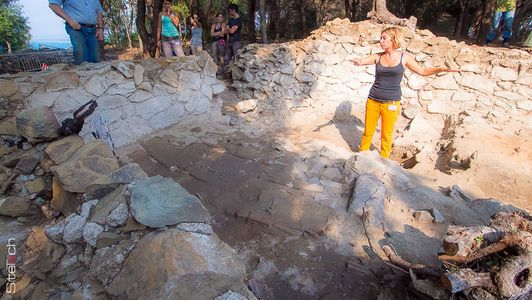
This summer course offers students the unique opportunity to actively participate in the excavation of one of the most prominent sanctuaries of the Aegean, situated on the uninhabited islet of Despotiko, west of Antiparos, in the center of the Cyclades. Systematically excavated since 2001, this sanctuary -dedicated to Apollo-, proved to be almost as rich as the well-known sanctuary on the sacred island of Delos in its architectural development and its dedications.
While unveiling the history and the different phases of ritual activity at this important Cycladic sanctuary, the participants will be introduced to archaeological fieldwork methods and theory. In particular, the excavation will focus on the exploration of a number of edifices not only within the sacred precinct, but also outside of it. An oval or apsidal building of the 8th century B.C., which represents the earliest construction of the site up to date, presents special interest. The interpretation of its character and function is crucial for reconstructing the earliest ritual practices at the site.
The sanctuary attracted numerous votive dedications of various types. This gives students the opportunity to familiarize themselves with a variety of artifacts of different materials and types covering a wide chronological range extending from the Early Iron Age (9th-8th c. BC) to the Classical period.
During the first three weeks of the course, students will reside in the village of Agios Georgios on Antiparos, from where they will be transported daily by a boat at the excavation site on Despotiko. During these weeks, they will study and experience the entire excavation procedure. They will be taught the basic methods of stratigraphical excavation, onsite documentation, recording and processing of the finds. The work at the site will be combined with a number of afternoon lectures and activities at the village, including the detailed documentation of daily activities at the site, the preparation of architectural plans and, more importantly, keeping the excavation diary.
Afternoon lectures will cover the theoretical issues concerning archaeological theory and methods; the various types of archaeological evidence with a focus on the material from Despotiko; ancient religious practices and rituals; the birth and development of Greek sanctuaries and, in particular, those in the Cyclades. The aim of these lectures is to enable students to fully comprehend the purpose of systematic excavation and to place the sanctuary and its material culture into its theoretical context.
The last week of the course will be spent on the island of Paros, where students will work in the storage rooms of the Archaeological Museum of Paros with material from the site. There, they will be trained at the detailed processing of the finds, mostly of pottery, figurines and other minor objects. They will therefore become acquainted with the process, which enables the detailed study, interpretation and publication of the excavated material. They will be taught archaeological drawing and photography, necessary tools for the study of the objects.
The work at the museum will be supplemented with afternoon classes, focusing on pottery and various clay finds. Students will be provided with necessary information on the main Greek pottery production centers, the clay, the shapes, uses and dissemination of Greek ceramics. The discussions will be adapted to the nature of the finds processed at the museum.
Project director: Yannos Kourayos, Director of Excavation at Despotiko, Greek Ministry of Culture
Join us for the 2026 season of excavations on Keros, the largest settlement and earliest maritime sanctuary of the Early Bronze Age (2800-2200 BC) in the Cyclades, Greece, and receive training in up-to-the minute micro-excavation techniques and digital recording technologies.
Background of excavations:Until recently, the island of Keros and the adjacent islet of Dhaskalio were the centre of a Bronze Age mystery. Looting in the 1950s and excavations in the 1960s revealed a strange site where broken Early Cycladic marble figurines and other prestige items had been found. Only in very recent years have we begun to understand the nature of this completely unique site.
In 2006-2008, excavations led by Prof Colin Renfrew of the University of Cambridge, defined the nature of the sanctuary and settlement, which feature large and imposing buildings. In 2012-2013, the Keros Island Survey helped us understand the occupation of the rest of the island of Keros and the 2015 survey on the nearby island of Naxos the nature of the wider maritime networks within which Keros was situated. Meanwhile, excavations on Dhaskalio in 2016-2018 revealed extensive monumental walling, an entrance stairway into the site, and extensive metal working.
The construction operation on Dhaskalio would have required a controlled master plan, involving the coordination of a substantial workforce operating under some form of authority. The scale and complexity of the construction project, such as the building of terrace walls and other architectural features, suggest the involvement of at least some skilled labourers and the need for organizational oversight. Given the challenges posed by the rugged terrain and limited resources on the island, the successful execution of such a project would have demanded careful planning, efficient resource management, and coordination among various labour teams. Moreover, the presence of elaborate architectural structures and infrastructure, as evidenced by the terrace walls and other built features, indicates a level of engineering expertise and sophisticated construction techniques. The existence of a some sort of authority overseeing the construction efforts is implied by the cohesive and systematic nature of the building operations. Such an authority would have been responsible for devising the master plan, allocating resources, directing labour teams, and ensuring the co-ordinated completion of construction tasks.
Renfrew first defined the importance of metalworking for understanding what he termed ‘the emergence of civilisation’ in the Aegean in the third millennium BCE. The importance of Keros for metalworking had been apparent for some time, after the analysis of slags collected on the Kavos Promontory in 1987, north of the Special Deposit North. Surprisingly, these slags turned out to be the product of two different smelting processes: ore had been brought from wherever it had been mined (presumably in the western Cyclades) and smelted on Kavos Promontory. This is the only known smelting site in the Cyclades located at a significant distance from ore sources: the normal practice was to smelt near the mines, thus reducing considerably the volume of material, from raw ore to smelted metal. That this was done on Kavos Promontory, in an open area suitable for people to gather, which suggests a public performance of the metalsmiths’ skill. Interestingly, Kavos Promontory was also the location of production of obsidian blades, also potentially in a public act, linking the production of obsidian and metal as resources imported mainly from the western Cyclades). The evidence for metallurgy and obsidian working on Kavos Promontory further emphasised the highly connected nature of the site and its dependence on external resources for its principal functions.
Ongoing work (2025-2029)
In 2025, we began a new, five-year program of research, which continues into 2026. We use the latest micro-archaeological excavation techniques and all-digital recording, including dGPS, digital recording on tablets, lidar and digital photogrammetry. We aim to understand how all the different parts of the island were utilized in the early bronze age and develop our understanding of the overall structure, function and date of the site.
Keros Field School
Field school participants work with experienced excavators and receive training in the entire excavation procedure including stratigraphic excavation techniques, site recording and survey techniques. The work at the site is combined with activities in the field laboratory. Participants have the chance to work with the many specialists involved in the project to learn about post excavation processing techniques and the different scientific approaches used in a state-of-the-art excavation.
Field school students will be receiving training and assisting with the many aspects of archaeological fieldwork including flotation, sieving, photogrammetry on the field, georeferencing, micromorphology, photographic documentation of finds, soil chemistry.
In addition to on-site training, the field school will organise a series of seminars where visiting experts present their work, giving students unique insights into current research and archaeological practice, the Aegean Bronze Age, and the special place of Keros in the Aegean Early Bronze Age.
The site can act as a time capsule and an island laboratory for the inception of urbanization in Europe. Due to its importance the project has been the focus of two documentaries (one in the National TV of Greece and one produced by the National Geographic) and various media. Here are some useful links:
This is an archaeological research project focused on the site of Pella in northern Greece, which is exploring the lives of the city’s inhabitants during the Classical and Hellenistic periods (fifth to first centuries BCE). It is a direct collaboration between the Ephorate of Antiquities of Pella and the University of Michigan, in association with Aristotle University of Thessaloniki. This project represents a follow-on study to the Olynthos Project (now in its publication phase). The multi-scalar, multi-disciplinary research design and the field methods to be used at Pella are derived from those developed and successfully implemented by the team at Olynthos.
Project Goals
The Pella Urban Dynamics Project focuses on the roles and experience of non-elites as their community emerged as a major centre of the Greek world. Pella is an ideal context for such an investigation: previous archaeological work shows that an older city here underwent a radical expansion during the second half of the fourth century BCE, following the city’s designation as capital of the Macedonian kingdom (ca. 400 BCE) and the subsequent expansion of Macedonian culture.
The Project seeks:
1. to make a methodological contribution to the study of the social dynamics of Hellenistic kingdoms
2. to examine some of the economic, social and cultural continuities and discontinuities in urban life between the Classical and Hellenistic periods
Extensive previous field work at Pella provides a chronological and spatial framework which are being tested and elaborated in the course of this Project. Previous research has revealed a Hellenistic district to the north of the original Classical city comprising various structures including a city wall, street grid, an exceptionally large agora (public square), sanctuaries, public baths, and several monumental elite houses, as well as parts of smaller dwellings and craft workshops. By contrast, although excavation and geophysics have identified and mapped the island stronghold of Phakos to the south (once surrounded by wetlands, and known from some literary descriptions), little information has been discovered about the adjacent Classical city. This project aims to explore and characterise the Classical and Hellenistic settlements as a basis for evaluating continuity and change. At the same time, the excavated Hellenistic structures will be contextualised within the broader topographic and chronological frame of the developing city. Urban change will be studied at multiple scales comprising both the community as a whole, as well as smaller spatial and social units: neighbourhoods and individual households.
Research Design
At the community-wide and neighbourhood scales the Project aims to produce a comprehensive picture of the extent and layout of Pella at different times. A combination of geophysical survey and field survey are being used to define and sample the various neighbourhoods, characterising occupation and assessing the facilities available.
Geophysical Survey
Satellite photograph of Pella showing the topography of the site and the main archaeological features presently known. (Courtesy of the Ephorate of Antiquities of Pella.)
Geophysical survey is being used to investigate the extent of the Hellenistic street grid and document city walls, ditches and other features. Ground penetrating radar, in particular, is being used in areas with multiple occupation phases, since the ‘slices’ through the ground at different depths that it provides offer the best chance of documenting change through time in the urban plan and in the size and layout of individual buildings. Magnetometry is also being used to highlight anomalies caused by industrial or domestic activities (e.g. respectively, kilns or large storage jars). Electrical resistance provides a supplement where a more detailed picture of individual features is required.
Field Survey
In addition to geophysical survey, field survey is helping to characterise neighbourhoods and document change through time. Previous work on the Hellenistic city centre traced an orthogonal street grid known to comprise insulae (blocks) 47m wide and varying in length between 110 and 152m. This grid is usually extrapolated to cover the entire area within the Hellenistic city walls, approximately 1.5 by 2.5 km. In many neighbourhoods, however, the density of occupation is unknown and it is possible that not all of the space enclosed within the Hellenistic walls may have been built on.
Excavation
At the household level work is focusing on the excavation of a non-elite, house in the southern part of the site, inside the Classical city wall. The goal is to reconstruct how the residents constituted their social and cultural identities through their daily practice, and how that practice may have changed through time. Topics addressed include, for example, how they organised their activities within the space of the house; what foods they consumed and the ways in which it was stored, prepared and served; and their choice of consumer goods (including pottery, but also commodities such as the wine and oil that once filled transport amphorae). The practices and preferences of the excavated household will eventually be contextualised using the evidence from field survey to assess how representative (or otherwise) the excavated assemblage is in comparison with the larger body of contemporary material from various neighbourhoods and the city as a whole. Change through time will be explored both by comparing the results of these excavations with legacy data from later, Hellenistic housing and also by excavating a stratigraphic trench.
Archaeobotanical Study
The Project places a significant emphasis on studying the evidence for the uses made of different plants within the ancient city. To this end we are engaged in a substantial program of flotation and archaeobotanical analysis of soil samples collected during excavation. This work is carried out in collaboration with the Laboratory for Interdisciplinary Research in Archaeology and the PlantCult (CIRI-AUTH) laboratory at the Aristotle University of Thessaloniki. We are also studying phytoliths and geochemistry in collaboration with colleagues and students from the CASEs research group, Universitat Pompeu Fabra, Barcelona.
Volunteer Information:
Volunteers are invited to apply to join the field team for the fourth field season of the project, from 23rd June to 1st August 2025. The project will be undertaking both field survey and excavation, and volunteers will have an opportunity to gain experience in field methods and protocols, archaeological documentation and finds identification. Participants will be accommodated in a shared room with shared bathroom. Accommodation will be approximately 15 Euros per night. Lunch and dinner will be approximately 18 Euros per day. Participants will purchase their own breakfasts. (Exact costs will be confirmed in April before applicants are asked for firm confirmation.)
If you are interested in participating, we ask that you be willing to join us for either the first or the second three weeks of the season (that is 23rd June to 12th July or 13th July to 1st of August), or both. Previous experience of archaeological field work is not essential, but it would be an advantage to have some experience in a related field (such as volunteering in a museum, course work in classical archaeology, art history, classics or anthropology).
If you are interested, please submit a brief letter of application stating why you would like to work on the project and how it would fit into your broader educational and/or career goals. Please also send a brief curriculum vitae listing relevant experience you may have (such as: course work in classical archaeology, archaeology, anthropology, art history, architectural history or a related discipline; previous archaeological or museum volunteering; experience of working on archaeological materials in a laboratory setting; skills such as data management, work with geographic information systems, etc.). Please also include the names of two referees (such as a lecturer or professor) who can be asked to vouch for your suitability to work as part of the project team. Please send this information to Professor Lisa Nevett at the University of Michigan (lcnevett@umich.edu).
Applications will be considered on a rolling basis until all places are filled, or until 30th April, whichever comes first.
Directors and Specialists Dr. E. Bettina Tsigarida (Museum and Ephorate of Pella), Director Dr. Stratos Nanoglou (Museum and Ephorate of Pella), Co-director Professor Lisa Nevett (University of Michigan), Co-director Dr. David Stone (University of Michigan), Co-director Archaeobotany Professor Soultana-Maria Valamoti (Aristotle University of Thessaloniki) Ceramics Dr. Nikos Akamatis (Academy of Athens) Dr. Nadhira Hill (Randolph-Macon College) Topography Dr. Peter Knoop (University of Michigan) Mr. Filippos Stefanou (Thessaloniki)
Ms. Camilla Lindegaard (Athens)
GREECE
EXCAVATIONS AT ARGILOS, Nea Kedylia, GREECE (Field School and Volunteer)
Dates: 4 weeks session: June 1 – June 26, 2026, 6 weeks session: June 1 – July 11, 2026
Application Deadline: May 1st, 2026, but we strongly encourage you to apply as quickly as possible to ensure your place on the dig.
The Greek-Canadian archaeological excavations at Argilosis a vast collaboration project between the Ephoreia of Prehistoric and Classical Antiquities of Serres and the University of Montreal (under the auspices of the Canadian Institute in Greece). Directed by Zisis Bonias and Jacques Perreault, the project accepts 40 students each year from various Canadian, American and European universities. Students are assisted by qualified field archaeologists and scholars specialized in various areas of Greek archaeology (architecture, pottery, numismatics, zooarchaeology, etc.).
The main objective of our research program is to better understand the establishment and organization of the Greek colonies on the northwestern coast of the Aegean sea by systematic excavation of Argilos. Some very important aspects of Greek colonization in the 7th century B.C. in this region have yet to be studied. The exceptional quality of the remains brought to light at Argilos up to now give us the opportunity to study fundamental aspects linked to the cultural relations between Greeks and Thracians and the development of colonial urbanism. How does a city, founded on a territory which was probably not hostile but surely very different from the homeland, take birth ? What is the rhythm of its development, what did condition it? What is the nature and how does the contacts and exchanges with the indigenous populations organize themselves ?
In order to answer these questions and others, the scholars working at Argilos have concentrated their efforts on three areas of the hill: along the sea coast, where excavations brought to light the earliest occupation levels of the town; on the southeast slope, where archaeologists excavated important public and domestic dwellings which give precious information about the architectural and urbanistic development of the city; and on the acropolis, where the buildings unearthed cover all the periods of the city’s existence, and notably those of the Hellenistic period, built after the destruction caused by Philip II in 357 B.C.
Thanks to the work of a great team of students supervised by our staff of competent and energetic archaeologists, the 2024 study season was a great success! We worked on interesting structures and reconstructed several exceptional vases, helping us to better understand the urban and economic development of Argilos during the 6th, 5th and 4th centuries BC.
Amongst past discoveries is a large portico containing 12 shops. The portico is in a remarkable state of preservation, and our excavations have shown that it dates to the middle of the 6th century BC. In addition to this building, we have been excavating three other ones, also containing several rooms, some serving as shops, others as workshops and housing units.
We will working in the following areas :
we will continue our study of the commercial sector of Argilos, concentrating on the large residential complex “Q” and the new “U” complex.
we will also be excavating a new area, the “Angelopoulos plateau”, were we have uncovered new and very interesting buildings as well as a large street leading to the acropolis.
we will also be working at the Amphipolis museum to catalogue and analyse the finds uncovered.
Also, as we do every summer, field trips will be organized to important archaeological sites and museums in the region (Pella, Vergina, the archaeological museums in Thessaloniki, Philippi, Abdera…). An optional three day visit of the beautiful island of Thasos is also organized.
Field Program
Work on the site and at the museum is supervised by experienced archaeologists.
Only 40 students will be accepted for this special season, which will combine three components:
Theoretical: history of the site and the vast region of Macedonia / Thrace, workshops on architecture and urbanism, pottery styles, etc.
Practical: work on the site (including architectural and stratigraphic drawing, working with electronic surveying instruments, etc.) and at the museum, cleaning and cataloguing of artefacts, profile drawing, documentation, etc.
Environmental: NEW environmental and zooarchaeological workshop
Discovery: field trips to various archaeological sites and museums in the region and optional 3-day stay on the beautiful island of Thassos.
Contact Information: Prof. Jacques Perreault, Centre d’études classiques, Université de Montréal, C.P. 6128, Succ. Centre-Ville Montréal, Québec H3C 3J7 Canada
APPLICATIONS FOR SUMMER 2026 FIELD SCHOOL NOW OPEN
Project Description:
The field school takes place on Astypalaia, a small, beautiful island in the Aegean Sea and part of the Dodecanese island group in Greece. It is based on a unique archaeological site – the largest ancient children’s cemetery in the world, with at least 3400 children’s burials. In the field laboratory overlooking the sea, students learn the specialist skills required to excavate, record, identify, conserve, measure and catalogue the tiny bones and teeth of young children. This is one of the few sites in the world where children’s remains are abundant enough to provide such experience. Everyone carries out all the tasks required for each burial.
The children’s cemetery is just below the modern town, which is on the site of the ancient Classical city of Astypalaia. Almost all the burials are in pots, mostly large amphorae previously used to transport the goods traded by the city. Their form suggests that they came from all over the Aegean between around 750 B.C. and A.D. 100. The Field School is taught within a long-term bioanthropology project involving collaboration between the Ephorate of Antiquities of the Dodecanese (part of the Ministry of Culture of Greece) and Prof. Simon Hillson of the Institute of Archaeology at University College London.
The field school begins on July 1 and we will work six days per week until July 30. All teaching takes place in the laboratory. The first week will be spent on intensive training in the methods required. For the remainder of the time, students build their experience through supervised work in the laboratory and learn to place the project in its wider context through discussions and lectures. We work 8 hours per day in the laboratory (including short breaks for breakfast and lunch). Everyone lives in basic but comfortable studio style accommodation and the evening meal is served in the yard area outside.
Over 150 students have taken part in Astypalaia Field School since 2010 and many of them have successfully gone on to graduate studies and fieldwork in archaeology and anthropology. We believe it provides a good basis of skills and knowledge and a chance to build confidence in a supportive group.Student reviewsof the Field School are very positive.
Our laboratory is currently housed in an old school building. There are indoor areas for our tool cupboards, stores, macrophotography, computer-based activities and the project office. Work areas are mainly outdoors, under sunshades, because there is more space, better ventilation and our activities are dusty. The facility also has storage for the excavated pot burials before processing and for the skeletons once we have cleaned, conserved and recorded them.
Each student and staff member has their own work table and we supply all the equipment and materials that they will need for all stages of the work. This is where the boxed burials are opened and the skeleton is exposed in a small-scale tabletop excavation of the soil ball inside. The skeleton is mapped and photographed, often including 3D imaging. Then the remains are lifted, cleaned and conserved. They are identified, measured, catalogued, and stored in a system of plastic boxes. Records are kept with standard close-up photographs, a system of record sheets and a database. All this is coordinated and supported by the supervisors, who use the record sheets to keep track of students’ progress. After initial work in small groups, we hope that each student will complete work on about 5 burials working independently.
Astypalaia (map here) is one of about 150 islands in the Dodecanese region of Greece. It takes an hour to fly there from Athens and 10 hours on the ferry from Piraeus. From West to East it is 19 kilometres wide and its highest point is 482 metres above the sea. It has just over 1200 inhabitants, most of whom live in the small town of Hora. In summer it never rains and the sun shines brightly in a very blue sky but the wind keeps it from getting too hot most days. In winter there are big winds which blow the rain against you. The field school mostly takes place in July, just before Astypalaia’s short August tourist season, so for much of the time we are the only visitors. It has been our project’s home since 1999. Everybody knows us and, through our laboratory open days, knows a good deal about our project. There’s a lot of interest and people enjoy chatting to our students in the shops and cafes. The remoteness of Astypalaia means that it is well away from political and social events in Athens, it’s quiet and it’s safe.
We would like to inform you of an upcoming archaeological field school taking place at the site of Gourimadi, a Late Neolithic–Early Bronze Age settlement near Karystos in southern Euboea, Greece. The site is currently under systematic excavation within the framework of the Gourimadi Archaeological Project (GAP).
The field school offers participants hands-on training in archaeological excavation and documentation methods.No prior fieldwork experience is required, as comprehensive instruction is provided on site.
All participants receive an official certificate of participation, with the option to receive academic credit. Applicants must be at least 18 years of age and either enrolled in or graduates of Archaeology or a related discipline.
Application form can be found here
For further information, please visit our website at www.excavate.gr
Best regards, Yiannis Papadimitriou, Director
About the Project Staff:
Yiannis Papadimitriou- Director
Yiannis Papadimitriou has over twenty years of experience in field archaeology. He has a First-Class Honours BA in Greek Civilisation Studies from the Open University at Athens and a Diploma in Electrical Engineering.
He has a wide-ranging experience in archaeological excavation and specific expertise in understanding complex stratigraphies. He has worked in most of the major construction works in Athens, including the metro lines, the Stavros Niarchos Foundation building, the Olympic stadium and other venues. He has also participated in several research projects, such as the Ayios Vasileios cemetery excavation by Groningen University and the Klenia Neolithic cave survey. Yiannis is mostly known for his long-term involvement with the archaeological excavations in the historical centre of Athens, particularly the area around the Acropolis. His research interests include public archaeology and contested heritage, and takes an active role in science communication, especially towards stakeholders.
Dr Efrossini Vika – Head of Bioarchaeology and Academic Coordinato
Efrossini Vika is an archaeologist specialising in osteology and biomolecular archaeology. She has a First-Class Honours BA in Archaeology and Art History from the Aristotle University of Thessaloniki, a First-Class Honours MSc in Human Osteology and Paleopathology from Bradford University, and a PhD in Archaeology and Archaeological Sciences also from Bradford University.
Her multidisciplinary educational background allows her to navigate between innovating methodological applications and the sociopolitics of human-environment interactions in archaeology. She specialises in isotope systems to investigate human mobility and the distribution of natural resources as food within a context of past political economy. She completed her PhD under a Goulandris scholarship and has continuously received national and international funding for her research projects. She has worked in several institutions in Europe, including the Max Planck Institute in Leipzig, Durham University, Bradford University, the University of York, Groningen University, and the University of Athens. She has worked as a Lecturer in Bioanthropology at Bournemouth University, and is frequently guest-lecturing in her field of specialisation in Universities in Greece and abroad, where she also supervises PhD students. She currently serves as a global expert on isotopes for human identification for the International Committee of the Red Cross and has published many articles and book chapters in her field.
Efrossini purposefully splits her time between academia and field archaeology, seeking to improve collaboration between the two sectors. Her research interests include nutrition-related pathologies; the diseases of urbanization; ancient diets; environmental economics.
Manos Larentzakis – Logistic
Manos Larentzakis is an archaeologist specializing in heritage and monument management. He holds a First-Class Honors BA in Archaeology and Art History from the National and Kapodistrian University of Athens and an MA in Monument Management – Archaeology, Architecture and City Planning at the same university.
He has worked as a field archaeologist in several excavations in Athens, including those connected to the construction of the metro line. He has also worked on the archaeological research project at Kontopigado, conducted by the Austrian Academy of Sciences (OREA), and at the Asteria excavation. He was a member of the working group that developed the exhibitionSmyrna at the Start of the 20th Centuryat the Byzantine and Christian Museum of Athens.
His research interests include Byzantine and post-Byzantine archaeology, traditional settlements and fortifications, and the management of archaeological sites. He is a member of the Scouts of Greece and supports various causes related to the preservation of natural and built heritage
ICELAND
Viking Excavation 2026
Dates: June 2 to AJuly 4, 2026 Application deadline: Feb. 1, 2026
Discover the realities of Viking Age life (and death) through an archaeology field school in northern Iceland. Set amongst the dramatic landscapes of Skagafjörður, you will take part in excavating a rare burial mound and centuries-old midden at the Viking Age site of Reynistaður, one of the region’s oldest known farms. This summer archaeology program offers practical excavation experience as well as lab-based training in zooarchaeology, tephrachronology, and environmental archaeology and is perfect for anyone looking for an up-close introduction to Norse history. Working alongside an international team of researchers, you will explore how early Icelanders lived, adapted to harsh northern climates, and navigated the cultural shift from paganism to Christianity.
Field school highlights:
Excavate one of Iceland’s oldest continuously occupied farms, surrounded by the remote and rugged landscape that brings Viking archaeology to life.
Develop excavation, lab, and digital recording skills using GIS, stratigraphy, and single-context methods.
Visit historic sites and cultural landmarks across northern Iceland, from the country’s iconic turf houses to its geothermal springs.
IRELAND
GREEN FORT SLIGO EXCAVATION, Summer 2026 (Sligo Town, northwest Ireland)
Dates: 2 sessions in 2026: S1: May 17-June 20, 2026 S2: May 31-June 20, 2026. Application deadline: February 1, 2026
This program offers students the option to be on-site in Ireland for5 weeks or 3 weeks.Both optionsinclude online work to be completed in the spring, after program acceptance and before arrival abroad (Feb-May). Course dates refer to the dates on-site in Ireland, with Session 1 (S1) lasting 5 weeks and Session 2 (S2) lasting 3 weeks.
Overview
Help break ground on the excavations of The Green Fort, a ‘star-shaped’ military fort likely constructed in 1599 on the site of an early medieval ringfort and overlooking Sligo Town in northwest Ireland. Your research will help answer questions about the monument to discover its origin, military history, and other uses by its inhabitants, focusing on the everyday lives of the soldiers stationed there. You’ll contribute to the future preservation, protection, and presentation of this monument to the local community and visitors. Delve deeper into Irish archaeology, culture, society, and hospitality through field trips and evening activities, sure to leave a lifelong impression on you.
Field school highlights:
Contribute to the dig as you help hand-excavate, sieve, collect samples, and conduct surveys using digital and manual methods, providing data that will be used for continuing excavation and official reports of this ongoing public project.
Gain experience in an archaeological laboratory processing artefacts and samples.
Get a head start with online lectures to grasp the theoretical concepts before you arrive on-site, ready to dig in.
Create international connections and friendships as you work closely with the community, alongside local volunteers and Irish students.
IRELAND
Galway Archaeological Field School 2026
The Galway Archaeological Field School provides students with hands-on experience of the archaeology and architecture of medieval Ireland.
The Galway Archaeological Field School will offer one course in 2025 and transferable Academic Credit is available to all students. We aim to provide high quality tuition to all our students and this will be achieved through small class sizes, professional tuition and close on-site supervision. We are primarily an educational institution and so we design our courses and select our survey and excavation sites with one important thing in mind – the provision of first-class training opportunities for our students.
Due to circumstances beyond our control, we will not be excavating in Summer 2025 and so we will offer only one course – our two-week Castles, Cloisters and Churches course on medieval architecture and archaeology. Our course fees include tuition, accommodation (on a self-catering basis), access fees to historic sites and local transportation, so that additional expenses for our students are limited to transport to and from Galway and food for the duration of their stay.
Interested? Review the 2025 programme below, follow the links to read about the course we offer and then submit a no-obligation application form with your contact details and your course preference – we will then review your application and offer you a place if one is available. Alternatively, feel free to email us with any queries you may have.
OVERVIEW
WE OFFER OUR STUDENTS: • Exciting opportunities to study in a small, vibrant university city on the west coast of Ireland • Top-class field-based teaching led by an expert in Irish medieval archaeology and architecture • A choice of 2-week and 4-week courses which can be combined to create a longer experience • Academic Credit from one of Ireland’s top universities •Their own bedroom in a very comfortable apartment shared with other field-school students
About Galway Archaeological Field School
The Galway Archaeological Field School provides students with hands-on experience of the archaeology and architecture of medieval Ireland. We specialise in this field and seek to immerse our students in the wealth of medieval castles, churches and monasteries which lie scattered across the Irish landscape. We offer three courses: a two-week non-excavation course focused on the study of medieval architecture and two four-week excavation courses, one serving as an introduction to archaeological excavation and one offering experienced students further tuition in the various recording techniques used in archaeological excavation.
The field school is based in Co Galway and draws on a wealth of archaeological remains which are found across the landscape of this historic region. The two-week architecture course involves regular travel to visit many of the famous castles, churches and monasteries of medieval Ireland, and field trips are also included in the excavation courses in order to broaden the students experience of Irish landscapes and monuments. The ethos of the field school is firmly founded on high quality, small-group tuition and we aim to give every student close attention so that they may fully understand the skills they learn and thereby enjoy their course to the fullest degree possible. Students who wish to extend their stay in Ireland could, for example, combine the two-week architecture course with the four-week excavation course (e.g. Sessions 1 + 2 or Sessions 3 + 4) to create an unforgettable six-week stay which would immerse them fully in Irish culture, history and heritage, while students focused on excavation could combine Sessions 2 & 3 in order to take both the introductory and advanced excavation courses in one eight-week, intensive stay.
At weekends, students have free time to explore the local towns and villages or to visit nearby Galway city, a vibrant, youthful university town with an enchanting array of summer festivals which attract visitors from all over the world. These festivals include the Galway Sessions (traditional and folk music), the Galway Film Festival, the Galway Arts Festival and the legendary Galway Races, so students have endless opportunities to engage with Irish culture at a variety of levels. Galway is easily accessible via public transport from the international airports at Dublin and Shannon and so the Galway Archaeological Field School is ideally placed to welcome students who seek to gain hands-on experience of archaeological fieldwork, to learn about medieval Ireland and to experience modern Ireland to the fullest possible extent.
Courses at Galway Archaeological Field School 2026
Course 1 Castles, Cloisters and Churches: The Architecture of Medieval Ireland
This two-week course will investigate the architecture and archaeology of the castles, churches and cloisters of medieval Ireland. Students will visit a wide variety of historic buildings and will learn to analyse, describe and record these structures using a series of key survey techniques. Beginning in the early medieval period, the course will examine a number of pre-Norman ecclesiastical sites before going on to explore the wealth of Anglo-Norman and Gaelic castles and monasteries which are found across the Irish landscape. This field-based module will provide students with a solid understanding the evolution of Irish medieval architecture and will also give them key transferrable skills in building analysis and survey.
Students who participate successfully in this course will learn to describe the evolution of Irish medieval architecture in general terms, discuss individual buildings during on-site visits, identify key phases in medieval buildings through examination of their fabric, produce an accurate plan of a simple medieval building to scale through on-site survey and discuss possible survey methodologies for larger medieval buildings. Course fees include tuition and self-catering accommodation, and we also provide free transportation to the sites under study.
Session 4: 29 June – 10 July (2 weeks – 3 Semester Credits / 6 ECTS credits)
Course 2 Introduction to Archaeological Excavation [not offered in Summer 2026]
This four-week course will introduce students to the practicalities of archaeological excavation and provide them with hands-on experience of the key techniques they need to master to become proficient excavators. It is generally aimed towards undergraduate students of archaeology and anthropology, who usually take the course for credit, but the course is open to all and can be taken by anyone with an interest in archaeological fieldwork.
Students on this course will learn to excavate using a variety of tools but will also gain valuable experience of a range of on-site recording techniques which will generate a structured written record, a series of scaled drawings and an extensive photographic archive of the site under examination. They will be involved in the analysis of the stratigraphic evidence on the site and will also work with finds to ensure they are recorded correctly and stored safely. The course will have a particular emphasis on medieval archaeology and so the excavation site and the sites visited on field trips, which will include a series of castles, churches and monasteries, will be selected with this focus in mind. For the 2024 season, the course will be based upon an excavation at a medieval castle in Co Galway and so the students on the course will be part of our research programme which seeks to explore the archaeological evidence for settlement at late medieval castle sites in Ireland.
Students who participate successfully in this course will learn to work on site in a safe manner, understand the nature of the site grid and use excavation tools with skill to produce clean surfaces. They will also be able to identify and record archaeological objects during the excavation process, identify obvious deposits and cut features and discuss their stratigraphic context, enter recording data onto context sheets for features they have excavated and assist in drawing site plans, sections, elevations and profiles to scale. Students may choose to do this course in either Session 2 or Session 3, and those who register for the course in Session 2 will have the option to sign up for the more advanced excavation course in Session 3. Students doing the Session 2 course could also combine it with the 2-week non-excavation course in Session 1, while Session 3 students could consider signing up for the same 2-week non-excavation course in Session 4 – students taking two courses get a 10% discount on both course fees. Course fees include tuition and self-catering accommodation, and we also provide free local transportation.
Course 3 Recording Methods in Archaeological Survey and Excavation [not offered in Summer 2026]
This four-week course, designed for students with some experience of archaeological excavation, seeks to develop their on-site skills to a high level and provide them with an opportunity to become proficient excavators. Working alongside novice students under the close supervision of the site director, students undertaking this course will be given responsibilities commensurate with their experience and these will include the excavation of discrete archaeological features, the recording of such features using the three-part record system (i.e. written, drawn and photographic records), the recording of finds and environmental samples and the analysis of the stratigraphic evidence within their work area. This module will allow students with some excavation experience to develop significantly as archaeologists and, though focused on Irish medieval archaeology, will teach them a range of transferrable skills which can be applied on professional research excavation and survey projects around the world.
This course is open to students who have completed Course 2, or those who can show that they already have sufficient excavation experience from other archaeological sites. Students on this course will be involved in practical excavation but will also gain valuable experience of a range of on-site recording techniques and will, where possible, take leading roles in on-site tasks including photography, drawing to scale, stratigraphic interpretation and finds recording. They will also be expected to assist in tutoring novice students in basic excavation techniques and so will make considerable progress towards appointment as site supervisors in future years.
The course will have a particular emphasis on medieval archaeology and so the excavation site and the sites visited on field trips, which will include a series of castles, churches and monasteries, will be selected with this focus in mind. For the 2024 season, the course will be based upon an excavation at a medieval castle in Co Galway and so the students on the course will be part of our research programme which seeks to explore the archaeological evidence for settlement at late medieval castle sites in Ireland.
Students may choose to do this course in Session 3 and are free to combine it with Course 2 in Session 2 if they wish, as entry to the course is restricted to those with some excavation experience, whether gained though Course 2 at the Galway Archaeological Field School or on another archaeological site. Students taking two courses get a 10% discount on both course fees. Course fees include tuition and self-catering accommodation and we also provide free local transportation.
Welcome to the Blackfriary Archaeology Field School. 2026 will be the sixteenth season of excavations at this site where we have been providing the highest standards of teaching and training since 2010.
Our goal is to continue delivering a wonderful experience to all interested students, visitors, lifelong learners and enthusiasts at the Black Friary. Already, so many have started their field careers or realised their dream of taking part in an excavation at this medieval friary in the heritage capital of Ireland. It’s our ambition to help as many people as possible experience the adventure that digging up the past has to offer, while being taught how to record it for future generations. Our location in Co. Meath means that you are perfectly placed to see the many wonderful heritage sites which bring our past to life in Ireland’s Ancient East. https://www.irelandsancienteast.com/
The Blackfriary Archaeology Field School is part of the award-winning Blackfriary Community Heritage and Archaeology Project (BCHAP) in the town of Trim, County Meath, Ireland. Focusing on the buried remains of the 13th century AD/CE Dominican friary and associated graveyard, the field school is suitable for students from a wide range of backgrounds including archaeology, history, anthropology, and forensics – and for students looking for a unique study abroad experience. As participants in a public archaeology project, students are actively engaged with our outreach activities on site. They are also housed with families in Trim, allowing them to integrate with the local community.
Location/Where are we
The Blackfriary site is situated in the Medieval town of Trim, County Meath which is the heritage capital of Ireland. Trim is in the heart of the Boyne Valley close to the World Heritage site at Brú na Bóinne (see https://www.irelandsancienteast.com/discover/stories/featured-stories/bru-na-boinne), where the 5000-year-old passage tombs of Knowth, Dowth and Newgrange are located . These significant sites, as well as the legendary Hill of Tara, the Hill of Slane and Mellifont abbey are also situated within the Boyne Valley and can be visited easily.
Just 45km North-west of Dublin, Trim is easily accessed from the country’s main airport. Being this close to Dublin means our students often spend their weekends travelling and sight-seeing in both Ireland, the UK and continental Europe. Flights from Dublin to cities such as London, Edinburgh, and Paris are an hour or two away and very affordable.
Trim is a small Irish town which retains many of its medieval features and is home to Irelands largest Anglo-Norman castle as well as other amazing remains. The Yellow Steeple, built as the bell tower of the Augustinian Priory was Ireland’s tallest building for over a hundred after it was built in the 15th century All amenities such as groceries, pharmacies, gift shops, bars and restaurants are available in the town.
See all of the wonderful things to do in the Boyne Valley here;
We are a dedicated teaching and research field school, committed to providing the best training in archaeological field methods within a public archaeology/community archaeology framework. We make sure that everyone understands our reasons for researching and digging this exceptional site and is trained in all aspects of the excavation. Blackfriary is a community owned site, so by taking part in the ongoing re-imagining of this formerly unloved space, project participants are helping protect and preserve this hugely important part of the heritage of Trim into the future. For those who come to us it’s a wonderful chance to be immersed in Irish life and culture while forging lifelong friendships.
Blackfriary Archaeology Field School
We have been digging, teaching and researching at the Black Friary since 2010. The site is a 6-acre field (2.2 hectares) owned by the local authority. The fact that it is not our site and is in public ownership is very important to us. The Blackfriary community now stretches from Trim right around the world thanks to the hundreds of students and volunteers who have joined the dig and are helping to transform this site. Our excavations are carried out with the permission of the National Monuments Service, registered by the National Museum of Ireland.
From the very beginning of the teaching and research excavations a community project was set up – the Blackfriary Community Heritage and Archaeology Project, or BCHAP. This provides the ethical framework within which the excavations are conducted. To read more about this, see the Community page. To read more about our research objectives see the Research page.
Excavations began in 2010 under the direction of Finola O’Carroll, Principal Investigator. In 2012 project Bioarchaeologist Dr. Rachel Scott began exploring the burial record at the site. We are excavating the remains of a Medieval Dominican Friary to analyse how the changing patterns of its patronage and use are interwoven with the known history of the town. The friary consisted of a large complex of buildings set around two internal courts or cloisters with a church forming the southern side. The cemetery lies south of the church and burials from both church and cemetery have been excavated to date. Excavations began within the church, in the area known as the crossing which marks the junction between the chancel (where the religious community sat) and the nave (where the laity worshipped).
To date we have expanded our dig to explore part of the south aisle of the church, the cloister, the domestic ranges, the cemetery and the boundary between the town and the friary precinct. Every year we decide which areas to focus on, informed both by our research objectives and by what has been learned from previous seasons. This process is always discussed with students, so they can understand how the research informs the ongoing excavations. As all participants receive training in post-excavation work, the logic and purpose of the detailed record keeping in the field becomes clear to them, and the significance of this stage of the work is highlighted.
Dr. Scott’s research into the human remains excavated from within the church and from the associated graveyard continue to inform us about the lives and state of health of the people of Trim in those centuries. We now know that the graveyard had a long history of use. From the foundation of the friary in the mid-13th century to the mid-16th century it was a cemetery for the people of Trim; in times of political and religious upheaval families continued to choose to bury their dead there after the closure of the friary by Henry VIII. After this, it continued in use as a burial place for unbaptised infants – a Cillín or children’s cemetery, possibly up until the early 20th century, which, until these excavations was not widely realised. This longevity of use is illustrating the importance people attached to their final resting place during times of religious persecution and changing identities.
“The Blackfriary Archaeology Field School is everything a Field School should be–an excellent educational experience for students, a contributor to archaeological knowledge, and a positive force in the community. Blackfriary is one of the most publicly engaged archaeological projects I’ve ever had the pleasure of being involved with, and their beneficial influence on the surrounding area clearly shows. All of the professionals, students, and community members involved with the field school put their heart and soul into the work, and that made my experience there as a student incredibly enjoyable and valuable for honing my professional skills. I’m so grateful to have had the experience.” Jessica Skinner Student 2016
Understand the theory and practice of archaeological excavation, including the single context recording system, site grid, stratigraphy, and the Harris Matrix.
Have excavated an archaeological feature.
Understand how to fill in context sheets, do scaled drawings, take properly set up photographs, take levels, co-ordinates and document these.
Have received an introduction to the digitisation of site plans and drawings
Know how to excavate, retrieve, bag and record archaeological objects (artefacts and ecofacts).
Have carried out basic environmental sampling.
Understand the process of post-excavation analysis by participating in the work.
Have processed archaeological finds and know the correct procedures for cleaning and labelling artefacts.
Have examined archaeologically derived human remains, comprising both disarticulated bone and articulated burials.
Have applied techniques of human skeletal analysis, including distinguishing human vs. animal bone, identifying bone fragments, calculating MNI from commingled remains, and reconstructing the biological profile (age, sex, and stature) of individual burials.
Understand the key components of a human skeletal inventory for an excavation report.
This course will be available to students in June 2026. Students will be introduced to excavation, post-excavation and survey methods. The course is divided between excavation within the friary/friary precinct, post-excavation, recording and survey. Each student will typically spend one week on each element. The excavation, post-excavation and survey sections will be directed and supervised by archaeologists, Finola O’Carroll, Mark McConnon and Laura Corrway.
The objective of this course is to train students in setting out a cutting and tying it to the site grid, the use of various tools, methods of excavation, feature recognition, recording using feature sheets, photography, planning and survey. All students take part in post-excavation processing, including the formation of the written record. The research strategy and previous results which inform the overall excavation plan will be discussed with students, so they can set their work in the overall context of the research framework. Field trips and lectures will introduce the student to the wider landscape and historical context of the Black Friary, and the town of Trim. This course is an accredited program from Dundalk Institute of Technology (https://courses.dkit.ie/index.cfm/page/course/courseId/1321).
At the end of the four-week course students will:
Understand the theory and practice of archaeological excavation, including the single context recording system, site grid, stratigraphy, and the Harris Matrix.
Have excavated an archaeological feature.
Understand how to fill in context sheets, do scaled drawings, take properly set up photographs, take levels, co-ordinates and document these.
Have received an introduction to the digitisation of site plans and drawings
Know how to excavate, retrieve, bag and record archaeological objects (artefacts and ecofacts).
Have carried out basic environmental sampling.
Understand the process of post-excavation analysis by participating in the work.
Have processed archaeological finds and know the correct procedures for cleaning and labelling artefacts.
Certificate in Archaeological Excavation and Recording with Osteology (5 Week) (Accredited Course) (June 30 to July 31, 2026)
Students will be introduced to excavation, post-excavation, survey and bioarchaeology methods. The course is divided between excavation and survey within the friary/friary precinct and post-excavation processing and human skeletal analysis in the on-site lab. Each student will typically spend one week on each element. The excavation, post-excavation and survey sections will be directed and supervised by archaeologists Finola O’Carroll, Mark McConnon and Laura Corrway. The bioarchaeology section of the course is directed by Dr. Rachel Scott.
The objective of the first module of this course is to train students in methods of excavation including feature excavation and recording, the use of various tools, setting out an excavation unit, photography of features, archaeological drawing and survey. The objective of the second module is to train students in post-excavation processes including the washing and cataloguing of finds and samples and the analysis of the human skeletal collection excavated from the site.
The research strategy and previous results which inform the overall excavation plan will be discussed with students, so they can set their work in the overall context of the research framework. Field trips and lectures will introduce the student to the wider landscape and historical context of the Black Friary, and the town of Trim. This course is an accredited program from Dundalk Institute of Technology (https://courses.dkit.ie/index.cfm/page/course/courseId/8609).
Note that previous study of human osteology is not required.
At the end of the course students will:
Understand the theory and practice of archaeological excavation, including the single context recording system, site grid, stratigraphy, and the Harris Matrix.
Have excavated an archaeological feature.
Understand how to fill in context sheets, do scaled drawings, take properly set up photographs, take levels, co-ordinates and document these.
Have received an introduction to the digitisation of site plans and drawings
Know how to excavate, retrieve, bag and record archaeological objects (artefacts and ecofacts).
Have carried out basic environmental sampling.
Understand the process of post-excavation analysis by participating in the work.
Have processed archaeological finds and know the correct procedures for cleaning and labelling artefacts.
Have examined archaeologically derived human remains, comprising both disarticulated bone and articulated burials.
Have applied techniques of human skeletal analysis, including distinguishing human vs. animal bone, identifying bone fragments, calculating MNI from commingled remains, and reconstructing the biological profile (age, sex, and stature) of individual burials.
Understand the key components of a human skeletal inventory for an excavation report.
BF Summer 1.1 Intensive course in Fieldwork and Post-Excavation Methods (2 Week ) (Unaccredited Course)
This course will be available to students in June and July 2026. Students will be introduced to excavation, post-excavation and survey methods. The course is divided between excavation within the friary/friary precinct and post-excavation methods. Each student will typically spend one week on each element. The excavation, post-excavation and survey sections will be directed and supervised by archaeologists, Finola O’Carroll, Mark McConnon and Laura Corrway.
The objective of this course is to train students in setting out a cutting and tying it to the site grid, the use of various tools, methods of excavation, feature recognition, recording using feature sheets, photography, planning and survey. All students take part in post-excavation processing, including the formation of the written record. The research strategy and previous results which inform the overall excavation plan will be discussed with students, so they can set their work in the overall context of the research framework. Field trips and lectures will introduce the student to the wider landscape and historical context of the Black Friary, and the town of Trim.
At the end of the four-week course students will:
Understand the theory and practice of archaeological excavation, including the single context recording system, site grid, stratigraphy, and the Harris Matrix.
Have excavated an archaeological feature.
Understand how to fill in context sheets, do scaled drawings, take properly set up photographs, take levels, co-ordinates and document these.
Have received an introduction to the digitisation of site plans and drawings
Know how to excavate, retrieve, bag and record archaeological objects (artefacts and ecofacts).
Have carried out basic environmental sampling.
Understand the process of post-excavation analysis by participating in the work.
Have processed archaeological finds and know the correct procedures for cleaning and labelling artefacts.
BLACKFRIARY ARCHAEOLOGY FIELD SCHOOL DIRECTOR: Finola O’Carroll <finola.ocarroll@bafs.ie> Project Bioarchaeologist and Principal Investigator: Dr. Rachel E. Scott
We are now accepting bookings for our fully accredited 2024 Field Schools here in the heart of the Burren.
For further information please contact us: Tel. +353 65 7089999 or Email info@caherconnell.com
Tuition, Accommodation & Meals provided
Caherconnell – One of Ireland’s Premier Archaeology Field Schools
We have two, four and six week courses that facilitate all levels of experience.
In partnership with theUniversity of Galway, we provide unforgettable archaeological experiences within the unique Burren region. Field schools are led byDr. Michelle Comber, a leader in archaeological education. This is complemented by a cultural element, which sees students interact with the local people daily. The site is also home to three stone cahers (ring forts), a probable Late Bronze Age burial mound, an ancient field system, two Bronze Age boulder burials, ancient dwelling sites and a prehistoric house.
Why Choose Caherconnell Archaeology Field School?
Excavate Monday to Friday, and explore and learn at the weekend.
All inclusive–we organise accommodation, meals, daily transport, on-site lectures and daily tuition. You just have to enjoy the experience, come along and join the team!
Course Schedule 2024 for one of Ireland’s Top Irish Archaeology Field Schools
6 Week Combined Course: SS103/SS110/SS112 – (18 ECTS or 9US Credit Hours) 6 Weeks Monday 3rd June – Friday 12th July 2024
Monday 3rd June – Friday 14th June 2024 Monday 17th June – Friday 28th June 2024 Monday 1st July – Friday 12th July 2024
Information about the 2024 Scholarship programme for students is available HERE
Experience Archaeology in Ireland with a difference
Your time here will see you work with some of Ireland’s best archaeologists during the day and some of Ireland’s finest conversationalists at night!
The Caherconnell Archaeology field school experience is one which will not be soon forgotten and will allow students to experience the very best of Irish archaeology and culture all at once.
If you want to learn the skills of archaeological fieldwork in a fun yet professional manner – where academic credit is available –Caherconnell Archaeology Field School is the only place for you.
A VARIETY OF ARCHAEOLOGICAL EXPERIENCES OFFERED BY THE IRISH ARCHAEOLOGY FIELD SCHOOL, SUMMER 2026
Welcome to the Irish Archaeology Field School (IAFS)
We are Ireland’s leading provider of accredited, field-based archaeological research and training programs. The ethos of the school is to provide an opportunity for students of archaeology and anthropology to experience at first hand the excitement of archaeological excavation in a teaching environment.
Our archaeological and heritage programs include research projects in a number of locations in Ireland, including in Co. Wexford and Co. Offaly (with satellite schools frequently undertaken elsewhere). We provide credited and uncredited programs (and internships) for novice and experienced students, and also specialise in the preparation of purpose-built faculty led programs incorporating excavation, historical research, remote sensing, non-invasive survey, ground investigation, landscape assessment etc.
Whilst our programs are excavation-centered and aimed primarily at students of archaeology, anthropology and history, courses are open to all, and are guaranteed to give you an enriching and thoroughly worthwhile study abroad adventure.
2026 Programs
We provide a wide range of expert-led research-focused courses designed to introduce students to practical archaeological field methods, and to build and expand on knowledge and experience gained in the classroom. Book a field school here.
The Monastic Midlands Summer Archaeological Field School 2026 (Birr, Co Offaly, Ireland)
Dates: Session 1.June 21 – July 18, 2026 Session 2. July 19 – August 15, 2026 Application deadline: April 15, 2026
We are excited to continue our research project studying the Monastic Midlands in County Offaly. This field school takes a truly landscape scale approach to archaeological research. The program will examine the geological and glacial processes that shaped the landscape in which the early saints founded their monasteries.It will then apply a range of archaeological survey techniques to interpret the sites they left behind, recording the earthworks, structures, architectural fragments and grave slabs that continue to survive at these monasteries.
The program will also provide osteoarchaeological training, through simulated excavations, and a basic introduction to archaeological laboratory techniques.
Overall, the course is especially suited to students interested in medieval or ecclesiastical history or those hoping to pursue a career in Cultural Resource Management (CRM), teaching as it does several core CRM survey and analytical skills. Equally the program is excellently suited to students with an interest in public archaeology, as it is run specifically to assist local communities in County Offaly to better understand and protect their local sites.
As the project responds to community requests the content varies a little seasonally but typically includes total station and/or GPS survey, graveyard recording, architectural survey and site analyses, photogrammetry, geophysical survey and excavation skills (note the winter program does not include live excavation, unlike most summer seasons).
Previously referred to as a ‘flowering garden of monasteries’, County Offaly is best known archaeologically for the number and scale of the early medieval monasteries, which to this day continue to dominate the landscape – several of which, such as Seir Kieran, Lemanaghan and St Brendan’s, are assessed as part of this program.
Between the fifth and seventh centuries AD evangelist monks arrived in what is now County Offaly, attracted by the region’s centrality and its proximity to four of the five medieval provincial boundaries. Of course, people had lived in the midlands for millennia before these missionaries arrived, so the archaeological landscape the missionaries entered is also of critical importance to understanding their placement.
Equally, the early medieval monasteries were frequently surpassed by, or added to, by Anglo-Norman foundations, adding new chapters to the monasteries’ histories in the later medieval period. Indeed, whilst many of the monasteries fell out of use, several continue as places of veneration and worship into the present day.
As such, this field school offers a holistic approach to investigating the Monastic Midlands of Ireland through time studying the landscape, earthworks, buildings, folklore, spirituality, artefacts and the buried human remains of these spectacular sites.
The field school is based in the heritage town of Birr, a handsome and charming town, which was the location at which St Brendan founded his c. sixth century monastery. Our campus in Birr serves as a base for all our course teaching and lab-work, but also acts as a launching pad to investigate several regional monastic and later medieval sites. Staying with local families in homestay accommodation in Birr, this program also offers a deeply enriching cultural immersion, guaranteeing students a truly memorable experience.
FORENSIC ANTHROPOLOGY: DEAD MEN DO TELL TALES! 2026 (Birr, Co Offaly, Ireland)
These forensic anthropology one-week accredited programs teach students how to excavate and assess human remains from the beautiful Birr Campus of County Offaly.
The ‘Dead Men Do Tell Tales’ course is designed for students from a variety of backgrounds with an interest in osteoarchaeology and physical/forensic anthropology. This program is run in partnership with Maynooth University Ireland (MUI) and taught by experts in their fields.
Students will gain practical burial excavation experience (in a controlled staged environment) and have the opportunity to analyse archaeological skeletal remains during laboratory sessions.
Topics covered during lab sessions include: human and comparative osteology; determining sex, approximate age-at-death, living stature, identifying palaeopathological conditions and understanding how these techniques are used in archaeological forensic contexts.
These courses integrate field excavation and practical laboratory sessions with cultural heritage excursions.
Staying with local families in homestay accommodation, these programs offer a deeply enriching cultural immersion, guaranteeing students a truly memorable experience.
Summer 2026 Forensic Course 1 Details
Course Dates: May 31 – June 6, 2026
Location: Birr, Co. Offaly, Ireland
Instructors:Dr Denis Shine, Dr Stephen Mandal, and Associated IAFS Staff.
Course Includes: All meals, accommodation, tuition, equipment & field trips.
Application/ Payment Deadline: May 3, 2026
*A late payment fee of €200 will apply after this dateApply Now!
Summer 2026 Forensic Course 2 Details
Course Dates: August 16 – August 22, 2026
Location: Birr, Co. Offaly, Ireland
Instructors: Dr Denis Shine, Dr Stephen Mandal, and Associated IAFS Staff.
Course Includes: All meals, accommodation, tuition, equipment & field trips.
Application/Payment Deadline: July 19, 2026
*A late payment fee of €200 will apply after this date
Summer Cultural Resource and Heritage Management Internships: Your Heritage Experience this Summer 2026
Our internships are aimed almost exclusively at IHS alumni* who want to expand on their archaeological skills, learnt from previous IHS programs (*note: we can make exceptions for the right individual). Our internships are based from our headquarters in Birr, County Offaly, which we use as launchpad to undertake fieldwork at several leading midlands heritage sites.
Our summer programs of 8, 9, 10, 11 & 12 weeks take place between May 16 and August 15, 2026. Internship tasks focus on site survey, landscape assessment, architectural recording, archaeological and historical research, community archaeology, photogrammetry, and post-excavation.Students stay with local families in homestay accommodation, guaranteeing an enriching cultural immersion and truly memorable experience.
Our IHS internship is designed to provide valuable experience working and learning from our research and education staff in the field and laboratory/office, thus ensuring a positive learning experience and providing on-the-job training.
Interns will gain experience in some or all of the following areas:
In the Field
Answering questions about the project’s research that are posed by site visitors
Excavating and recording archaeological features
Maintaining provenience control for cultural materials
Completion of site records, registers and other paper records
Drawing measured plan and section drawings
Recording stratigraphic profiles
Using a total station and/or other survey instruments
Photographing archaeological monuments and features
Photogrammetry of monuments, artefacts and architectural fragments
Architectural recording
Graveyard recording
Contributing to the public outreach of the project
Helping with site logistics
In the Laboratory/Office
Answering questions from visitors to the project about laboratory protocols
Processing archaeological artifacts and samples
Maintaining provenience control for cultural materials and associated records
Cleaning and assessing a variety of artifacts, including pottery, metal, etc
Cataloguing archaeological collections on the site database to National Museum of Ireland standards
Processing survey data (from photogrammetry, total station surveys etc)
Processing field data (for example for graveyard recording)
Historical and archaeological research
Assist in hosting public archaeology and educational events
Contribute to laboratory logistics
Contribute to best practice curation of the site
Education and/or Experience
Advanced undergraduate or graduate course work in archaeology, anthropology, museum studies, or related fields is required. A minimum of four weeks archaeological field experience, such as a field school, is also required.
If you have any questions or concerns please contact us and please also consult our our Terms and Conditions. Summer Internship Details
Course Dates: May 16- August 15, 2026 (12 / 11 / 10 / 9 / 8 weeks)
Details of 2024 courses available at Achill Archaeological Field School have been revealed, and applications are now open!
For 2024 we will be hosting a two-week accredited course on Archaeological Field Studies, offering 3 Semester Credits (6 ECTS credits) to undergraduate and graduate students. We also have a four-week course offering the same Archaeological Field Studies module along with a Data Analysis module, providing a combined total of 6 Semester Credits (12 ECTS credits). And our six-week course includes the Archaeological Field Studies and Data Analysis modules plus ‘An Introduction to the Archaeology of Ireland’, offering a total of 9 Semester Credits (18 ECTS credits).
Along with tuition and field work associated with these modules, we offer optional day trips to significant sites of archaeological interest, and an evening lecture series with guest speakers offering a range of expertise and insight into various aspects of archaeology in Ireland.
For anyone interested in archaeology we have a one-week Introduction to Archaeology course running from the 5th – 9th August, while for experienced students looking to make a career in archaeological fieldwork we offer a very popular Trainee Supervisor course that runs the full eight weeks of our 2024 season.
For 2024 the focus of our fieldwork with be excavations of two drystone dwellings and a shell midden at Caraun Point on the northern coast of Achill. Previous investigations in 2018 and 2019 recovered a quantity of artefacts that included glass and pottery, along with animal bone and shellfish remains. Analysis of these objects give us an insight into the livelihood and diet of the people who lived here. One unexpected discovery was the presence of a probable Early-Medieval ringfort immediately to the west of our excavation. Habitation deposits associated with this site were evident beneath the post-medieval houses and some artefacts of 8th to 10th century date were recovered. The 2024 dig will seek to build on these discoveries and improve our understanding of this site, which is under threat from coastal erosion.
The ancient city of Hippos (Sussita) of the Decapolis is located on a hill, 2 km. east of the Sea of Galilee. It is one of the most exciting ancient cities of the Holy Land, continuously excavated by our team since 2000.
The project operates under the auspices of the Zinman Institute of Archaeology at the University of Haifa and partners with the German Protestant Institute of Archaeology and ASOR.
Project dates: June 28 to July 23, 2026 Application link here
Hippos Excavations Project is one of the main long running and exciting Classical Archaeology digs in Israel. As from the year 2000, our international team unearths various building complexes that allow a reconstruction of the ancient cityscape and a better understanding of the public, military, private and funerary architecture. The ancient Graeco-Roman city of Hippos of the Decapolis is located on a hill above the Sea of Galilee, with one of the most breathtaking panoramas in Israel. We study and reconstruct the way of life of its inhabitants in the various periods, from its foundation in the Hellenistic period (mid-2 nd century BCE), through its Roman-period time of prosperity (64 BCE – mid-4 th century CE), to the Christian transformation in the Byzantine period (mid-4 th to mid-7 th century CE) and other changes that happened after the Islamic takeover (mid-7 th century CE to 749 CE earthquake). Perched on an isolated hill and devastated by an earthquake after which it was never rebuilt, Hippos is an ideal site for archaeologists to study an evolution of a city.
DR. ARLETA KOWALEWSKA (University of Haifa), Research Fellow, The Zinman Institute of Archaeology, University of Haifa, Israel arleta.kow@gmail.com
DR. MICHAEL EISENBERG (University of Haifa), Professor of Classical Archaeology, University of Haifa, Israel mayzenb@gmail.com
ISRAEL
TEL SHIMRON EXCAVATIONS 2026 (Nazareth Ridge, Israel)
Full information about the site, the research plans and the field school (and application) can be found at this link (with some details below): http://telshimronexcavations.com
Date: June 20 to August 1, 2026 (Full Season: June 20 – August 1, 2026, First Half Season: June 20 – July 11, 2026, Second Half Season: July 12 – August 1, 2026)
Join us for the 2026 field season at Tel Shimron, a site perched high above the Jezreel Valley on the Nazareth Ridge in Israel with a commanding view of Mount Carmel to the southwest. Occupied for millennia, Shimron saw the rise of ancient Israel, Jewish Galilee, Rabbinic Judaism, Christianity, and Islam.
Come with us to discover the past and learn how to reach across the cultural divide to the world of the ancients.
In 2026, join us as we dig a Canaanite acropolis, Iron Age administrative buildings, and a Hellenistic farmstead. Uncover daily life in the ancient world. It took hundreds of generations to create the site of Tel Shimron; help us to recover their stories.
Art Restoration and Conservation International Field School in Amelia, Italy
AICS is now accepting applications for our summer 2026 field school in Italy, hosted by
Amelia International Conservation Studies (AICS). Our deadline for applications is April 1, 2026.
With over two decades of expertise and a global alumni network from over 200 colleges and universities, AICS is dedicated to the preservation of cultural heritage.
During this immersive program, students will have the unique opportunity to study and travel in Italy, gaining invaluable hands-on experience in restoration and conservation. Our courses are designed to provide a comprehensive understanding of the science, ethics, and practical skills necessary for art conservation and historic preservation.
– Surveying Methods in Architecture: From Measuring Tape to Laser Scanning – History of Architecture: Types and Techniques
(Program includes lectures and field projects*)
Session Two (July 13 – August 7, 2026) Analyzing, Documenting and Restoring Archaeological Ceramics
– Analyzing, Documenting Archaeological Ceramics – Restoring Archaeological Ceramics
(Program includes lectures and restoration field projects*)
Conservation & Restoration of Fresco and Secco Paintings
– Introduction to Fresco and Secco Paintings – Conservation and Restoration Techniques for Fresco and Secco Paintings
(Program includes lectures and restoration field projects*)
Field Projects: · Historic Archives of the Municipality of Amelia: A unique opportunity for students to study and conserve archival documents, promoting an understanding of historical data preservation.
· Restoration and conservation of artifacts from the Archaeological Museum of Amelia. Additionally, we have signed an agreement with the Special Superintendency of Rome to restore amphorae from the Roman Forum and Colosseum. ·In the courtyard of Amelia’s Town Hall, there is a small open-air Lapidarium that houses a collection of significant architectural artifacts. These relics serve as a testament to the rich history of Roman Amerίa, as well as the medieval and Renaissance periods. The collection includes columns, architraves, sarcophagi, and various other structures crafted from exquisite marbles imported from colonies across the Mediterranean Sea. These artifacts showcase various alterations and past restorations, providing students with vital hands-on experience to apply the knowledge gained in the classroom. ·Participants of the Painted Surfaces Program will have the opportunity to apply their knowledge and skills and to understand the unique opportunity to work on a historically significant site, at the 13th-century cloister of San Francisco church in Amelia. The cloister, built in 1287 A.D., provides an exceptional example of fresco and secco paintings from the medieval period.
·Participants of the Sketching, Surveying and Analyzing Historical Buildings Program will be involved in the analysis and documentation of historic buildings in the medieval core of Amelia.
AICS is a program of the Art Restoration and Conservation International Field School, based in Amelia, Italy. We have established cooperation agreements with the Municipality of Amelia to study and conserve artworks and archaeological objects held in their museums, as well as a collaboration with the Historic Archives of the Comune di Amelia for AICS participants to study and conserve archival documents.
Since June 2024, we have enjoyed a significant cooperation with the Accademia di Belle Arti in Naples, and more recently, we established a new academic agreement with the prestigious and internationally renowned Accademia di Brera in Milan in April 2025. These agreements further expand our reach and commitment to excellence in conservation education.
Our program is not just for art historians or preservationists. We encourage students from architecture, archaeology, library science, chemistry, museum studies, classics, anthropology, and related fields to apply, emphasizing the interdisciplinary nature of art conservation and historic preservation.
Our courses are open to students from various disciplines, both undergraduate and graduate, to join us for this incredible learning experience. All lessons are taught in English.
For further information, including application deadlines and requirements, please visit our website at Art Restoration and Conservation International Field School
CONTACT: Sotirios Kourtesis sotirios.kourtesis@arcifs.org
Director – ARCIFS (Art Restoration & Conservation International Field School), AICS (Amelia International Conservation Studies) Italy Tel: +39 327 450 4035
Pran’e Siddi, or the Siddi Plateau, is a high basaltic plateau located in the south-central part of the island of Sardinia (Italy), near the modern town of Siddi. The area around Siddi was inhabited by prehistoric villagers beginning in the Neolithic period (ca. 4000-3200 BCE). During the Middle Bronze Age (ca. 1700-1450 BCE), these previously egalitarian people began to develop a hierarchical social system with an elite who expressed their power and prestige through the building of monumental stone towers called nuraghi. The elites of the Nuragic community on the Siddi Plateau built sixteen nuraghi, which they lived in and added onto for three centuries. By 1450 BCE, however, the elite sites on the Siddi Plateau seem to have been abandoned, and the population moved away. Progetto Pran’e Siddi was formed to conduct a thorough investigation of Nuragic climate, environment, land use, and economic practices in the Siddi region. We are interested in finding out what kinds of pressures – social, environmental, and/or economic – made the Nuragic people abandon their towers on the plateau. We are answering these questions through a combination of archaeological excavation and survey. Excavation takes place at the site of Sa Conca ‘e sa Cresia, one of the largest nuraghi on the plateau. Survey focuses both on-site and off-site, addressing the other Nuragic structures on the plateau as well as the landscapes surrounding them. By participating in Progetto Pran’e Siddi, students will contribute to ongoing research while gaining professional skills in excavation methods, pedestrian survey, and artifact processing.
Course Objectives
This field school has three main objectives: (1) to introduce students to the theory and practice of archaeological excavation, (2) to provide students with an understanding of the complex relationships between human behavior and environmental change, and (3) to acquaint students with the fascinating but little-known prehistoric culture of the Nuragic people on the island of Sardinia (Italy). To achieve these objectives, the field school will (a) engage students in developing a practical working knowledge of archaeological field and laboratory methods through hands-on participation in all aspects of excavation and artifact processing; (b) introduce students to the intellectual challenges presented by archaeological research, including research design, the recovery and interpretation of data, and the continual readjustment of hypotheses and field strategies through lectures, critical reading, discussion, thought experiments, and participation in excavation; and (c) familiarize students with the Nuragic culture of Bronze Age Sardinia through readings, lectures, site visits, and direct engagement with archaeological materials.
The course will take place in south-central Sardinia, Italy, near the town of Siddi. Students will divide their time between excavations at the site of Sa Conca ‘e sa Cresia, an early Nuragic corridor nuraghe, and laboratory processing of artifacts. Students will participate in the following research activities: Excavation: Students will participate in guided excavations at Sa Conca ‘e sa Cresia. Record Keeping: Students will fill out specific excavation forms, keep a field notebook, map sites and finds, and contribute to an artifact database. Cataloging: Students will participate in field sorting and cataloging of finds. Laboratory: Scheduled lab tasks will include washing, sorting, measuring, recording, photographing, and cataloging finds.
LEARNED SKILLS
We are aware and strongly support students who seek employment in the Cultural Resource Management sector – whether with private CRM companies on in government compliance agencies. CRM employers seek to understand the skills students learn at the field school, so listing (and ranking) those should help students secure CRM employment. To that end, we are listing all the skills students will learn during this program. At the end of the field school, students will get a Certificate of Completion, where each skill will be ranked at one of three levels: ✓ Basic: Can perform the skill/task with some supervision. ✓ Competent: Can perform the skill/task without any supervision. ✓ Advanced: Can perform the skill/task and teach others how to do it.
DIRECTORS
Dr. Emily Holt – Archaeological Science Project Officer, Cardiff University (emilyholt2013@gmail.com)
Dr. Mauro Perra – Director, Civico Museo Archeologico “Su Mulinu” di Villanovafranca (perramarro@gmail.com)
ITALY
Bostel di Rotzo Excavation, Summer 2026 (Vicenza Province, northern Italy)
Investigate the daily lives and identities of Second Iron Age mountain communities with our archaeological field school at Bostel di Rotzo in Italy’s Vicenza province. Perched on a picturesque promontory, this ancient village offers a strategic view of the surrounding valleys and was a crucial link between the Po plain and Alpine settlements during the 1st millennium BCE. As a central site in a 30-year research project, Bostel di Rotzo offers an unparalleled opportunity to dig into pre-Roman life in the Italian Pre-Alps. You’ll work alongside a multidisciplinary team of experts and be at the heart of exciting archaeological discoveries that reveal the daily lives and cultural practices of the area’s ancient inhabitants. This program also organizes activities to help you engage with the community and culture of Northern Italy, offering a well-rounded experience that goes well beyond the dig site.
Field school highlights:
Gain practical experience for a future in the field, including: excavating pit-houses and craft areas, using UAV surveys and total stations, and effectively communicating your findings to the public.
Master cutting-edge techniques and tools during specialized digital archaeology workshops.
Experience the charm of rural Vicenza from our picturesque field school base camp, while also exploring Italy’s iconic cities like Verona, Este, Padova, and Venice on program excursions.
Detailed Program Information
2025 Syllabus 2025 Program Information Program content does not change significantly year to year, so refer to 2025 documents for planning purposes. Current year updates posted in early spring.
Instructors:
Dr. Cinzia Bettineschi, Field School Co-Director, is a Tenure track Assistant Professor at Pegaso Digital University (Italy) (cinzia.bettineschi@unipegaso.it)
Dr. Luigi Magnini ,Field School Co-Director, is a Lecturer at Ca’ Foscari University of Venice (Italy) (luigi.magnini@unive.it)
ITALY
Cortona Survey and Excavation, Summer 2026 (Cortona, Tuscany, Italy)
Immerse yourself in the captivating world of the Etruscans and Romans at our archaeological field school based in the breathtaking Tuscan hill-town of Cortona. Inhabited since prehistoric times, Cortona and the surrounding Valdichiana region have witnessed the rise and fall of successive civilizations, from the Etruscans and Romans to later medieval cultures, all leaving an lasting mark on the landscape. The rich cultural record of this valley makes the area one of the most archaeologically dense regions in Tuscany and Central Italy, providing an unparalleled setting for your field school experience.
This intensive program will teach you the fundamentals of landscape archaeology and field survey methods, while also giving you direct experience in excavation as we break ground for the first time at the site of a large Etruscan structure discovered during the 2025 field season. You’ll participate in every phase of the archaeological research project, learning essential excavation skills and using cutting-edge technology to map the cities, sanctuaries, and tombs that defined the ancient cultural landscape of the surrounding valley. Join IFR for a one-of-a-kind immersive experience that goes far beyond the typical Italian study abroad program—learn firsthand how archaeologists locate sites and reconstruct ancient civilizations, and gain a deep, hands-on understanding of the Etruscan and Roman cultures that have shaped this stunning region’s history and landscape.
Field school highlights:
Combine archaeology and cutting-edge digital tools to bring an ancient city back to life.
Gain hands-on training in excavation and advanced survey methods including LiDAR, photogrammetry, AI-driven simulations, drone imaging, GIS mapping and analysis, and more.
Work side-by-side with expert archaeologists and conservation professionals as you contribute to designing a comprehensive new map of one of Central Italy’s most significant territories.
Visit nearby Italian landmarks, savor authentic Tuscan cuisine, and experience the vibrant local culture during your downtime in one of Italy’s most sought-after destinations.
Prof. Maurizio Forte. Prof. Forte is the William and Sue Gross Professor at the Department of Classical Studies, Art, Art History & Visual Studies, Duke University. He is the founder of the DIG@Lab (for a digital knowledge of the past) at Duke.
ITALY
Industria Excavation, Summer 2026 (Piedmont, northern Italy)
Step back in time as you explore the fascinating history of Industria, a once-thriving Roman settlement in Piedmont, Northern Italy. Founded in the second century BCE, Industria quickly became a bustling hub for metal production, fueled by ore mined in the nearby Alps and transported along the Po River. The city’s industrial prowess and strategic location made it a key center of commerce until a shift in the river’s course led to its decline. Today, this historic site offers an immersive opportunity to engage in community-based archaeology, working alongside local stakeholders to uncover and preserve their cultural heritage.
During this four-week field school, you’ll gain hands-on experience in archaeological field methods while investigating key research questions about Industria’s size, economic and social relationships, and unique cultural influences. A major highlight is the discovery of bronzes and the remains of a temple dedicated to the Egyptian gods Serapis and Isis. Just a short distance from Turin, the program also offers opportunities to explore the rich cultural heritage of the region. You’ll visit archaeological collections, explore nearby sites on program excursions, and experience the daily life of rural Piedmont firsthand, deepening your understanding of both ancient and modern Italy.
Field school highlights:
Gain hands-on experience in Roman archaeology including excavation, geophysical survey, experimental archaeology, and more.
Learn how to integrate community interests into archaeological research and work directly with local stakeholders.
Explore the cultural and industrial heritage of Northern Italy, including excursions to the scenic Alpine region of Aosta and visits to significant archaeological collections in Turin.
Program content does not change significantly year to year, so refer to 2025 documents for planning purposes. Current year updates posted in early spring.
Instructor:
Prof. Willeke Wendrich, Professor of Cultural Heritage and Digital Humanities at the Politecnico di Torino and a Research Professor in Archaeology at UCLA (wendrich@humnet.ucla.edu)
ITALY
THE 2026 IMPERO Field Schools (Paganico, Tuscany, Italy)
Dates: May 22 to July 25, 2026 (Session 1:May 22 – June 20, 2026, Session 2:June 28 – July 25, 2026)
Apply your passion for archaeology to real research in the heart of ancient Etruria.
TheIMPERO Project Field Schoolsare back inSummer 2026with two exciting sessions of archaeological excavation, training, and discovery in Southern Tuscany.
🗓️Session 1:May 22 – June 20, 2026
🗓️Session 2:June 28 – July 25, 2026
Whether you’re a first-time digger or a returning student, this year promisesnew experiences, hands-on learning, and an international team of experts ready to guide you.
🏛️What’s New in 2026?
The traditionalField School at Podere Canniccicontinues with expanded excavations of a rural settlement shaped by fire and abandonment. The Field School at Podere Cannicci takes place between May 22 and June 20, 2026.
But that’s not all…
🔔Big news:Abrand-new sitewill debut duringSession 2, and students will be the first to explore its layers! Session 2 will start on June 28 until July 25, 2026
We won’t spoil the surprise just yet, but trust us—it’s going to be worth the wait.
📣Save the Date! Applications officially open onSeptember 30, 2025.
Spots are limited, and early interest is highly encouraged!
📌Stay tuned for the full program, fees, accommodation details, and application instructions.
1. Monteverdi Archaeological Field School 2026
📅May 22 – June 20, 2026
Excavations focus on theEtruscan sanctuary and Republican village of Podere Cannicci, as well as the desertedmedieval settlement of Castellaraccio di Monteverdi. These sites provide a unique opportunity to study settlement dynamics, economic transitions, and cultural interactions in the middle Ombrone Valley.
Contextual interpretation and archaeological reporting
Set in the Tuscan countrys
ide nearPaganico (Grosseto), the program also engages participants in local heritage initiatives.
2. Buried Identities: The Cathedral and Urban Landscape of Rusellae
📅June 28 – July 25, 2026
TheRusellae Field Schoolexplores one of the most fascinating archaeological contexts in southern Tuscany, where urban life, religious identity, and burial practices can be studied across along chronological sequence spanning from the Late Etruscan period to the Middle Ages.
Excavations are concentrated on thelate antique and early medieval cathedral district, built over the Hadrianic baths, and the surroundingcemetery area and buildings lining the so-calledDecumanus. This setting offers a unique opportunity to investigate the transformation of an Etruscan and Roman city into a medieval central place.
Specialized Training at Rusellae
Alongside traditional excavation methods, the Rusellae program offersdedicated laboratory modulesin:
Forensic Anthropology– recovery and analysis of human remains in funerary contexts
Bioarchaeology–osteological study to reconstruct health, diet, and demography
Paleopathology– identification and interpretation of ancient diseases
Isotopic and Ancient DNA sampling– cutting-edge approaches to investigate mobility, diet, and genetic heritage
Students will gain bothfieldwork experienceandspecialized lab training, making this program particularly suitable for those interested in bioarchaeology, human osteology, and the intersection of archaeology and science.
Digital Archaeology and AI Applications
Both theMonteverdiandRusellae Field Schoolsintegrate a strong component ofDigital Archaeology and AI-enhanced Cultural Heritage. Beyond excavation and finds analysis, participants will experiment with new technologies that are transforming how archaeology is practiced and communicated.
Training will include:
3D photogrammetry and digital reconstructionof contexts and artifacts
GIS-based spatial analysisfor recording and interpreting archaeological data
AI-assisted documentation and interpretation, testing innovative workflows for stratigraphy, finds, and contexts
Interactive digital heritage toolsfor engaging broader audiences and reimagining the past in virtual environments
By combiningtraditional archaeological practice with digital experimentation, students will gain first-hand experience in the future of archaeological research, learning how AI and digital heritage approaches can open new perspectives on ancient and medieval landscapes.
Practical Information (both programs)
Number of participants:limited to 10 per program for intensive learning
Host institutions:Universityat Buffalo (SUNY), Michigan State University, The College of New Jersey, Parchi Archeologici della Maremma, and Associazione Archeologica Odysseus
The Field School Montaione in Archaeology, Survey and Material Culture is focused on the archaeological investigation of a 1st – 5th century AD Roman Thermae copmplex and welcomes students in anthropology, archeology, classic history, historical topography and allied disciplines at undergraduate and graduate levels. The Field School has no formal prerequisites.
The school is designed to provide all attendees with an advanced knowledge of applied stratigraphy method, topographic surveys and analysis, GIS and photogrammetry, material culture and the study of the relationships between the site and the not yet discovered village it belonged to.
Students will gain experiential skills in on-site recordkeeping, documentation, and laboratory practice, including data management and the interpretation of archaeological evidence. Students can expect to participate in weekly lectures and labs will several experts, as well as take visits to local museums and sites with Montaione staff.
The official language of the Summer School is English and no knowledge of Italian is required.
Program includes:
Field excavation of Thermae complex
Weekly labs/lectures specializing in Survey, Topography, GIS (Including use of total stations), Photogrammetry, Material Culture study and analysis
Accomodation
Housing
Housing is provided by the City Hall in a structure located in the village of Montaione. Students will sleep in shared rooms of 2, 3, 4. The excavation site is a 20 minute walk away or 4 by car.
Meals
Participants in the Summer School will be provided with breakfast, lunch and dinner from Monday to Friday. Specific needs will be asked in the application process.
Weekends
Students are encouraged to explore the neighboring towns and cities, though they are welcome to stay at the hostel. The accomodation is few minutes away from the center of Montaione and the bus station. From there students may catch buses to cities, though we also plan to have some local trips curated by our local archaeologists during the week.
Structure and Methodologies
The course will be offered in English (with optional Italian translation) in the following formats: Field practice, Lectures, Discussions, Labs, Workshops, Cultural trips
Working Hours: Monday through Friday, 8:00am-5:00pm (including one hour lunch break).
An occasion to visit Italy
Montaione is located in a strategic position that allows you to reach the main cities and touristic localities easily. In 1 hour you can get to Pisa, the leaning tower city. Florence, considered the birthplace of the Renaissance, featuring countless monuments and art masterpieces, is only 1\1.5 hours. The connection to Rome is direct with a 3-hour trip. You can also reach the city of Volterra, located in the interior of Tuscany, with its many archeological monuments, and in 2 hours you can reach the pearls of Ligurian tourism, the Cinque Terre.
San Gemini Preservation Studies is a summer field school, now in its 27th year, that organizes lectures, research, fieldwork, workshops and field trips in the disciplines of historic preservation, restoration and conservation. It is located in Central Italy in the city of San Gemini.
These courses focus on the study of: historic buildings preservation, traditional forms of painting, conservation of archaeological ceramics, the restoration of books and paper in archival material. The various field projects include: documentation and restoration of medieval public buildings in San Gemini, the archaeological excavation in the ancient Roman city of Carsulae, as well as conservation work on the local historic archives. The SGPS program is a collaboration between scholars from various universities and local preservation groups, fostering a multidisciplinary approach to historic preservation. All academic activities are held in English.
In recent years, there have been some major developments for our SGPS program. An academic relationship has been established with West Virginia University that offers our students the opportunity to apply for and receive credits through the WVU Art History Department (the deadline for applying for credit through WVU has passed for 2024). We have also recently established cooperation agreements with the Museo delle Storie di Bergamo and the Parco del Colosseo to study and conserve artworks and archaeological objects held in their museums, as well as a collaboration with the Historic Archives of the Commune di San Gemini for SGPS participants to study and conserve archival documents.
This program and courses have been created and operated with the collaboration of various local organizations among which. The Associazione Valorizzazione Patrimonio Storico San Gemini (Onlus), The Public administration of the City of San Gemini and the Catholic Dioceses of Terni, Narni and Amelia
San Gemini Programs 2026 Deadline to submit application for both sessions: March 15, 2026. The West Virginia University deadline for applying for credit is April 1, 2026.
Courses are aimed at architects, conservators, librarians, planners, art historians, museum curators, historians, engineers, artists, and other individuals who will be involved in the planning, management, and study of cultural heritage.
Our goal is to instruct students, while performing field work that helps preserve the cultural heritage of the local area around the City of San Gemini, on the following: a) to analyze cultural objects, both in their physical and contextual aspects b) methods and tools for material restoration and conservation c) Strategies for the preservation of cultural heritage, d) Advantages and drawbacks to restoration e) Italian art, architectural, and landscape traditions.
Programs are organized around classroom courses, field research, field projects, and travel to places of cultural interest in central Italy.
Session 1 June 1 – June 26, 2026
Building Restoration – “Touching the Stones” Restoration of Traditional Masonry Buildings & Sketching and Analyzing Historic Buildings (includes lectures and field-based restoration projects)
Archaeological Ceramics Analysis and Restoration of Archaeological Ceramics in Italy (includes lectures and hands-on restoration workshops)
Book Bindings and Archival Conservation Introduction to the History and Craft of Bookbinding & Preventive Conservation of Books and Archival Materials (includes lectures and practical workshops)
Intersession Preservation Tour Monday, June 29 – July 8 (6:00 PM), 2026 Florence, Siena and Rome: Visit active restoration sites, restoration institutes, laboratories, and places of cultural interest, with a focus on the urban and historical development of each city.
Session 2 July 13 – August 7, 2026
Paper Restoration Introduction to the Restoration and Conservation of Paper in Artworks and Archival Documents (includes lectures and restoration workshops)
Traditional Painting Techniques Materials and Methods of Traditional Painting and Art Restoration Issues (includes lectures and painting workshops)
Preservation Theory and Practice in Italy Restoration Theory, Ethics, and Contemporary Issues
(includes lectures and group discussions)
Field Projects:
Restoration of Porta Tuderte (13th-century city gate)
Analysis of medieval buildings in San Gemini as part of an urban study
Restoration of classical archaeological ceramics from the Parco del Colosseo in Rome
Conservation of historical archival materials from the Historic Archives of the City of San Gemini (dating from the 14th to the 19th century)
All programs are intensive courses that include both classroom theoretical instruction and hands on field work on original materials.
All field work is being done with the approval and supervision of the Italian Ministry of Cultural Heritage (Ministero della Cultura and the Soprintendenza Archeologia, Belle Arti e Paesaggio Dell’umbria).
Massimo Cardillo
Director, San Gemini Preservation Studies
203 Seventh Ave., Brooklyn, NY 11215 USA
Tel. US +1 718 768 3508, Tel. Italy +39 350 023 6878
Cell / WA +1 917 327 1240
APPLY NOW
SGPS is a program of the International Institute for Restoration and Preservation Studies, based in New York. An academic relationship has been established with West Virginia University that offers our students the opportunity to apply for and receive credits through the WVU Art History Department (deadline for enrolling is March 1st). We have established cooperation agreements with the Museo della Storie di Bergamo and the Parco del Colosseo to study and conserve artworks and archaeological objects held in their museums, as well as a collaboration with the Historic Archives of the Commune di San Gemini for SGPS participants to study and conserve archival documents.
Our courses are open to both undergraduate and graduate students from various disciplines. All courses are taught in English.
ITALY
THE GABII PROJECT SUMMER 2026 FIELD PROGRAM (ITALY)
Download full 2023 syllabus here to get an idea of the content of the program
DIRECTOR: Andrew C. Johnston, Associate Professor of Classics and History, Department of Classics, Yale University, 344 College Street, P.O. Box 208266, New Haven CT 06520-8266
PROGRAM DESCRIPTION The archaeological field program of the Gabii Project is a five-week program conducted at the site of the important ancient Latin city of Gabii, 18 km due east of Rome in central Italy. The field program aims to introduce students to the techniques and methodologies of field archaeology through direct, hands-on, experiential learning, imparting both practical skills and contextual training and stressing the full range of techniques that make up the modern archaeologist’s toolkit: from excavation strategies, to data recording and digital modeling, artifact recovery, processing, and analysis, as well as scientific applications that include the collection of osteological and environmental data. In addition to the instruction on site, the program provides an opportunity for students to contextualize their work, and the site of Gabii itself, within larger archaeological and historical frameworks, through excavation tours given at regular intervals, off‐site lectures, visits to museums and archaeological sites in the city of Rome, and readings.
See past student blog here For Gabii project publications, click here
The Gabii Project is proud to announce that its Summer Field School in Archaeology will run from June 7 – July 11, 2026.
What you will learn
The archaeology of Rome and Latium, including guided trips to select sites and museums and off-site lectures
Excavation and interpretation of ancient Gabii
Digital, cutting-edge recording techniques
Scientific processes, including environmental and biological analysis
What is included
Program costs: $6,450 USD (or $6,000 for returners).
Accommodations in Frascati (Metropolitan Area of Rome) with half board (breakfast and dinner).
Insurance, equipment, local transportation, weekday lunches, select museum fees.
24/7 logistical support.
Not included:international flights.
We are willing to facilitate arrangements to help students get credit from their home institutions.
APPLY NOW!Submit your early-action application online byDecember 2,2025.
This Archaeology Summer School takes place in the breathtaking setting of Populonia, a medieval hilltop castle overlooking the Gulf of Baratti and the enchanting islands of the Tuscan Archipelago. Once a thriving Etruscan and Roman city, Populonia lies in the heart of Tuscany, just a short trip from Florence, Pisa, and Siena, within the renowned Archaeological Park of Baratti and Populonia.
Each session offers immersive, hands-on fieldwork focusing on the excavation of a Roman-era thermal bath complex, including: archaeological excavation and stratigraphic analysis; scientific documentation (graphic, photographic, and written records); specialized ceramics workshop featuring materials uncovered during the excavations.
Complementing the fieldwork, lectures and guided activities explore topics such as stratigraphy, the historical and cultural signifi cance of the site, and the study of material culture, along with educational visits to local museums and archaeological sites.
All activities are led by professional archaeologists engaged in the University of Pisa’s ongoing research on the Acropolis of Populonia, ensuring a high-level learning experience. Italian archaeology students will also take part, fostering a dynamic environment of collaboration and cultural exchange.
At the end of the program, participants will undertake a final assessment to evaluate the knowledge and skills gained throughout the course.
Accommodation is provided at a guesthouse managed by the Italian Ministry of Culture, located within the Archaeological Park itself. The facility includes a kitchen, shared bedrooms and bathrooms, and laundry services.
Each session of the Summer School will be activated with at least 4 students. The maximum number of participants is set to 12 students per session.
The Summer School will be held on campus in Località Baratti, Piombino (Livorno), at Parco Archeologico di Baratti e Populonia.
IMPORTANT NOTICE: Eligible participants will be admitted following a first come first served rule with subsequent payment of the tuition fees. Applications may be closed ahead of the scheduled application deadline in case of early reaching of the maximum number of eligible students.
The Summer School in Osteoarchaeology and Paleopathology is an academic program aimed at training students in anthropological and paleopathological laboratory methods. It is an outstanding opportunity for students to gain experience in bioarchaeological investigation by working side-by-side with leading researchers in the field.
The lab-activities and lectures will be carried out at the Laboratory of Paleopathology.
The Summer School will take place over the course of 3 weeks, in order to provide students with the basic knowledge of skeletal anatomy, physical anthropology and paleopathology necessary to approach osteological analyses.
The skeletal materials under examination include samples from Tuscan excavations dating back to the medieval ages. The activities will be completed under the supervision of the experienced staff of the Division of Paleopathology.
The Summer School will be activated with at least 7 students. The maximum number of participants is set to 12 students.
The Summer School will be held on campus, in Pisa, at Laboratorio di Paleopatologia, via Derna, 1/via Roma, 55.
ARCHEODIG PROJECT AT THE ROMAN SEASIDE SETTLEMENT OF POGGIO DEL MOLINO (near Populonia, Tuscany)
Date: Multiple sessions in May, August, and September 2026. See the project website for date and cost options: click here
Overview
The excavation of the Roman settlement of Poggio del Molino, the only example of a Roman villa in the territory of Populonia systematically investigated, is conducted under the scientific direction of the University of Florence (in agreement with Municipality of Piombino) and the professionals of the Archeodig Project, with the support of the non-profit organisations Past in Progress and the Earthwatch Institute.
The archaeological site extends over the northern and eastern slopes of a promontory that acts as a watershed between the beach of Rimigliano in the north, the Gulf of Baratti to the south and the northern boundary of the town of Piombino (Livorno). The Roman structures are located on a plateau, about 20 meters above sea level, that dominates the stretch of sea between San Vicenzo and the Isle of Elba in the west, and the Metalliferous Hills and the plains of Campiglia lagoon to the east.
During the 2nd century BCE; the northern end of the promontory was occupied by a fortified building, positioned to defend the territory of Populonia from pirate attacks. Thanks to contemporary sources we know that between the 2nd and 1st century’s BCE, piracy was prolific on the Mediterranean coasts and sea. The fortress’ strategic position allowed control of most of the Tyrrhenian Sea routes, the access to the channel that connects the sea to the lake of Rimigliano and the southern territory of Populonia. The building, with a rectangular plan of about 55 x 56 meters, has been investigated in the southeast sector which is organised around a porch; where evidence of iron working has been uncovered. Along the perimeter wall, we have identified two defensive towers; erected adjacent the two entrances of the settlement, and a watchtower that also allowed communication with Populonia. In 67 BCE, following the issuance of the Lex Gabinia, Gneo Pompeo took command of the war against the pirates of the Mediterranean Sea over which, in just four months, he reported a total victory.
In the first half of the 1st century BCE, without the threat of pirates, the building was re-purposed as a farm with an adjoining ‘cetaria’, or small home-based factory, producing ‘garum’ (fish sauce), equipped with pools for soaking the fish, which we can still see today. Around the middle of the 2nd century CE, after a thorough renovation, the building took on the characteristics of a maritime villa which was later destroyed around the end of the 3rd century CE, probably by an earthquake. The villa was organised around an open area, set out as a garden and exploited the same two accesses used in the earlier phases. The western entrance gave access to the main living area (cubicula and dining rooms), decorated with mosaics and frescoes and to the bath complex via a corridor overlooking the sea. The slave quarters, of which are known the kitchen and other utility rooms, still under excavation, was accessed via the eastern entrance.
In the 4th century, after the destruction, the eastern sector of the complex is reoccupied and used for activities connected with iron working. In addition to a large amount of iron slag and hematite, a furnace connected with a forge have been documented. Even in the 5th century, the site experienced a significant phase of inhabitation connected with the presence of a gathering place, probably linked to early Christian worship, and of a tomb set in a wall of the villa ruins.
Today, the top of the hill is occupied by the beautiful Villa del Barone, built in 1923 by Baron Luigi De Stefano and Assunta Vanni Desideri, the daughter of Eugenio. From a paper of the 16th century, the “Bandita di Porto Baratti”, and other archival documents we know that the Poggio owes its name to the mill which was a part of Torre Nuova (“Torre Nuova del Molino”), the building of coastal defense and a lookout built in the early sixteenth century by Cosimo I de’ Medici, on the slopes of the promontory.
Teams will work between the remaining walls of the Roman villa of Poggio del Molino (Hill of the Mill), overlooking the Tyrrhenian Sea. The villa was established at the start of the 1st century A.D. when the main city of Populonia was mysteriously abandoned. The villa area has been exposed to continued habitation right up until the end of the 5th century and so is one of the few existing sources of information from this extended time period.
Activities include:
Removing soil around artifacts with trowels, brushes, and other tools.
Help record excavations where objects have been uncovered
Clean and catalog finds, analyse the source and age of building materials.
Reconstruction from pottery finds
Other site visits
Contacts: The Archaeological Field School at Poggio del Molino, via della Pieve. 6, Livorno, 57127 IT Tuscany, Italy
Tel. +39-339-7544-4899
MALTA
Underwater Archaeology in Malta 2026
Dates: June 14 to July 4, 2026 Application deadline:
This field school provides experience and training in underwater archaeology through participation in an ongoing research project – investigating the Late Roman Harbour at Marsaskala – along the South-Eastern coast of Malta.
The geography of the site and consideration of site formation processes inform our understanding of the archaeological deposit and how it relates to the surrounding region historically. Importantly, it positions the bay as a maritime access point to the immediately surrounding Roman settlement, the more significant settlement at Żejtun, and the sanctuary of Tas-Silġ. Marsaskala is one of three sea access points for these inland sites, together with St Thomas Bay and Marsaxlokk Bay. The increase in shipping during the Punic and Roman periods, along with advancements in shipbuilding and navigation, meant that larger ships carrying goods were travelling greater distances and more frequently than ever before. At the outset of a long journey, it would be difficult to predict the destination’s weather at the time of arrival. Having an easily recognizable landmark (Tas-Silġ) and three bays that guaranteed at least one option for safe anchorage in any wind condition played an important role in the region’s maritime importance in antiquity and to this day (Grima, R. & Mallia, J. 2011, p.244).
The site in Marsaskala is the subject of ongoing study and many research questions about the site persist. With growing pressure from coastal development, it is more important than ever that there are continued efforts to investigate and document the site. Most of the material recovered dates to the 6th century and, to a far lesser extent, from the 3rd to 5th centuries. It has been suggested that the relative abundance of LR1 and LR2 amphorae could point towards the presence of a shipwreck. Although no ship construction has yet been found, this remains a major question that future work at the site aims to address.
The most recent excavations carried out at the site (Oct. – Nov. 2025) located a piled rock feature that could potentially be a harbour structure or ballast pile, several glass artefacts, an oil lamp, a variety of ancient fishing weights, and largely intact LR1 and LR2 amphorae.
The site represents an interesting case where research gaps, development proposals, and natural climate-driven impacts are all important factors. This will work to better prepare students for work on a complex site that has been both formed and threatened by a range of anthropogenic and environmental factors. This field school is suitable for beginners in the field and aims to broaden knowledge, refine skills and propel students to further their career in Maritime and Underwater Archaeology.
The Field School
The field school is designed to introduce students to theory and methods within the field of maritime archaeology to prepare them for future excavations or next steps towards further academic and/or professional pursuits. Participants will have the chance to learn about a broad range of topics and specializations within the field. This overview will provide them with a more complete understanding of the multi-disciplinary aspect of maritime archaeology and the many paths for specialization – whether that be excavation/fieldwork, remote sensing, heritage management, GIS, etc.
By the end of the program, students will be able to:
Set up and dismantle an underwater excavation site (water pump, hoses, dredges, grids, photogrammetry targets, etc.)
Perform basic underwater excavation techniques
Document a site by using a baseline and offset measurements to produce a scaled plan and profile drawings
Document artefacts in situ using a camera, scale bar, and north arrow
Collect data for 3D modelling and perform basic photogrammetric processing in Agisoft
Assist with the deployment and recovery of AUVs and ROVs
Recognize potential targets from side scan data
Desalinate artefacts from a marine context
Perform basic plotting and analysis in ArcGIS
In addition to these hands-on trainings, students will receive lectures on topics such as Maltese archaeology, ancient harbours and port structures, logistics and safety for deep-water projects, legislation, and site formation processes.
This will all be happening within the context of an active research project. This means that students will be contributing towards answering research questions while developing these new skills.
The Team
Field school director:Anton Motivans, Maritime Archaeologist, Executive Officer within the Policy, EU International Affairs and Underwater Heritage unit of the Superintendence of Cultural Heritage.
Team members:
Debra Camilleri. Archaeologist, Assistant Head of Policy, EU International Affairs and Underwater Heritage unit of the Superintendence of Cultural Heritage.
Michael Spiteri. Lead Diver, Senior Executive Officer of Repository and Site Projects, Administration and Support Services unit of the Superintendence of Cultural Heritage
 The Athenian Agora Excavations and Study Center are funded by the American School of Classical Studies at Athens, with major support from numerous foundations, institutions, and individuals. The work of excavating began in the 1930’s with the substantial support of John D. Rockefeller, who also funded the reconstruction of the Stoa of Attalos (1953-1956) to serve as the site museum with storage facilities. In recent years the work has been supported by the David and Lucile Packard Foundation and the Packard Humanities Institute. Other key supporters include the Samuel H. Kress Foundation, the Ford Foundation, the National Endowment for the Humanities (NEH), the Andrew W. Mellon Foundation, Princeton University, Stavros Niarchos Foundation, and Randolph-Macon College, among others. Millions of dollars have been provided in support of the excavation, restoration, research, and publication of
  The American School of Classical Studies at Athens conducts a program for volunteers wishing to participate in the archaeological excavations of the Athenian Agora during the summer. Approximately thirty-five volunteers are chosen on the basis of academic qualifications and previous archaeological field experience. Undergraduate applications are welcome, although priority is given to graduate students preparing for professional careers in classical archaeology and those willing to work the entire season.
 Applicants must currently be enrolled in a graduate or equivalent conservation program, or they must have recently completed their studies in conservation. Successful candidates are required to obtain their own medical insurance for the duration of their internship. Successful candidates are also responsible for their travel arrangements to and from Athens, Greece and for arranging their own accommodation. A modest expense allowance of 150 Euros per week, and a housing allowance consisting of the Euro equivalent of approximately $200 per week (up to $1600 for 8 weeks and upon submission of receipts – payments will be made in Euros depending on the currency rate) will be provided for each intern during their internship. Those persons who are already resident in their own accommodations in Athens are welcome to apply for the program and will receive the same expense allowance, although n
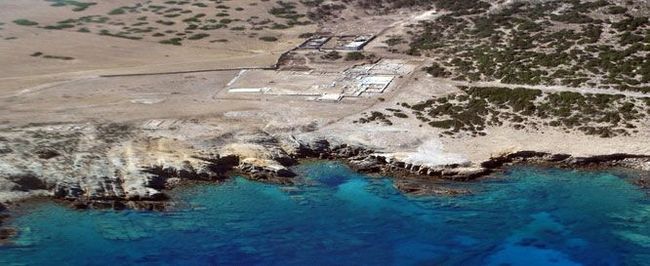 The last week of the course will be spent on the island of Paros, where students will work in the storage rooms of the Archaeological Museum of Paros with material from the site. There, they will be trained at the detailed processing of the finds, mostly of pottery, figurines and other minor objects. They will therefore become acquainted with the process, which enables the detailed study, interpretation and publication of the excavated material. They will be taught archaeological drawing and photography, necessary tools for the study of the objects.

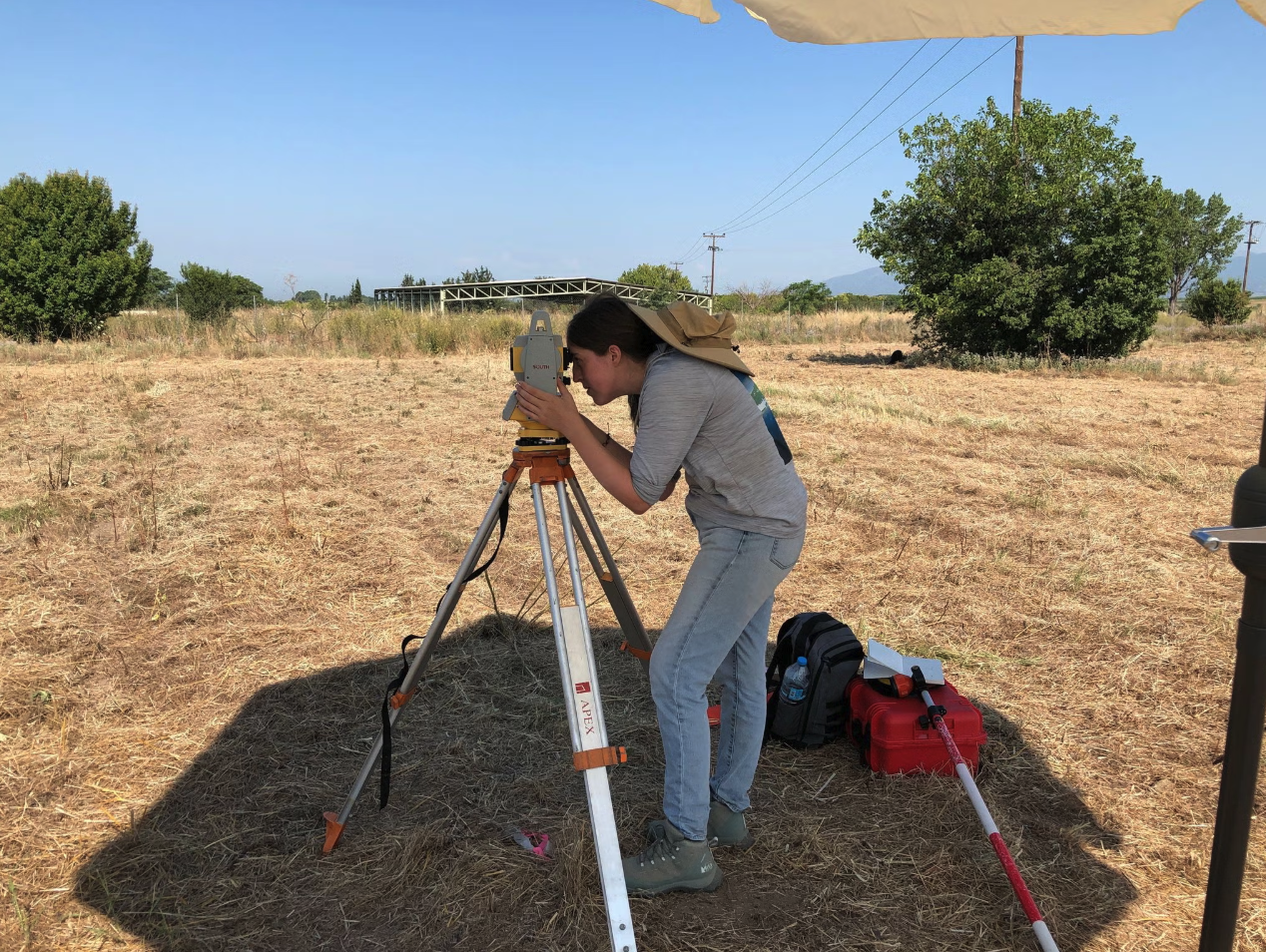


 The field school takes place on Astypalaia, a small, beautiful island in the Aegean Sea and part of the Dodecanese island group in Greece. It is based on a unique archaeological site – the largest ancient children’s cemetery in the world, with at least 3400 children’s burials. In the field laboratory overlooking the sea, students learn the specialist skills required to excavate, record, identify, conserve, measure and catalogue the tiny bones and teeth of young children. This is one of the few sites in the world where children’s remains are abundant enough to provide such experience. Everyone carries out all the tasks required for each burial.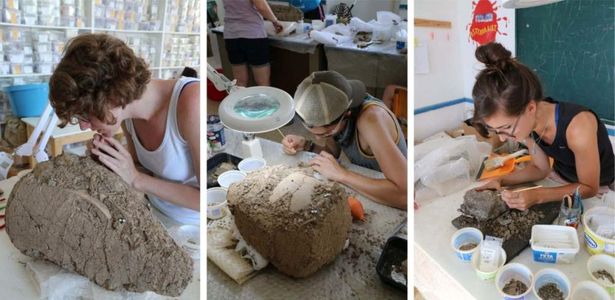


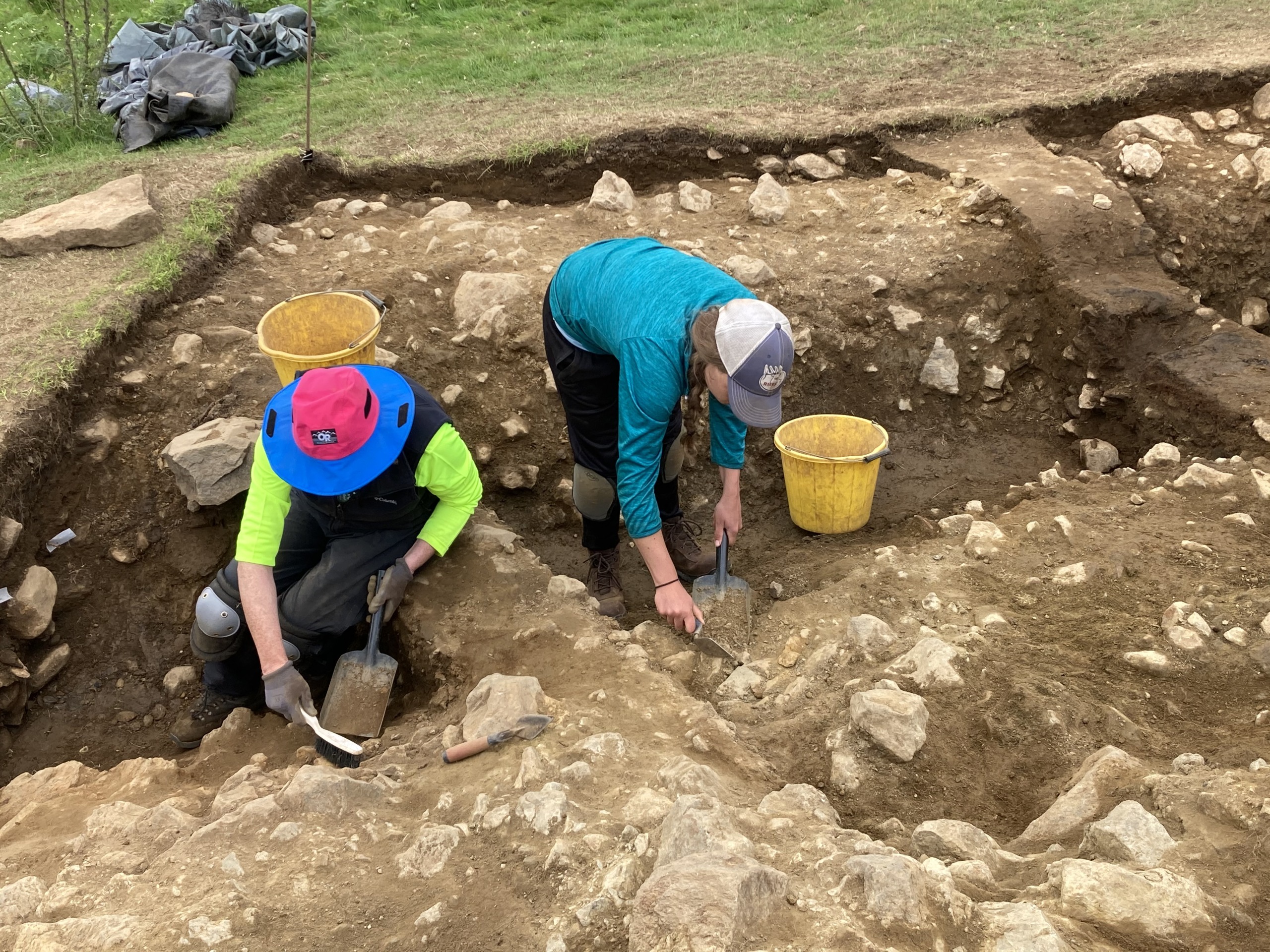
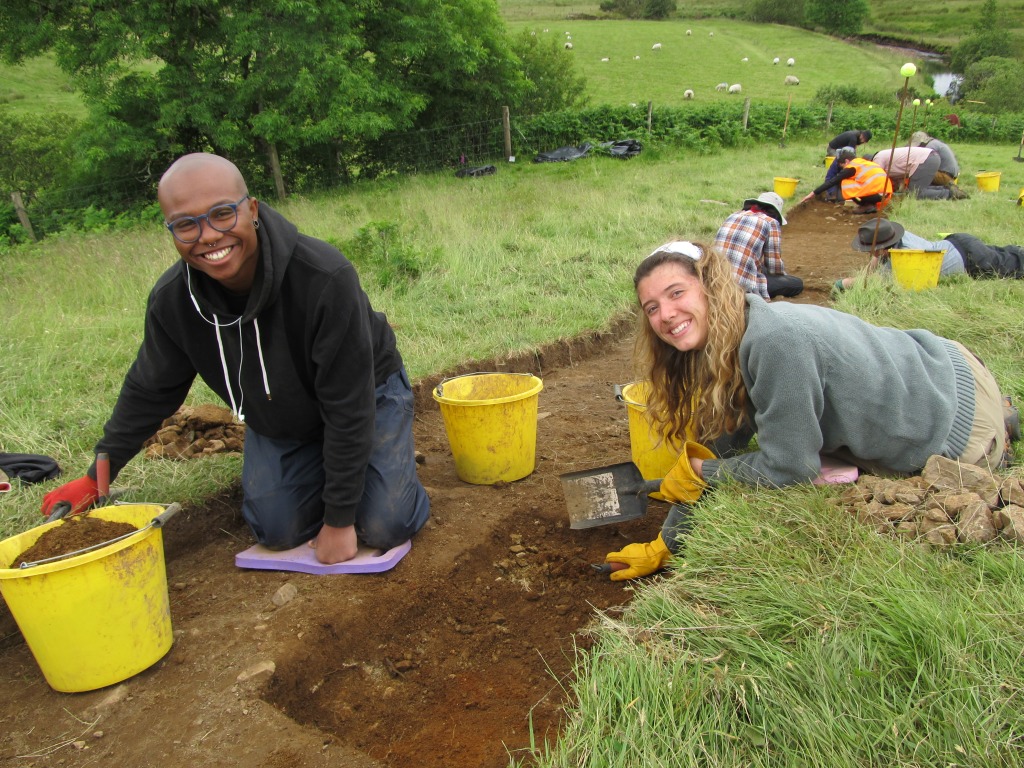
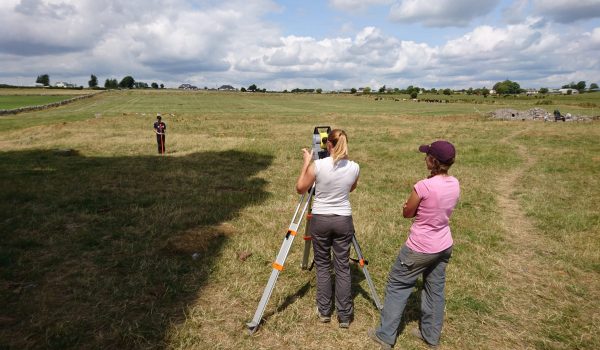 The Galway Archaeological Field School provides students with hands-on experience of the archaeology and architecture of medieval Ireland. We specialise in this field and seek to immerse our students in the wealth of medieval castles, churches and monasteries which lie scattered across the Irish landscape. We offer three courses: a two-week non-excavation course focused on the study of medieval architecture and two four-week excavation courses, one serving as an introduction to archaeological excavation and one offering experienced students further tuition in the various recording techniques used in archaeological excavation.
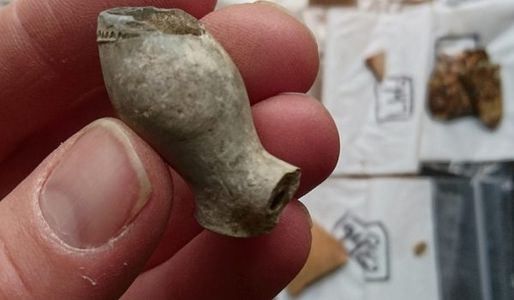 This four-week course will introduce students to the practicalities of archaeological excavation and provide them with hands-on experience of the key techniques they need to master to become proficient excavators. It is generally aimed towards undergraduate students of archaeology and anthropology, who usually take the course for credit, but the course is open to all and can be taken by anyone with an interest in archaeological fieldwork.
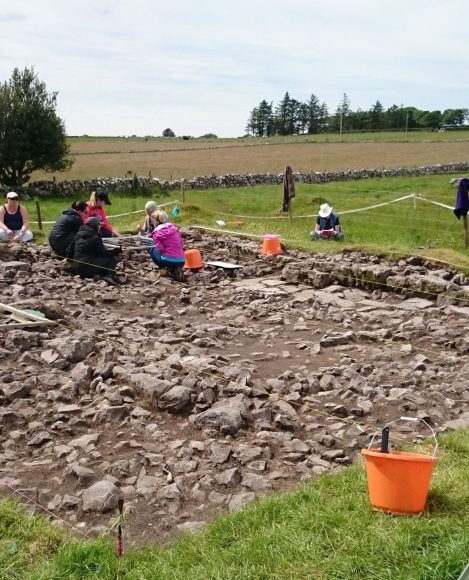 Students on this course will learn to excavate using a variety of tools but will also gain valuable experience of a range of on-site recording techniques which will generate a structured written record, a series of scaled drawings and an extensive photographic archive of the site under examination. They will be involved in the analysis of the stratigraphic evidence on the site and will also work with finds to ensure they are recorded correctly and stored safely. The course will have a particular emphasis on medieval archaeology and so the excavation site and the sites visited on field trips, which will include a series of castles, churches and monasteries, will be selected with this focus in mind. For the 2024 season, the course will be based upon an excavation at a medieval castle in Co Galway and so the students on the course will be part of our research programme which seeks to explore the archaeological evidence for settlement at late medieval castle sites in Ireland.
 This four-week course, designed for students with some experience of archaeological excavation, seeks to develop their on-site skills to a high level and provide them with an opportunity to become proficient excavators. Working alongside novice students under the close supervision of the site director, students undertaking this course will be given responsibilities commensurate with their experience and these will include the excavation of discrete archaeological features, the recording of such features using the three-part record system (i.e. written, drawn and photographic records), the recording of finds and environmental samples and the analysis of the stratigraphic evidence within their work area. This module will allow students with some excavation experience to develop significantly as archaeologists and, though focused on Irish medieval archaeology, will teach them a range of transferrable skills which can be applied on professional research excavation and survey projects around the world.
 The Blackfriary Archaeology Field School is part of the award-winning Blackfriary Community Heritage and Archaeology Project (BCHAP) in the town of Trim, County Meath, Ireland. Focusing on the buried remains of the 13th century AD/CE Dominican friary and associated graveyard, the field school is suitable for students from a wide range of backgrounds including archaeology, history, anthropology, and forensics – and for students looking for a unique study abroad experience. As participants in a public archaeology project, students are actively engaged with our outreach activities on site. They are also housed with families in Trim, allowing them to integrate with the local community.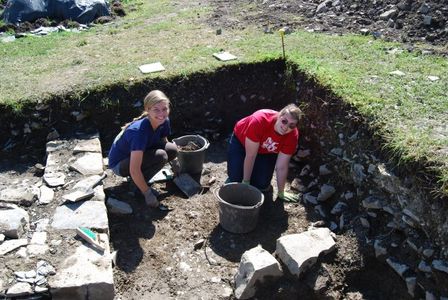
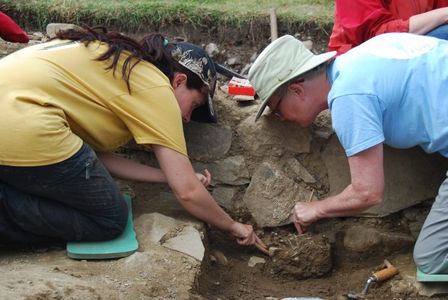
 To date we have expanded our dig to explore part of the south aisle of the church, the cloister, the domestic ranges, the cemetery and the boundary between the town and the friary precinct. Every year we decide which areas to focus on, informed both by our research objectives and by what has been learned from previous seasons. This process is always discussed with students, so they can understand how the research informs the ongoing excavations. As all participants receive training in post-excavation work, the logic and purpose of the detailed record keeping in the field becomes clear to them, and the significance of this stage of the work is highlighted.
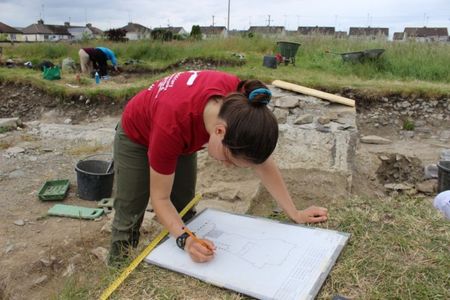 The objective of this course is to train students in setting out a cutting and tying it to the site grid, the use of various tools, methods of excavation, feature recognition, recording using feature sheets, photography, planning and survey. All students take part in post-excavation processing, including the formation of the written record. The research strategy and previous results which inform the overall excavation plan will be discussed with students, so they can set their work in the overall context of the research framework. Field trips and lectures will introduce the student to the wider landscape and historical context of the Black Friary, and the town of Trim. This course is an accredited program from Dundalk Institute of Technology (https://courses.dkit.ie/index.cfm/page/course/courseId/1321).
 Experience Archaeology in Ireland with a difference
 We are Ireland’s leading provider of accredited, field-based archaeological research and training programs. The ethos of the school is to provide an opportunity for students of archaeology and anthropology to experience at first hand the excitement of archaeological excavation in a teaching environment.
 We are excited to continue our research project studying the Monastic Midlands in County Offaly. This field school takes a truly landscape scale approach to archaeological research. The program will examine the geological and glacial processes that shaped the landscape in which the early saints founded their monasteries.It will then apply a range of archaeological survey techniques to interpret the sites they left behind, recording the earthworks, structures, architectural fragments and grave slabs that continue to survive at these monasteries.


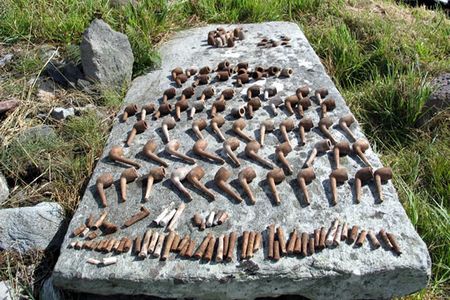


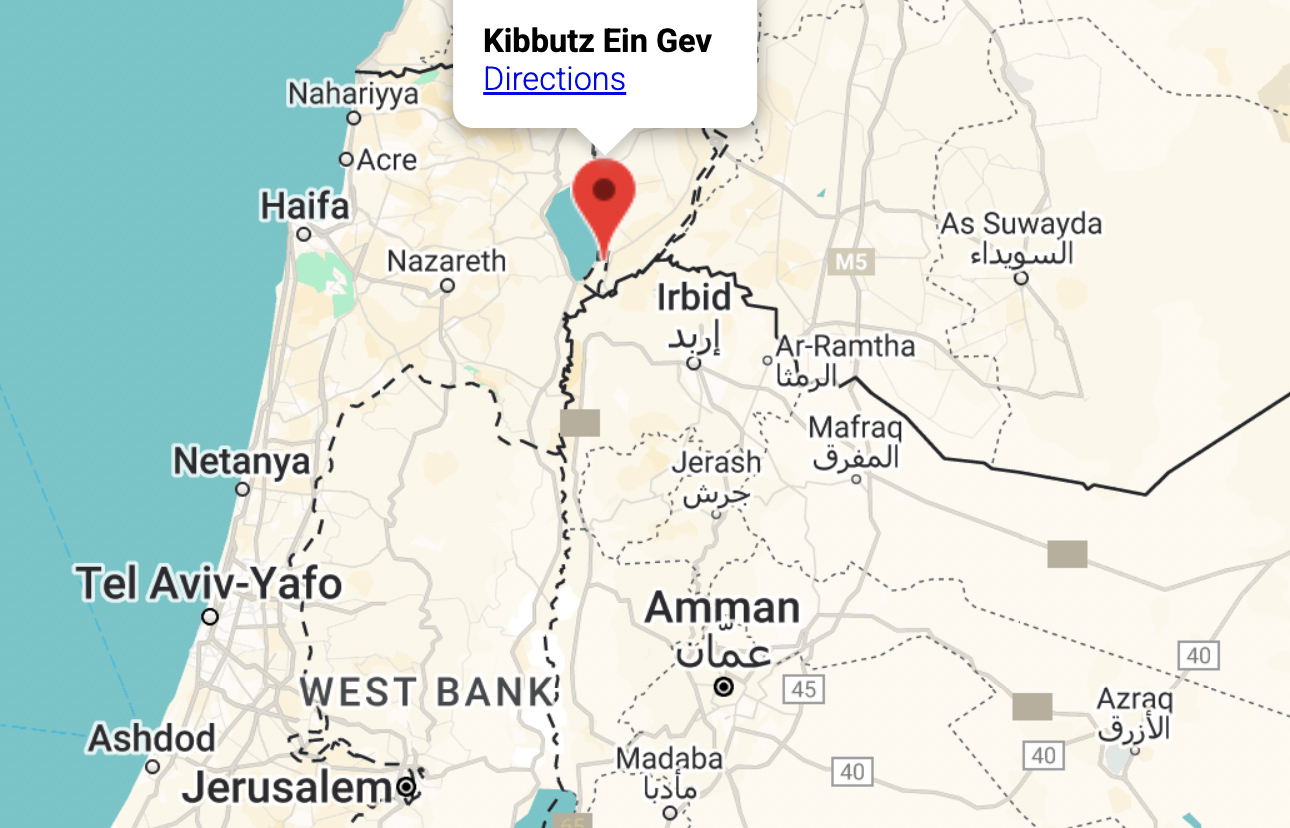


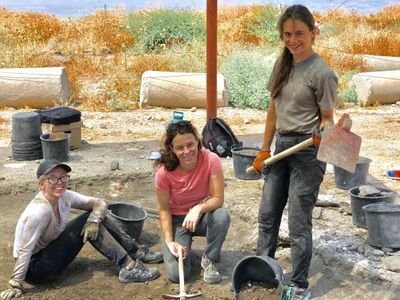


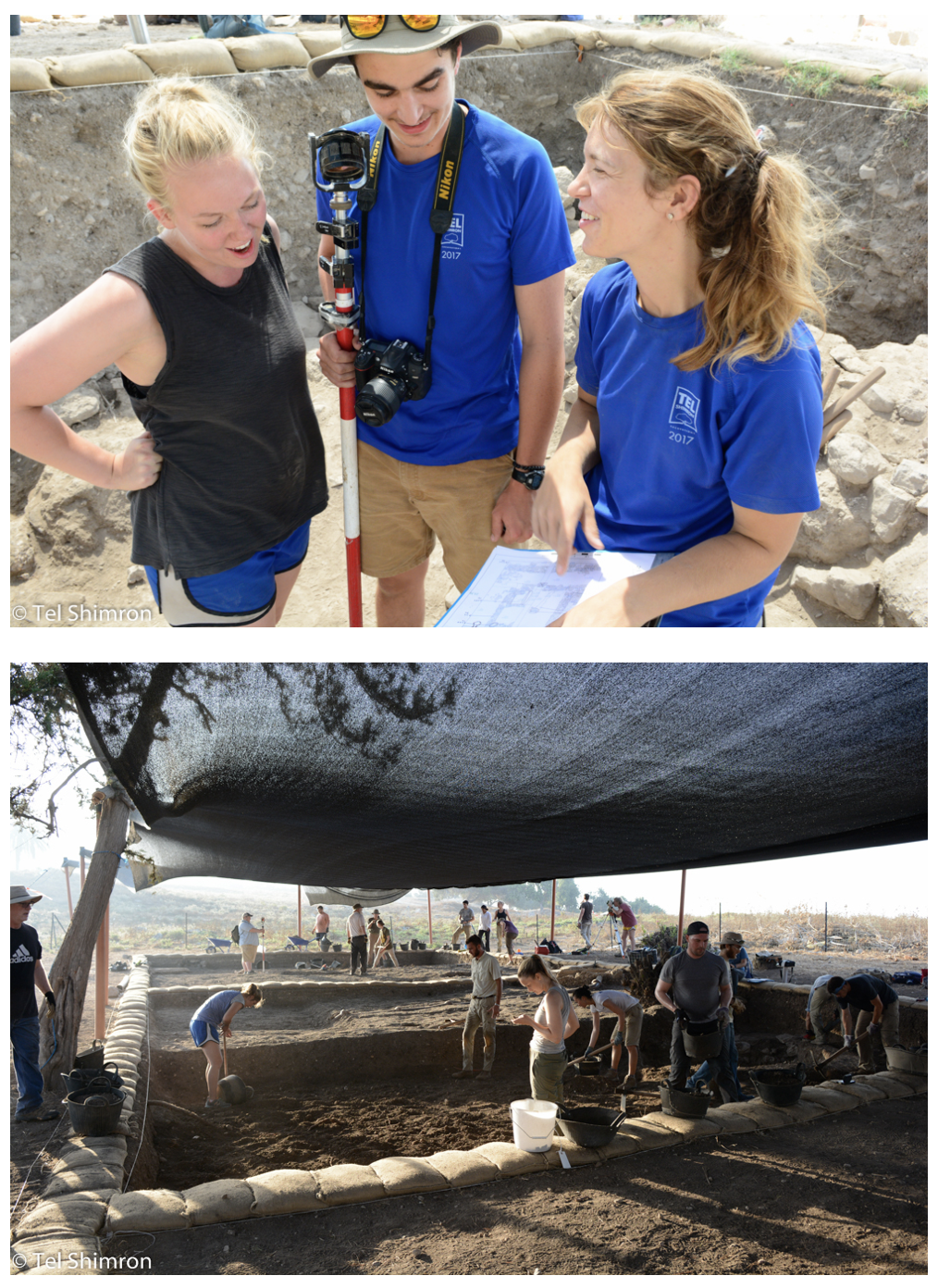
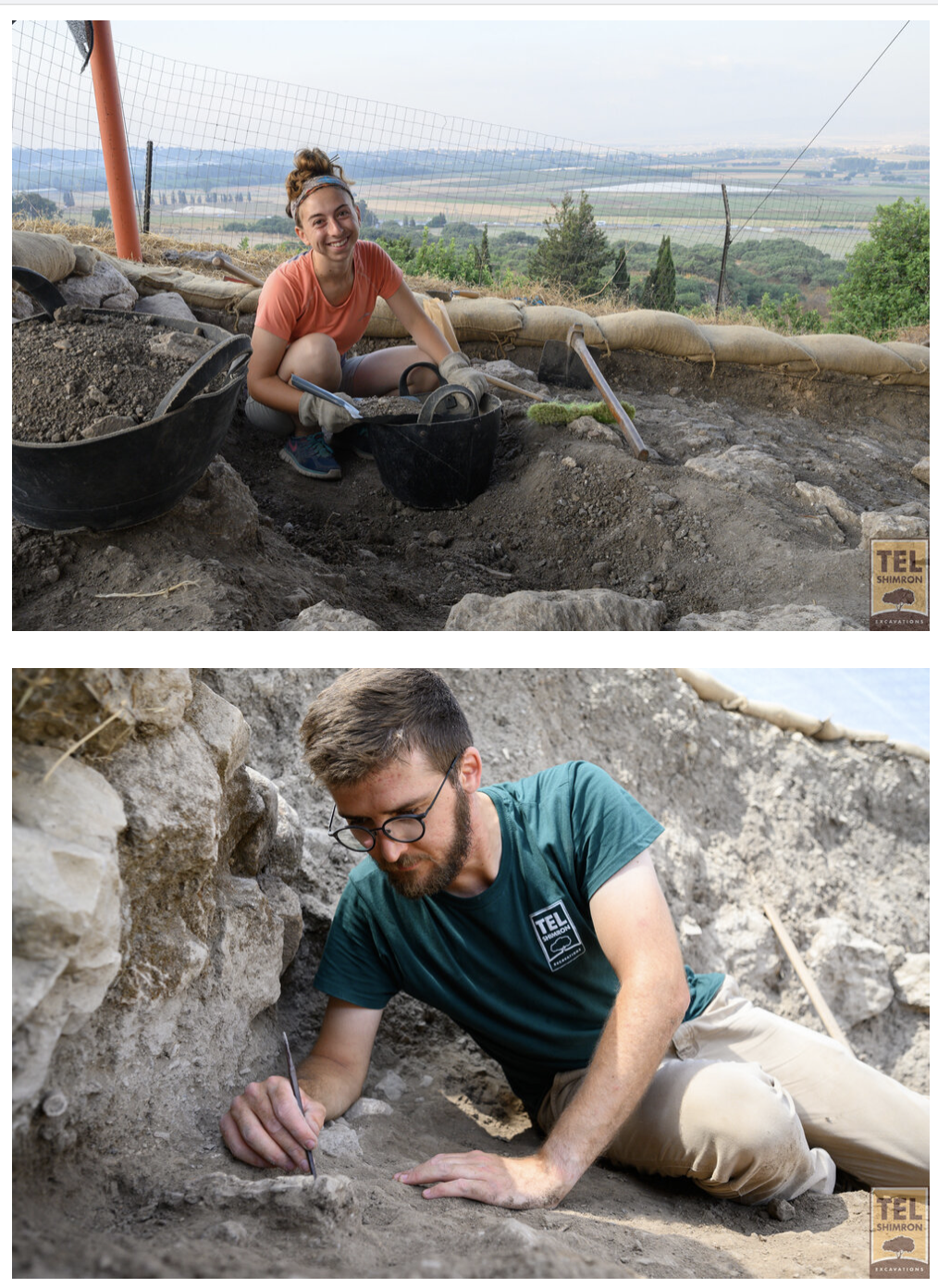


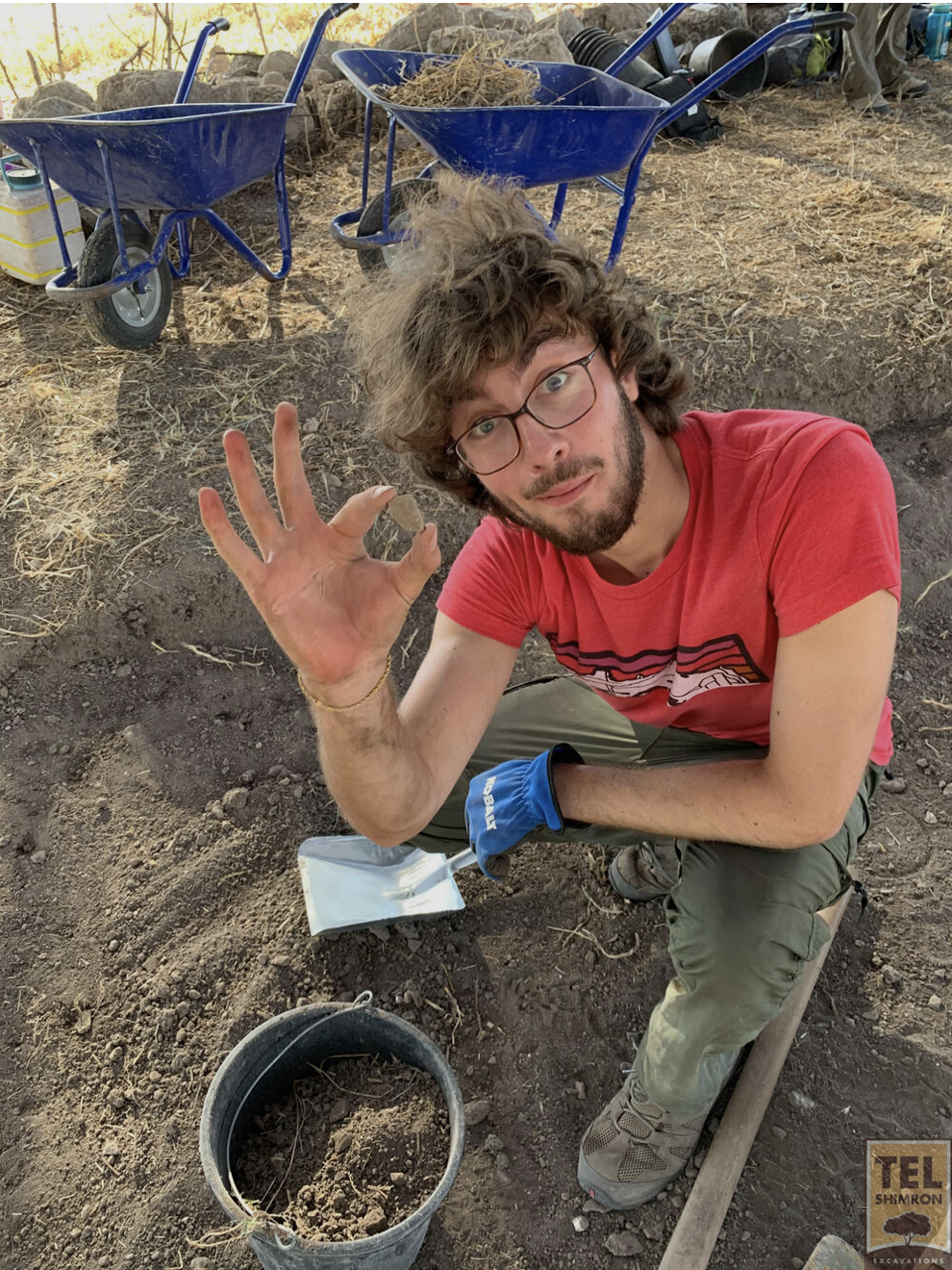


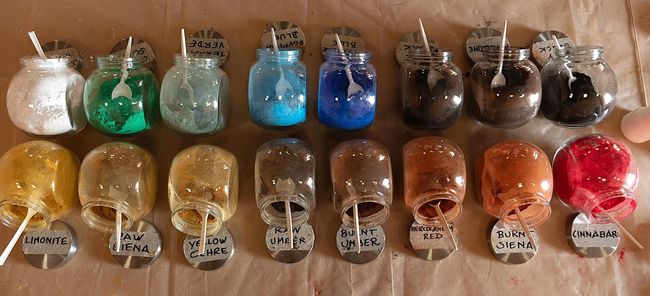
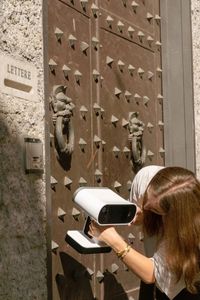
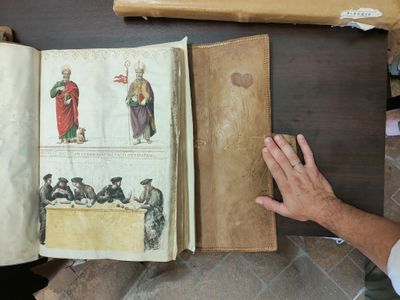
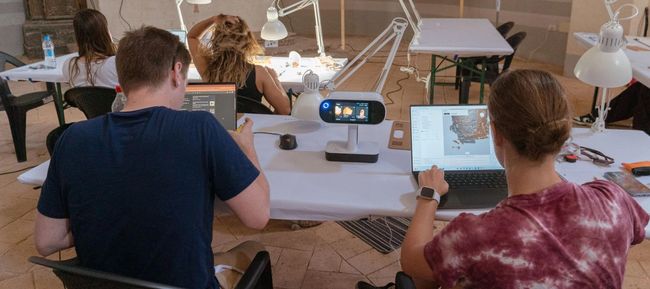
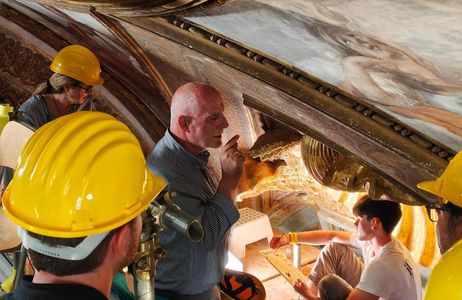
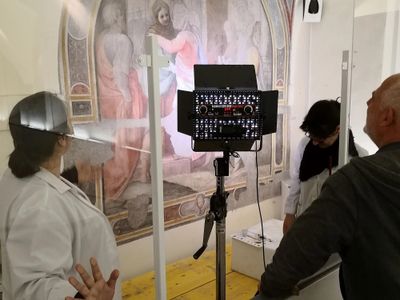
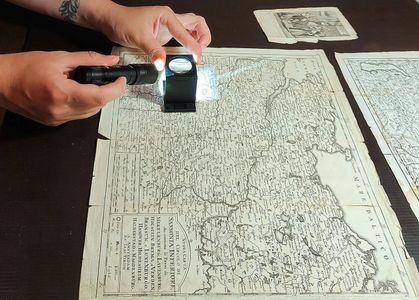
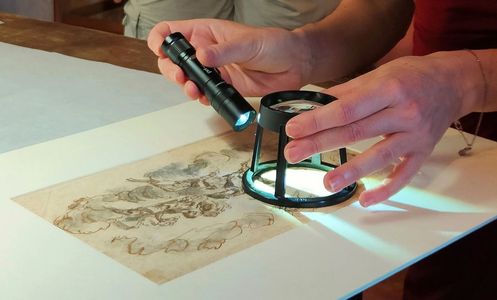


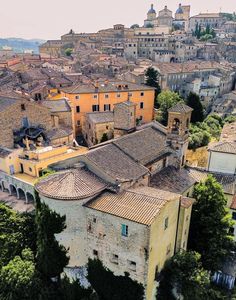
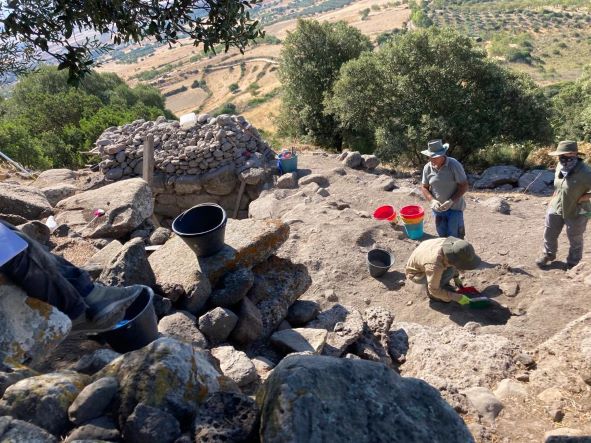

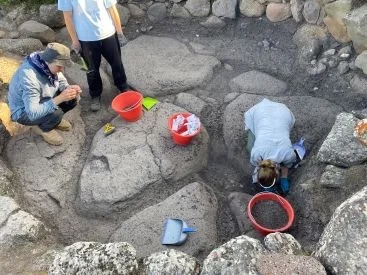


 Excavations focus on the
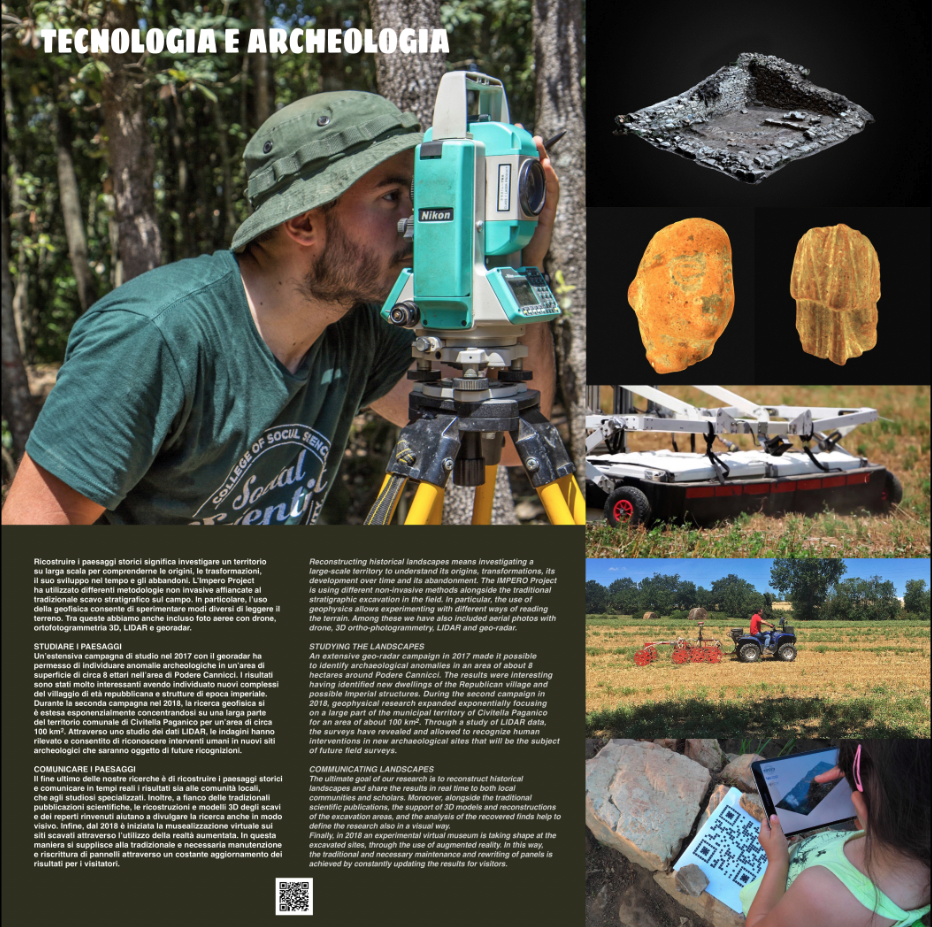 Training will include: