BU Ignition Award Winners’ Innovations Could Reduce Knee Pain, Extend Lives of Cancer Patients, and Propel Underwater Robots
Annual entrepreneurship awards given to research projects ready to make the leap from the lab to real-world impact

BU is committed to getting our researchers’ ideas and technology into the world to benefit society. The Technology Development office is here to help, whether that means creating intellectual property to protect your idea (in the form of a patent or copyright), completing license agreements, or helping you start a company to advance your product or technology.
Our field-specific business development leads are standing by to discuss licensing, intellectual property, conflicts of interest, and how you can advance your idea.

The Ignition Award program offers up to $75,000 to BU researchers to advance an idea with clear commercial potential. Pre-proposals are due to Technology Development by December 1.

Tools, tutorials, and mentorship to support your commercialization efforts, from guidance on pitching your idea to investors to applying for an SBIR grant.
universities worldwide for patents issued
companies developing and selling products based on BU discoveries

Annual entrepreneurship awards given to research projects ready to make the leap from the lab to real-world impact

Are you working on a bold idea with the potential to create real-world impact? The Boston University Ignition Awards are now accepting pre-proposals for the 2026 cycle. This initiative is designed to help faculty move promising ideas closer to real-world application through targeted funding, expert mentorship, and structured support. The Ignition Awards are now part […]
Annual honors support innovative Boston University research projects preparing to leap from lab to commercialization

We are once again seeking nominations for BU Innovator of the Year. The Innovator of the Year Award, presented annually by BU Technology Development, recognizes an outstanding faculty member who has translated world-class research into an invention or innovation that benefits humankind. We invite faculty, staff, and students to submit nominations by Friday, November 1. Self-nominations […]

Innovations to fight cancer, repair sensitive teeth, improve kidney dialysis, and more win support from BU Technology Development’s annual award
Sony Research Award Program Enhancing emerging and innovative technological development Internal Deadline: Monday, September 2 Faculty are invited to participate in the 2024 Sony Research Award Program. The Sony Research Award Program provides funding for cutting-edge academic research and helps build a collaborative relationship between faculty and Sony researchers. The Faculty Innovation Award provides funds […]

April 2024 | News from BU Industry Engagement and Technology Development In this issue... A product from DermaSensor Inc., based on technology for skin cancer detection developed by BU spectroscopy researcher Irving Bigio, recently received FDA clearance. BU engineers Ji-Xin Cheng and Selim Ünlü are developing breakthrough microscopy technologies to help scientists visualize their samples […]

BU Technology Development’s 2023 Ignition Awards help researchers transform their ideas into life-changing products and services
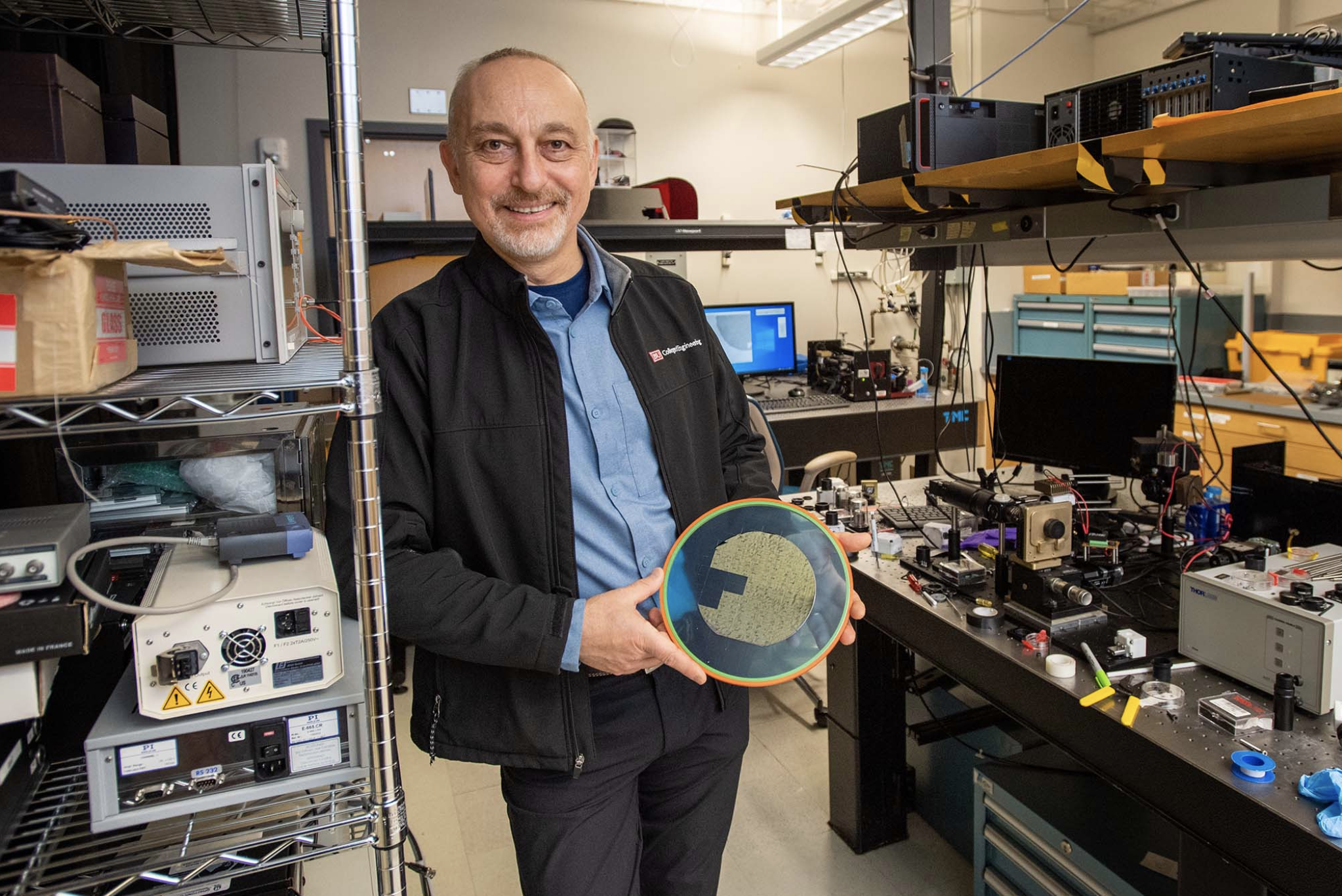
Join us in celebrating the Boston University 2021 Innovator of the Year Awardee Dr. Selim Ünlü, Professor of Electrical & Computer Engineering (ENG). To celebrate innovation at Boston University and recognize Dr. Ünlü, BU Technology Development has organized a discussion focused on the lab-to-market transition. Research often leads to discoveries that enable new products and […]

Hosted by BU Technology Development, BU ARROWS, and BU Women’s Guild Boston University research leads to innovations with real impact, from life-changing solutions to life-saving technologies and therapeutics. The broader the pool of faculty patenting their work, the more diverse and impactful our research becomes. Yet data shows that there continues to be gender disparity […]

Join Technology Development and Arrows to explore the barriers women face in innovation and the patent system. The event will feature a keynote from Laura Peter, Deputy Director of the U.S. Patent and Trademark Office (USPTO), followed by a panel discussion with Deputy Director Peter, Biomedical Engineering Professor Joyce Wong, and patent attorney Susanna Benn. The keynote […]
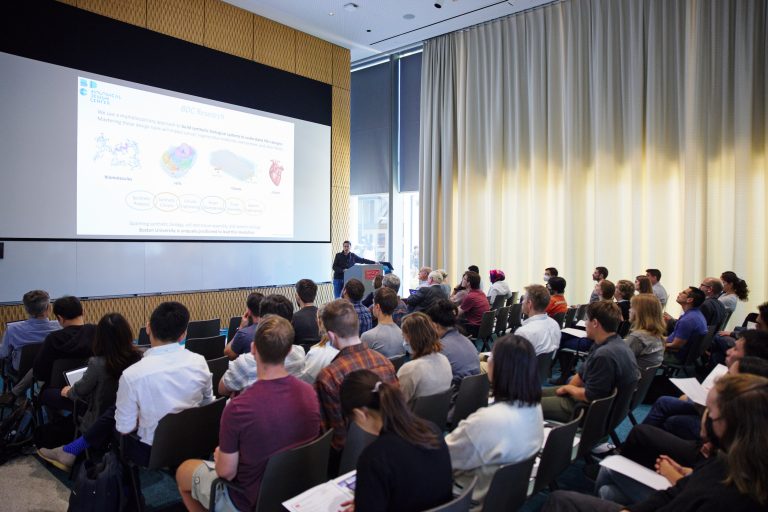
The Small Business Innovation Research (SBIR) and Small Business Technology Transfer (STTR) Programs are $2.4+ billion federal grant platforms established to fund product commercialization. Through a competitive, awards-based program, SBIR and STTR fund qualified small businesses to bring products to market. This seminar is designed to help you determine if these programs are right for you, and to share […]

Featuring: Victoria Bolotina | Steven Borkan | Ji-Xin Cheng | Douglas Holmes | Swathi Kiran | Sarah Mazzilli | Darren Roblyer | Muhammad Zaman In this series of lightning talks, faculty innovators from across BU schools and colleges will share their diverse paths from invention to market to impact. The session will touch on the […]