
Advance Education Through Research, Innovation, and Discovery
Explore new ways to improve teaching and learning through research with the PhD in Educational Studies at BU Wheelock. You’ll expand and deepen the knowledge and skills you need to pursue teaching, research, and policymaking positions in public or private institutions of higher education.
The PhD in Educational Studies at Boston University Wheelock College of Education & Human Development will prepare you with a strong foundation in research methods and in the theoretical and conceptual frameworks of current educational research. You can choose one of four concentrations: Educational Policy Studies, Language & Literacy Education, Mathematics & Science Education, or Special Education.
The Educational Studies PhD is typically a full-time program that can be completed in five years.
PhD Educational Studies Information Session – October 13, 2026 at 6:00 pm
Program Concentrations
The Educational Studies doctoral program (PhD) provides a deliberate course of study, including coursework in a specific content area, research, and active immersion in the community of student and faculty scholars within the program and throughout BU Wheelock, Boston University, and the profession.
The PhD in Educational Studies: Educational Policy Studies is designed for students who intend to engage in applied research that answers policy-relevant questions such as school choice, early education, or social policy in formal and informal learning environments across the lifespan. In addition to coursework and teaching apprenticeships, doctoral students will work on research projects that answers policy questions with issues of diversity and social justice in mind.
The PhD in Educational Studies: Language & Literacy Education is designed for students who intend to engage in research that contributes to evolving understandings of language and literacy education in formal and informal learning environments and across the lifespan. The program includes three primary specializations: ASL & Deaf studies, language education, and literacy education.
Students in the PhD in Educational Studies: Mathematics & Science Education work with expert faculty to explore mathematical and scientific practice, learning environments, and teacher development. Through coursework and research apprenticeships, students build expertise in educational theory, research methods, teaching, learning, and curriculum while developing the skills to design, conduct, and communicate original research.
Students in the PhD in Educational Studies: Special Education study with top researchers in special education who have expertise in interdisciplinary systems serving students with disabilities. In addition to coursework and teaching apprenticeships, doctoral students will work on rigorous, interdisciplinary research, to understand how educational systems interact with policy systems, mental health systems, and family systems, to shape the experiences and outcomes of students with disabilities and their families.
Program Requirements
Each term, PhD students participate in research and/or teaching apprenticeships for 20 hours per week. Depending on their role, students may work as a teaching fellow or instructor of record, and contribute to faculty-led research projects.
Students take a two-term pro-seminar designed to develop a common conceptual understanding of schools, educational institutions, communities, educational foundations, and systems and theories of learning and teaching.
Students complete two qualifying tasks to demonstrate research expertise. The first involves an empirical study and research article, presented at a doctoral research symposium. For the second, students choose with their advisor between a literature review addressing a gap in the field or a second empirical study and research article. Both are evaluated by the Qualifying Committee.
PhD students must complete at least two consecutive terms in residence at Boston University. This typically means registering for 12 units per term, or 8 units per term if holding a research or teaching assistant position.
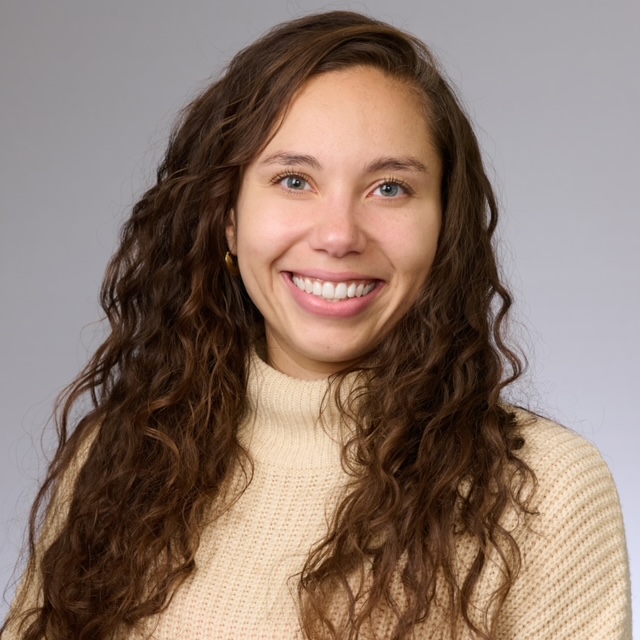
“I’ve learned to trust myself and embrace the process of being a PhD student. Throughout this journey, I’ve discovered just how much I’m capable of, especially when supported by mentors who guide and challenge me along the way.”
Career Outcomes for a PhD in Educational Studies
Amplify your impact in education with a PhD in Educational Studies from BU Wheelock. You’ll develop advanced research skills, explore the theories shaping teaching and learning, and conduct original research that advances educational practice. Graduates are prepared for a variety of roles, such as:
- Build expertise: Develop advanced knowledge and address important educational challenges
- Conduct research: Use qualitative, quantitative, and mixed methods to conduct original research
- Advance education: Produce scholarship that informs educators, researchers, and policymakers
- Lead and serve: Contribute through teaching, collaboration, and civic engagement
Alumni of the PhD in Educational Studies
No matter which specialization you choose, the PhD in Educational Studies will expand and deepen your ability to pursue teaching, research, and policy-making positions in public or private institutions of higher education. Graduates of the PhD in Educational Studies have gone on to work as professionals in numerous careers, including:
- Faculty at top-tier research institutions
- Teaching focused positions in higher education
- Leader in education-focused industries
- Education-focused data scientist
PhD Faculty
The faculty of the PhD in Educational Studies bring expertise across education, research methods, and practice. They advance research that improves teaching and learning, addresses complex challenges, and prepares students to contribute meaningfully to the field.
The faculty listed below are reviewing applications for the PhD in Educational Studies for fall 2027. Apply to your area of specialization if you’re interested in working with one or more of these faculty members. Because first-year students have co-advising teams and may pursue interdisciplinary research, select at least two faculty members you’d like to work with during the program.
-

Elizabeth Bettini
Associate Professor
-

Naomi Caselli
Director, BU AI & Education Initiative
Director, BU Deaf Center
Associate Professor -

Dina C. Castro
Director, Institute for Early Childhood Well-Being
Bahamdan Professor in Early Childhood Well-Being -

Michael Alan Chang
Margaret McGuire Earl Career Development Professor
Assistant Professor
Assistant Director, Earl Center for Learning & Innovation -

Olivia Chi
Assistant Professor
-

Stephanie Curenton
Director, Center on the Ecology of Early Development (CEED)
Professor and Program Director, Child Policy certificate -
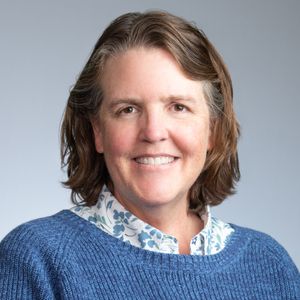
Leslie Dietiker
Co-Director, TEAM Center
Associate Professor, Mathematics Education -
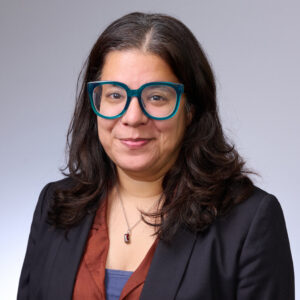
Christina L. Dobbs
Chair, Language & Literacy Education Department
Associate Professor -

Hank Fien
Nancy H. Roberts Professor of Educational Innovation
-
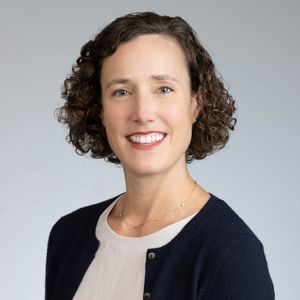
Katherine Frankel
Associate Professor
-
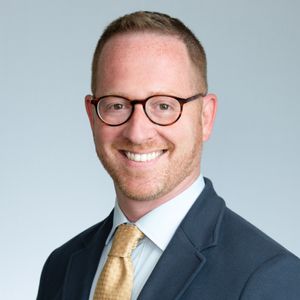
Joshua Goodman
Professor
Program Director, MA in Educational Policy Studies -

Anthony Abraham Jack
Faculty Director, Newbury Center
Professor -

Davena Jackson
Program Director, English Education for Equity & Justice
Co-Director, Center for Educating Critically
Assistant Professor -

Nathan Jones
Associate Dean, Research
Professor, Special Education -

Yasuko Kanno
Professor
-

Kathy Kim
Program Director, Language Education
Assistant Professor -
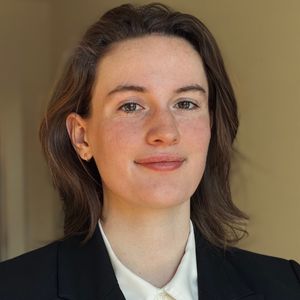
Jo R. King
Assistant Professor
-

Amy M. Lieberman
Director, Doctoral Studies
Associate Professor -
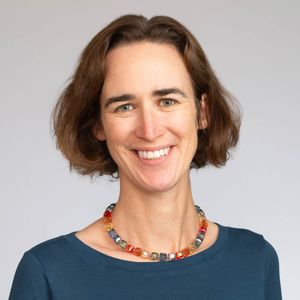
Eve Manz
Associate Professor
-
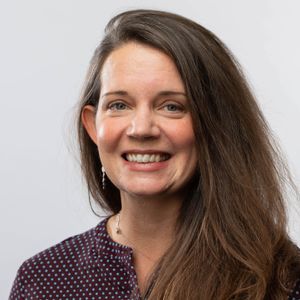
Nancy J. Nelson
Assistant Professor
Deputy Director, National Center on Improving Literacy and Lead for Literacy Center -

Zachary Rossetti
Associate Professor
-

Meghan Shaughnessy
Assistant Professor, Mathematics Education
-
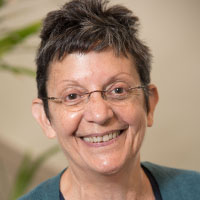
Beth Warren
Sylvia Earl Professor
Director, Earl Center for Learning & Innovation -
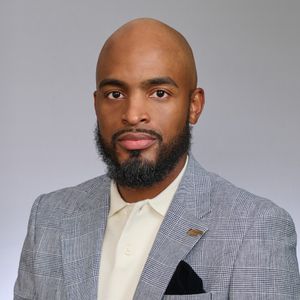
Jerry Whitmore, Jr.
Assistant Professor
-
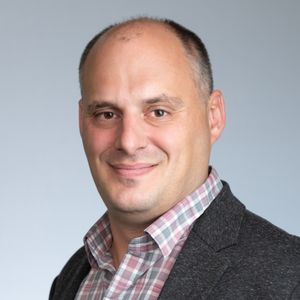
Marcus A. Winters
Chair, Educational Leadership & Policy Studies
Professor
Faculty Director, Wheelock Educational Policy Center
Courses in the Educational Studies PhD
Coursework in the Educational Studies PhD program allows you to focus on the subjects that align with your background and interests. You’ll complete research courses that build the skills needed to design, conduct, and evaluate original educational research. You’ll also take specialization courses tailored to your academic interests and career goals, working with an advisor to shape their area of expertise.
Specialization courses include:
- Doctoral Colloquium
- Research Colloquium in Educational Leadership and Development
- Organizational Analysis
- Advanced Policy Seminar
Seven specialization courses will be chosen by the student in consultation with their advisor, based on the student’s interests. Examples of courses include:
- Educational Issues in Bilingualism
- Social Psychology and the Deaf World
- Critical Literacy as a Lens: Exploring Theories, Processes, and Strategies
- Second Language Acquisition
- Discourse, Narrative, and Literacy
Students must take the core set of three required courses and will select four additional courses in consultation with their advisor, based on their interests and career goals. Required courses are:
- Epistemologies and Theories of Learning in Mathematics and Science Education
- Teaching and Teacher Education in Mathematics and Science Education
- Curriculum Research and Theory in Mathematics and Science Education
Specialization courses are determined jointly between the student and doctoral advisor; wide-ranging options are available, including:
- Autism: Clinical and Neuroscience Perspectives
- Developmental Disabilities II: Values, Policy, and Change
- School Administration and Special Needs
- Assessment in Special Education
Admissions & Dates
Fall 2027
Aug 3, 2026
Application Opens
Fall 2027
Nov 15, 2026
Application Deadline
Connect with BU Wheelock to learn more about earning your PhD in Educational Studies. Learn about application requirements and deadlines, sign up for an information session, or start your application today. Questions about the PhD in Educational Studies program can be directed to Zach Rossetti, interim program director of doctoral studies.
Frequently Asked Questions
The PhD in Educational Studies at Boston University Wheelock prepares students to advance teaching and learning through original research, scholarship, and professional practice. Students develop expertise in educational research methods and a specialized area of study.
Students can specialize in Educational Policy Studies, Language & Literacy Education, Mathematics & Science Education, or Special Education. Each concentration combines specialized coursework with research opportunities tailored to students’ academic and career goals.
The PhD in Educational Studies is typically a five-year, full-time program requiring a minimum of 66 credits. The program is primarily in person, with some courses available online.
Students engage in research throughout the program through coursework, research apprenticeships, and original studies. They work closely with faculty and may collaborate with schools, education agencies, policymakers, foundations, and other community partners.
Graduates are prepared for careers in higher education, educational research, policy, and education-focused industries. Potential roles include university faculty, education researchers, policy professionals, and education-focused data scientists.