News
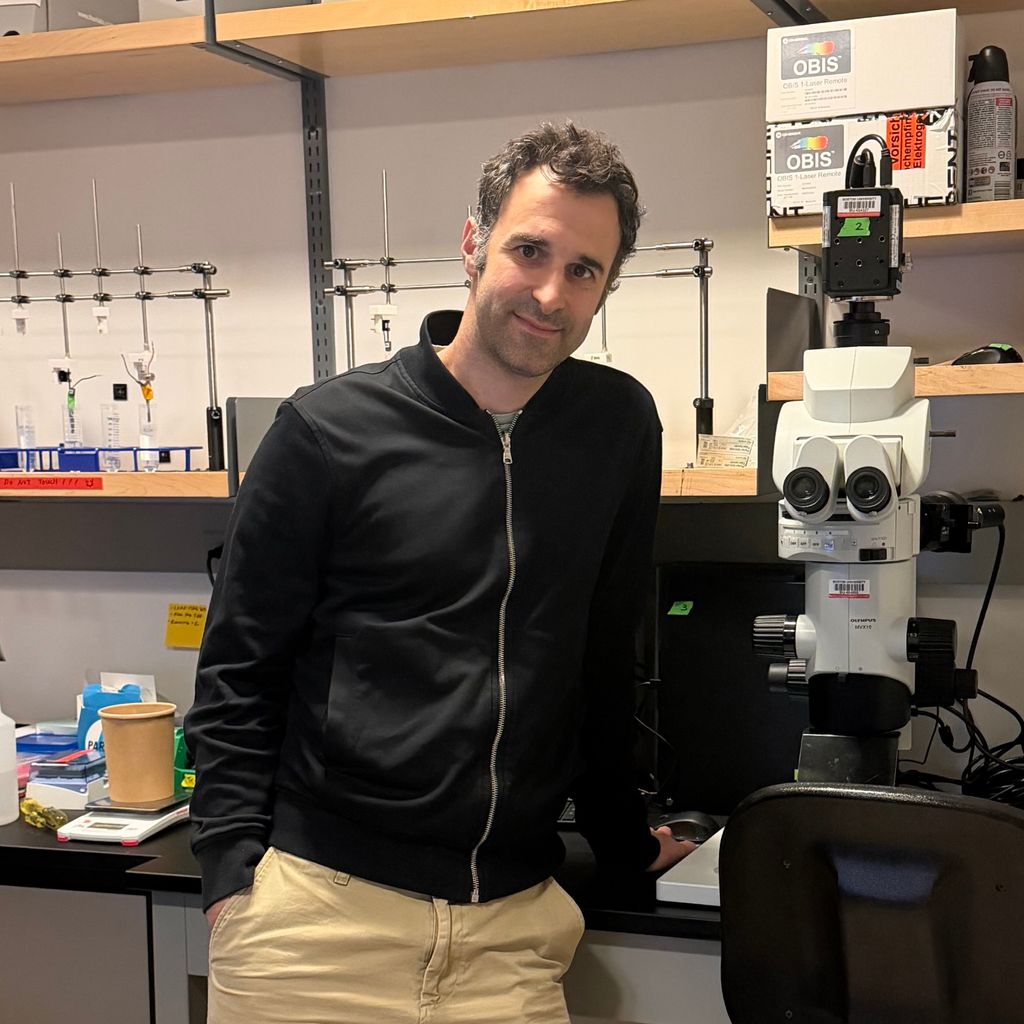
From Biomedical Engineering to the Brain’s Motor Circuits: The Journey of Mike Economo
Born in Danville, a small town in Southern Virginia, to Canadian parents of Greek heritage, Dr. Economo moved to Durham, North Carolina, during his teenage years, a move that ultimately placed him on his academic journey. Dr. Economo was surrounded by a significant scientific and academic community. He attended Duke as... More
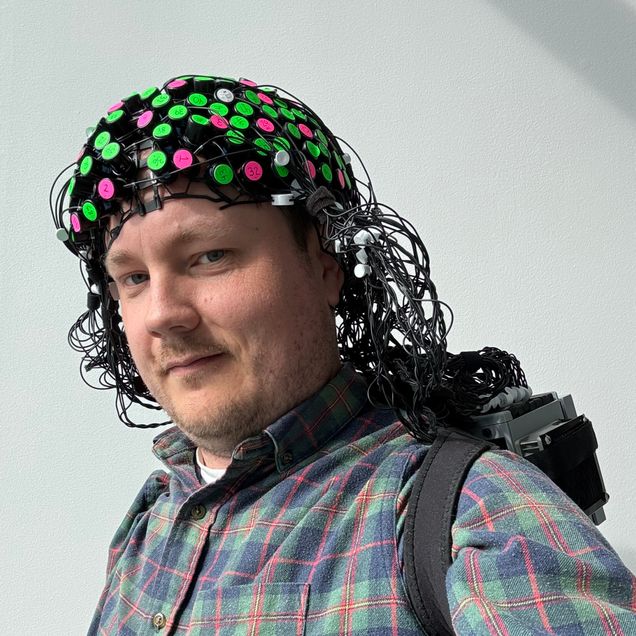
Bernhard Zimmermann, the Man Behind the NINJA: One of BU’s Most Used fNIRS Devices
The NinjaNIRS, or NINJA, is a wearable fNIRS helmet that has thrust the field of neuroscience into new heights, and which almost all Boston University graduate students affiliated with neuroscience subjects have come across in their research. In essence, this fNIRS innovation has allowed subjects’ whole heads to be tested while... More
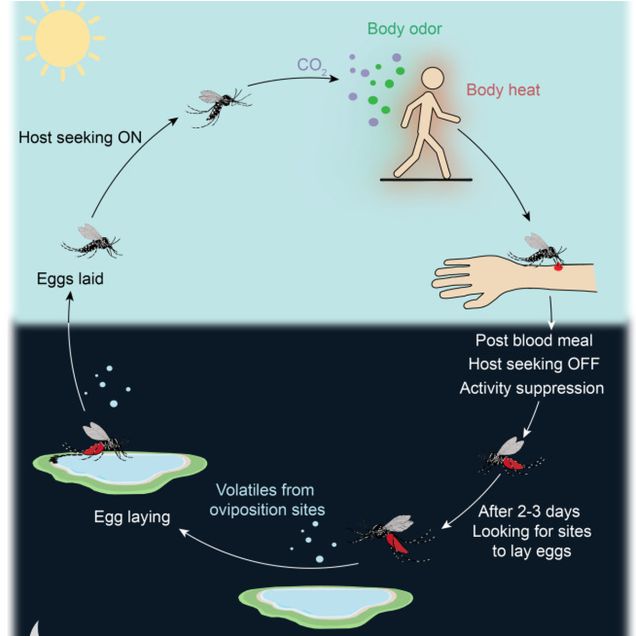
Why do Mosquitoes Bite Some People More than Others?
The majority of mosquito bites in the United States are nothing but an itchy annoyance, but the flying insects are responsible for a rising number of cases of West Nile virus and eastern equine encephalitis—both are potentially fatal.
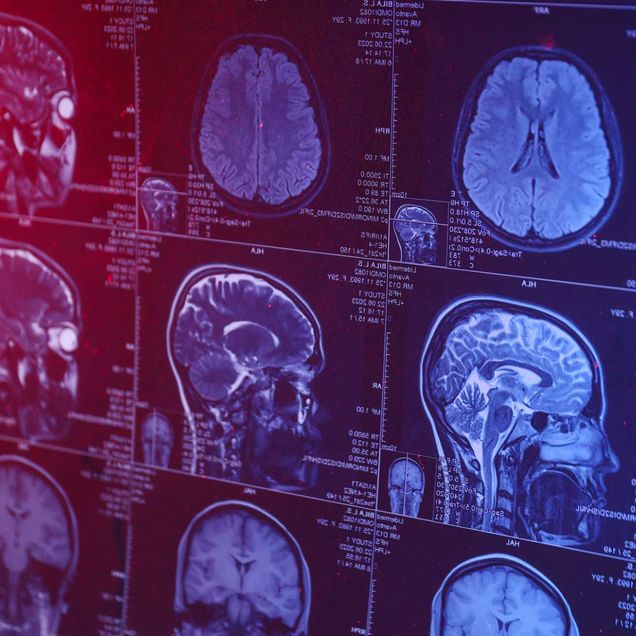
BU-Led Framingham Heart Study Brain Aging Program Receives $31.5 Million Funding Renewal
A Boston University-led research effort to advance our understanding and treatment of brain aging and Alzheimer’s disease has received a $31.5 million funding renewal. The Framingham Heart Study Brain Aging Program is one of the nation’s leading investigations into cognitive decline.

Lea Stith: Translating Brain Signals into Research Solutions
It was in the Yassa Lab that Stith discovered her first research niche: HSAM, or Highly Superior Autobiographical Memory. “With translational neuroscience research,” Stith explains, “you can take these insights about how the brain works and translate them into real-world applications.” Today, Stith has continued pursuing her passion for translational neuroscience within... More

Adolescence Is Not Simply a Period of Vulnerability, but a Window of Opportunity: New Insights into Adolescent Emotion from Dr. Heidi Meyer
Assistant Professor Heidi Meyer, Psychological & Brain Sciences (College of Arts & Sciences), explores how safety learning shapes the adolescent brain Neuroscience wasn’t where Heidi Meyer expected to land. Born and raised in Anchorage, Alaska, she was drawn early on to big questions about being human: What makes us who we... More

Researchers Develop New Tool to See How Different Brain Cell Types Work Together
Brains are composed of cell types that perform different roles in computation and are differentially affected by certain psychiatric disorders or drugs. Without a deep understanding of how cell types orchestrate the overall activity patterns, we cannot develop the next generation of therapies.

Songbird Brains Can Generate New Neurons. Can We Help Human Brains Do the Same?
In a study that looked at the bird’s brain in unprecedented detail, researchers at Boston University uncovered new insights into a mechanism known as neurogenesis—the birth, migration, and maturation of neurons—that may help the brain learn, add new skills, and restore and repair itself.

Two Boston University Researchers Elected AAAS Fellows
Alice Cronin-Golomb’s research addresses diseases of aging, while Plamen Ch. Ivanov is mapping the interactions between diverse organ systems in the body; both have been honored as fellows of the American Association for the Advancement of Science.

Researchers identify new dopamine signal that may help the brain steer us in the right direction
A Boston University-led research team has discovered a dopamine signal in the brain that helps determine whether you are moving toward or away from a goal potentially shedding new light on how the brain uses visual information to guide behavior. The study recently published in Nature examined behavior in mice to show that when they encounter visual cues, dopamine in the... More