US Sunscreens Just Got More Effective. BU Dermatologist Explains Why
Michael Kwa calls approval of new ingredient, bemotrizinol, exciting for safety

The US has approved a new ingredient for sunscreens—one already used in Europe—that BU dermatologist Michael Kwa says could be a significant step forward in safety. Photo by Halyna Romaniv/iStock
US Sunscreens Just Got More Effective. BU Dermatologist Explains Why
Michael Kwa calls approval of new ingredient, bemotrizinol, exciting for safety

Think summer and the word “bemotrizinol” doesn’t spring to mind. But relaxing on the beach or poolside this season just got potentially safer because of that chemical filter. The Food and Drug Administration (FDA) has approved the sunscreen ingredient, long popular in Europe and Asia, for use in the US. Bemotrizinol blocks ultraviolet (UV) A rays—which can further age or wrinkle skin—as well as sunburn-causing ultraviolet B rays.
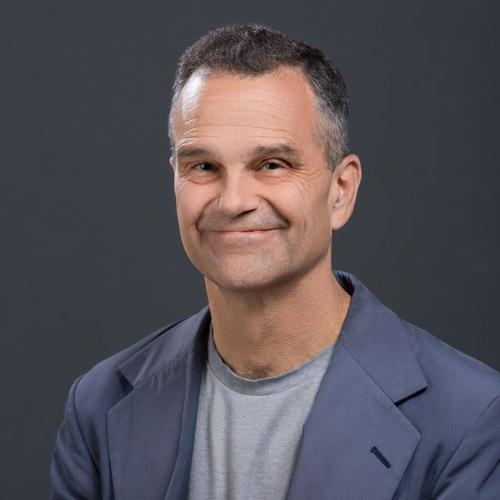
Boston University researcher Michael Kwa tells The Brink why the FDA’s blessing bolsters public safety. Kwa, a BU Chobanian & Avedisian School of Medicine assistant professor of dermatology, cowrote a 2022 paper that found many new sunscreen ingredients were available in Europe, but not yet in the US.
Q&A
with Michael Kwa
The Brink: How important a step forward is the FDA’s approval of bemotrizinol, or BEMT?
Kwa: The approval is exciting. This represents the first new organic UV filter since 1999. Its properties add significantly to the current portfolio of UV filters—the part of sunscreens that provide sun protection—we have available in the US. It is able to be used alongside other UV filters and helps to protect against UVA1, which is part of the UV spectrum that many current UV filters do not protect well against. This opens up the ability to have more diversity in sunscreen formulation, which could result in sunscreens that provide broader spectrum coverage for the US consumer while maintaining cosmetic elegance and ease of use.
This opens up the ability to have more diversity in sunscreen formulation, which could result in sunscreens that provide broader spectrum coverage for the US consumer.
The Brink: Should more be done to improve US sunscreens?
The UV filters approved in the US allow for broad-spectrum coverage, i.e., covering the rays of light that fall within the UVA and UVB spectrum. US sunscreens fulfill the goal of protecting from the sun’s harmful rays that contribute to photoaging and skin cancer.
That being said, there is always ongoing work to increase options. There are sunscreen ingredients that remain approved only in Europe. Bemotrizinol represents the first UV filter added under the CARES Act’s streamlined process [the Coronavirus Aid, Relief, and Economic Security Act, a pandemic-era stimulus bill that included provisions to expedite drug approvals]. The FDA has reiterated that they remain committed to ongoing innovation in the sunscreen market. In addition, European sunscreens have a higher UVA standard, requiring a high percentage of the entire UVA spectrum to be blocked to be considered broad-spectrum. The FDA has proposed changes to UVA requirements to achieve greater parity with European Union sunscreen coverage.
The Brink: Why has Europe long approved more sunscreen ingredients than the United States?
In Europe, UV filters are regulated as a cosmetic, while in the US, sunscreens are regulated as a drug. The differences in data requirements can make it simpler for a new UV filter to be approved in the EU.
The Brink: Some people worry that sunscreen blocks beneficial vitamin D absorption from the sun, and that some sunscreen ingredients are absorbed into the bloodstream. Are those valid concerns?
I would reassure people that sunlight is not necessary to have healthy levels of vitamin D, and that there is strong evidence that sunscreens help reduce the risk of skin cancer. Meanwhile, there is no definitive, well-documented risk to using sunscreens.
While sunlight can play a role in vitamin D synthesis, vitamin D also comes from diet. Recommended dietary allowances from the National Academy of Medicine—the labels on food—are based on minimal to no sun exposure. In addition, real-world studies have shown that sunscreens do not affect people’s vitamin D concentrations. If people are worried about vitamin D deficiency despite having a healthy, balanced diet, I always recommend they discuss further with their doctor.
While some research shows that some US sunscreen ingredients are absorbed by the bloodstream, more research is needed to determine the significance of these levels. Importantly, to date, no well-documented, detrimental effects of sunscreen on overall human health have been reported despite over 50 years of use.
The Brink: At this point, what is the key thing Americans should consider in choosing a sunscreen?
People should utilize sunscreens with the appropriate properties: an SPF of at least 30, broad-spectrum protection, and water resistance. If a sunscreen has all those characteristics, then to me, the best sunscreen is whichever you like to use! There are many different formulations of sunscreen on the market now, so texture and cosmesis [physical appearance] of the sunscreen can come down to personal preference. Once you find your favorite sunscreen, don’t forget to use it even on cloudy days, and also don’t forget to reapply at least every two hours, or sooner if you will be sweating or swimming.
This interview has been edited for clarity and brevity.