Irving Bigio: The 2026 SPIE Britton Chance Biomedical Optics Award
For pioneering elastic scattering spectroscopy and translating it into a clinically impactful diagnostic tool, and for mentoring a generation of leaders in translational biomedical optics
“Community, Friends, and Future Connections” | REU 2025 Recap
Irving Bigio Featured in “You Are Why” Campaign for Skin Cancer Detection
By collaborating across disciplines, we’ve pioneered cutting-edge technology, biomedical marvels, and new ways of thinking in data science, the humanities, health, and more. When we work together our impact is greater—on behalf of those living with Parkinson’s, skin cancer, Alzheimer’s, and other diseases.
NPC Podcast Episode #6 | Stefan Mihalas
Our Noisy Brain with Dr. Stefan Mihalas
The Photonics Center 2025 Annual Report is Out Now!
With an updates design, please take a look at the latest advancements across the Photonics Center’s community, programs, and more!
Boston University Ramps Up Strategy on AI
Including Iriving Bigio’s recent advancements with DermaSensor!
SPIE and Boston University announce $1-million endowment for graduate and postgraduate scholarships
The SPIE-Boston University Scholarship in Photonics will support graduate students and postdoctoral researchers at the university’s Photonics Center
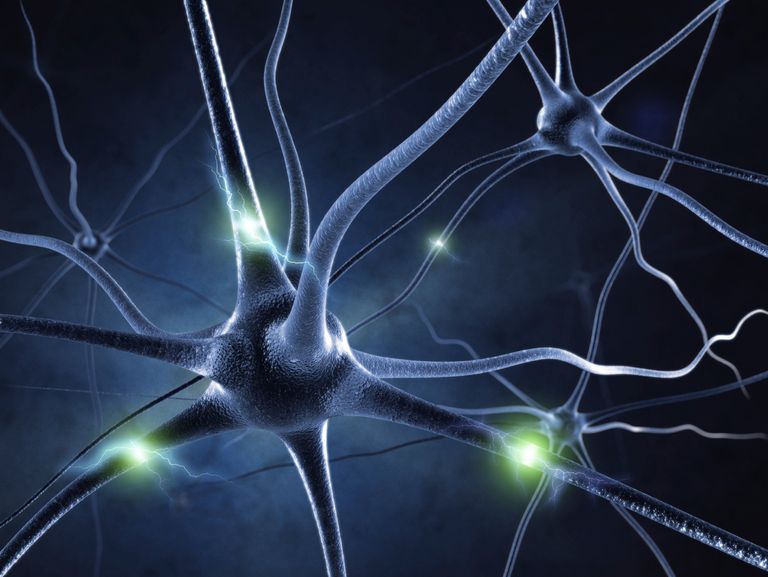
Enhanced multiscale human brain imaging by semi-supervised digital staining and serial sectioning optical coherence tomography
Faculty: Irving Bigio, David Boas, Lei Tian | Outlet: Nature
Photonics Center Faculty Included in Brink’s Best Stories of 2024
COVID (still) and immigration draw the most views, but readers were also captivated by superagers sharing their secrets of living to 100 and a BU-developed device to help detect skin cancer.
A Summer Experience Like No Other: Life as an REU at Boston University
If you went to summer camp, you’ll remember the feeling well: leaving home, sometimes for weeks at a time, learning new things and meeting new people. You might think of archery, rowing, campfires and fireworks as the dog days of summer stretch on. What might not come to mind is cardiology, lithography, single-molecule force spectroscopy, […]