News
Photographing Trump’s Washington
COM alum Sarah Silbiger is documenting history from the front row
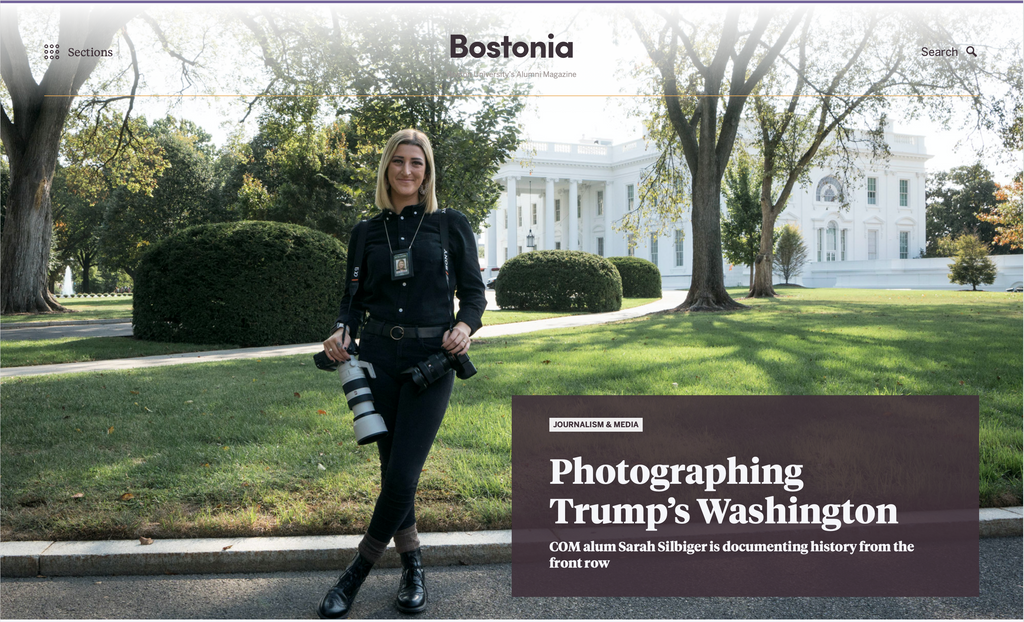
Sarah Silbiger (COM’18), a frequent member of the press pool photographing President Trump, outside the White House. Photo by Stefani Reynolds.
On the eve of the 2016 election, Sarah Silbiger was stuck in a corner of the media area at a Donald Trump rally in Manchester, N.H. Blinded by a laser-light show, deafened by blaring music, and gagging from a nearby smoke machine, the aspiring photojournalist came to a decision. “I remember feeling so miserable and so happy at the same time,” she says. “And I realized that I wanted to photograph politics.”
Then a junior on assignment for the Daily Free Press, Silbiger (COM’18) began plotting a postcollege move to Washington, D.C. She applied for about 50 internships, she says, before landing at Roll Call, the Washington newspaper and website covering Capitol Hill, in 2018. She moved to the New York Times a few months later and soon found herself in the Oval Office. Now a freelancer with a steady flow of work from the Times, the Washington Post, the Getty, Reuters, and other major news outlets, Silbiger is photographing D.C.’s biggest names—Trump, Pelosi, Mueller—on a daily basis. Bostonia spoke with her about what it’s like to have a front row seat for this tumultuous and historic time in the nation’s capital.
Q&A
WITH SARAH SILBIGER
Bostonia: When did you first consider a career in photography?
Silbiger: I remember that day so vividly: I was in eighth grade and they asked us to plan our lives. I was taking pictures on a little point-and-shoot camera, and I liked that, so I Googled “careers in photography.” It said “wedding photographer,” “artist,” “photojournalist,” and I thought, what’s a photojournalist? Then I Googled “schools with photojournalism” and found BU. I didn’t consider other schools at all. People in the hallways in high school would call me “BU.”
Why did politics appeal to you?
There aren’t many photojournalists that get to travel in a pack the way that political journalists do. I like the community aspect, and because we shoot the same thing over and over, we push each other to make compelling work.
Your second job out of college was with the New York Times. Is it typical for the paper to send someone right into the Oval Office?
Not for other companies, but the Times has been doing this for a while. It’s mostly because they have a guide in [longtime staff photographer] Doug Mills. He’s the most incredible mentor. On my first day at the White House he prepared me to go into the Oval, and he was like, “All right, go get them, kid.”
You’re often photographing the same people in the same buildings, standing behind microphones. How do you differentiate yourself, given those limitations?
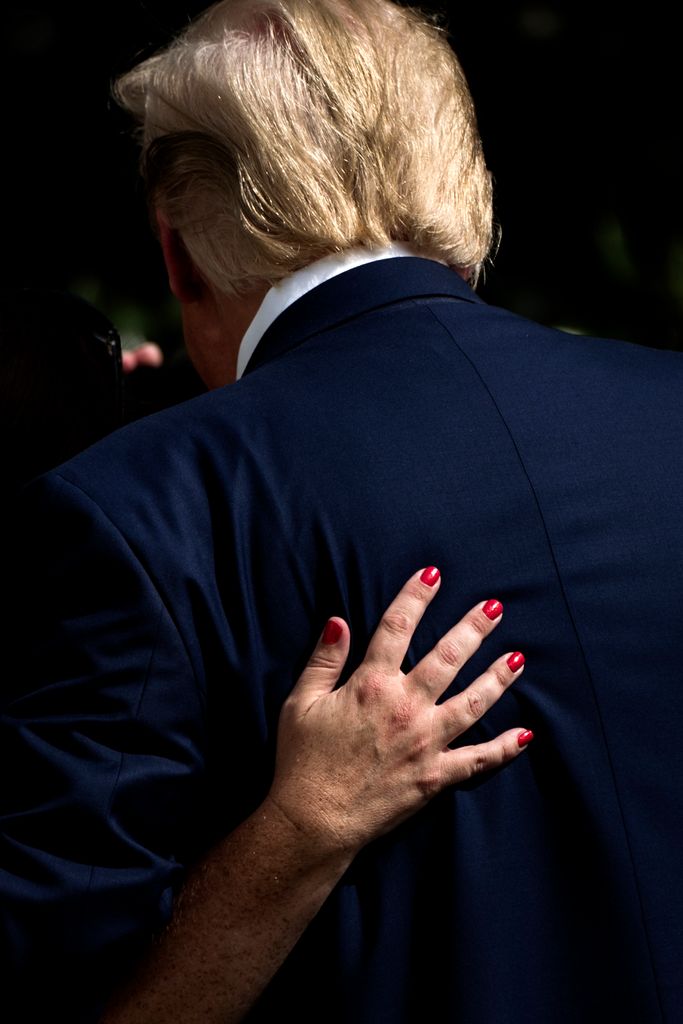
It’s making something out of nothing. I’m trying to find anything that’s going to make my image look less flat. I have one eyeball on whoever is speaking and then the other eyeball is going crazy looking for any little element or spark of light that can make a blob in front of them. It’s also making the photo that they didn’t set up for you. A perfect photo of Trump pointing behind the microphone is not the photo that we’re all waiting for—we’re waiting for when he hugs the American flag when he comes offstage.
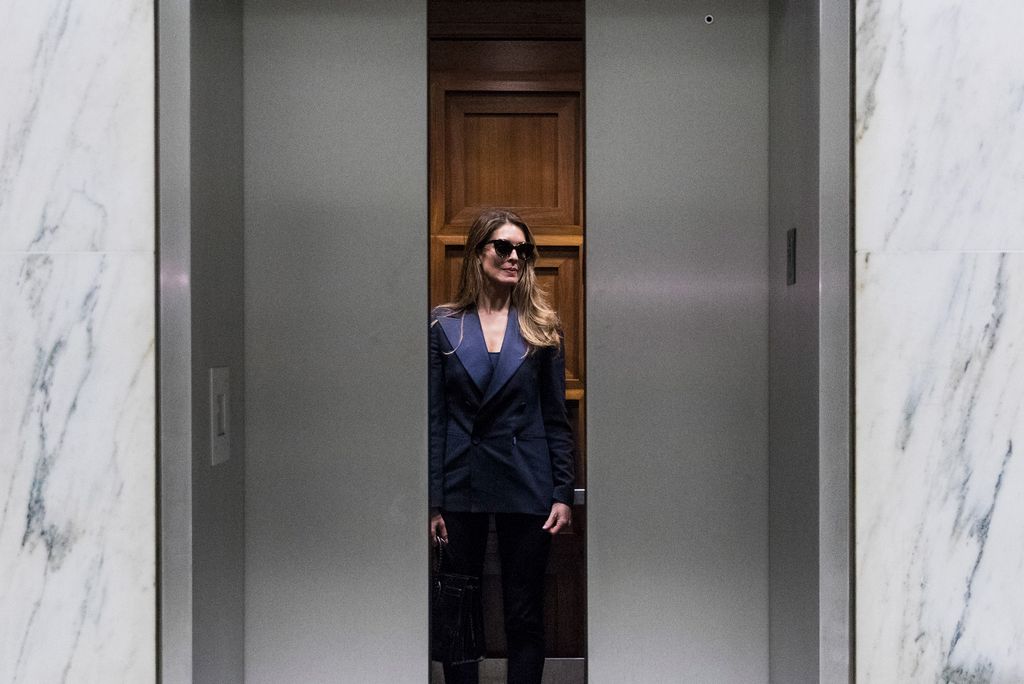
There’s a photo I made of [former White House communications director] Hope Hicks getting into an elevator. We waited outside of this closed-door briefing for around eight hours. We didn’t know when it was going to end, so we had to be prepared. That eight hours is spent having your cameras on and ready, shoelaces tied, so you’re ready to run. Those hours are tense, but it keeps you alert and hungry for that photo. It’s the in-between moments, the before and after.
President Trump has frequently called the media an “enemy of the people” and “fake news.” What’s it like to witness that from the front row?
When he’s saying those things in front of me, I don’t feel like it’s attacking me. He’s looking at the reporters. It’s when I’m not working that I really feel the brunt of it. I try not to wear my press pass while I’m in transit because I’ve had issues in crowds and in protests, people being nasty to me. When I’m in the East Room, I’m way more concerned about the lack of light than I am with what he’s talking about. And the insight I have about his rhetoric is that oftentimes, once the TV camera light goes off, his demeanor changes. He turns off the shtick, and while he isn’t buddy-buddy, he’ll tell us to have a good weekend.
What role do you think photojournalism plays in today’s media landscape?
Making an iconic image that changes the world is a little more challenging these days. We don’t look one place for images anymore, like page one of the New York Times—we look at thousands of different places. But I think all the imagery combined is giving people a much clearer understanding of what’s going on in our government. Seeing is believing, and people have an incredible visual knowledge these days because of the images we’re making.
The images you post to Instagram stand out from a lot of political photography. There are many extreme close-ups and candid moments. How would you define your style?
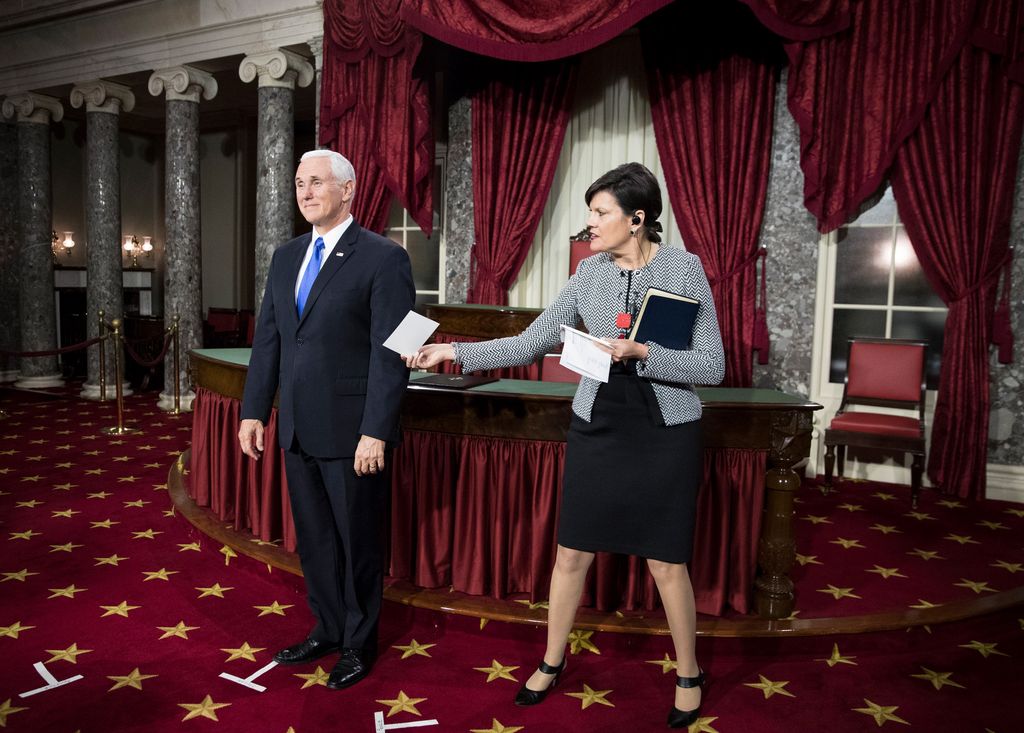
I like things that look like a coloring book. My favorite photo I’ve ever made is of [Vice President Mike] Pence looking rather statuesque. I just love that everything in that photo is either white, red, or black. This is exactly why I love politics, because sometimes it can be so phony and staged. I love that he’s standing on his little marker. It absolutely cracks me up. So I definitely am drawn to certain photos. But if you look up my name on Getty, you’re not going to see the same style. What I’m editing and putting on Instagram has a specific look to it.
How much time do you get with the president?
We get an enormous amount of face time compared to other administrations. We’ll see him three or four times in a day. He wants us there as much as possible. It’s been reported that he will Sharpie up newspapers, circling articles and photos and asking for prints of them. He definitely loves photos of himself, so he’s keenly aware of the photographers.
What’s in your camera bag?
I just switched over to a Sony mirrorless camera. I have two Sony a9 bodies, and then the two lenses I have are a 24-70mm, my wider lens, and a 100-400mm. That’s a little different—usually people carry a 70-200mm—but that’s how I get some of my favorite detail shots. I love getting tight on people’s eyes.
As a freelance photographer, what is a typical week for you?
There’s no lack of work and there’s no lack of news. Agencies will use their staffers first and when they run out of staffers, they’ll start calling freelancers. I have my phone on full-volume at all times, which can be a bit of a nuisance when the president starts tweeting up a storm early in the morning. But I need to have his tweets on alert. It helps me know what he’s up to.
This interview has been edited and condensed for clarity.
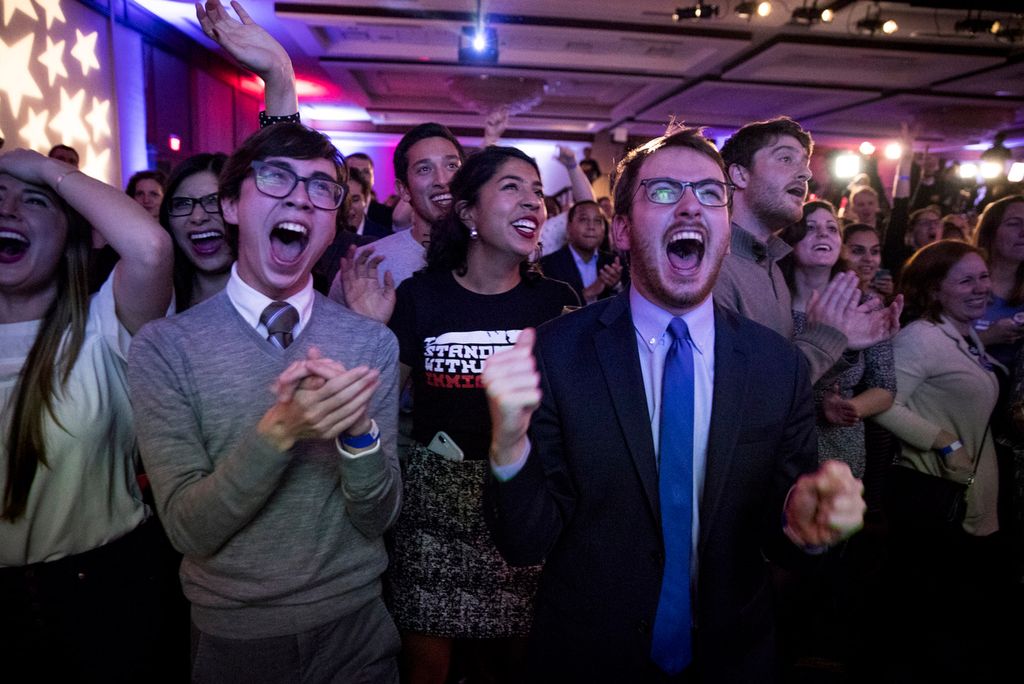
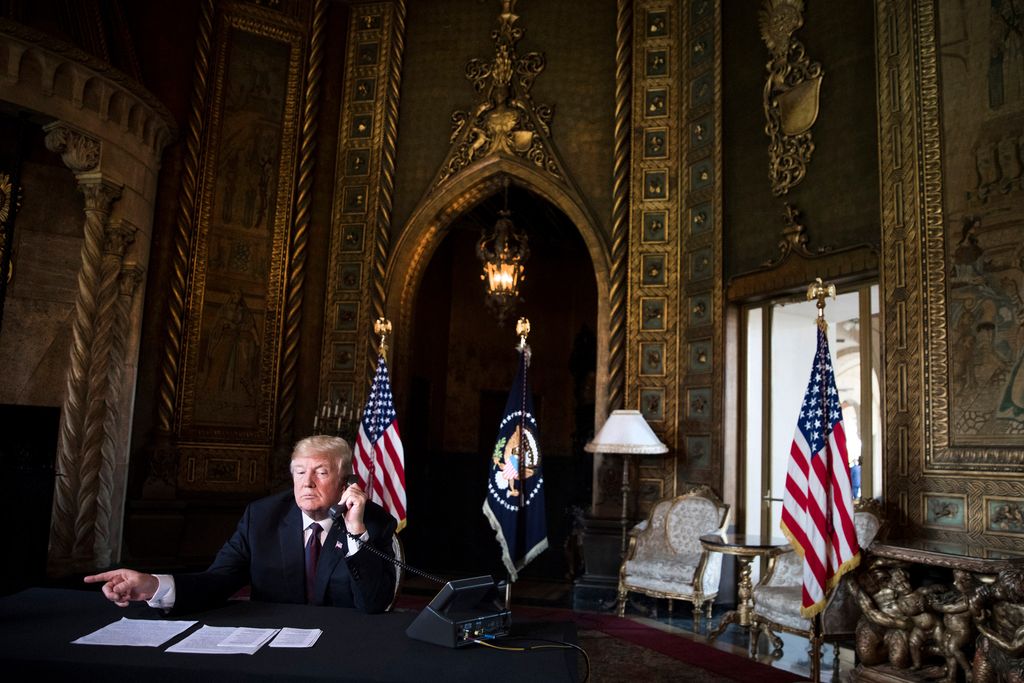
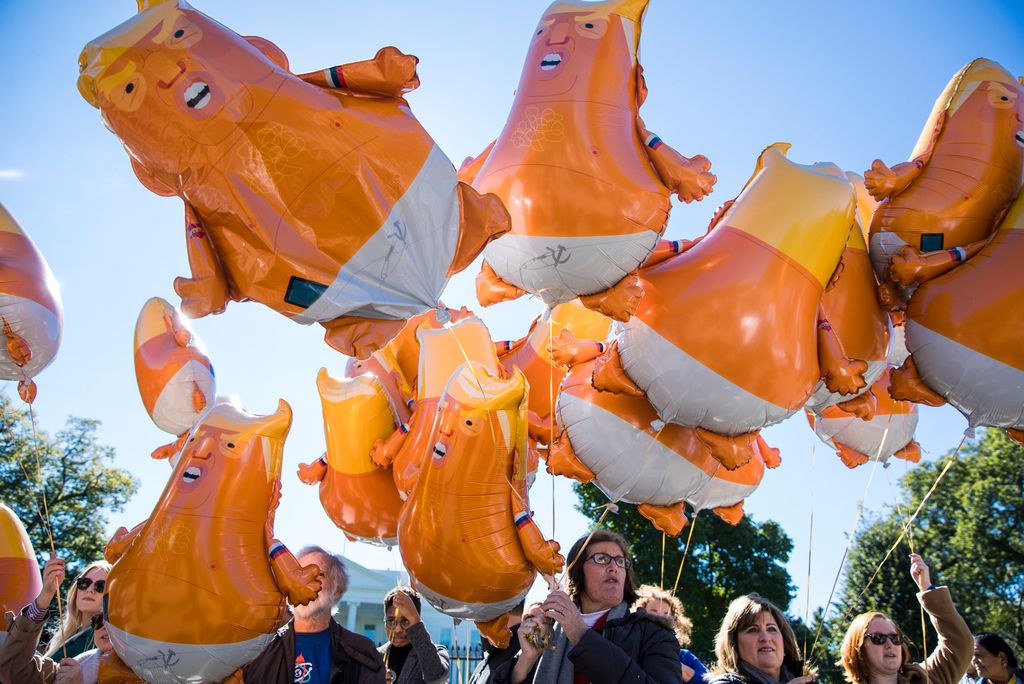
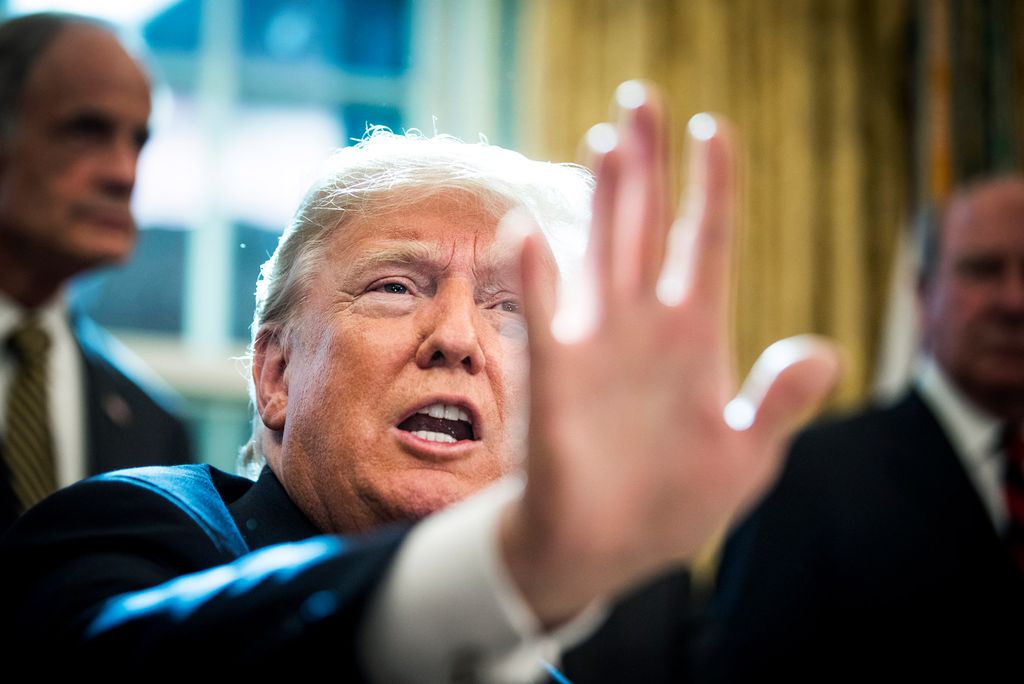
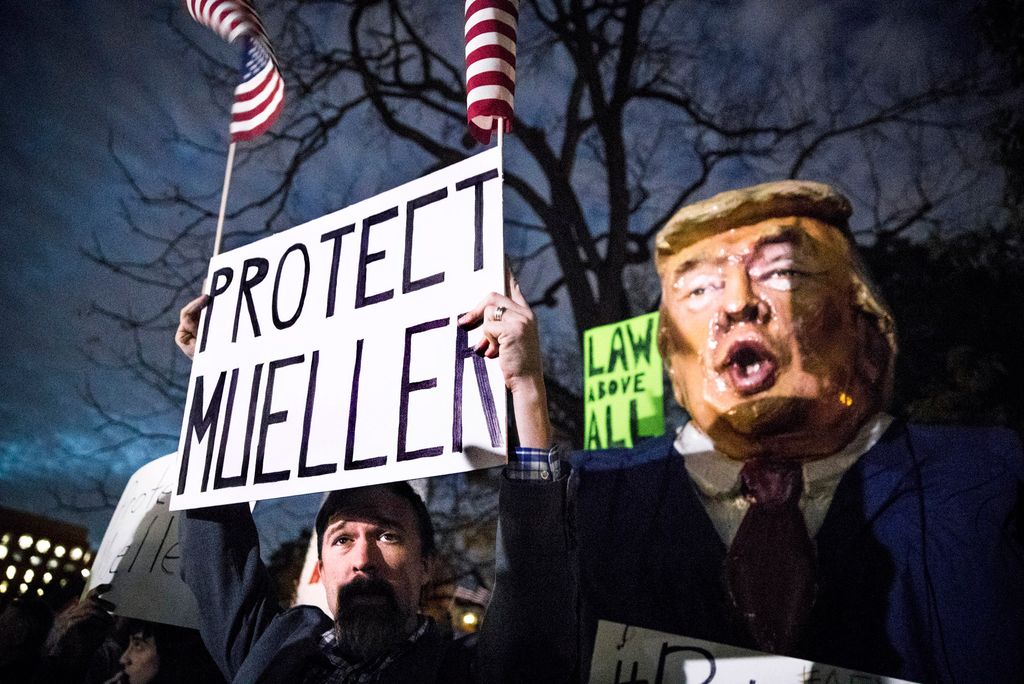
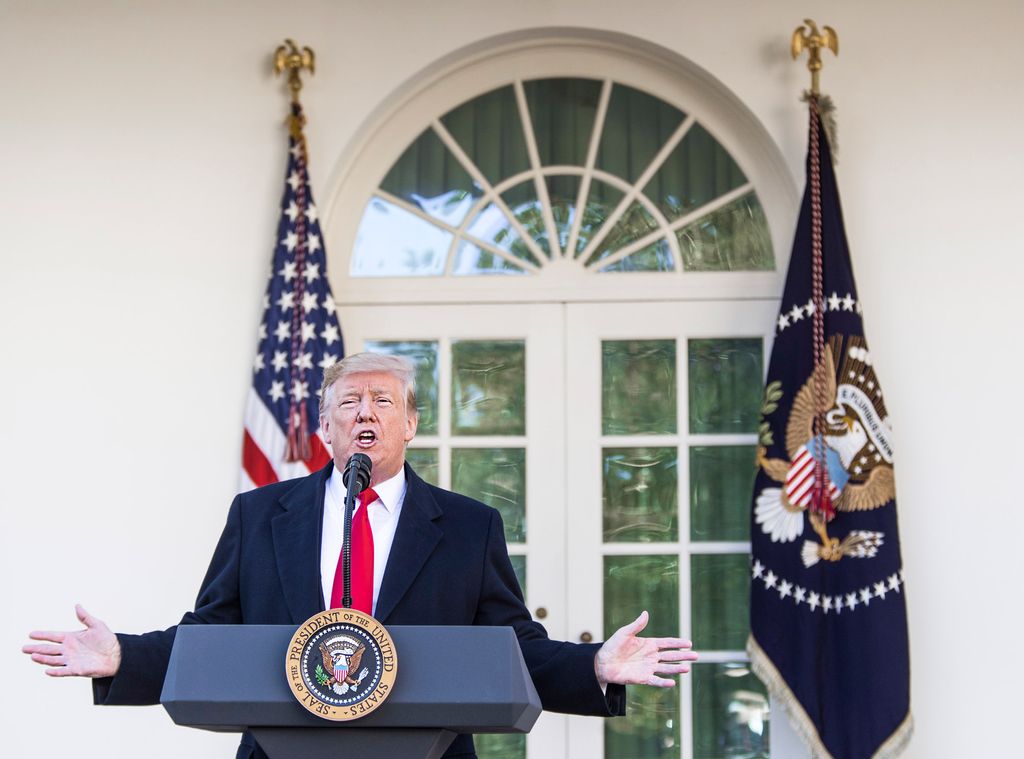
View more images of Sarah Silbiger’s work in the photo gallery below.


Addressing Hunger on Campus
 ON THE CHARLES RIVER
Addressing Hunger on Campus
Terrier Meal Share allows the BU community to donate dining hall meals to students in need.
See how it works
 RESEARCH HIGHLIGHT
Can Robots Revolutionize Recycling?
BU computer scientists are using a $2.5 million National Science Foundation grant to see if artificial intelligence can make the recycling industry cleaner, more efficient, and more profitable. Find out how
 BU IN DC
Responding to the Climate Crisis
BU tells the House Select Committee on the Climate Crisis that investing in research is key to understanding climate change and its impact on society. Read our response
IN CASE YOU MISSED IT...
BU College of Fine Arts Dean Harvey Young describes why theater is essential to politics in Salon... Katherine Levine Einstein and Maxwell Palmer of the BU College of Arts & Sciences discuss why a sitting mayor has never been elected to the presidency in The New York Times... Rebecca Ingber of the BU School of Law explains that federal employees involved in the impeachment proceedings are just doing their job in The Washington Post... The NIH Director's Blog describes what a memory looks like, according to research conducted by Steve Ramirez of the BU College of Arts & Sciences... Sarah Sherman-Stokes of the BU School of Law weighs in on proposed fees for asylum seekers in The Conversation.
Roscoe Giles, Lifelong Advocate for STEM Diversity, Named AAAS Fellow
BU engineer recognized for his work in advancing diversity and inclusion in the field of computation
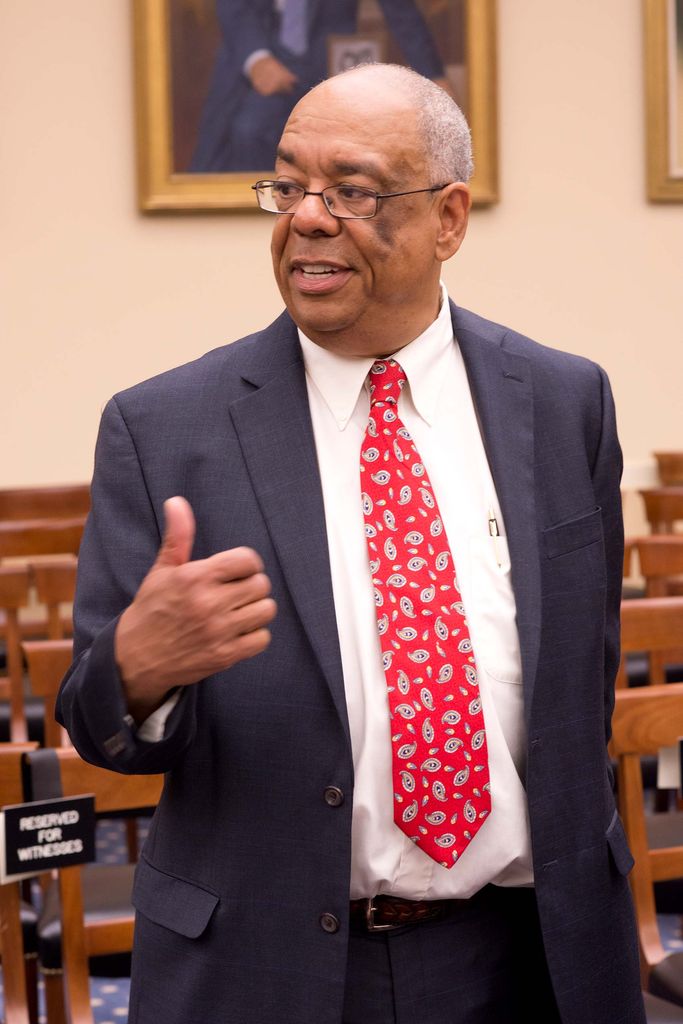 Roscoe Giles, Boston University College of Engineering professor of electrical and computer engineering, has had a career marked by firsts. He was the first black student to earn a PhD in physics at Stanford University, he was the first black chair of the board of trustees of nonprofit research management organization Associated Universities, Inc., and he testified before Congress in favor of the US developing the first exascale computer, which could become one of the most powerful supercomputers in the world. At BU, he helped establish the University’s first parallel supercomputer, a type of computing that employs many processors, all executing calculations simultaneously, to solve very large and complex problems. Photo (above) courtesy of Roscoe Giles.
Now, Giles is being recognized for his work in advancing diversity and inclusion in the field of computation. For his lifelong efforts, he has been elected a Fellow of the American Association for the Advancement of Science (AAAS).
Q&A
WITH ROSCOE GILES
The Brink: How did you first become interested in computer engineering?
Giles: I actually started out studying physics in college and graduate school, and became the first black physics PhD from Stanford University in 1975. During my time there, the physics department invited us to help with the recruitment and evaluation of additional minority graduate applicants and that process resulted in dramatic successes for the university. My graduation year was followed by a steady and significant stream of minority students each year thereafter.
I joined BU’s department of computer engineering in order to pursue the design and programming of cost-effective parallel computers, since there was a need for less expensive and more powerful supercomputers to do computational physics simulations. A novel approach at that time was to harness the combined power of multiple processors connected by a network to work on the problem. This was a wonderful computer engineering problem to have.
Can you tell us about your work here at BU and beyond?
Ultimately, we helped bring the first of several parallel supercomputers to Boston University. I also helped start the Center for Computational Science in the ’90s. I have continued to work to advance parallel computing for scientific simulations and I have collaborated with a number of national efforts. I also lead educational efforts to advance scientific computing curricula and engage underrepresented minorities and women in computational science. These efforts led to pioneering courses in parallel computing at BU, and are being recognized now by AAAS.
You’ve testified before Congress about exascale computing. Can you tell us more about that technology and what it means for the future?
I was a member and the longest-serving chair of the US Department of Energy’s Advanced Scientific Computing Advisory Committee until retiring from the position in 2015. In this role, I testified in Congress in 2012 and 2013 regarding the Exascale Computing Initiative, which ultimately was funded and will be completed in about 2023.
Exascale will be able to perform a billion operations per second. The only way that can be achieved is by having thousands of computer cores working simultaneously. Now that it looks like it will be achieved, I am helping to look ahead for what the future could hold for this technology.
How are you hoping this fellowship will elevate your work?
I am hopeful that this recognition for increasing participation of underrepresented groups in science will help validate and recognize the many other people who have championed such activities as scientists and professionals, too. As a graduate student in the ’70s, I saw firsthand the importance of creating pathways that invited, welcomed, and encouraged minority students in advanced scientific pursuits.
As a longtime educator, what is the most rewarding aspect of teaching for you?
I have always been interested in the academic environment both for its intellectual freedom and stimulation and the opportunities it affords. I am on sabbatical this semester, but will be teaching Logic Design and Introduction to Engineering Design in spring 2020. The most rewarding part of teaching, and the most challenging, is to have an impact on students’ understanding and ways of thinking and, ultimately, on their lives. It is very rewarding to see students who come back, sometimes years after graduation, and recall some such moments of impact from the time we spent together.
How do you enjoy spending your time outside of BU? Favorite hobbies or book recommendations?
I spend time with my family. We like to travel and see our grandchildren. I read a lot and enjoy movies. We recently saw “Harriet,” which was fabulous, and quite refreshing to see her story told. I’m also a bicyclist and thinking about getting an electric bicycle, since I tried one after being encouraged by BU folks interested in sustainable urban mobility. I think I’ve internalized the topographical map around here and realized an electric bike will make it much easier for exploration. It’s funny how we limit ourselves until we try something new.
Can you share any advice for the next generation of engineers and computer scientists?
I often tell people and students that while you’re starting out in your career, it’s common to spend a lot of time thinking about your subdiscipline, like in computer science or physics, but it’s important to realize that classification should not narrow your perspective or stop you from advancing your knowledge for what else is possible.
If you’re someone in an underrepresented group, like myself, it could be really easy to feel that other people in that discipline know more than you do. It’s easy to feel like you’re in the wrong place and it’s important for us and institutions to acknowledge that feeling, then work to connect and support one another in the spaces we can control. For me, that’s the classroom. Look for role models and ask them how they got to where they are and use that as a measure for reality, instead of what our culture tells us. There were a lot of times I was the only person like me in the room, but you have to bring your own perspective into the room with you. That’s part of our value as human beings.
Author, Jessica Colarossi is a science writer for The Brink. She graduated with a BS in journalism from Emerson College in 2016, with focuses on environmental studies and publishing. While a student, she interned at ThinkProgress in Washington, D.C., where she wrote over 30 stories, most of them relating to climate change, coral reefs, and women’s health. View her profile
Senate Examines China’s Talent Recruitment
BU IN DC
School of Social Work Dean Jorge Delva spoke about the social determinants of mental health at a National Academies of Sciences, Engineering, and Medicine workshop on November 15.
Dan Li of the College of Arts & Sciences gave a presentation the National Oceanic and Atmospheric Administration's Climate Program Office annual meeting on November 18 and 19.
Catherine Klapperich of the College of Engineering addressed the IEEE EMB Special Topic Conference on Healthcare Innovations and Point-of-Care Technologies on November 21.
SENATE EXAMINES CHINA'S TALENT RECRUITMENT
On Tuesday, the Senate Homeland Security and Governmental Affairs Committee's Permanent Subcommittee on Investigations held a hearing on "Securing the U.S. Research Enterprise from China’s Talent Recruitment Plans." Lawmakers acknowledged the essential role that international collaboration and cooperation play in the scientific enterprise, but highlighted a report detailing the impact of talent recruitment programs and how the federal government and universities were slow to recognize the threat. Policymakers expressed interest in harmonizing grant policies government-wide, adding additional grantee disclosures on funding sources and conflicts of interest, and increasing the vetting of visas.
BUZZ BITS...
- President Donald Trump signed into law a continuing resolution to keep the government operating at last year's funding levels until December 20. Lawmakers needed more time to negotiate a final budget deal for the current fiscal year, which began on October 1.
- The National Institutes of Health (NIH) announced that Dr. Martha Somerman will step down from her role as director of the National Institute of Dental and Craniofacial Research at the end of the year. NIH Principal Deputy Director Lawrence Tabak will serve as interim director until a replacement is found.
- President Trump nominated Crosby Kemper III to be the next director of the Institute of Museum and Library Services. Mr. Kemper is currently director of the Kansas City Public Library.
EVENTS NEWS YOU CAN USE
Next week, BU Office of Research will host its final Research on Tap for the semester on "Accelerating the Energy Transition: Transformative Pathways to Decarbonization and Sustainability." Hosted by the Institute for Sustainable Energy, the event will feature microtalks from researchers working on innovative energy solutions, including electric vehicle infrastructure, emerging technologies, just transitions to clean energy, sustainable water management, and more. The talk will be held in the Kilachand Center on December 4 from 4 to 6 p.m.
A Note to Our Readers: Beltway BUzz will not publish next week due to the Thanksgiving holiday. See you in December!
NIH Deputy Director Larry Tabak speaks on campus on November 18
“Research Challenges and Opportunities: A View from NIH”
Lawrence Tabak, DDS, PhD
Principal Deputy Director, National Institutes of Health
Monday, Nov. 18
1-2 p.m.
Instructional Building, L110
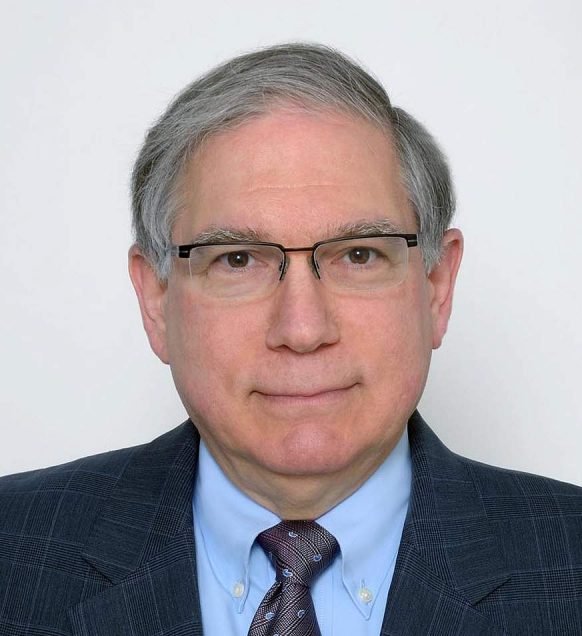 Dr. Tabak is the Principal Deputy Director of the National Institutes of Health (NIH) and the Deputy Ethics Counselor of the Agency. He previously served as the Acting Principal Deputy Director of NIH (2009), and as Director of the National Institute of Dental and Craniofacial Research from 2000-10.
Dr. Tabak has provided leadership for numerous trans-NIH activities, including the NIH Roadmap effort to support team science; the NIH Director’s initiative to enhance peer review; NIH’s American Recovery and Reinvestment Act implementation; the NIH initiative to enhance rigor and reproducibility in research; and the NIH-Wide Strategic Plan. He co-chaired working groups of the Advisory Committee to the Director of NIH on the Diversity of the Biomedical Research Workforce; the Long-Term Intramural Research Program; and currently is co-chair of both the Next Generation Researcher’s Initiative and High Risk High Reward Research working groups.
Prior to joining NIH, Dr. Tabak was the Senior Associate Dean for Research and Professor of Dentistry and Biochemistry & Biophysics in the School of Medicine and Dentistry at the University of Rochester in New York. A former NIH MERIT recipient, Dr. Tabak’s major research focus has been on the structure, biosynthesis and function of glycoproteins. He continues work in this area, maintaining an active research laboratory within the NIH intramural program in addition to his administrative duties. He is an elected member the National Academy of Medicine of the National Academies.
Diversifying STEM
 BU IN DC
Diversifying STEM
Boston University joined the Women's High Tech Coalition and Bloomberg Government to host a Capitol Hill briefing describing how an all-female hackathon provided a pathway for young women to enter technology fields. Find out how
 RESEARCH HIGHLIGHT
Eliminating Racial Disparities in Maternal Health
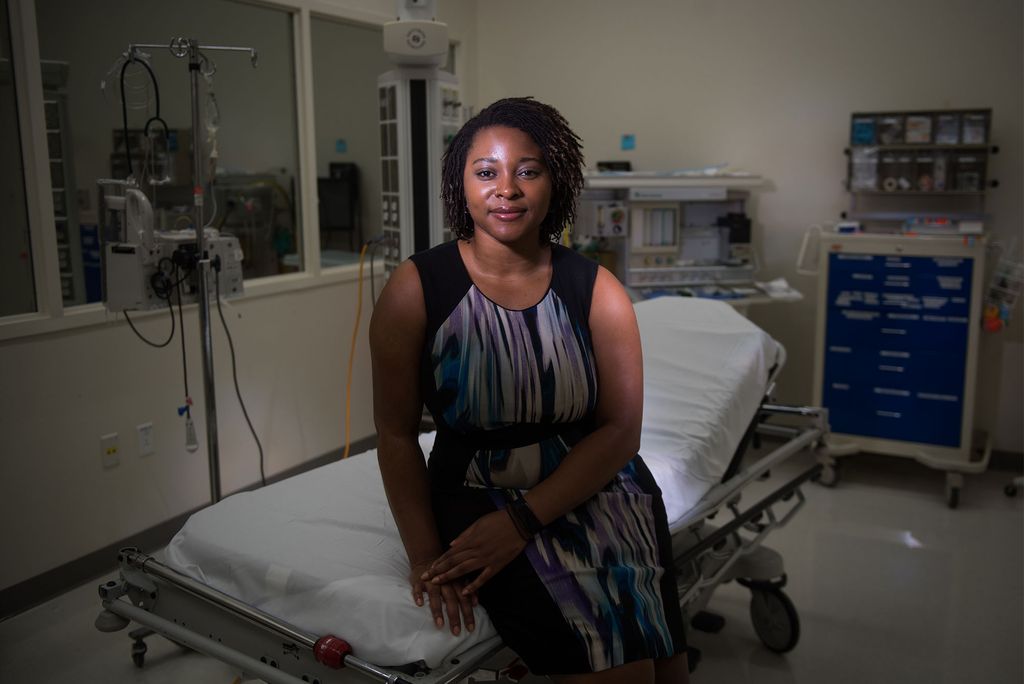
BU researchers are discovering why black women face more health risks before, during, and after pregnancy. See what they're doing about it
 FACULTY EXPERT
Treating Gulf War Illness
Kimberly Sullivan of the BU School of Public Health is one of the country's foremost experts on veterans’ illnesses caused by chemical exposure during the Gulf War, and she is determined to find effective treatments. Learn what she knows
IN CASE YOU MISSED IT...
The BU Global Development Policy Center released a report last week on Rethinking Trade Treaties and Access to Medicines.... Laura Lewis of the BU College of Engineering explains how sleep cleans up the brain to Reuters... Spencer Piston and Luisa Godinez Puig of the BU College of Arts & Sciences say white Trump voters are richer than they appear in The Washington Post... Henrik Selin of the BU Pardee School of Global Studies examines whether the Paris climate agreement can succeed without U.S. participation in The Conversation... Jeanne Kelley of BU Global Programs speaks with WBUR about how delays in international student visa processing are impacting Massachusetts.
BU Spark! Speaks to Policymakers
BU IN DC
Christine Montecillo Leider of the Wheelock College of Education & Human Development attended the National Professional Development Project Directors meeting sponsored by the U.S. Department of Education's Office of English Language Acquisition on November 13.
BU SPARK! SPEAKS TO POLICYMAKERS
On Tuesday, Boston University joined the Women's High Tech Coalition and Bloomberg Government to host a Congressional briefing highlighting innovative ways to diversify science, technology, engineering, and math (STEM) fields. Ziba Cranmer from BU Spark!, alumna Fiona Whittington, and other staff from the BU-supported TechTogether spoke to more than 50 Congressional staff, technology policymakers, and journalists about how their all-female hackathon provides a pathway for young women and non-binary individuals to enter technology fields. During a question-and-answer session with BGOV reporter Rebecca Kern, they provided advice on how policymakers can replicate their efforts and discussed the challenges faced by underrepresented minorities and women pursuing a STEM career.
SUPREME COURT HEARS DACA CASE
On Tuesday, the U.S. Supreme Court heard oral arguments over the legality of the Trump Administration's decision to end the Deferred Action for Childhood Arrivals (DACA) program. DACA permits undocumented immigrants who were brought into the United States as children to work and attend school. Over 40 higher education associations, including the Association of American Universities and the American Council on Education, filed an amicus brief in the case emphasizing the value of "Dreamers" and arguing that rescinding DACA would signal to international students that they are not welcome in the United States. A final ruling is expected by June 2020.
GRANTS NEWS YOU CAN USE
The U.S. Department of Energy's (DOE) Biological and Environmental Research program is soliciting applications for new observational and experimental studies to improve Earth system models. DOE is focused on three separate types of environments—terrestrial, watershed, and subsurface. DOE plans to make between five and 18 awards ranging from $300,00 to $1 million for one-, two-, or three-year projects. Pre-applications are due by December 5.
Congressional Briefing on Women and Diversity in STEM
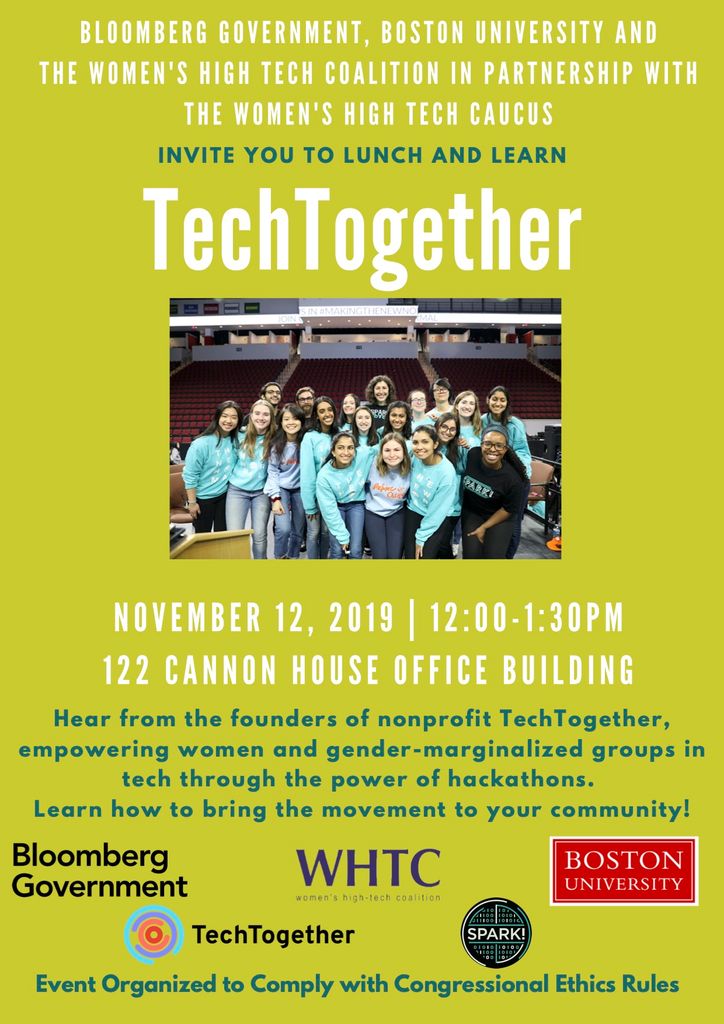
On Tuesday, November 12, 2019, Boston University joined the Women's High Tech Coalition and Bloomberg Government to host a Congressional briefing highlighting innovative ways to diversify science, technology, engineering, and math (STEM) fields.
Ziba Cranmer from BU Spark!, alumna Fiona Whittington, and other staff from the BU-supported TechTogether spoke to more than 50 Congressional staff, technology policymakers, and journalists about how their all-female hackathon provides a pathway for young women and non-binary individuals to enter technology fields. During a question-and-answer session with BGOV reporter Rebecca Kern, they provided advice on how policymakers can replicate their efforts and discussed the challenges faced by underrepresented minorities and women pursuing a STEM career.
Here’s How to Really Improve Gender Diversity in STEM Research
BU engineer and peers recommend formal policies that could level the playing field between men and women
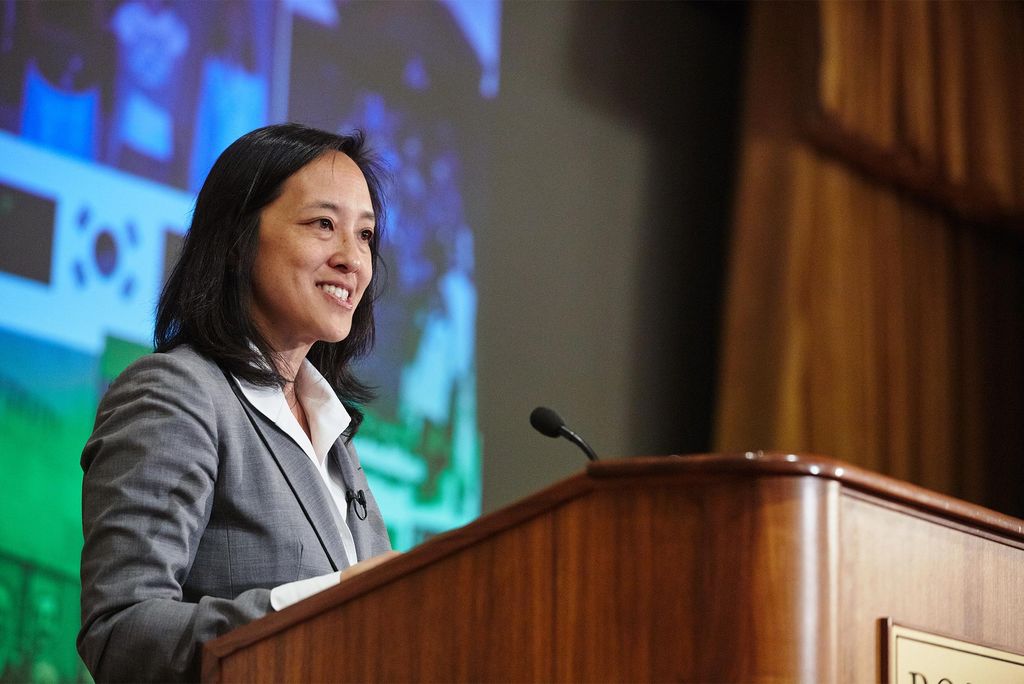
Boston University engineer Joyce Wong is a co-author on a new Science paper suggesting policies that could increase gender diversity in the STEM research workforce. Photo by Dave Green.
“Oh, that’s terrible, but that doesn’t happen here.”
When it comes to gender-based harassment in academic research, Joyce Wong says, it’s surprising how often people insist that while it’s happening at other institutions, it’s not happening at theirs. “A lot of times, if you don’t see it directly, you don’t think it’s happening,” Wong says. “But I would urge people to look a bit more carefully, try to be more attuned, and ask yourself: could this be happening in my lab or department?”
Wong, a Boston University College of Engineering professor of biomedical engineering and materials science engineering, is a coauthor on a new consensus paper published in Science describing a series of policy frameworks that could increase gender diversity in the STEM (science, technology, engineering, and math) research workforce. The paper, whose lead authors are researchers from Cold Spring Harbor Laboratory and Johns Hopkins University, arose from discussions during a December 2018 workshop at Cold Spring that focused on the issue of gender diversity in biological science.
“Our goal was to think about how institutional change from the top down, starting with funding agencies, could play a role,” says Wong, a leader in STEM diversity at BU and the inaugural director of ARROWS: Advance, Recruit, Retain & Organize Women in STEM. “There was representation from foundations and government agencies at the conference as well. It was very much a working conference—we were really talking about hard issues.”
The good news, she says, is that positive changes are already on the way from some of the leading STEM organizations. The National Science Foundation (NSF), the National Institutes of Health (NIH), and other funding agencies, like NASA and the Howard Hughes Medical Institute, are all determined to do better. “They have their own working groups to make policy changes,” she says.
A big aspect of increasing gender diversity in STEM research, Wong says, is to acknowledge, and raise awareness of, unconscious bias. “We can’t just say unconscious bias doesn’t exist,” she says. “Specifically for women, it’s making sure we speak up and we recognize women for their accomplishments. Part of that is having more recognition, especially for the nonpromotable work that women tend to do a lot more of.” Examples of that work are service-oriented tasks such as ordering team lunches or taking notes during meetings.
The Brink talked with Wong to learn more about what she and her coauthors recommend in their paper, which outlines the group’s “potentially high-impact policy changes…that can be rapidly implemented to counteract barriers facing women in science.”
“The thing that kills me is…if there’s someone who has in any way been prevented from going into STEM [because of gender discrimination], that’s a tragedy,” Wong says. “Strategically, as a country we can’t afford that. We have to be proactive.”
Six top takeaways from the Science paper:
1. Sexual harassment should be treated as severely as scientific misconduct
Many funding agencies require that institutions receiving grants have a framework in place for reporting, investigating, and punishing research misconduct. The same rigor should be required for reporting, investigating, and punishing sexual harassment. Researchers should also be mandated to disclose to funding agencies and potential institutional employers any harassment findings or settlements.
2. Institutions should protect the careers of harassment victims
If a researcher is ousted from employment or funding because of harassment findings, their victims and other members of their lab are often unintentionally impacted by loss of funding and other mechanisms.
3. To eliminate bias, emphasize transparency
To end gender-specific disparities, institutions should be more transparent about how resources—like start-up packages, salaries, and internal grant funding—are allocated among employees.
4. Establish family-friendly policies to equalize career impacts
Researchers are evaluated for promotion based on how long they were in a postdoctoral position, how many years it’s been since they completed their PhD, the amount of time it took to get their first grant, or how many papers they’ve published. But pregnancy, child-rearing, or other family-related matters can disrupt the timeline and disproportionately benefit men. Gender-neutral family leave policies would equalize responsibilities between men and women. Formalized policies around flexible working hours and telecommuting could allow women—and men—to better balance their careers and life at home.
5. Make career advancement opportunities more fair
Women spend more time teaching and doing institutional service, factors that are not of typical importance for promotion decisions. Instead, publications in high-impact journals are often the preferred measure for evaluating a researcher’s success. Yet female authors still remain underrepresented in the highest-profile journals. Further, promotion panels should be a balance of both men and women, since all-male panels are less likely to promote women in academia.
6. Prioritize mentorship
Funding institutions like the Wellcome Trust, the Max Planck Institute, the Howard Hughes Medical Institute, the NSF, and the NIH have created new policies to emphasize the importance of career enhancement and mentorship plans as scorable aspects of grant proposals. Making this a criterion for all grant applications, and making mentorship part of annual reviews and promotion evaluations, could encourage institutions to prioritize health training environments within their research departments.
BUzz Bits
BU IN DC
Shamiran Mako of the Pardee School of Global Studies spoke at a panel discussion on Iraqi protests at the Center for Contemporary Arab Studies on November 1.
Associate Vice President for Enrollment and Dean of Admissions Kelly Walter attended the College Board Forum between November 6 and 8.
Michael Woldemariamof the Pardee School of Global Studies spoke about politics in the Greater Horn of Africa at a Johns Hopkins School of Advanced International Studies event on November 6.
Kevin Outterson of the School of Law addressed the World Anti-Microbial Resistance Congress on November 7 and 8.
BUZZ BITS...
- The U.S. Department of Education issued final regulations governing college accreditation and state authorization of distance education. The rules make it easier for accreditors to approve new programs and set guidelines for colleges offering online programs outside their home state. The new rules will go into effect in July 2020.
- On Tuesday, the President nominated Dr. Stephen Hahn, chief medical executive of the MD Anderson Cancer Center, as the next commissioner of the U.S. Food and Drug Administration. Acting Commissioner Ned Sharpless returned to his role as director of the National Cancer Institute last week.
- White House Office of Science and Technology Policy hosted a summit with federal and civilian leaders from the scientific enterprise to discuss research security, safe and inclusive research environments, research integrity, and reducing administrative burdens on November 5.
GRANTS NEWS YOU CAN USE
Are you looking for funding to establish a research center or support large, collaborative research activities? Check out the Federal Relations web site for an updated primer from Lewis-Burke Associates on federal resources for large research centers, with detailed information on opportunities available at the National Science Foundation, the National Institutes of Health, the Department of Defense, the Department of Energy, the National Aeronautics and Space Administration, the Department of Homeland Security, and the Department of Transportation.
EVENTS NEWS YOU CAN USE
Join the BU Office of Research for "Light as Medicine," a Research on Tap event featuring microtalks from BU faculty who are working at the intersection of photonics and life sciences. Professor Ji Xin Cheng will host the event on November 20th at 4 p.m. at 765 Commonwealth Avenue. Speakers will discuss research on topics ranging from monitoring breast cancer therapy by diffused photons to modulating neuron activity at high precision. A wine and cheese reception will follow.