News
Melania Trump Visits Opioid-Exposed Infants at BMC
Amid protest outside, First Lady sees unique cuddling program for mothers and their babies up close
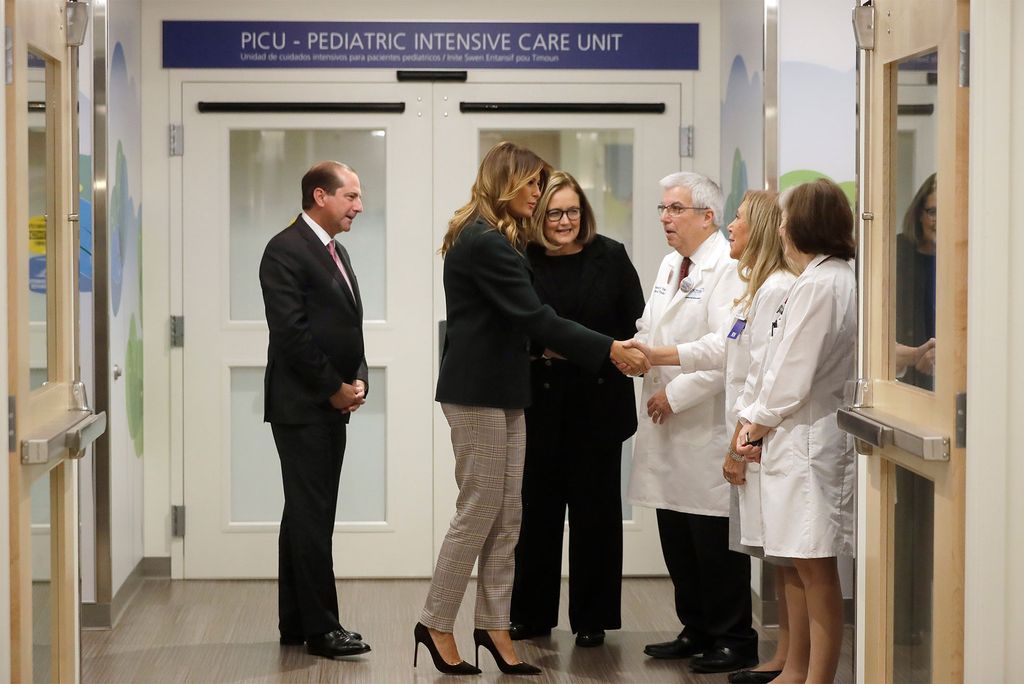
First Lady Melania Trump with US Secretary of Health and Human Services Alex Azar (from left), Kate Walsh, BMC president and CEO, Bob Vinci, BMC chief of pediatrics, Karan Barry, BMC Pediatric Intensive Care Unit nurse manager, and pediatrician Eileen Costello during her visit to Boston Medical Center. Trump was informed about the hospital’s Cuddling Assists in Lowering Maternal and Infant Stress program (CALM), which works to help mothers with substance use disorders and their infants born with neonatal abstinence syndrome (NAS). Photo by Steven Senne/Pool/AFP via Getty Images.
First Lady Melania Trump visited Boston Medical Center on Wednesday to learn about a unique program at the hospital that helps mothers and their newborns born with prenatal opioid exposure by encouraging as much skin-to-skin contact as possible.
Her visit sparked demonstrations outside the hospital, with more than 100 doctors, nurses, and other BMC affiliates gathering on Moakley Green to let the hospital administration know that they oppose welcoming Trump because they believe many of President Trump’s policies have been harmful to the families, members of the LGBTQ community, and disadvantaged populations that BMC serves the most. One protestor’s sign read: “Our BMC Cares for All,” another: “Exceptional Care, No Exception,” and a third: “Cuddles not cages.”
Inside, the focus was on the center’s Cuddling Assists in Lowering Maternal and Infant Stress (CALM) program. As part of her visit, Trump met with families and infants getting support from the program, which has successfully treated infants and mothers since it was launched in 2016. “I hope today’s visit helps shine a light,” Trump told the media that attended. “It is my hope that what we discuss today will encourage others to replicate similar programs within their own communities.”
By using a nonpharmacologic approach to opioid-exposed infants—including the CALM program, along with intensive, supportive care—BMC has seen significant changes. Before that strategy, 86 percent of infants with opioid exposure were treated with medication, but that figure has since dropped to between 30 and 40 percent.
BMC has a long-standing commitment to treating opioid addiction. Earlier this year, led by Jeffrey Samet (SPH’92), BMC chief of general internal medicine and a Boston University School of Medicine professor of medicine, the hospital was awarded $89 million from the National Institute on Drug Abuse to reduce opioid overdose deaths by 40 percent in 16 Massachusetts communities.
Prior to the First Lady’s visit, Kate Walsh, president and CEO of BMC, emailed BMC’s 6,000 employees, saying she hopes “the visit will be a unique opportunity to share our values of respect and inclusion with federal leaders whose policies have a significant impact on the vulnerable populations we are dedicated to serving.” She added that Trump’s visit is a chance to highlight successful programs like CALM.

Elisha Wachman, a MED associate professor of pediatrics and CALM faculty advisor, founded the cuddling program, and since its inception has consistently seen that simple human contact can dramatically benefit infants born with neonatal abstinence syndrome (NAS), a withdrawal syndrome newborns experience after being chronically exposed to opioids during the mother’s pregnancy.
In the early days of the program, Wachman and her team studied the percentage of time a parent was at an infant’s bedside and found the amount of time spent with the newborn was directly correlated with a happier, healthier baby.
“This was the first time someone said, wow, it actually makes a big difference to have someone there, it’s directly correlated with how the baby is going to do,” says Wachman. According to her research, nonpharmacologic care significantly reduces the need for medication and the amount of time the babies spend in the hospital after they are born.
According to the Massachusetts Department of Public Health, opioid-related deaths have increased more than 500 percent since 2000, with more babies being born exposed to opioids. The number of infants born with NAS in the United States has jumped fivefold, to about 5 per 1,000 live births. In Massachusetts, the rate is even higher, 20 per 1,000 live births. The commonwealth has started to see an incremental slowdown in the number of deaths from opioid use in the past couple of years, but the issue remains widespread across Massachusetts and the country.
One of the goals of the First Lady’s Be Best campaign is to provide support and education to families and children affected by the opioid epidemic and bring wider public attention to NAS. During her Boston visit, Trump, who was accompanied by US Health and Human Services Secretary Alex Azar, also received a briefing on several other programs at BMC aimed at assisting pregnant women with substance use disorder (SUD).
After a mother with SUD gives birth at BMC, clinicians monitor the newborn for withdrawal symptoms and provide comfort and support when it’s needed. And as one would imagine, the wait-list to be a volunteer baby cuddler is long. Volunteers go through training before taking shifts that are typically one to two hours between 8 am and midnight, when the babies are most likely to need extra care.
“A lot of these mothers have a lot else going on in their lives,” Wachman explains in a video the School of Medicine created about the program, in which medical students participate. “So there’s times when they can’t be at the bedside, at which point a CALM cuddler can step in.”
The protest that took place outside was largely silent, with no speakers, just a group of employees gathered together.
“We’re here standing in solidarity with our community, who has been attacked by the Trump administration,” says Tiffany Rodriguez, a BU School of Public Health student and part of BMC’s Vital Village Network. “Everything we do here at BMC stands for increasing access to healthcare—it stands for women, it stands for immigrants, LGBTQ healthcare. We will not be complacent, and we do want to let everyone know that BMC staff is for the community.”
BMC infectious disease fellow Karim Khan, who joined the protest, also said the group was there to stand with impacted community members. “A lot of our patients come from communities that have been specifically targeted by the Trump administration,” he says. “We want our patients to know that [BMC] is a safe place to come and get care.”
In her note to BMC staff, Walsh said: “As the largest safety-net hospital in New England, our relationship with the federal government is extremely important. Two-thirds of our patients have some form of government insurance, and our health plan is the largest participant in the state’s Medicaid accountable care organization, so the opportunity to highlight the innovative work we are doing is critical to ensuring that we are able to continue to deliver on our mission well into the future.”
Congresswoman Ayanna Pressley (D-Mass.) released a statement Wednesday saying that Trump’s visit is “a chance to remind and educate the Secretary and First Lady of the ways in which our medical centers work to eliminate disparities and ensure that all people, regardless of income and immigration status, have a fundamental human right to healthcare.”
BU Today staff writer Amy Laskowski contributed to this article.
Author, Jessica Colarossi is a science writer for The Brink. She graduated with a BS in journalism from Emerson College in 2016, with focuses on environmental studies and publishing. While a student, she interned at ThinkProgress in Washington, D.C., where she wrote over 30 stories, most of them relating to climate change, coral reefs, and women’s health. View her profile.
Ayanna Pressley Tells BU Students: “Stand in Your Truth”
BU College Democrats host Massachusetts US representative at town hall
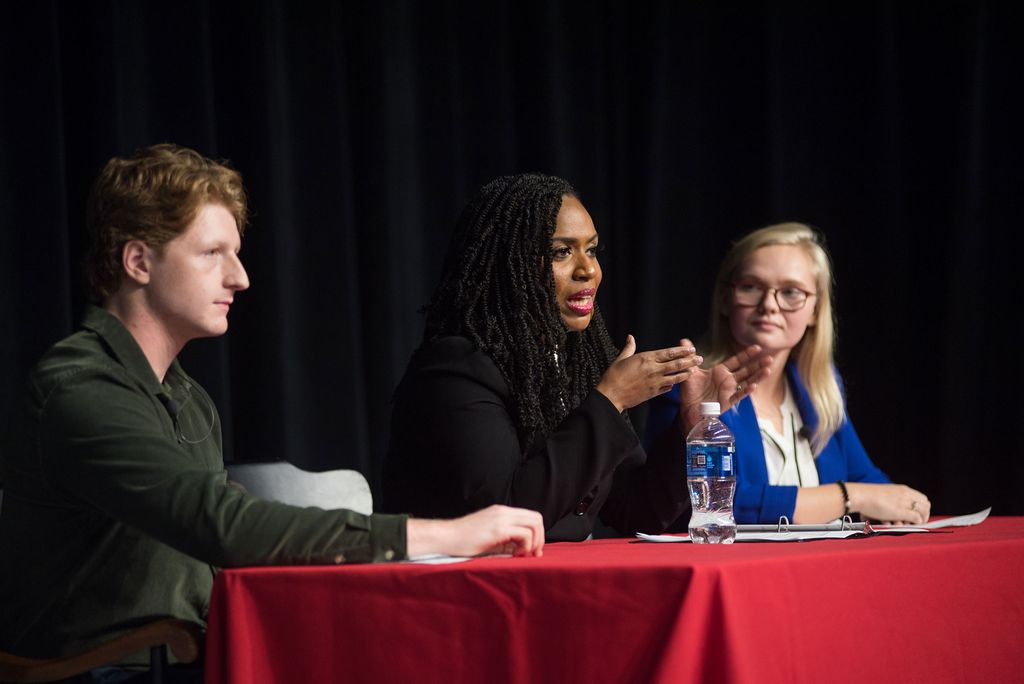
Massachusetts Congresswoman Ayanna Pressley (center): “BU invested in me.… I poured into it, and it poured into me.” Photo by Cydney Scott.
US Representative Ayanna Pressley, the candidate who upended Massachusetts’ political order a year ago and has become one of President Trump’s fiercest critics in Congress, told Boston University students Tuesday to “stand in your truth, lean in on it” and let it be a guide.
“Consider careers in public service,” Pressley (D-Mass.) said to a crowd of 200 students gathered at the George Sherman Union Conference Auditorium to hear her speak on Tuesday afternoon. “Your opportunity for service is not limited to being on the ballot, or who you cast a ballot for.”
The town hall event was hosted by the BU College Democrats on a day when voters around the country headed to the polls for state and municipal elections that could offer insights into the national mood a year before the 2020 presidential race. It was just a year ago that Pressley, then a Boston city councilor, defeated 10-term Congressman Michael Capuano (Hon.’09), also a Democrat, in a race that many said she couldn’t win.
Once in Washington, Pressley has continued to challenge the status quo, alongside Alexandria Ocasio-Cortez (CAS’11, Pardee’11) of New York, Ilhan Omar of Minnesota, and Rashida Tlaib of Michigan, four progressive women of color who were elected in 2018 and have become known as The Squad because of their unflagging criticism of Trump’s policies and practices, including his anti-immigration efforts. (On Wednesday, Pressley announced she was endorsing U.S. Senator Elizabeth Warren(D-Mass.) for president.)
When Trump described the impeachment process as a “lynching” in a morning tweet in October, Pressley could not stay quiet. “Haven’t even had coffee yet & the occupant of the WH, the bigoted man who called for the execution of the exonerated 5, is tossing the word ‘lynching’ around,” she tweeted. “Lord give me the strength to not take the bait but hold this man accountable for every single thing he says and does.”
Pressley told the BU crowd that the skepticism she heard when she ran against Capuano mirrored what she heard when she ran, successfully, for Boston City Council in 2009. When she talked about wanting to help teenage girls of color at a time when most discussions centered around the effects of violence on black and brown boys, the response was discouraging.
“People told me I should go run a nonprofit,” she said.
Pressley spoke for nearly an hour, answering student questions that had been collected prior to the event. (Her appearance came one day before First Lady Melania Trump will be in Boston to visit Boston Medical Center on Wednesday.) In her talk, Pressley touched on issues from key career decisions to the lack of diversity in the #MeToo movement to social media’s influence on politics. Dressed in black and wearing an “I believe Anita” button on her lapel (a reference to Anita Hill, who was vilified when she testified at the 1991 Senate confirmation hearings of Supreme Court nominee Clarence Hill that Hill had sexually harassed her when he was her supervisor at the US Department of Education), she saved her sharpest rhetoric for President Trump and the effort to impeach him.
His administration has rolled out “insults and assaults…by the hour,” Pressley said, and promoted misogynistic, xenophobic, and LGBTQ-hostile attitudes that degrade the nation’s highest office. Moreover, she added, the administration treats being poor as though it’s a character flaw.
“I did not run for Congress to impeach the occupant of this White House,” she said. But “not only do I think that [impeachment] is possible, I think it’s necessary.”

Pressley, who attended BU’s College of General Stuides for two years in the early 1990s, told the crowd that she is a survivor of a childhood rape as well as a campus sexual assault. She was raised in Chicago by an activist mother, and her father was in and out of jail for crimes associated with his opioid addiction. Although she did not graduate from BU, she said, it was a formative experience.
“BU invested in me, gave me a great scholarship package,” she said. “I poured into it, and it poured into me.”
Those experiences, as well as being an aide for former US Representative Joe Kennedy II (D-Mass.) and later an aide for 11 years for US Senator John Kerry (D-Mass.) (Hon.’05), helped shape her career. For example, the #MeToo movement, she said, was not inclusive, so she introduced a sweeping sexual harassment bill with US Representative Katherine Clark (D-Mass.) that aims to stop workplace inequalities and mistreatment and violence against often overlooked populations, like domestic workers and day laborers.
Archelle Thelemaque (COM’20) was one of more than 80 students who lined up to have a photo taken with Pressley at the end of the event. She said she admires Pressley’s steadfastness when it comes to her priorities.
“She is unwavering,” Thelemaque said. “Every time I hear her, I come away with a new piece of information that resonates with me deeply as a black woman.”
Political science major Faith Rynda (CGS’20, CAS’22) said she hopes to intern for Pressley. Unlike politicians who change once they make it into office, she said, or try to fit in with the traditional crowd, Pressley is “creating space” for new ideas about what politics can be and what it means to hold office.
“It proves to me that things are going to change,” said Rynda. “And that, yes, you can find that space.”
You’re Invited: Diversifying STEM
 BU IN DC
You're Invited: Diversifying STEM
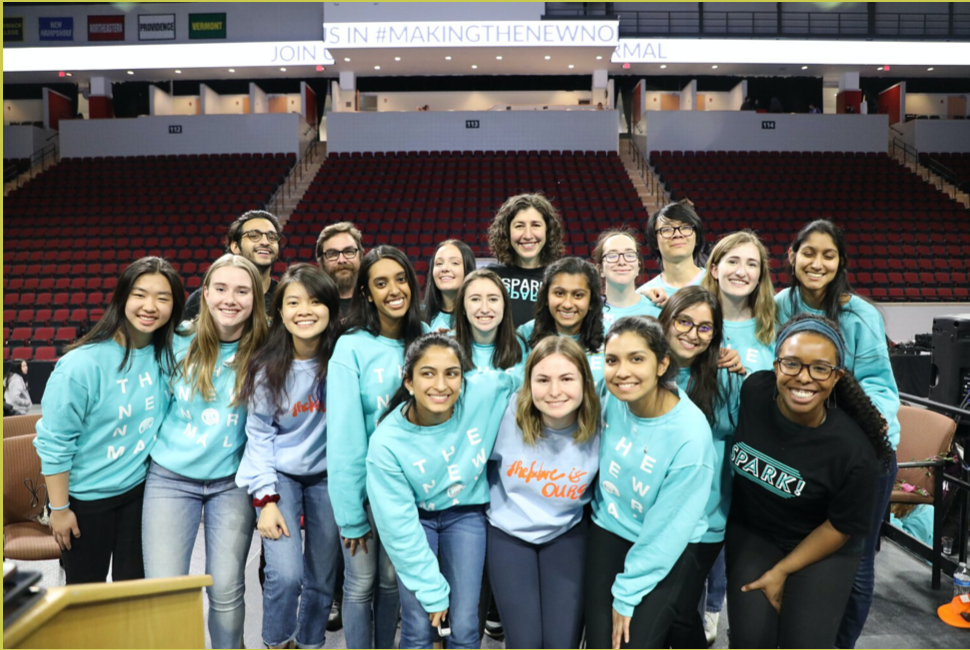
Learn how a hackathon for young women is changing the future of technology at a November 12th Capitol Hill briefing sponsored by Boston University, the Women's High-Tech Coalition, and Bloomberg Government. RSVP today
 COMMUNITY RESOURCE
Combating Human Trafficking -- With an App
Massachusetts Attorney General Maura Healey announced her office will use technology developed by BU students to identify and help victims of forced labor. See the RESULT

FACULTY EXPERT
Artificial Intelligence Needs a Heart
BU Professor Azer Bestavros explains that computer scientists need to broaden their studies to understand the role of ethics, fairness, and safety in technology. Learn why
IN CASE YOU MISSED IT...
Jessica Stern of the BU Pardee School of Global Studies warns the jihadi movement will continue after the death of ISIS leadership in The New York Times... BU Questrom School of Business Dean Susan Fournier outlines five ways to close the gender wage gap in Authority Magazine... Victor Coelho of the BU College of Fine Arts talks about the role of the Rolling Stones in music history with WBUR... BU professors explain what exactly quid pro quo means anyway... BU Law Professor Danielle Citron discusses the danger of revenge porn in New York magazine.
House Committee Passes Higher Ed Bill
BU IN DC
Kate Mellouk of Research Compliance, Dolores Markey and Renna Lilly of Sponsored Programs, and Gretchen Hartigan of Post Award Financial Operations attended the fall meeting of the Council on Governmental Relations on October 24 and 25.
Mayank Varia of the College of Arts & Sciences met with Congressional and National Science Foundation staff between October 28 and 30.
HOUSE COMMITTEE PASSES HIGHER ED BILL
On Thursday, the House Education and Labor Committee passed the College Affordability Act (H.R. 4674) with unanimous Democratic support and Republican opposition. The bill would reauthorize the Higher Education Act, allow low-income students to use Pell Grant funding for graduate education, expand Public Service Loan Forgiveness, and reinstate federal subsidized graduate student loans. Despite the infusion of student aid funding, colleges expressed concerns about aspects of the bill that would increase federal regulation of accreditation, student safety, and other matters. The full U.S. House of Representatives is expected to vote on the bill later this fall, but the U.S. Senate is unlikely to consider it.
BUZZ BITS...
- The Senate passed a spending bill (H.R. 3055) yesterday that would increase funding for the National Science Foundation, research activities at the National Aeronautics and Space Administration (NASA), and the National Endowment for the Humanities in fiscal year 2020. Although the House has passed similar spending bills, the chambers are unlikely to reach agreement on a final budget until later this year or early in 2020.
- Last week, BU responded to the White House Office of Science and Technology Policy's request for input on how to advance the U.S. bioeconomy. The University's letter highlighted the fields of synthetic biology, infectious disease, and neurotechnology.
- Sandra Cauffman, acting director for NASA's Earth Science Division, will meet with BU faculty on campus today. The Office of Research is hosting her visit.
EVENTS NEWS YOU CAN USE
Interested in learning more about op-ed writing and how to pitch media? Join the Office of Research and Public Relations for an engaging and informative workshop led by editors at The Conversation, an influential media outlet that publishes content exclusively from academics and researchers. Whether you are brand new to op-ed writing or looking for a refresher, this workshop is uniquely geared towards helping faculty, researchers and scientists of all disciplines write about their work in a way that can inform public debate and shape scientific, cultural, and intellectual agendas. The event will take place on November 6 from 3 to 5 pm at the Hillel House.
Rep. Frankel Headlines BU Alumni Event
BU IN DC
President Robert A. Brown attended the fall membership meeting of the Association of American Universities between October 20 and 22.
Danielle Citron of the School of Law spoke at the Technology Ethics Center's Deepfake Conference on October 18.
Mayank Varia of the College of Arts & Sciences and Tiffany Li of the School of Law addressed the Atlantic Council's Global Forum on Strategic Communications on October 23 and 24.
Daniel Segrè of the College of Arts & Sciences and the College of Engineering participated in a meeting of the Biological and Environmental Research Advisory Committee of the U.S. Department of Energy, of which he is a member, on October 24 and 25.
Associate Provost for Faculty Affairs Maureen O'Rourke was honored by the Irish Legal 100 on October 24.
Roscoe Giles of the College of Engineering attended a U.S. Department of Energy town hall on the future of computing on October 25.
BUZZ BITS...
- Undersecretary of Defense for Research and Engineering Michael Griffin urged the academic community to address research espionage last week, shortly before U.S. Department of State officials announced a new policy requiring Chinese diplomats to alert U.S. government officials prior to visiting research institutions.
- President Donald J. Trump issued an executive order to reestablish the President's Council of Advisors on Science and Technology (PCAST) and appointed seven members, primarily from industry. PCAST had been dormant since the conclusion of the Obama Administration.
- U.S. Energy Secretary Rick Perry announced he will step down at the end of the year. President Trump intends to nominate Deputy Energy Secretary Dan Brouillette as Acting Secretary.
REP. FRANKEL HEADLINES BU ALUMNI EVENT
Alumna and Congresswoman Lois Frankel (D-FL, CAS '70) was the featured speaker at a Capitol Hill reception hosted by BU Alumni Relations on Wednesday. More than 100 alumni listened as Rep. Frankel fielded questions from moderator Dr. Christine Hunter (MED '80, CAS '80) on her thirty years in the political arena, repeatedly mentioning how "BU so changed [her] life." Frankel also provided insights into the current Congress from her perch on the powerful House Appropriations Committee. Susan Richardson, Pamela Parker, and Corinne Tramuta of Alumni Relations attended the event.
EVENTS NEWS YOU CAN USE
As federal funding agencies ask researchers to become more vigilant in the disclosure of international research collaborations, BU Research will host its second town hall on the evolving regulatory landscape for research proposals. The October 30th forum on the Medical Campus will feature representatives from the BU faculty, Sponsored Programs, Office of the General Counsel, and the Office of Research.
A Conversation with Rep. Lois Frankel on Capitol Hill
Congresswoman Lois Frankel (D-FL, CAS ‘70) told a standing room-only crowd of more than 100 BU alumni who gathered on Capitol Hill on October 23rd that her time at BU “so changed my life.”
In response to questions from moderator Dr. Christine Hunter (MED ‘80, CAS ‘80), Frankel discussed important moments in her political career, gave advice on pursuing a career in politics (“live a good life, integrity is so important”), and spoke with love about her son and grandchild.
Event Details
Date: Wednesday, 10/23/2019
Time: 6:00 PM to 8:00 PM
Location: 2060 Rayburn House Office Building
About Our Speakers:
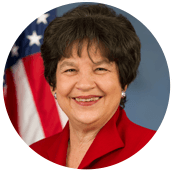
U.S. Representative Lois J. Frankel (FL-21)
From the student antiwar protests of the ‘60s to her election to Congress in 2012 where she represents South Florida, Congresswoman Lois Frankel has spent her lifetime delivering positive change to her community as a civic leader, state legislator, mayor, and now Member of the United States House of Representatives where she sits on House Appropriations Committee, serving on the Subcommittees for: Energy and Water Development; Labor, Health and Human Services, Education and Related Agencies; and State, Foreign Operations and Related Programs. A trailblazer in the Florida State Legislature, Lois served as the first woman Democratic minority leader. She became a leading force to improve the economic condition of families and seniors and protect human rights and women’s reproductive freedom - fights she continues today in Congress as co-chair of the Democratic Women’s Caucus. Prior to her election to Congress, Lois served as Mayor of West Palm Beach, raising her city to a new vitality and earning a reputation as an innovative problem solver. On a personal note, Lois is an avid abstract painter and is most proud of her son Ben, a United States Marine war veteran.
Moderator:
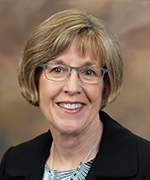 Christine S. Hunter, MD, RADM, MC, USN (ret)
RADM (ret) Christine Hunter brings over 35 years of Federal health program experience to her current board and advisory roles supporting health care quality, insurance, women’s leadership, and education. She serves as an independent Board Director for WPS Health Solutions and Navy Mutual Aid Association, delivering health and life insurance to military, Veterans, and seniors. Dr. Hunter co-chairs the NCQA Committee on Performance Measurement, working to improve health outcomes for all Americans, and chairs the Boston University Women’s Leadership Council. From 2011 until 2018, Dr. Hunter served as Chief Medical Officer for the Federal Employees Health Benefits Program, ensuring high quality, comprehensive benefits for 8.2 million employees, retirees, and families. On active duty in the US Navy, she attained the rank of Rear Admiral. Her military career included leadership of hospitals, health systems, and the TRICARE health plan as well as direct care in Internal Medicine and Medical Oncology. Dr. Hunter is a Distinguished Alumna of Boston University, a Fellow of the American College of Physicians, and the recipient of a Presidential Rank Award for meritorious public service.
Meet BU’s Six CAREER Award Recipients
These BU researchers will use their National Science Foundation funding to develop new methods and solutions in their fields of study

Boston University researchers recently received CAREER awards, granted from the National Science Foundation, with one of the six winners investigating space weather in order to safeguard satellites and other orbiting technologies making their way around the Earth. Illustration by koya79/iStock.
Over the last 12 months, a number of Boston University researchers have received Faculty Early Career Development Program (CAREER) awards from the National Science Foundation (NSF), a respected program that recognizes exceptional early-career scientists. From space weather to infrared lasers to sewn-on solar cells, these BU researchers are pioneering in their fields with their creativity, curiosity, and innovation. The Brink caught up with each of the CAREER winners to see what they are working on with the NSF support.
Sahar Sharifzadeh
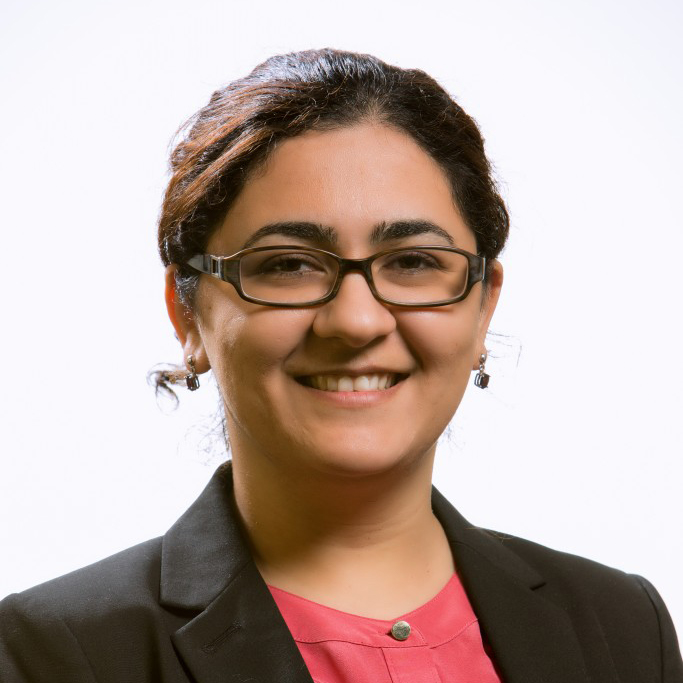
Sahar Sharifzadeh is working to understand the intricacies of how electrons interact with sunlight, the very basis of how solar energy works. A College of Engineering assistant professor of electrical and computer engineering, she has the ambitious and ever-so-timely goal of improving materials that can revolutionize solar panels—something she plans to accomplish with the help of the CAREER award given to her this past year.
“We are interested in strong, light-absorbing molecules that form ordered crystalline materials with mechanical flexibility that can be used to create inexpensive solar cells,” explains Sharifzadeh. Her organic solar energy conversion materials, unlike the current state-of-the-art ones, are flexible, colorful, and could actually be painted on windows to power buildings or sewn into fabric to power our phones.
There is still a need to understand how to improve such technologies, Sharifzadeh says, and more work has to be done to compete with current rooftop solar materials. While the end goal for the project is to study solar energy conversion, “we are essentially probing fundamental physical properties of these materials to understand important processes. Like, how efficiently is light absorbed by electrons in the material? How do electrons interact with atoms to transfer this energy? These questions will be answered by computational modeling of these processes.”
She became interested in this area of research as a postdoctoral fellow at the Lawrence Berkeley National Laboratory in California and has continued to pursue these questions for several years now, and since she joined the BU faculty in 2014.
Michelle Sander
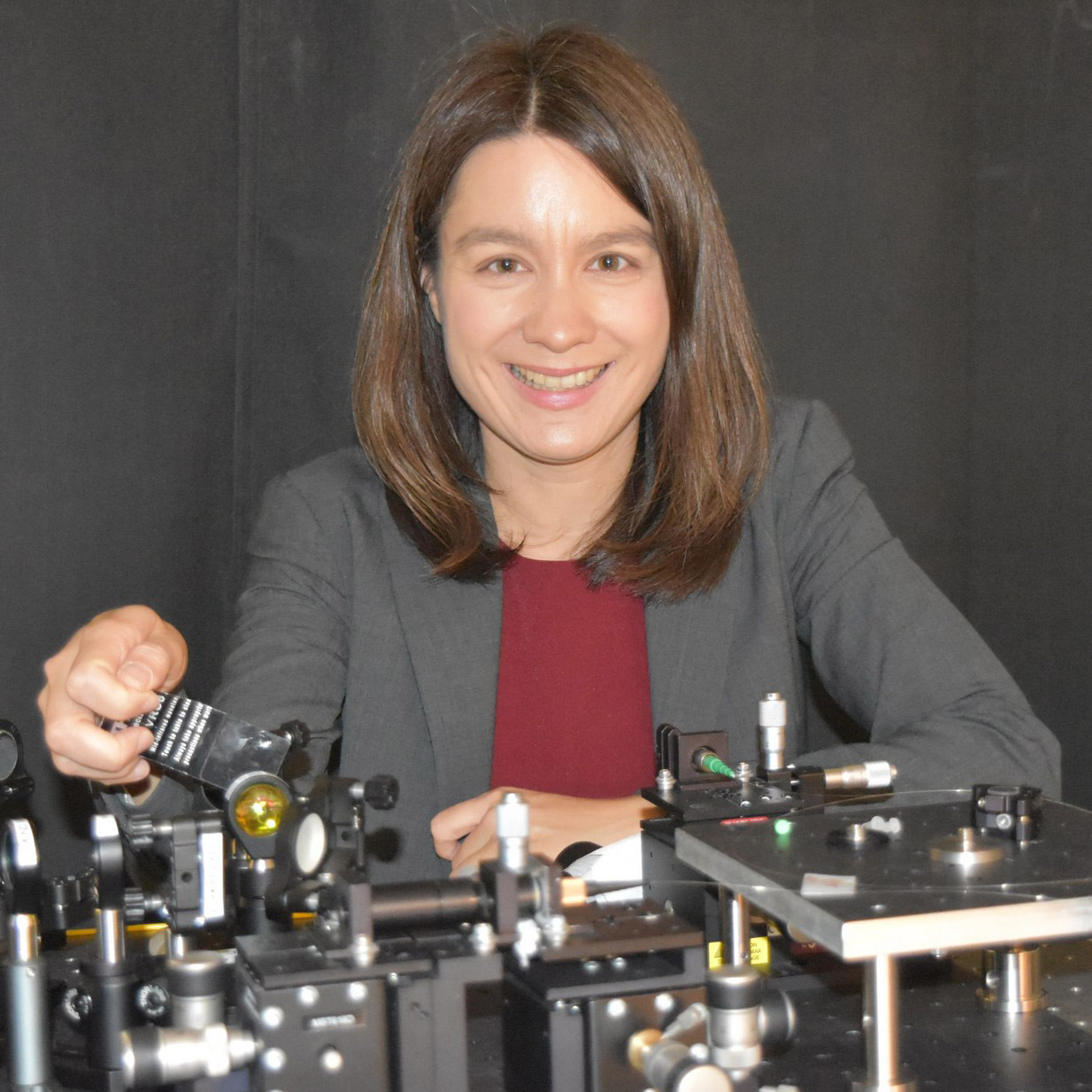
“I have always been fascinated by how light interacts with various materials,” says Michelle Sander, an ENG assistant professor of electrical and computer engineering. “I enjoy exploring new research directions, and currently we are developing novel instrumentation and studying fundamental photothermal concepts to apply to biomedical research, and to address materials science questions.” Sander is planning to design an infrared microscope to explore a new, noninvasive way to sample malignant brain cells in order to advance cancer studies, diagnosis, and possible drug treatments.
She joined BU in 2013, and has started her own research lab while teaching various classes in engineering. Her idea behind the infrared photothermal microscope is to get a glimpse into the molecular composition of a cancerous brain tissue sample, without the need for extensive or intrusive sample preparation, such as staining or labeling. The technique will be applied to determine brain tumor growth to figure out where malignant tissue is located and where healthy tissue remains.
“Research means, for me, to continuously push the boundaries of our knowledge so that we can develop novel ways to address scientific and societal challenges that can lead to innovative technology,” says Sander. “It’s exciting to discuss and interpret new findings and ongoing projects, and I am looking forward to discovering how our designed technology can lead to new scientific insights with translational potential for analysis and diagnosis.”
Brian Walsh
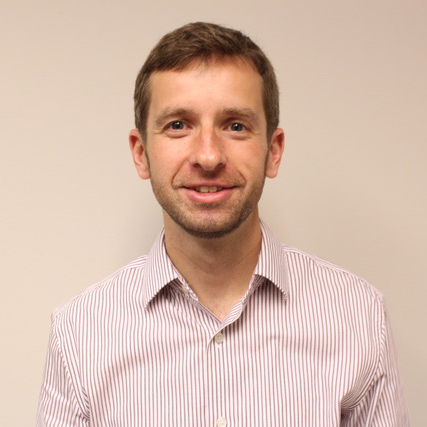
Imagine trying to predict the weather—but in space. It’s just like monitoring weather patterns on Earth—looking to see if a hurricane or a blizzard is barreling toward us—except space is a place where the weather is far more intense, unpredictable, and unfamiliar. Brian Walsh, an ENG assistant professor of mechanical engineering, is developing new technologies that can better predict space weather in order to safeguard NASA missions.
“Sometime in middle school I decided the modern-day analog to the excitement of exploring the seas on large ships in the 1500s would be exploring the universe on spacecraft,” says Walsh. And as space-based infrastructure grows, astronomers will need to better monitor the space environment to protect the Earth’s orbiting technologies, like the International Space Station.
With his award funding, Walsh will be studying Earth’s magnetic field to better understand how to predict potentially harmful weather patterns to keep space missions sailing smoothly. Our magnetic field protects us—and the spacecraft orbiting around the planet—from intense solar storms, Walsh says, but some storms are strong enough to “crack” the magnetic field, a phenomenon called “magnetic reconnection.” This causes magnetic energy from the sun to enter Earth’s space environment, thus fueling large storms. Walsh is seeking to understand how these cracks form in the first place, how they are restored, and how long it takes for the magnetic cracks to grow in size. Understanding magnetic reconnection is key to predicting how destructive or harmful a crack might be for spacecraft.
Before moving to Boston, Walsh spent several years at NASA Goddard Space Flight Center in Maryland as a research scientist. He is involved in studying measurements from small satellite constellations, including from BU’s small constellation named ANDESITE, which will launch into orbit in the near future.
Lei Tian
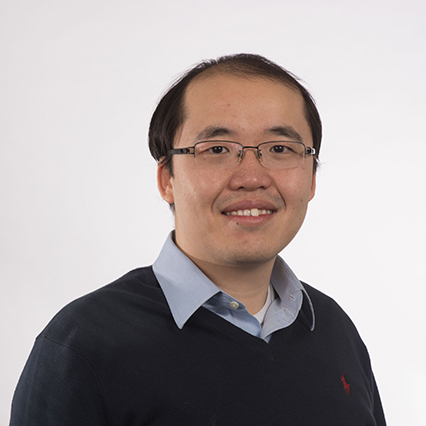
Lei Tian, an ENG assistant professor of electrical and computer engineering, is developing a new class of “computational microscopy,” a technique that will allow scientists to image 3-D biological samples without using dyes or fluorescent tags, which can alter or damage samples.
Using a method known as tomography—a concept that has been applied to many different research areas, like medical imaging and life sciences, or for peeking deep inside the Earth—Tian is creating a new, more powerful technique that could enable scientific and biomedical discoveries by providing better means to study biological samples and phenomena that otherwise would not be accessible. Tian says this technique would be most applicable to the biomedical field, but would also have overlapping uses in areas such as histology, cytometry, brain mapping, and drug discovery.
Tian, who has been working on different types of tomography since starting his PhD at MIT in 2008, and since he joined BU in 2016, is also a passionate teacher. “This opportunity of teaching the next-generation engineers and researchers to help them make the bridge between foundation to application is my favorite part,” he says.
Wen Li
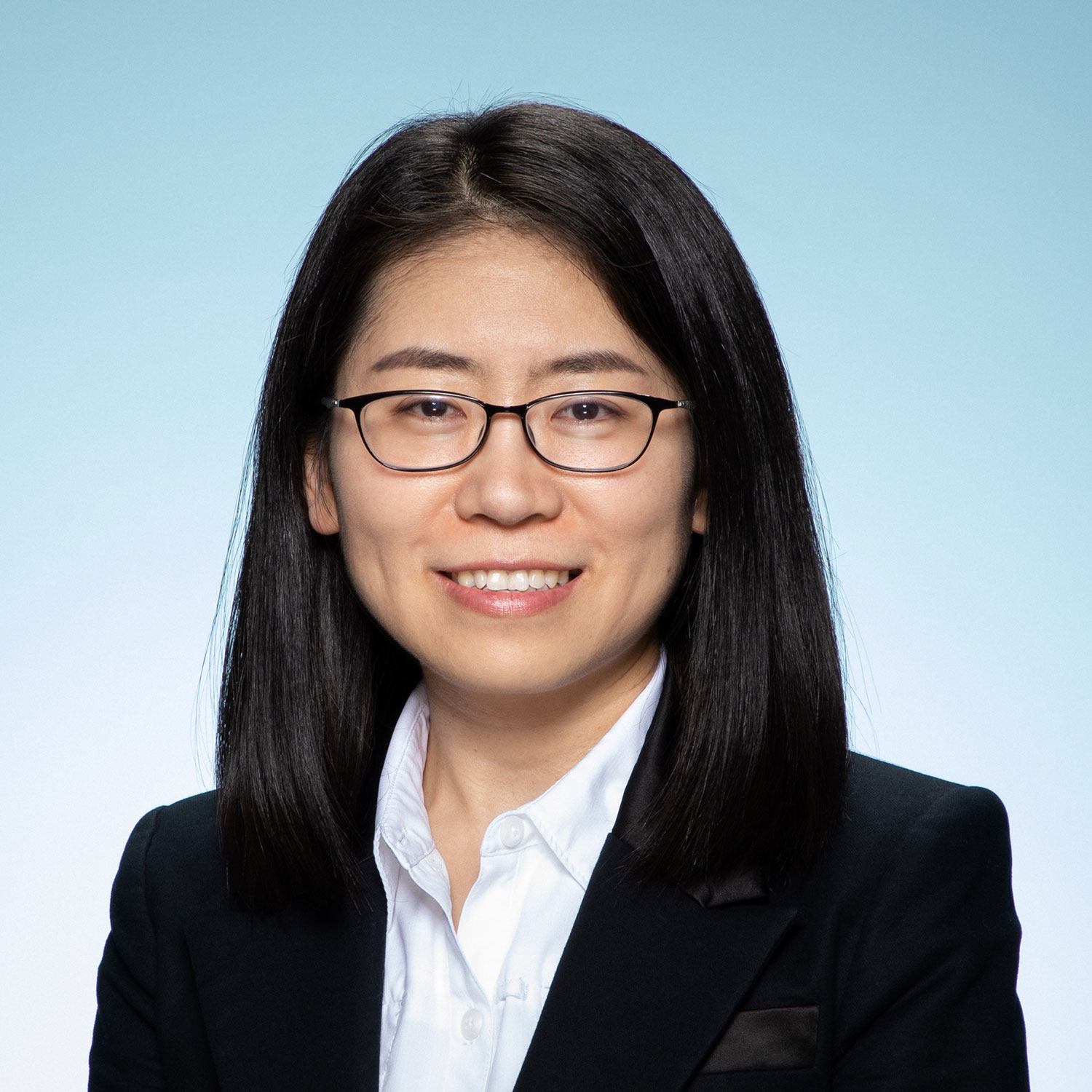
Wen Li has been curious about space since she was a child gazing up at the starry sky. “I thought we could never reach there at that time. One day I saw on TV that people were sending man-made satellites into space and I was so amazed that people were able to make interesting observations using satellites,” says Li, a College of Arts & Sciences assistant professor of astronomy. “That’s when I started to be curious about what satellites can tell us about the vastness of space,” she says. She has been studying space phenomena ever since.
Li has greatly contributed to the field by researching “killer electrons” in Earth’s radiation belts—these are highly energetic electrons that can potentially damage satellites’ critical electronics due to their high radiation. With her award, she will be digging deeper into space to study a mysterious plasma wave, called “whistler mode waves in plasmaspheric plumes.” The goal is to quantify the effects these waves have on the radiation belt’s electron dynamics, since they are potentially responsible for scattering the killer electrons into the dense upper atmosphere of Earth, “where the electrons are ultimately lost,” Li explains. “By understanding how whistler mode waves work, we’ll be able to understand when, where, and how killer electrons become less harmful.”
Depending on the types of waves, understanding them in general could be important for national security and commercial interests, which is one of the many reasons Li proposed to study them further. In the classes that she teaches at BU, one of her main goals is to not only stimulate students’ interest in the subject, but to actively engage students from diverse backgrounds in the field of astronomy.
Ting Zhang
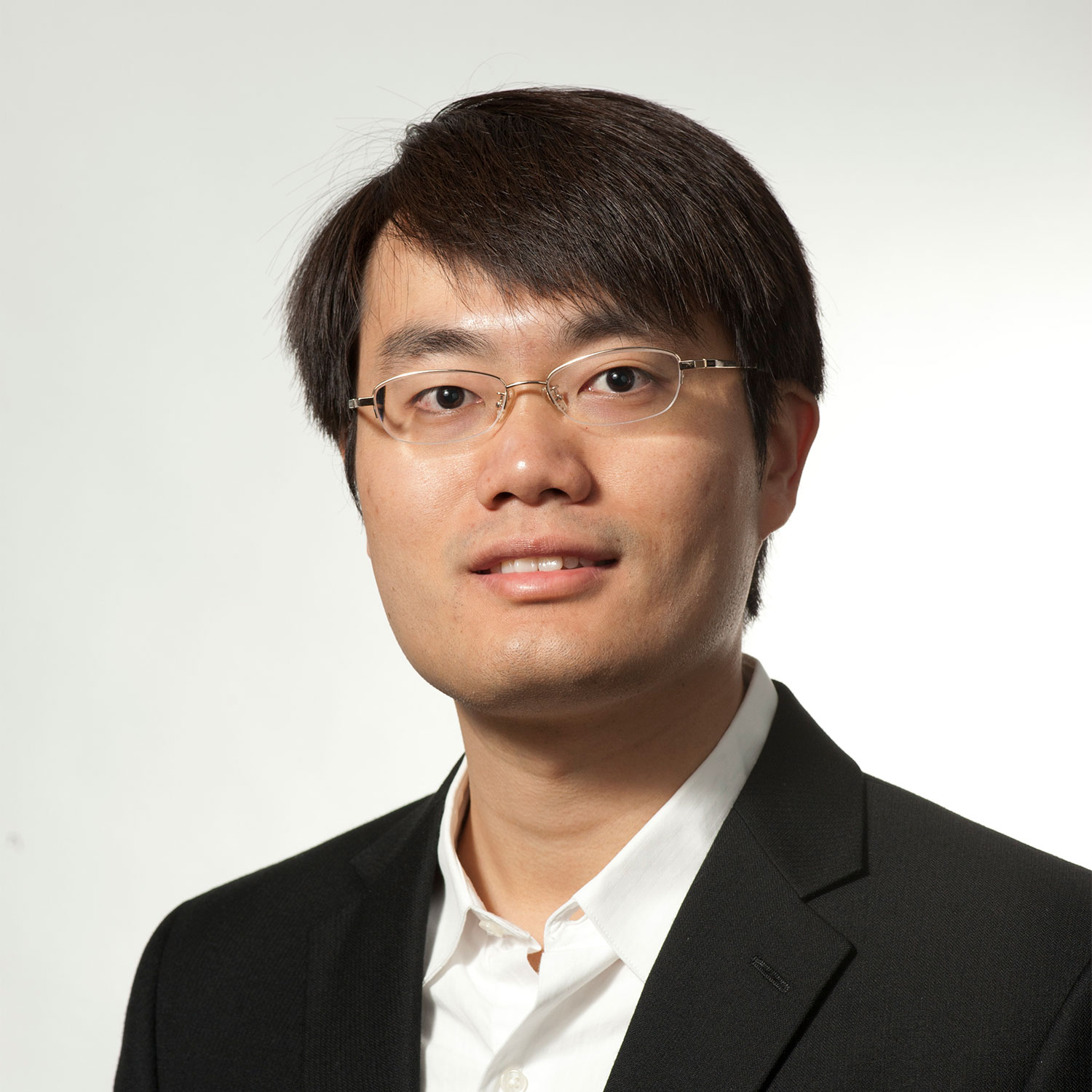
Will a big rainfall be followed by another big rainfall, or a big earthquake by another? Will a big stock price drop today be followed by another big drop tomorrow? That is what Ting Zhang, a CAS assistant professor of statistics, is working to understand from a data science perspective.
Zhang is developing a new, and fundamental, statistical framework for studying the phenomenon of serial tail dependence, which is a statistical framework for understanding and modeling high risk. “We are mainly interested in knowing if a big price drop today will be followed by more big drops in the following days. This is frequently observed during a financial crisis, and as a result, understanding tail dependence can be critical in modeling extreme risks,” explains Zhang. The framework he’s designing will be influential to various other fields as well, like climate science. “I believe they can be applied to many other problems from various disciplines, and I look forward to finding answers to these interesting questions and collaborating with researchers from these different areas,” Zhang says.
In his five years of teaching at BU, Zhang finds the most challenging part—and the absolute most rewarding part—to be mentoring students from practitioners into creators. “Students may have the impression that a major task is to know how to use the formula, but I try to emphasize the importance of knowing when the formula is valid and guide them through the derivation of the formula, so they will be able to follow similar steps to create their own formula in the future for a slightly different setting in practice.”
Author, Jessica Colarossi is a science writer for The Brink. She graduated with a BS in journalism from Emerson College in 2016, with focuses on environmental studies and publishing. While a student, she interned at ThinkProgress in Washington, D.C., where she wrote over 30 stories, most of them relating to climate change, coral reefs, and women’s health. View her profile
Curbing Youth Vaping
 BU IN DC
Curbing Youth Vaping
Michael Siegel of the BU School of Pubic Health told a House subcommittee that banning flavored vaping products won't address the epidemic of vaping-related injuries and deaths.
See what he recommends
 BU IN DC
Who Should Police the Internet?
BU legal scholar Danielle Citron testified before two House subcommittees on how to strike a balance between free speech and safety concerns on the internet.
Find the balance
 RESEARCH HIGHLIGHT
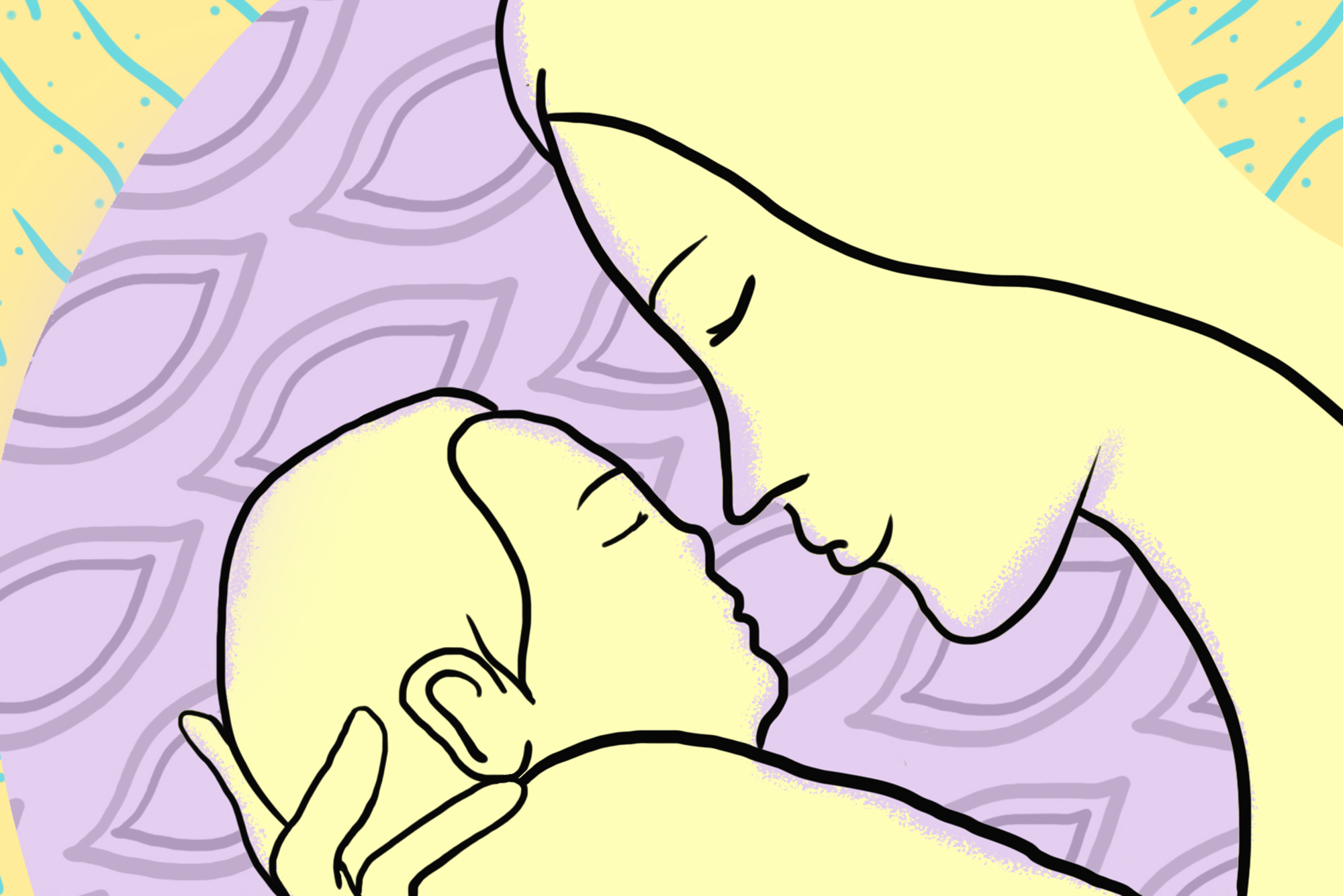
Family Bonding in the Face of Addiction
BU researchers are working to improve attachment between parents with substance use disorder and their young children, with support from the U.S. Department of Health and Human Services.
Here's what they found
IN CASE YOU MISSED IT...
RSVP today to see BU alumna Rep. Lois Frankel (D-FL) discuss her thirty-year political career on October 23rd on Capitol Hill... The New York Times writes about the Women's Veterans Network, founded by Tara Galovski of the BU School of Medicine to help female veterans reenter civilian life... Physicist Paul Krapivsky explains how to find the best parking spot in Wired... Gregory Stoller of the BU Questrom School of Business discusses China's reaction to criticism on Twitter on CNN.
House Democrats Unveil Higher Ed Plan
BU IN DC
Provost Jean Morrison attended a summit of academic and national security officials to discuss scientific security on October 10.
Benjamin Ferguson of the Division of Military Education and several undergraduates ran the annual Army Ten Miler race on October 13.
Karen Gallant and Erin Duffy of CARB-X attended BARDA Industry Day on October 15 and 16.
Danielle Citron of the School of Law testified before Congress on internet privacy on October 16.
Michael Siegel of the School of Public Health also testified before Congress on youth vaping on October 16.
Joshua Semeter of the College of Engineering attended a meeting of the National Science Foundation's Advisory Committee for Geosciences on October 17 and 18.
Rena Conti of the Questrom School of Business spoke at a forum on the health ecosystem on October 17.
HOUSE DEMOCRATS UNVEIL HIGHER ED PLAN
On Tuesday, Democrats in the U.S. House of Representatives introduced a proposal to renew the Higher Education Act. The College Affordability Act would increase the maximum Pell grant award by $500, provide incentives for states to offer free community college, expand Public Service Loan Forgiveness, and eliminate the ban on creating a student unit record database. House Democrats plan to hold a vote in the chamber by the end of the year. However, prospects for reauthorization of federal higher education programs in the near future are slim given that the U.S. Senate is unlikely to take up the bill.
GRANTS NEWS YOU CAN USE
Are you searching for new funding opportunities in the social sciences, arts, or humanities? Lewis-Burke Associates has updated its popular compendium of federal grant opportunities in these fields. The overview provides detailed information about opportunities at the National Science Foundation, Department of Education, National Endowments for the Arts and the Humanities, Department of Justice, National Institutes of Health, and other federal funders.
EVENTS NEWS YOU CAN USE
The next Research on Tap forum will be "Human Capital and Global Development," hosted by the Global Development Policy Center on October 29. The session will bring together scholars from across the University to discuss their scholarship on the diverse components of human capital -- health, education, productivity, empowerment -- and the implications for global challenges such as poverty, gender inequality, and sustainable economic growth. After the presentations, participants can meet potential research collaborators during a wine and cheese reception.