Our program is interdisciplinary, which provides a source of its strength and distinctiveness. Our courses are taught in departments across the University and by numerous professionals who do amazing work in regional and national preservation field. The pages below provide brief sample descriptions of our Preservation Core courses, Preservation Electives, and Concentrations courses. Offered courses change each semester and departmental websites provide the latest updates on current courses, or those that will be taught in the next semester.
Students in the program learn preservation in the classroom and through hands-on preservation planning, historical research, and exploration. The program integrates practical perspectives into the MA experience, such as through its classroom guest lectures, Preservation Studies Lecture Series and Round Tables, Preservation Field Trips, site visits in courses, and visits to preservation practices.
CAS AM 554 Preservation Planning
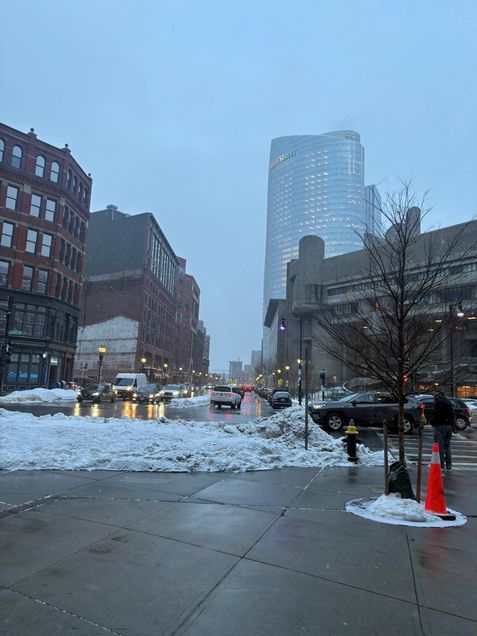
As part of Professor Sara E. Wermiel’s Preservation Planning course, students completed a field-based project examining how mid-20th-century urban renewal reshaped Boston’s historic urban fabric. By walking a designated route through historic Beacon Hill and the former West End urban renewal area, students compared the traditional streetscape of Beacon Hill with the Modernist forms introduced during the 1950s to 1970s redevelopment period. Their analysis integrated physical observation with social, political, and architectural history, highlighting how urban renewal altered neighborhood character, community life, and the built environment.


CAS AM 567 Placing Public History: Memory, Monumentalization, and the Built Environment
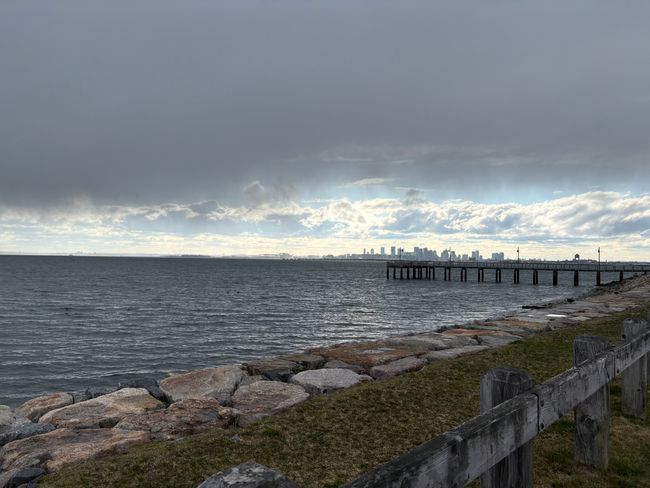
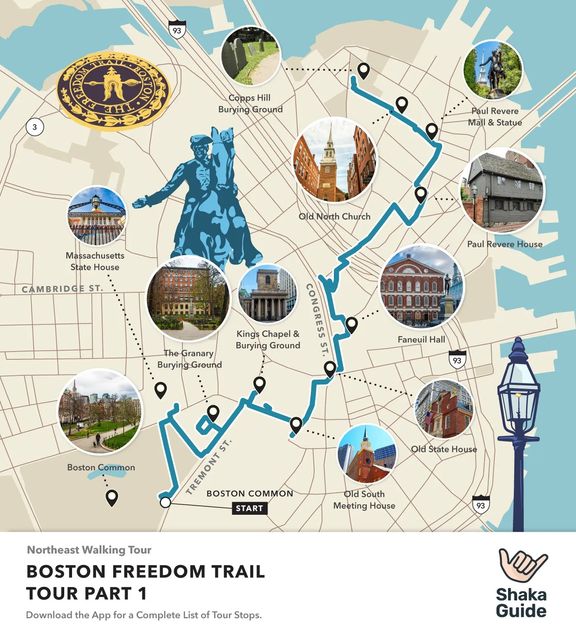
Material Culture, a course that serves multiple Preservation Studies concentrations, was taught in Spring by post-doctoral fellow Allyson LaForge with a focus on Indigenous revolution in the context of the semiquincentennial (America 250). The class examined how histories of resistance and remembrance are produced across the Boston landscape and beyond, analyzing monuments, memorials, interpretive signage, landscapes, and more through the lenses of material culture, memory studies, archaeology, and history. Students also critically evaluated how public history institutions and sites interpret the revolutionary past by centering Indigenous presence. Fieldwork included visits to sites such as Boston’s Freedom Trail and Deer Island, where students engaged directly with the physical and narrative forms through which these histories are conveyed.