
Event Recap: How Transit Enriches a City with Phil Eng
By Sasa Ramos | Photos by Onjoli Palmer

On Thursday, March 5, the Boston University Initiative on Cities, City Planning & Urban Affairs Program, and the Urban Planning Association hosted a student-focused fireside chat featuring Phil Eng, General Manager of the MBTA and interim Massachusetts Secretary of Transportation. A career civil engineer with decades of experience working in and leading major transit authorities—and a daily MBTA rider himself—General Manager and Secretary Eng has garnered national attention for his swift, transparent, and results-driven leadership, including his decisive efforts to eliminate long-standing slow zones across the MBTA subway system. Lecturer of City Planning & Urban Affairs Terry Regan and MassDOT Project Manager and Urban Planning Association Vice President Briette Brightman moderated this session of Transportation & The City.
Setting the stage for the conversation, urbanists from across Boston University shared their current work and encouraged students to get involved. Lecturer of City Planning & Urban Affairs, Rob DiAdamo, emphasized the power of experiential learning, highlighting City Planning & Urban Affairs courses from Sustainability Development to Transportation Policy. Urban Planning Association’s Communications Coordinator and Communications Manager at the Initiative on Cities, Ting Wei Li, invited graduate students to explore professional opportunities and expand their networks through the organization’s monthly social events. Urbanism Club’s Co-president, Jerry Zhou, showcased how the organization empowers undergraduate students to shape the built environment by bringing protected bike lanes and public parklets to campus. Initiative on Cities Executive Director Stacy Fox outlined that, when we connect ideas, policies, and people, the most innovative solutions emerge. These initiatives demonstrate how improving urban infrastructure, including transportation, helps ensure a more liveable and resilient future for all.
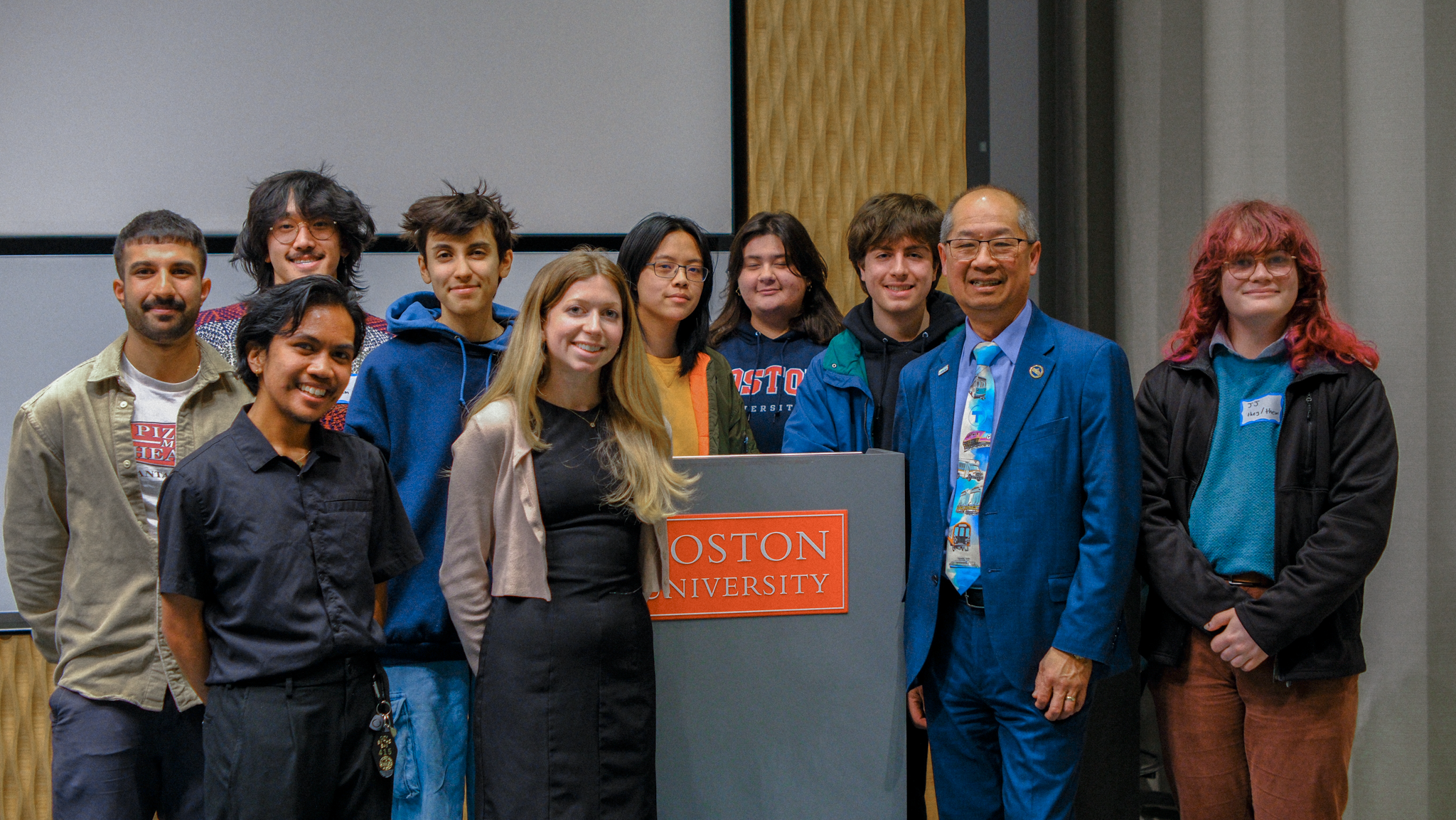
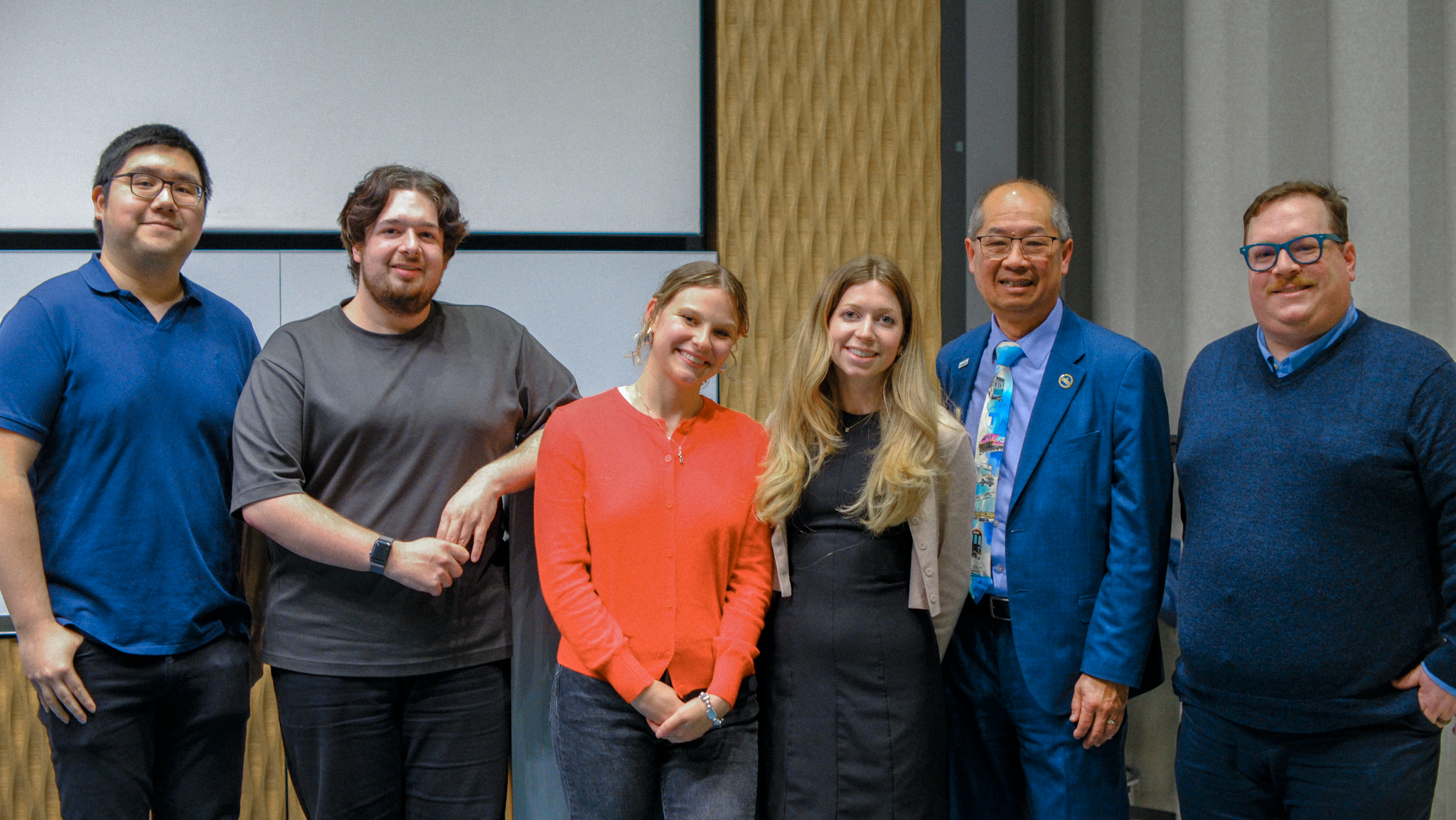
After BU urbanists introduced their organizations, Regan and Brightman welcomed Eng to open the fireside chat, first asking Him to share his background. With a BS in Civil Engineering from The Cooper Union, Eng started his career in public service at the New York State Department of Transportation (NYSDOT). As a junior engineer, he admired how senior leadership worked to “assure safety, make repairs, and keep people moving.” While striving to maintain this standard of care in his work, he addressed the realities of improving existing infrastructure: “How do you ride the bicycle and change the tire at the same time?”
When offered a role at a private company early in his career, he embraced the change. Ultimately, however, Eng found his home in public service: “I realized I had a lot more to learn in the public sector; it was the right choice for me to stay there.” He urged students to accept the call to be a part of something greater. Entry-level positions in the public sector allow recent graduates to gain technical skills and build lasting connections. “What I’ve learned in public service could help the private sector: a different perspective on how to serve the community,” he shared. Eng described how he looks not only for skills and expertise but also for someone who works well within a team, with colleagues, agencies, and the public. Reflecting on early challenges he faced, Eng expressed his gratitude for the workers who have made his vision for a better T possible: “It’s the workforce that I’m proud of… I can’t even imagine being out at night plowing the snow.”

“You enter public service because you can make a difference: Not everyone we serve will share the same opinion, but it’s when we don’t make decisions that people get frustrated.”
The MBTA’s Track Improvement Program, designed to eliminate slow zones, illustrates how Boston is leading the industry. With support from his team and the governor, Eng tackled slow zones by investing in the future through actionable items in the present. In April, as part of the Green Line Transformation Program, the MBTA will begin piloting test trains in New York City. With greater reliability, Eng seeks to address gaps where riders have not seen trip time reduced through actionable, preemptive planning. “Instead of operating on an emergency basis, we can be more strategic,” he asserted. In addition, Capital Programs promotes sustainability; through this initiative, engineers will examine materials, locations, and quality to improve durability. “Making those decisions at the right time is critical,” Eng said.
While sharing successful marketing strategies, Eng acknowledged the lack of trust in public agencies, especially among marginalized communities that have historically been disadvantaged by government policies. “What they say is true,” he explained. “If you don’t live here, you can’t understand local needs.” With an educated community and stakeholders, he emphasized the importance of robust public communication. He strives for continuous outreach throughout the process, even during construction. Eng has witnessed more people voicing their opinions on social media, within community groups, and at public meetings. To him, greater civic engagement is a sign of progress, creating an urban environment that allows people to live more efficiently. His results-driven approach to building trust and collaboration with the public moves beyond simply identifying areas for improvement. With his engagement and swift remediation of MBTA slow zones, Eng demonstrated that implementing actionable steps with immediate benefits, even if initially painful, lays the foundation for the success of future large-scale plans and earns the trust of the public at large.
Eng outlined ongoing efforts to design accessible, modernized stations, improving rider experience for all. To boost ridership, he embraced the implementation of artwork in MBTA stations that tells the story of the community. He seeks to foster neighborhood pride through the arts, cultivating a shared sense of identity: “I want people to say, ‘This is my home station; let’s use it.’” Beyond aesthetics, modernized stations will provide crucial accessibility features for riders with limited mobility. With the rollout of a new freestanding mini-high platform design, Commuter Rail stations will soon allow stair-free boarding. Similarly, Eng has advocated for expanding late-night service and weekend extended service to increase accessibility. He recalled a conversation he shared with a North End restaurant manager; extending service by just one hour allowed employees to take the T home after a long shift. Changes like these have already had a profound impact on the community.

Eng once preferred to refer to himself as “just Phil” before realizing his responsibility as a leader. “You take on these roles because people can count on you… It wasn’t ‘Phil’ anymore; it was ‘Chief Engineer.’” This simple shift led him to reframe his perspective: “What changes do you want to make? How can I help? How can I leverage my position?”
Addressing a room full of urbanists, Eng concluded with words of wisdom to inspire the next generation of civic leaders. “I’m only who I am because of the people around me,” Eng expressed. Recognizing that each person has their own leadership style, he aims to make his approach meaningful for those passionate about serving the public: “If I encourage someone, they do it because they want to. They say, ‘You can lead a horse to water, but you can’t make it drink,’” he reflected. “But how do you make it thirsty?”