Issue Archives
Bostonia is published in print three times a year and updated weekly on the web.
Summer 2018
Winter-Spring 2018

Fall 2017
Summer 2017
Winter-Spring 2017

Fall 2016
Summer 2016
Winter-Spring 2016
Fall 2015
Summer 2015

Winter-Spring 2015
Fall 2014
Summer 2014
Winter-Spring 2014

Fall 2013

Summer 2013

Winter-Spring 2013

Campaign 2012
Summer 2012

Winter-Spring 2012
Fall 2011
Summer 2011
Winter-Spring 2011

Fall 2010
Summer 2010

Winter-Spring 2010

Fall 2009

Summer 2009
Spring 2009

Winter 2009
Fall 2008

Deliverance
Why did they find so much human trafficking in Kansas City? Because that’s where they looked. Cynthia Cordes led the search.
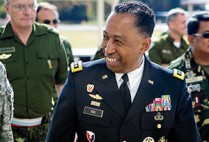
The 58 Billion Dollar Man
If a soldier in any branch of the military shoots it, drives it, or flies it, Army Materiel Command provides it

The Little Dive with a Long History
Brink’s robber hangout, BoSox refuge, and Blizzard of ’78 shelter, the Dugout has charmed scoundrels and students
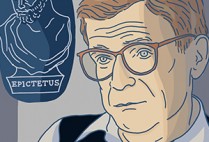
Silberado
In a new book of John Silber’s speeches, Tom Wolfe remembers the man who could not assent to what he knows is wrong

Unlocking Emily's World
Cracking the code of silence in children with autism who barely speak
U.S. News Ranks BU 37 of Top 500 Global Universities
Princeton Review lauds LAW faculty
View All Stories View All Stories (Latest Issue)
close
Know What’s Good for Your Health? Artificial Intelligence
Data and algorithms can spot medical concerns early and point to solutions

Crowdsourcing a Second Bill of Rights? ENG Professor Wants to Give It a Shot
Greg Blonder says our leaders often obstruct the public’s will

A Dead Humpback, a Team of Scientists, a Race for Answers
Did noise pollution in the ocean contribute to her death in the waters off Cape Cod? Her whale ears may hold important clues

Shari Davis (Sargent’10,’12) among 20 Obama Fellows Named Worldwide
“The Obamas represent…the reality that ceilings can and should be broken”

Natick’s World War II Museum Commemorates 75th Anniversary of D-Day
Founder Ken Rendell, who studied business at BU, has created special exhibition

Stan Sclaroff Named Dean of Arts & Sciences
After nationwide search, interim dean chosen for strong and consistent leadership

Related Stories
Office Artifacts: Ann Zumwalt
MED associate prof collects anatomical treasures
A Farm in the Sky
Boston Medical Center’s cultivated rooftop feeds patients with homegrown produce
Farm to Table: A Family Legacy
MET’s Chris Fischer, farmer and chef, helms the kitchen at new Martha’s Vineyard restaurant
Post Your Comment