Why do Mosquitoes Bite Some People More than Others?
Boston University researchers hope the science of smell can help stop mosquito bites—and deadly diseases
This FRP will establish BU as a leader in the application and interpretation of biological foundation models for biomedical research.
By Jack Osmond From Alzheimer’s disease and Highly Superior Autobiographical Memory to attention and spatial navigation, Lea Stith’s research on memory is hard to forget. Working in translational neuroscience, Stith uncovers insights about the brain to bridge neuroscience research and real-world applications. Her interest in understanding the mind goes as far back as middle school, when she […]
Assistant Professor Heidi Meyer, Psychological & Brain Sciences, explores how safety learning shapes the adolescent brain
PhD Student Allie Barlowe, a Psychological & Brain Sciences PhD Student in the Caldwell-Harris and Ling Labs––and a member of the Neurophotonics Trainee Program––was recently awarded the Clara Mayo Award. Clara Mayo was a professor at Boston University from 1964-1981. She dedicated her career to the study of nonverbal communication, racism and sexism, and women’s […]
Darren Roblyer pioneers discoveries not only in translational biophotonics, but also through new voices and programming opportunities
Boston University study sheds new light on how songbird brains refresh themselves—findings that could one day open the door to new human therapies
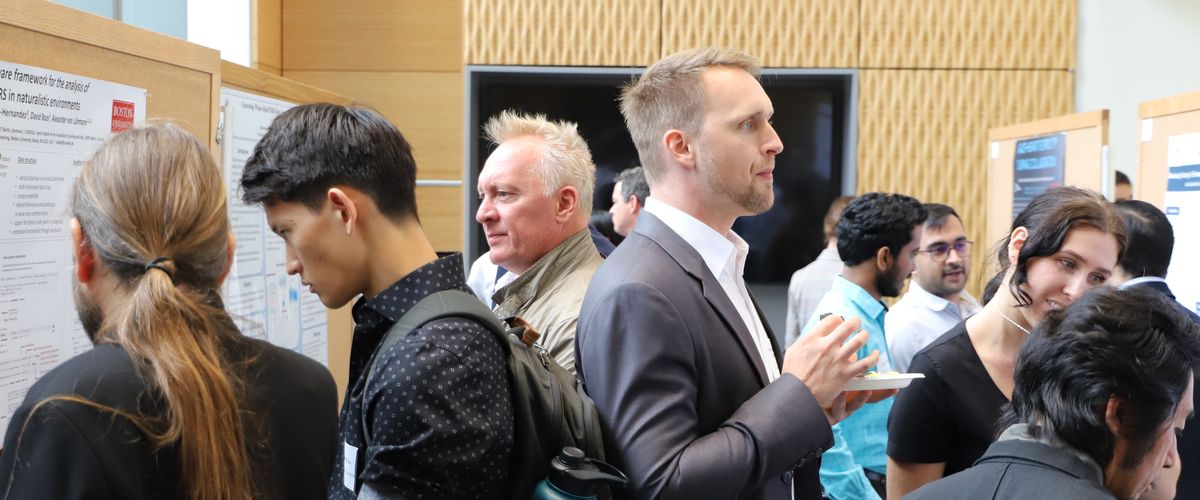
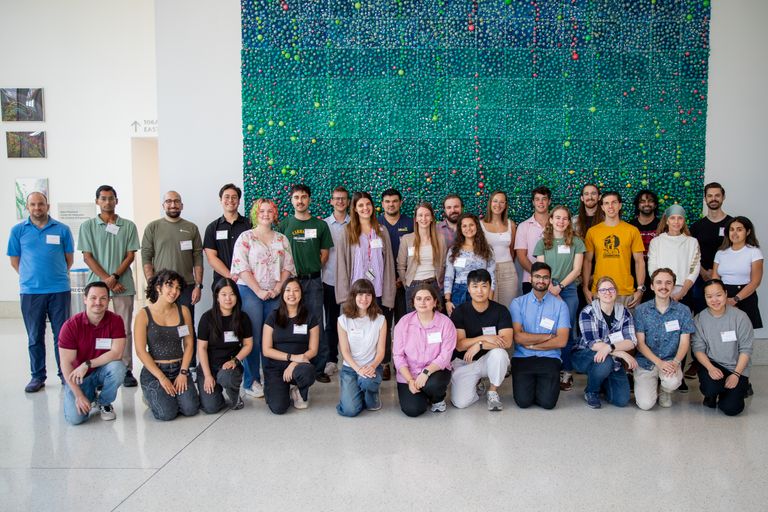
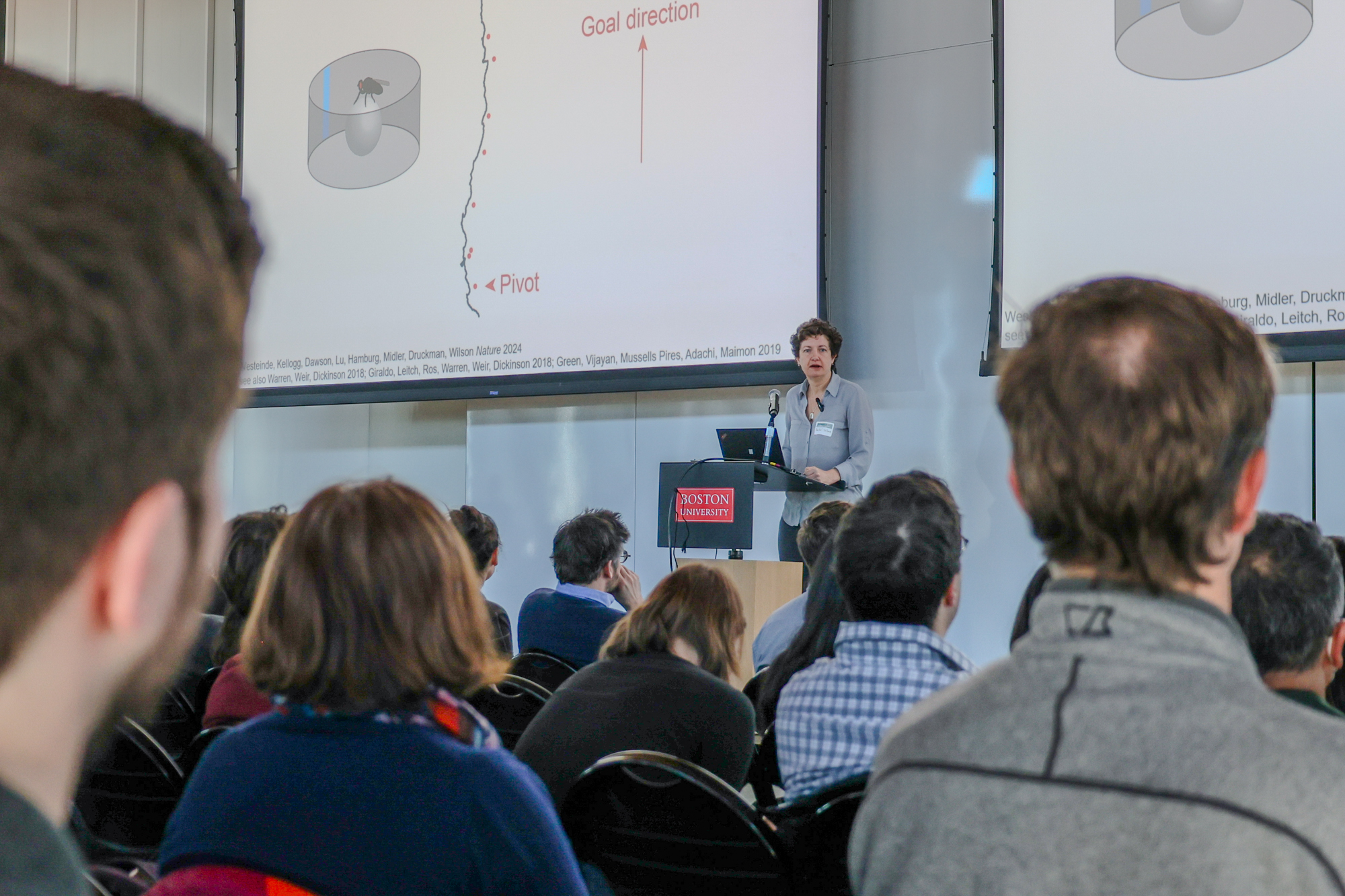
On January 15, 2025, the Neurophotonics Center co-hosted its 8th annual symposium event alongside the Hariri Institute, in an event organized by NPC faculty Meg Younger and Christopher Gabel. The symposium topic, “Neurophotonics Across the Animal Kingdom,” included studies on schooling fish, C. elegans., songbirds, and more.