

Following the events of September 11, 2001, the lack of available and adequate research facilities was determined to be a major impediment to the study of emerging infectious diseases. Important pathogens had received little research attention, and many had not been examined using the tools of modern science.
In 2003, Boston University was awarded a grant from the National Institute of Allergy and Infectious Diseases (NIAID) to build one of two National Biocontainment Laboratories. Supporting NIAID’s newly developed research agenda, the National Emerging Infectious Diseases Laboratories (NEIDL) represents a major step forward in advancing public health and solidifying the New England area’s reputation as the biomedical research hub of the nation.
For more history and background on NEIDL, click here.
Threading the NEIDL
NEIDL and its staff maintain its laboratories to support research in a safe and secure environment. The facility was designed and constructed with the highest level of attention to community and laboratory safety and security.
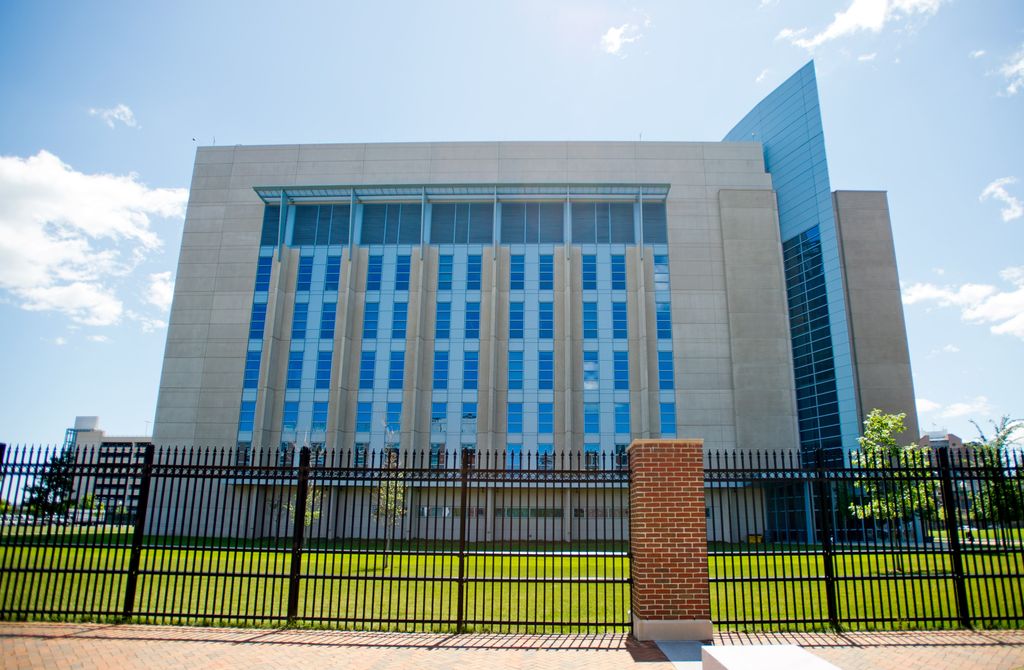
The National Emerging Infectious Diseases Laboratories (NEIDL) is a state-of-the-art research facility that supports the work of investigators who focus on infectious diseases that are—or have the potential to become—major public health concerns. Our research program focuses on understanding how pathogens cause disease, and is dedicated to the development of diagnostics, vaccines, and treatments to combat these emerging and re-emerging infectious disease threats. The NEIDL houses biosafety level 2 (BSL-2), BSL-3, and BSL-4 laboratories, which are designed to permit investigators to work safely with these emerging pathogens. The NEIDL is owned and operated by Boston University, but is also one component of a national network of secure facilities that study emerging infectious diseases.
Video
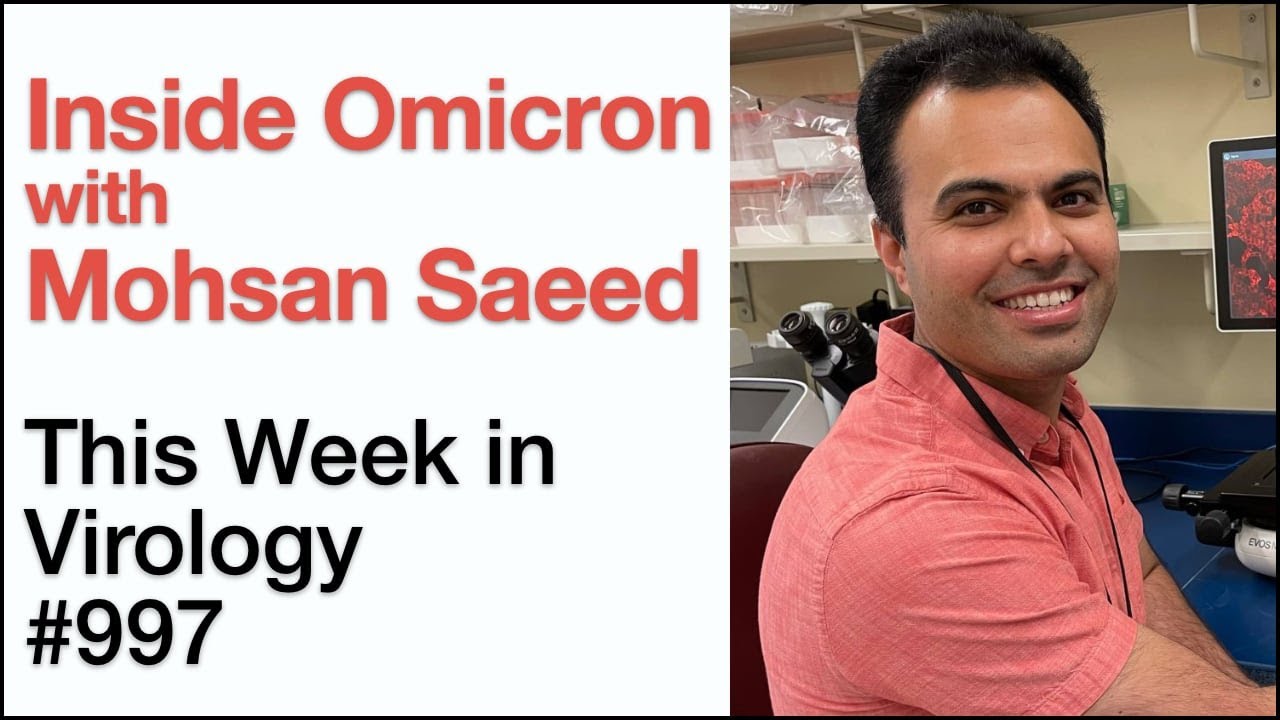
Inside Omicron with Mohsan Saeed
Mohsan Saeed joins This Week in Virology to discuss the work of his laboratory showing that spike and nsp6 are determinants of Omicron attenuation, and why the work was widely misinterpreted by the press and the public.
Also in this section


In the News
-

Ultrasensitive Test Reveals Tuberculosis DNA in Boston Hospital Patients
NEIDL researchers detect TB-DNA in unexpected number of hospitalized patients, including a striking link to life-threatening sickle cell disease complications.
-

New Research Reveals How Filoviruses Infect And Disrupt Gut Barrier Function
Our latest study uses cutting-edge human mini-gut organoids—3D tissues that mimic the intestinal and colonic epithelium—to reveal how filoviruses infect and disrupt gut barrier function.
-

NEIDL Researchers Share New Insights into How Ebola Virus Interacts with Host Proteins, Aiding Search for Potential Antiviral Targets
A publication in Nature Communications describes a novel method for studying interactions that occur among protein complexes, rather than between individual proteins.