
Cutting-Edge Research for Global Health
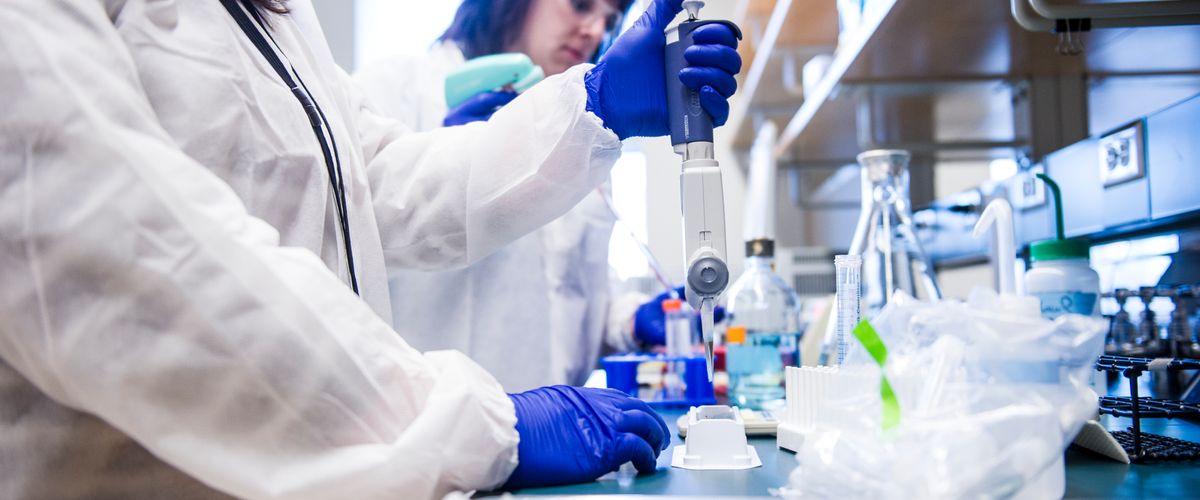
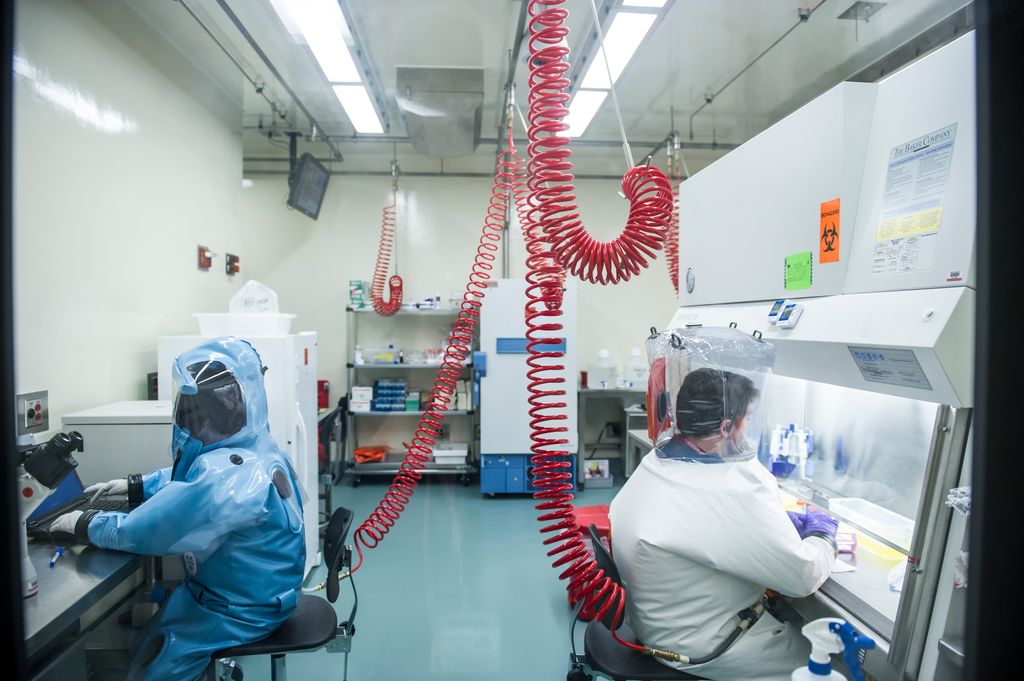
At Boston University’s National Emerging Infectious Diseases Laboratories (NEIDL), microbiologists, virologists, and other scientists focus on the increasing incidence of emerging infectious diseases. Many of these pathogens pose the threat of causing large scale epidemics or global pandemics. The goal of the NEIDL is to predict their appearance, detect, study, and respond to them in a timely manner. Because of the NEIDL’s extraordinary biocontainment capabilities, researchers have been able to work safely with a variety of live pathogens including COVID-19, HIV/AIDS, Ebola/Marburg, Zika, Yellow Fever, among others. Understanding basic molecular aspects of a pathogen, the interplay of the pathogen with its host, transmission dynamics, and clinical manifestations are all essential for the development of better diagnostics and safe, effective therapeutics and vaccines for us to treat, or even better, be able to prevent these diseases.


In the News
-

New Research Reveals How Filoviruses Infect And Disrupt Gut Barrier Function
Our latest study uses cutting-edge human mini-gut organoids—3D tissues that mimic the intestinal and colonic epithelium—to reveal how filoviruses infect and disrupt gut barrier function.
-

NEIDL Researchers Share New Insights into How Ebola Virus Interacts with Host Proteins, Aiding Search for Potential Antiviral Targets
A publication in Nature Communications describes a novel method for studying interactions that occur among protein complexes, rather than between individual proteins.
-

NEIDL Researchers Collaborate on AI-Driven Approach to Identify Potential New Ebola Drug Targets
NEIDL researchers have found a new method to identify human genes that, when silenced, impair the Ebola virus’s ability to infect host cells.