The 2025 Boston Head & Neck Cancer Symposium Highlights the Molecular and Cellular Mechanisms Underlying Cancer Complexity, Technological Advancements, Innovative Therapeutic Approaches, and Patient Insight
The seventh installment of the Boston Head and Neck Cancer Symposium was held on Thursday, October 9, bringing together clinicians and researchers from multiple disciplines to foster collaboration and elevate patients’ voices.
The symposium was co-hosted by Boston University, the Dana-Farber Cancer Institute, and Mass General Brigham/Mass Eye and Ear.
“The Boston Head and Neck Cancer Symposium was a great success—a crucial opportunity for clinicians, researchers, and patients to come together in pursuit of deeper understanding of the underlying biology of this devastating malignancy that, in turn, leads to improved patient care” Dr. Maria Kukuruzinska, associate dean for research and professor of translational dental medicine, said.
Dr. Lillian L. Siu, University of Toronto professor and Princess Margaret Cancer Center medical oncologist, and Dr. Ravindra Uppaluri, Brigham and Women’s Hospital and Dana-Farber Cancer Institute head and neck surgical oncology chief and Harvard Medical School professor, gave keynote presentations.
Siu highlighted her recent work on decoding head and neck cancer heterogeneity (the state of being made up of diverse elements) and how identification of new biomarkers contributes reliable predictions of head and neck cancer patient immunotherapy treatment success.
“[You] can really calculate the chance of this patient responding to different drugs that you have in your access [to]. You are able to actually use that as a pretest and subsequently generate a post-test probability of target drug matching so that every time you put a patient on such a treatment, you learn and update the model,” Siu said. “We are hoping that this vision and the data are providing [ways] for us to identify predictive biomarkers of immunotherapy response and resistance.”
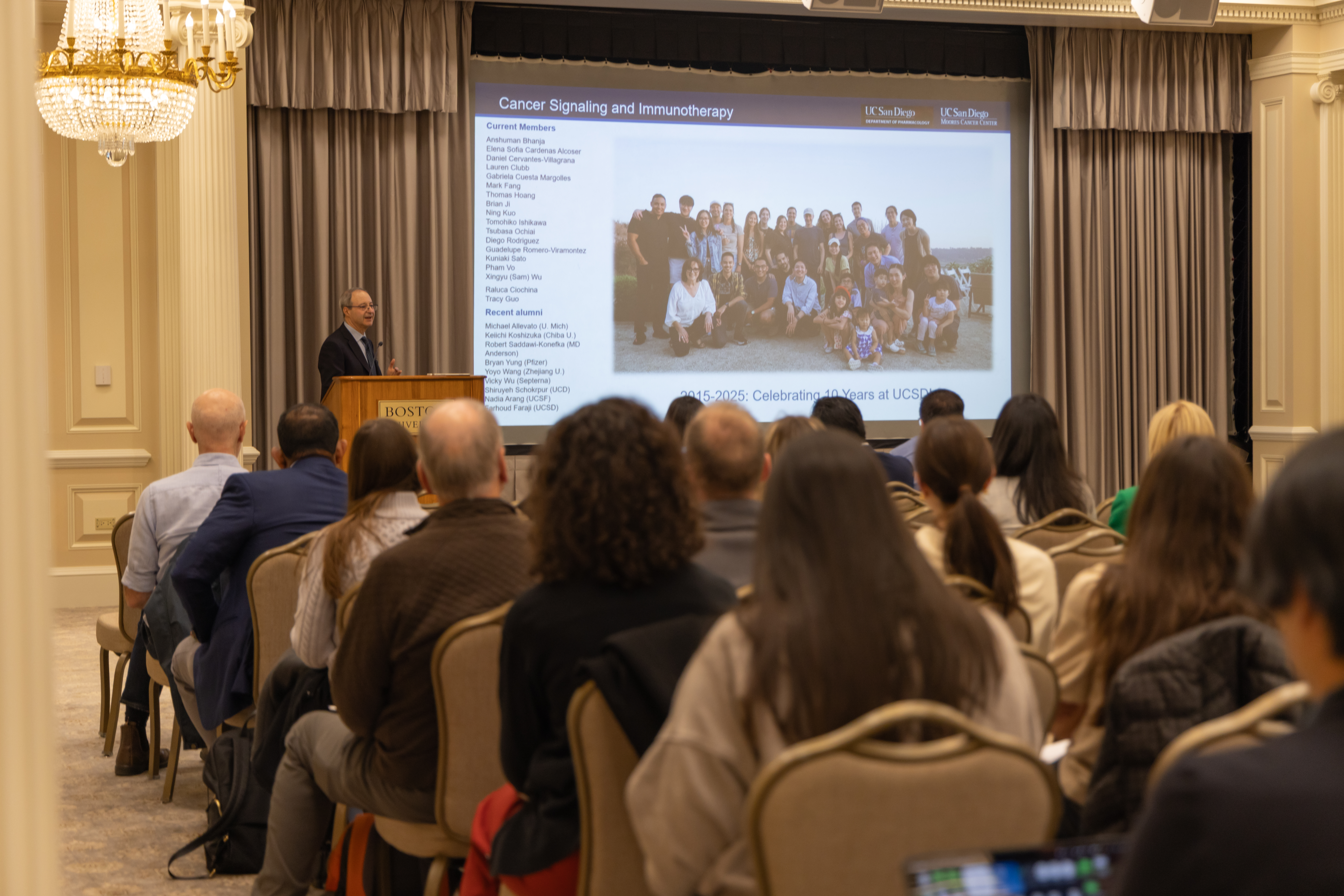
Uppaluri discussed the changing nature of perioperative immunotherapy, a treatment strategy that combines immunotherapy and surgery, for head and neck cancer patients.
“While this is an exciting time for patients, how we actually put this into practice is a major challenge in terms of [how] every one of us in our institutions practice slightly differently and how we get our multidisciplinary collaborations working together to make this happen,” Uppaluri said.
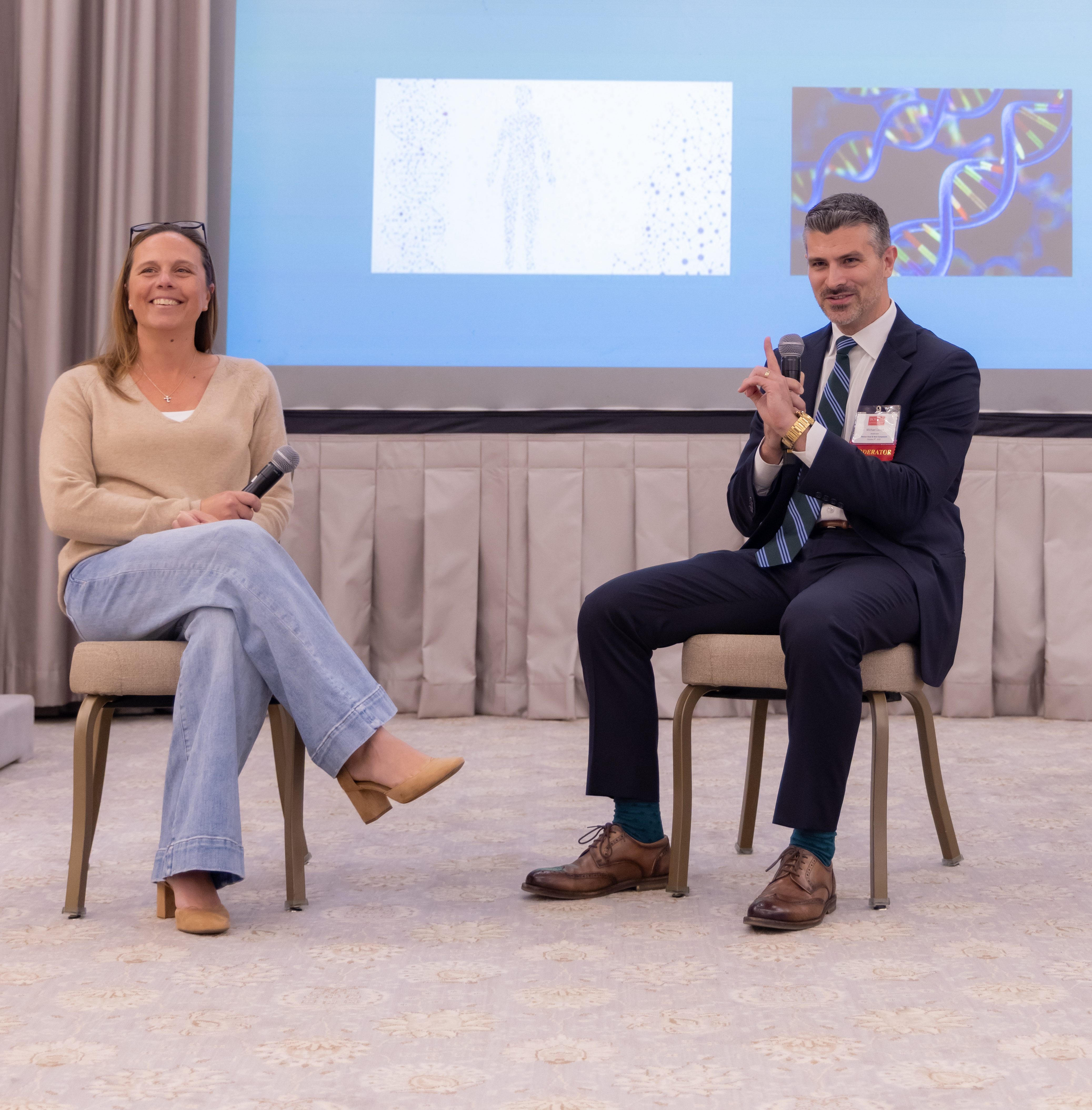
One session featured Shawn Elizabeth George, head and neck cancer survivor and advocate, in discussion with Dr. Michael Dennis, Dana-Farber Cancer Institute Center for Head and Neck Oncology physician and Harvard Medical School instructor in medicine.
George was diagnosed with adenoid cystic carcinoma, a rare but aggressive type of salivary gland cancer, in 2017. After undergoing a partial maxillectomy, chemotherapy, and radiation, she is now eight years in remission. However, she and her family continue to face ongoing emotional and physical challenges.
She said cancer patients typically face their diagnosis without any prior to cancer knowledge or mental preparation. During this stressful time in a patient’s life, George encouraged clinicians to build personal relationships with their cancer patients and offer empathetic support.
“We are coming in completely blindsided that we got this diagnosis, that we have to have these treatments, and we don’t know what the outcome is going to be,” George said. “Treat us like you would your mom or sister…Please remember that when the patient is in front of you, just take that moment to just meet this person and listen to them.”