This year, 27 faculty members and 7 staff members are retiring from the College of Arts & Sciences. We invited the chairs, directors, and colleagues of their departments and programs to share a few words about their retiring colleagues, and our retiring colleagues to share reflections on their time at Boston University.
Tribute to the Faculty & Staff retiring from the College of Arts & Sciences
Tribute to Alice Cronin-Golomb, Professor of Psychological & Brain Sciences
The Department of Psychological and Brain Sciences honors Professor Cronin-Golomb for her exceptional contributions to Boston University. Over a distinguished 37-year career, she has been a central figure in the Department, earning national and international acclaim for her research on aging, Parkinson’s disease, and related dementias.
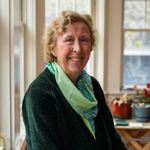
Professor Cronin-Golomb joined Boston University in 1989 as an Assistant Professor and was awarded tenure in 1996. Throughout her career, she has been actively involved in multiple programs across the University, including Clinical Psychology, Brain, Behavior and Cognition, and the Program in Neuroscience. She has taught a wide range of undergraduate and graduate courses, spanning neuropsychology, sleep and psychological functioning, physiological psychology, and the psychology of aging.
Professor Cronin-Golomb has also made substantial service contributions to the University. She has served on numerous committees, including the Appointment, Tenure, and Promotion committee for CAS , the Department’s Kavita Jain Dissertation Award Committee, and provided long-standing leadership as Director of Graduate Studies in the Department from 2012 to 2025.
Her impact as a mentor is equally distinguished. Professor Cronin-Golomb is an inspiring and deeply devoted mentor whose commitment to her trainees is unparalleled. She cultivates their intellectual and professional growth while serving as a steadfast advocate well beyond their time under her guidance, supporting their continued success as leaders in the field. Her mentorship has left a lasting imprint on generations of clinician-scientists, and she is particularly recognized for her ability to empower early-career investigators to become independent, confident, and impactful scientists.
Through her scholarship, mentorship, and service, Professor Cronin-Golomb has also transformed our understanding of the aging mind, particularly by establishing the central role of vision and perception in cognitive functioning. At a time when cognitive aging was largely viewed through the lens of memory decline, she demonstrated that how individuals see and interpret the world is fundamentally tied to how they think, remember, and function. Across Alzheimer’s disease, Parkinson’s disease, and normal aging, her work has revealed the complex interplay among perceptual, visuospatial, and cognitive systems, while emphasizing the heterogeneity of aging and challenging one-size-fits-all models. Equally impactful is the translational reach of her work, as she has shown that simple, thoughtful environmental modifications, such as enhancing visual contrast, can meaningfully improve cognition, independence, and quality of life, reflecting a deep commitment to bridging science with real-world impact.
She has authored over 100 peer-reviewed publications and 11 book chapters, with over 10,000 citations and an H-index of 56. Her work has appeared in leading journals such as Brain, Annals of Neurology, and Movement Disorders, and her research program has been continuously supported by NIH and foundation funding. She has contributed extensively through service on NIH study sections, editorial boards, including Psychological Science and Behavioral Neuroscience, and professional societies, serving as President of the International Society for Behavioral Neuroscience from 2002 to 2006. In addition, she has mentored dozens of predoctoral NIH NRSA fellows.
Her extraordinary contributions have been widely recognized through numerous honors, including her election as a 2026 Fellow of the American Association for the Advancement of Science, the 2022 Society for Neuroscience Bernice Grafstein Award for Outstanding Accomplishments in Mentoring, the 2020 Outstanding Mentor Award from Boston University’s Undergraduate Research Opportunities Program, the 2016 American Psychological Association Division 20 Mentorship Award in Aging, and her selection as Boston University’s 2012 Scholar Teacher of the Year. Her work continues to advance the science of aging while improving the lives of individuals, caregivers, and clinicians worldwide.
The faculty of the Department of Psychological and Brain Sciences are deeply grateful for all that Professor Cronin-Golomb has contributed to Boston University and wish her a happy and well-deserved retirement.
Reflection from Alice Cronin-Golomb
❝I was not an obvious person to become a university faculty member, having grown up in a rather depressed industrial town in Connecticut and being a first-generation college student. As an undergraduate at Wesleyan University, I was a biology major on a pre-med track almost by default. I didn’t even know what graduate school was. Then I discovered a course on the brain and the scales fell from my eyes. This was exactly what I wanted to do. I went to the California Institute of Technology, because they offered the largest graduate stipend, and I earned my PhD and then returned to the Northeast to do a postdoc at MIT. My husband had just gotten a faculty position at Tufts and we were trying to solve the 2-body problem. At that time, in 1989, neuroscience was still new as a discipline with departmental affiliations, so there weren’t many suitable faculty jobs. A position in clinical neuropsychology opened at BU and he dared me to apply for it even though I wasn’t a clinical psychologist (my degree was in Psychobiology, from the Biology department). Dare accepted. BU saw something in me, apparently. It’s been a wonderful fit for me for the last 36+ years. I was happy teaching the undergraduate and graduate neuropsychology courses that I developed, and interacting with students for many years as Director of Graduate Studies.
Boston is a hub for neuropsychology, and BU was a great place to land, especially in my department. My research focus has been on perception, cognition, motor function, mood, sleep, and other aspects of daily function in aging and in the age-related neurodegenerative disorders of Parkinson’s disease and Alzheimer’s disease, mainly doing basic research but with gratifying forays into the development of interventions to enhance quality of life. (See, this is how I fit into Clinical). I have loved working with our research participants, older adults who are healthy or are living with challenging conditions, and I have learned a lot from them.
BU has changed since 1989. The name of our department is now Psychological and Brain Sciences rather than Psychology. There were major transformations within the two programs with which I am affiliated. The Clinical Program moved from being heavily psychoanalytic to strongly in the camp of cognitive-behavioral therapy but with a growing neuropsychology presence. The Program in Brain, Behavior, and Cognition (originally Experimental Psychology) sharpened its focus on neuroscience. I am dazzled by what my junior colleagues are able to do now, using methods I only dreamed of when I started. The larger university has changed a great deal as well. It has an overall more welcoming vibe and I think more respect for students and faculty than when I first came. It looks different too. There have always been many challenges in academia; that does not change, though the particular challenges do (e.g., current fretting about AI). I will not be part of solving those problems but I look forward to seeing what you all come up with.
At this stage in my career, people ask about what advice I would give to those just starting out. Not that I feel particularly wise, but I would say to train broadly as well as deeply and if you want to do something, go for it. Don’t be put off by a job description for which you are not a perfect match—you may in fact be perfect for that position anyway (as I found out myself!). Also, there is no single right path. There are many. If one path is blocked, take another, which may present new and exciting opportunities that you had not considered before. I would also say, “Don’t say no to you”. Should I have applied for a faculty position in clinical psychology, with no background in that area? Of course not. But I did, and here we are almost 37 years later. I believe I did my job well, and I will leave feeling satisfied. The same applies to life outside of work. Did I have any business playing baseball for first time at age 64 at the Red Sox Women’s Fantasy Camp, having never played even softball before and not being remotely athletic? Of course not. But off I went to camp and had a blast. Having finished my fifth year as a camper, I now have an extensive friend group of dozens of “baseball sistahs”. And that too gives me satisfaction. You don’t have to do everything well, but you do have to do what you WANT to do. A little fearlessness is a good thing.
None of what I have done at BU would have been possible without my doctoral, MA, and undergraduate students and my colleagues at BU and beyond. They are great researchers and fantastic people. Even if our current lives no longer intersect, I find ways to hang onto them. My former doctoral students know that they will NEVER leave the lab, even after it closes down. It is such a joy to learn of their accomplishments and what is making them proud and happy.
BU has provided me with a great base for many years to support my research and teaching, and I am grateful for that. It has been a busy and fulfilling career. My plan now is to focus on the other pleasures of life, such as traveling more extensively with my family and developing some fun new hobbies– and continuing to play baseball at least once a year.❞
Tribute to Alicia Borinsky, Professor of Spanish, Latin American Studies
Alicia Borinsky began teaching in what is now the Department of Romance Studies in 1980, after earning an M.A. and a PhD at the University of Pittsburgh, and after eight years as Assistant and Associate Professor of Romance Languages at the Johns Hopkins University, then an important center of literary theory.  Over the years, while at Boston University or as Visiting Professor at leading universities, she has published 20 books of literature and criticism and innumerable essays and lectures, and has become one of the most admired voices in contemporary Latin American narrative and poetry. Her upbringing in a multilingual family in the melting pot of Buenos Aires gave her work an attentiveness to the power of words, and an interstitial perspective missing in other writers. But those perspectives also brought about her decision to flee–twice– from the military dictatorships of the 1970s. What she fully developed in the U.S., teaching in the same department as her partner, the critic Jeffrey Mehlman, was a voice of attentive, unsparing postmodern satire–social, political, sexual–with a steady and sympathetic gaze at the bodies and dress, the comportment and psyche of women. Alicia’s novels, poetry, and art conjure up a zany, unpredictable human comedy, with space for madness, the tenderly grotesque, the abject, and always, the fragmented and discontinuous–snatches of speech or interrupted monologue or dialogue that poke fun at social norms. Welcoming readers to one of her books, Alicia warns them to expect, “a banana peel, a thorn, and a feverish fashion show.”
One of her signal accomplishments at Boston University was the creation, with a Mellon grant, of the workshops she called Writing in the Americas, with sessions on migration and exile, violence, the work of Borges, and writing across borders (the subject of one of her best books of criticism, One-Way Tickets.) Those workshops brought to our campus leading voices in Latin American literature, some at formative stages in their careers. Another important initiative was the creation of a study-abroad experience in Buenos Aires–one which brought undergraduates and graduate student helpers into conversation with some of the city’s leading writers, journalists, filmmakers, scholars and artists. More recently those creators have come each year to BU, enriching Alicia’s courses and performing for wider audiences. The brilliant series of talks on translation which Alicia curated and events like the sessions on tango she organized remind us of her creative gifts and of how much she will be missed.
Reflection from Alicia Borinsky
❝Words that shape experiences give depth to our everyday and make us realize the value of time spent reading and writing. I am grateful for what turns out to have been a lifetime searching for the right questions with students and the larger community.
I have learned from my students and I know that that some have discovered a path to their own voices in my classes. It is a gift we share, an enduring process of renewal that grounds us even if at times it appears we are on quick -sand. Such is the nature of art and literature. And it’s a privilege to have explored it here with you.❞
Nicholas Huckle
Reflection from Nicholas Huckle, Master Lecturer in French
❝Since my arrival from England as a Teaching Fellow in 1980, Boston University has been the center of my life as a teacher of French Language.  I want to thank everyone who has been part of my time here, in particular the Romance Studies and World Languages & Literatures departments, as well as the wonderful staff at the Geddes Language Center and the Mugar Library. I am deeply grateful for the support they all have given me and the freedom they have allowed me throughout my career, both in my teaching and in my work as a translator. I appreciate also the students, with their many interests and vibrant personalities. Spending several years on the Faculty Council gave me insight into the wider workings of the university. It has more than a pleasure and also an honor to have been part of the life of this institution. ❞
Tribute to Tian Yu Cao, Professor of Philosophy
Professor Tian Yu Cao joined the Department of Philosophy in 1994. Since then, Tian has produced a wide range of seminal publications in the philosophy of physics, including his widely praised monographs Conceptual Developments of 20th Century Field Theories and From Current Algebra to Quantum Chromodynamics: A Case for Structural Realism. His work contains detailed accounts of the theoretical underpinnings of, among others, quantum field theory, relativity, and gauge theory, as well as detailed philosophical defenses of his own distinctive brand of structural realism. According to Tian’s structural realism, our knowledge of the mathematical structure of the physical world provides us access to the existence and intrinsic properties of its elementary constituents. Against anti-realist views such as Thomas Kuhn’s, Tian argues that such structures and their underlying constituents exist independently of our theoretical and conceptual schemes, and provides careful analyses of the historical and theoretical progress of the physical sciences to support his position.
In addition to his career of groundbreaking research, Tian has taught a wide range of courses over the years, including the Philosophy of Physics, Social Philosophy, Marx & Marxism, Philosophy of Science, Philosophy of Cognitive Science, and Philosophy of Mind, among others. This should provide some indication of the massive breadth of Tian’s philosophical and extra-philosophical knowledge. Tian’s students praise his comprehensive knowledge, his unique ability to incorporate empirical and scientific findings into philosophy, and the rigor of his approach to every topic that he taught.
Tian has no intention of taking it easy after leaving Boston University. He has recently published a very significant article on twistor theory and its ability to provide a consistent foundational framework for quantum field theory and relativity. This is the culmination of years of work, and the beginning of a new phase of Tian’s research. Over the coming years he plans to develop the theory more fully.
While we are glad that Tian has the opportunity to dedicate his full attention to the development of a possibly revolutionary physical theory, we regret seeing him leave us. Tian is a preeminent scholar, a gifted and versatile teacher, and a supportive colleague. Tian, we will miss you, and wish you the very best on your future endeavors!
Reflection from Tian Yu Cao
❝I participated in events at BU even before I joined the philosophy faculty in 1994. When I first came to visit Harvard from Trinity College, Cambridge, U.K. in 1988, I thought it would be a short visit. But once I came to Boston, I was quickly attracted by the highly intellectually stimulating events hosted by the Boston Colloquium for Philosophy of Science organized by BU’s Center for Philosophy and History of Science. I felt honored when Professor Bob Cohen, the Center’s director, asked me to give a talk on reggeization for the Colloquium, a topic addressing the relationship between quantum field theory and S-Matrix theory.
My research project at that time was to use the history of science to address philosophical concerns concerning Thomas Kuhn’s anti-realism. Ironically, though, I soon found when I moved to MIT in 1992 that Kuhn shared many of my intellectual objections against the then-popular social constructivism. Kuhn even wrote a letter to help me to get a job at BU in 1994, even though he knew my major project was to write a book opposing his most well-known position. The book was published in 1997 after I had settled at BU. Kuhn only saw some manuscripts, but died one year before its publication.
BU was a wonderful niche for my intellectual life. Once in the department, Bob and his colleague, friend, and fellow physicist-philosopher John Stachel, along with Sam Schweber of Brandeis and Gerry Holton of Harvard, encouraged and helped me to organize a conference on the foundations of quantum field theory. The speakers included numerous Nobel laureates and prominent names in the field, and attracted an audience of several hundred from institutions nationwide and even abroad. One of the conference’s lasting impacts in the relevant communities was the consensus that quantum field theory and general relativity were self-inconsistent and should be taken seriously only as effective field theories. Some Nobel laureates dismissed EFT before the conference as a postmodern rejection of the search for ultimate truth. After the conference, some of them became enthusiastic advocates of EFT.
I adopted structural realism to argue against Kuhn since the 1980s. But some of my close friends in the UK and Europe developed a radical version, arguing that the world consists of structures only without any ontologically primary entities. I had many discussions with Bob and John on this trend. John and I even went deep into Roy Bhaskar’s critical realism to find some effective arguments. Ultimately, I summarized my thoughts in chapter 12 of my major book’s new edition in 2019. Another senior colleague in our department, Jaakko Hintikka, also gave me inspiration. He discussed with me over the years for how to use his game theory semantics to develop a logical approach to quantum theory. The project was aborted once he retired and then soon died. I am still not sure exactly how Jaakko envisioned his proposed reformulation of quantum theory.
In a small-scale dinner in honor of our senior colleague Professor Stanley Rosen’s retirement, one remark, made by BU’s former President and former Chancellor John Silber, has been printed in my mind: “Retirement is not an option.” He further deliberated that official retirement should not be a retirement but just open a new phase of intensive research and writing.
Over the last six years, I have tried to argue that twistor theory, initiated by Roger Penrose and rejuvenated by Edward Witten, offers a new kind of ontologically primary agent, described by elements of cohomology, with intrinsic features of spin and nonlocality, which can serve as a foundation for a consistent framework for quantum gravity, removing the inconsistency of quantum field theory and relativity and pushing the frontier of physics ahead into a new phase of its development. I published an article advocating this view, and am now writing follow-up articles to further work out the view’s details. I have decided to retire only because I try to find more time to research and write on this favorite topic, following the instruction of our former president John Silber.
I am proud of being a BU scholar, who was respected in institutions worldwide whenever and wherever I was asked to present my ideas. I wish to maintain the link to BU, and wish to devote my new work on twistor to BU if it receives any recognition.❞
Tribute to John Caradonna, Associate Professor of Chemistry
John Caradonna attended Johns Hopkins University as an undergraduate, where he earned his B.A. and M.A. degrees in Chemistry. Following these degrees, John attended Columbia University, receiving another M.A. in pursuit of his Ph.D. with Prof. Stephen J. Lippard, which was completed after moving to Cambridge and MIT. John’s completed Ph.D. thesis was titled “Synthesis and Characterization of Duplex [d(ApGpGpCpCpT)2] and its cis-[Pt(NH3)2Cl2] Adduct.”

He followed this effort with pos-doctoral studies, also in Cambridge, at Harvard University with R.H. Holm, on the topic of the synthesis and characterization of iron-sulfur clusters. John initiated his independent career as an Assistant Professor at Yale University, Department of Chemistry, in 1987, rising to the level of Associate in 1993. In 1998 he returned to metro-Boston as an Associate Professor of Chemistry. Through the course of his time at BU, he has worked in two complementary areas of bioinorganic chemistry: the detailed enzymology of the iron-enzyme phenylalanine hydroxylase (PAH, mutations of which cause phenylketoneuria), and the synthesis and characterization of the reactivity of small molecule mimics of the iron-based active site of PAH, and other metal-containing enzymes. John is well-known in the circles of bioinorganic chemistry as a deep thinker and a voracious reader of the literature of the field, making him a highly sought after reviewer, which has led to a long record of service on grant review panels. John has received multiple awards of recognition, including a Camille and Henry Dreyfus Award for Distinguished New Faculty in Chemistry and being named an Alfred P. Sloan Foundation Research Fellow. A dedicated teacher, John has been recognized with the Gitner Award for Excellence in Teaching from CAS, and the Metcalf Award for Excellence in Teaching from Boston University.
John has tirelessly served the Department, College and University from innumerable committees – there virtuallyis no committee in the Department that he has not served on. Most notably, he provided reasoned, wise counsel to all levels of chemical safety at the University, including serving as a long-running chair of the University Laboratory Safety Committee. Not limiting his service to matters involving molecules and materials, John’s zeal for education and mentoring have lead him to serve as Chair of the Academic Program Committee-General Education Committee on General Education and the BU Hub, the Graduate Program Assessment Working Committee, the University Retention and Student Success Committee, and the Undergraduate Academic Programs and Policy Committee. Most recently he has served as Provost Faculty Fellow for Undergraduate Affairs.
Gifted with a bracing sense of honesty, an ability to see prudent solutions to thorny problems, an unsinkable spirit, remarkable sweater collection, and a glorious mustache, John has been a valued scholar, mentor and member of our community for many years. We will
greatly miss him.
Reflection from John Caradonna
❝At long last, I have finally driven a Zamboni across the ice — it is all I ever wanted — thank you BU Athletics.❞
Deeana Klepper
Reflection from Deeana Klepper
❝I arrived at Boston University at the turn of the millennium, and over the past 26 years I have witnessed many changes.  Some of those changes were welcome, some less so, but throughout I have always appreciated our fabulous students and have been grateful for the ways they helped me to grow as a human, even as I hope I helped them. I feel gratitude as well to the many colleagues—faculty and staff alike—I have been privileged to work alongside. Time for new adventures!❞
Tribute to Tom Tullius, Professor of Chemistry
Tom Tullius attended UCLA where he earned his B.S. cum laude, in Chemistry, and then Stanford University for his Ph.D. in the laboratory of Keith Hodgson, culminating in a thesis titled “Structures of Metal Complexes in Biology Systems: EXAFS Studies of Blue Copper Protein, Xanthine Oxidase and Vanadocytes.” 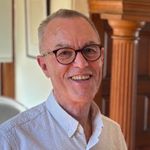 After an NIH sponsored post-doctoral stint with Stephen J. Lippard at Columbia University, he joined The Johns Hopkins University as an Assistant Professor of Chemistry, rising through the ranks of Associate and Full Professor, within Chemistry, Biophysics and Biology and the McCollum-Pratt Institute.
In 1997 he moved to New England, starting his appointment at Boston University as Professor and Chair. By this time, he had already pioneered the usage of hydroxy-radical footprinting of nucleic acids, as a tool to probe the structure and function of some of Nature’s most important and finicky biomolecules. He has been a Professor of Pharmacology and Professor of Experimental Therapeutics at the BU School of Medicine since 2001. His energies were also engaged as a member of the editorial boards of F1000 Research, ScienceOpen, and PeerJ, in addition to his service on the International Advisor Board for the Institute of Chemical Research, Kyoto University. With over 100 peer-reviewed publications, Tom has been recognized with numerous awards including being named a Searle Scholar, a Fellow of the Alfred P. Sloan Foundation, a Camille and Hendry Dreyfus Teacher-School, a Fellow of the American Association for the Advancement of Science, and receiving the Herbert A. Sober Award from the American Society for Biochemistry and Molecular Biology and the Ellison Medical Foundation Senior Scholar Award in Aging. Tom’s contributions to the Department, the College and the University are far-ranging and indelible.
During his tenure as Chair, Tom was always an advocate for inter-disciplinary research, recognizing the principles of convergence long before its current popularity. He oversaw the hiring of multiple new faculty who span traditional disciplines (John Caradonna, John Porco, Scott Schaus, Sean Elliott, and Mark Grinstaff), proved instrumental in the development of the Bioinformatics graduate program, and planned and oversaw the engagement of Chemistry in the Life Sciences and Engineering Building. During his time as Chair, Tom zealously taught in the freshman chemistry sequence, and proved time and again to be a champion of the Department. Following his service as Chair, Tom threw his zeal into the Bioinformatics program, serving first on the Executive Committee, then as Acting Director, Interim Director and Director, including serving as the lead of the NIH-sponsored training program in Bioinformatics and Computational Biology.
Tom will continue his work as an Emeritus colleague and we are excited to enjoy his company for years to come
Reflection from Tom Tullius
❝Thirty years ago, when I was being recruited from Johns Hopkins to chair the BU Chemistry Department, I remember clearly a most compelling reason to consider moving to Boston. Charles Cantor, then Chair of Biomedical Engineering, told me that BU was exceptional in its lack of barriers to research collaboration. CAS, ENG, MED, it didn’t matter – faculty from around the University were excited and open to working together. This certainly has proven true for me in the subsequent three decades, to the point that “convergent research” has recently become a central tenet of BU’s aspirations. Here are a few examples from own experiences here, starting with the first month that I spent in Boston. In August 1997, Charles Delisi, then Dean of Engineering, called together a group of us (including Cantor, Geof Cooper (incoming Chair of Biology), Temple Smith, and me) to develop a plan for a new graduate training program in Bioinformatics, an emerging field that was proving crucial to the progress of the Human Genome Project. Charles’s vision, contributions from faculty from around the University, and crucial support from the BU administration (especially Dennis Berkey, CAS Dean and Provost) led to the establishment of BU Bioinformatics in 1998, initially supported by an NSF IGERT training grant and subsequently by successive NIH training grants. Our Bioinformatics graduate program was the first in the world, and one of the reasons was the collaborative research culture of this university.
My own research moved from test-tube studies of DNA structure to applying our methods to the whole human genome, in large part because of the Bioinformatics Program and the students and faculty associated with it. Zhiping Weng, then an assistant professor in Biomedical Engineering and Bioinformatics, suggested that I apply to join the NIH ENCODE Project, a new initiative aimed at finding out how the human genome actually works. I was the only Chemistry professor in the ENCODE Pilot Project, a transformative experience for me in how I thought about my science.
BU has provided me with many opportunities for satisfying leadership roles that span the University, starting with chairing Chemistry. One of my goals as Chair was to bring new faculty to BU who would work at the intersection of more than one discipline (Chemistry, Biology, Physics, Engineering, …). The Life Science and Engineering Building (LSEB) that Geof Cooper, Charles Delisi, and I planned was key to realizing this aspiration. Succeeding Charles Delisi as Director of the Bioinformatics Program, and being able to incorporate faculty from around the University (in particular from the Medical campus), has been so rewarding. And in another realm, serving on the original BU Hub Task Force and as the initial co-chair (with Beth Loizeaux) of the General Education Committee gave me a perspective on the breadth of the academic offerings at BU that I still appreciate deeply. BU is a special place, and I am glad to have spent most of my academic career here.❞
Tribute to James Panek, Professor of Chemistry
James Panek attended SUNY Buffalo as an undergraduate, receiving a B.S. in Medicine Chemistry, which he followed with studies at Kansas University receiving an M.S. and Ph.D. in Medicinal Chemistry with Dale L. Boger, with a thesis titled, “ I. Investigation and Development of Inverse Electron Demand Diels-Alder Reactions of Azadienes. II. Formal Total Synthesis of Streptonigrin. III. Synthetic Studies on Lavendamycin.” He followed his doctoral work with an NIH-sponsored fellowship with Samuel J. Danishefsky at Yale University.  He came to Boston University in 1986 as an Assistant Professor, rising through the ranks of Associate (1992) and Professor (1995).
In 2004 he was named the first Samour Family Professor of Chemistry. Jim famously is a scholar of the generation of complex molecules with a penchant for the development of elegant strategies for generating bond-coupling schemes, which has also led him to be a valued resource for many pharmaceutical companies (Wyeth-Ayerst, Myogenics, Sphinx, Scriptgen, Versicor and Genzyme). His scholarship has led to over 200 research publications and patents over his storied career, leading him to be recognized by the American Chemical Society as a Cope Scholar in 2002. Within the Department, Jim has been the bulwark of the cluster of faculty in the area of organic chemistry, providing leadership that has lead to multiple successful hires (John Porco, Scott Schaus, Mark Grinstaff, Corey Stephenson, Ramesh Jasti, Aaron Beeler, Malika Jeffries-EL, Arturo Vegas, and Joe Derosa), and his fostering has led to their successful careers.
Jim will continue to be a part of our community as an Emeritus colleague and we are excited to enjoy his company for years to come,
Tribute to Curtis Woodcock, Professor of Earth & Environment
Curtis Woodcock’s retirement marks the close of an extraordinary career that has helped define the modern field of remote sensing. For more than four decades, Professor Woodcock has been a central figure in advancing how we observe, understand, and care for the Earth—particularly its forests, landscapes, and changing environments.
After earning his B.A., M.A., and Ph.D. in Geography from the University of California, Santa Barbara, Professor Woodcock joined the Geography Department at Boston University in 1984 and quickly became a cornerstone of its academic community. Over the years, he served as Chair of the Department of Geography (and later Earth and Environment), Director of the Center for Remote Sensing, and a leader across multiple interdisciplinary initiatives. However, his influence at BU extends far beyond his administrative roles. He helped to shape the intellectual direction of interdisciplinary environmental science at Boston University and trained a generation of students who now carry his legacy worldwide.
Professor Woodcock’s research has transformed the use of satellite imagery in environmental science. His pioneering work on Landsat data, time series analysis, and land cover change mapping has enabled the scientific and land management communities to track forests, monitor urban expansion, and better understand terrestrial carbon dynamics at global scale in ways that were inconceivable when he joined the faculty at BU. He was instrumental in demonstrating the power of long-term satellite records, helping to turn streams of imagery into meaningful and actionable information about how our planet is changing.
His leadership extended to the highest levels of the field. As Co-Leader of the USGS/NASA Landsat Science Team for nearly two decades, Professor Woodcock played a crucial role in shaping national and international remote sensing priorities. His contributions helped ensure the quality, continuity, and accessibility of Landsat data—an achievement that has had a lasting and profound impact across science, policy, and environmental management.
Recognition of Professor Woodock’s work has been widespread and deeply deserved. From multiple best paper awards in remote sensing journals to the 2016 William T. Pecora Award—the highest honor awarded in the Earth observation community—Woodcock’s career has been defined by both innovation and impact. His annual designation as a Clarivate Highly Cited Researcher underscores what colleagues have long known: the depth and breadth of his scholarship is remarkable and his publications have fundamentally influenced how multiple generations of scientists study the Earth.
Known for his intellectual rigor, curiosity, and collaborative spirit, Professor Woodcock has guided students and collaborators with patience and insight. He built communities of inquiry that span multiple disciplines and continents, always grounded in a shared commitment to understanding the planet more clearly. His greatest legacy lies in his mentorship of students and his generosity as a colleague.
As he steps into retirement, Curtis Woodcock leaves behind not only a remarkable record of achievement, but a field that is stronger, more connected, and more capable because of his contributions. His research and teaching have shaped how we observe and understand the Earth, and will continue to guide research and discovery for decades to come. Equally enduring is his impact as a mentor and colleague—through the students he has trained, the collaborations he has fostered, and the standards of rigor and curiosity he has exemplified. His legacy will live on in the science he helped build, and in the students and colleagues he inspired to study, understand, and preserve ecological integrity and natural resources on Earth.
Reflection from Curtis Woodcock
❝Over 42 years it has been fun to watch and participate in the improvement of Boston University. I started here so long ago, it feels like a different lifetime. Thankfully, I don’t feel the need to reminisce at length about ditto machines, push button telephones and the like. I have greatly appreciated my departmental colleagues over the years, as I have learned tremendously from them. My greatest joy has been working with PhD students and see them develop as people and scholars and to watch their success after graduation.❞
Tribute to Dilip Mookherjee, Professor of Economics
Dilip Mookherjee is one of the world’s leading scholars in the fields of development economics, economic theory, and political economy. He is also an exceptional mentor, advisor, and instructor, and a steadfast leader both at BU and in the economics profession.
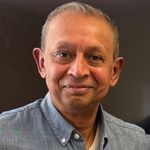 Dilip was born in Calcutta, in the Indian state of West Bengal. He obtained a BA in Economics at Presidency College in Calcutta in 1975, and an MA in Economics at the Delhi School of Economics in 1978. He then moved to the London School of Economics, where he obtained an M.Sc. in Econometrics and Mathematical Economics in 1980, and a Ph.D. in economics in 1982. Between 1982 and 1989 he was a faculty member at Stanford University (Assistant Professor and from 1986, Associate Professor). In 1989 he became a Professor at the Indian Statistical Institute in New Delhi. Since 1995, he has been a Professor in the Department of Economics at Boston University.
Dilip’s early work at LSE and Stanford was mainly in economic theory, involving groundbreaking work that pushed forward the profession’s understanding of large, complex organizations in which information is highly decentralized. Never far intellectually from the roots of his interest in economics, he has also made fundamental contributions to our understanding of the origins of inequality and underdevelopment. Later in his career, he began to push some of his organizational economic ideas into new arenas, particularly political economy. His work on capture and governance at the local and national levels fundamentally reshaped how economists think about the circumstances under which decentralized government can be beneficial or harmful. His work has had a deep and lasting influence on the literature on decentralization reforms in developing countries, with its impact extending well beyond development economics into public economics and political economy more broadly. No less important is his theoretical work on optimal auditing in tax systems or insurance contracts.
Dilip is the author of three books, editor of seven collective volumes and he has published more than 100 papers in leading journals. Among his many distinctions, he is an Elected Fellow of the Econometric Society, a recipient of the Mahalanobis Memorial Award of the Indian Econometric Society, and a winner of a Guggenheim Fellowship, bestowed upon exceptional individuals in pursuit of scholarship in any field of knowledge.
Besides his impressive scholarly achievements, Dilip has been an exceptional teacher and mentor. He won the Gitner award for undergraduate teaching in 2009, and twice received the Best Ph.D. Advisor Award (in 2015 and 2016). He has supervised countless PhD students, who have gone on to distinguished careers in academia and public service.
Over the past 25 years, Dilip has played a key role in shaping the direction of economic research at Boston University through his exceptional leadership of the Institute for Economic Development, a research center consisting of faculty and graduate students within the Department of Economics that focuses on the economic problems of developing countries, but taking a very broad approach of the field, in a way that encompasses almost any field within economics.
Dilip Mookherjee has been a pillar of BU’s Economics Department for the past 30 years, having played an enormous role in our current level of success. We, and BU more widely, will miss his leadership and mentoring. We wish him all the best, and hope he will continue to remain involved as a member of our community, so that we won’t have to give up his sharp intellect, his sense of humor, and his grace.
Reflection from Dilip Mookherjee
❝It seems hard to believe that three decades have passed by since I arrived at BU. These years have been extraordinarily enriching and stimulating, besides giving me a sense of belonging. I was attracted to the university owing to the vibrant intellectual culture and a true sense of community within the economics department, besides its commitment to development economics. Along the way it has overcome many challenges and managed to grow and flourish. I am fortunate to have been part of this enterprise, to have contributed in some small ways, and most of all for the opportunity to learn and enjoy the company of so many wonderful colleagues and students. ❞
Tribute to Michael El-Batanouny , Professor of Physics
Professor Michael El-Batanouny is an exceptional scholar, a teacher of uncommon dedication, and a colleague of enduring grace. A physicist of rare breadth, he has excelled in both experiment and theory.
 Professor Michael El-Batanouny arrived at Boston University in 1981 after he had already begun to leave his mark on condensed matter physics at Brookhaven National Laboratory. Over the four decades that followed, he became one of the defining figures of our Physics department, shaping generations of physicists along the way.
Michael’s scientific contributions span a remarkable range. In his early career, he dove deep into the electronic structure of metal overlayers and surface physics, conducting pioneering work on palladium films on niobium and the quantum motion of hydrogen on surfaces. With characteristic ingenuity, he designed and constructed from scratch a metastable helium beam-surface scattering facility — a one-of-a-kind instrument that became the engine of discovery for decades. He and his students probed the hidden magnetic and dynamic behavior of surfaces, mapping out antiferromagnetic transitions on NiO and CoO, soliton-like structures on reconstructed gold surfaces, and ultimately, the exotic interactions between Dirac fermions and phonons on the surfaces of topological insulators. This last line of research placed him at the very frontier of modern physics and topological materials, contributing landmark papers to Physical Review Letters.
His intellectual range extended well beyond his laboratory and his theories in Physics. In 2008, the National Academies selected Michael as one of just seven Jefferson Science Fellows from a pool of nearly two hundred tenured professors — a testament to the esteem in which the wider scientific community holds him. He served as Science and Technology Adviser at the U.S. Department of State, working on international communications policy, and later as a U.S. delegate to the Future Cyber-Networks Group of the United Nations International Telecommunications Union. In an era when scientists are increasingly called upon to engage with the world beyond their disciplines, Michael led by example.
And then there are his books. In 2008, Cambridge University Press published his Symmetry and Condensed Matter Physics: A Computational Approach — the first textbook to marry group theory, condensed matter physics, and computational methods in a single unified treatment. Twelve years later, in 2020, Cambridge also published his Advanced Quantum Condensed Matter Physics: One-Body, Many-Body, and Topological Perspectives — again, a first of its kind, synthesizing the full landscape of modern quantum condensed matter into one authoritative volume. These books are lasting intellectual contributions that will introduce students to the beauty of condensed matter physics long after his retirement.
Michael’s most enduring legacy is the students and people he trained. Today, these mentees are professors at universities across the United States, Europe, and Asia; senior scientists at national laboratories and leading technology companies; and researchers at the frontier of their own fields. One of his PhD students won the Springer Thesis Award. His students carry forward the spirit of Michael’s intellectual rigor, his curiosity, and his commitment to doing physics the right way. That lineage of mentorship is the most enduring measure of a scientist’s life.
Professor Michael El-Batanouny has served this Physics department as Director of Graduate Studies, chairing search committees and helping to recruit and mentor young faculty to sustain the Physics department’s reputation for excellence. And through all of it, he remained a genuinely generous colleague — available for advice that was given freely, with an enthusiasm for physics that has never dimmed. We wish you every joy in the years ahead.
Reflection from Michael El-Batanouny
❝As an undergraduate I majored in electronics engineering, and my first job was with Plessey Electronics (designer of the electronics of the Concorde) in England. I realized that I did not enjoy this career and I switched to quantum condensed matter physics in my graduate studies. I obtained a postdoctoral position at Brookhaven National lab, followed by a research scientist position in the third year. I felt that working as a member of a research group was too restrictive, it did not allow me to pursue the research areas about which I was excited.
I joined BU Physics Department in 1981 and have spent 45 years here- I felt that I was warmly welcomed by the faculty since the first day I joined and benefited from their wonderful support. I was encouraged to join the department because it was growing fast, and the growth accelerated after 1985 with the help of President Silber, reaching over forty top quality faculty members. I developed close friendships with a considerable number of my colleagues, and I had many research collaborations with several of them.
My research lives in a two-dimensional world, it deals with surfaces, interfaces, and ultra-thin films- it covers both experiment and theory, namely quantum surface scattering techniques and theoretical modelling of the resulting effects. My focus over the last 15 years has been on quantum topological behavior in the two-dimensional domains. I am also grateful to the BU administration and the physics department for their encouragement and support of my successful application for a US State Department Jefferson Science Fellowship, selected through the National Academies.
Over the 45 years I have taught a plethora of graduate (core and advanced CMP) and undergraduate (probably 90%) courses, and I have learnt a lot and developed new insights in many cases. Building on my teaching experience in advanced graduate courses I published two textbooks with Cambridge University Press: “Symmetry and Condensed Matter Physics” and “Advanced Quantum Condensed Matter Physics”.❞
Tribute to James Cherry, Professor of Psychological & Brain Sciences
The Department of Psychological and Brain Sciences would like to thank Professor James Cherry for his excellent work at Boston University over the course of his career.
 Dr. Cherry began as an Assistant Professor in the Department of Psychology at Boston University in 1995, received tenure in 2001 and became a Full Professor in 2011. He was also affiliated with and taught in the Undergraduate and Graduate Programs for Neuroscience.
Professor Cherry has had an impact on many undergraduate and graduate students at Boston University. For many years he taught undergraduate courses including PS231: Physiological Psychology, PS504: Genes, Brain and Behavior as well as graduate courses such as PS738: Systems and Cognitive Neuroscience, and PS836: Molecules and Behavior. He trained many undergraduates and graduate students in his laboratory, including Dr. Brett DiBenedictis, who went to a faculty position before returning as a lecturer in our department.
Jim and his laboratory published over 50 research publications in journals including Neuropharmacology, Behavioral Neuroscience, Journal of Neuroscience, Hormones and Behavior, Chemical Senses, eNeuro, and many other journals. Jim is a specialty Chief editor in Behavioral Endocrinology for Frontiers in Behavioral Neuroscience. Funding for his work included an NIH R01 grant for work on Olfactory Circuits for Reproduction and Reward.
Prof. Jim Cherry has made many fascinating research contributions in his career. This includes a focus on dimorphisms in the nervous system based on sex, including differences in anatomical patterns of connectivity in the olfactory system and the important influences of gonadal hormones such as testosterone and estradiol. His work focused on the use of the mouse olfactory system to understand how odors involved in reproduction, such as pheromones, are processed differentially by males and females, and the role of gonadal hormones in affecting such processing. This includes extensive analysis of the role of the vomeronasal system and accessory olfactory bulb in relationship to the main olfactory bulb. In one highly cited finding, his lab showed a surprising direct main olfactory bulb projection to the amygdala that responded to male pheromones. His work also addressed other sexually dimorphic behaviors in rodents, with the goal of extending findings to humans. In other earlier research, he also analyzed the role of the Type 4 (cAMP-specific) phosphodiesterase (PDE4) that influenced learning in drosophila and extended these studies to showing its role in olfactory perception and learning in the mouse.
Jim also made many important service contributions during his career at BU. He has served as the Vice Chair of the Boston University Institutional Animal Care and Use Committee (IACUC) since 2020 and served on many departmental committees as well serving as the Director of Graduate Studies in our department. He also served on important University review committees including the Appointment Promotions and Tenure Committee (APT).
We thank Jim for his many years of work for his students, the Department of Psychological
Reflection from James Cherry
❝I first came to BU as a postdoc in the Biology Department in 1986. Getting to know many of the Biology faculty during my four years there was very helpful when I returned a few years later to set up my lab as a faculty member in Psychology, where there were not many (i.e., no) people doing molecular biology. I’m grateful to those colleagues who let me have free run over much of their equipment and facilities, which was essential for my research at the time. BU has upgraded their facilities over the years, particularly in the classroom. One of my classes was in the old Nickelodeon theater on Cummington St. There was no lectern, just a few chairs and a rickety table big enough to hold my overhead projector. One day during class I noticed students were especially perky, lots of grinning. A few students let me know (after class) that behind me on the big screen flashes of a movie were being projected during parts of my lecture.
Over the years I have also been appreciative of the support I received from staff and colleagues in my own department. Before coming back to BU as an Asst. Professor in 1995, I had held four different postgraduate positions in four different states, and I wondered if I would ever settle down. Having the support of staff and colleagues in Psychology made consideration of moving a non-issue. I will look back on those relationships fondly. I will also look back fondly on the vibrancy of a lab teeming with students at all levels engaging in research, brainstorming sessions to toss around ideas for future grants, and the first look at fresh off the presses data.❞
Tribute to Jonathan Ribner, Associate Professor of the History of Art & Architecture
Jonathan Ribner has been an invaluable and treasured colleague and teacher in the Department of History of Art & Architecture for over 40 years. A scholar of late 18th to 19th- century European art, particularly French art, Jonathan is the author of two deeply learned books – Loss in French Art, Literature and Politics and Broken Tablets: The Cult of the Law in French Art from David to Delacroix – as well as important articles, essays in exhibition catalogues and edited volumes, and countless book and exhibition reviews. 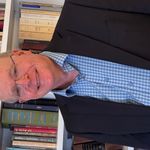 Each publication exemplifies his rare talent at balancing historical contextualization with sensitive visual analysis, drawing on his seemingly limitless interdisciplinary knowledge of the social, cultural, and political forces that shaped artistic production in 19th-century Europe. Thanks to the elegance and precision of Jonathan’s writing, his scholarship is always a pleasure to read. Over his four decades at BU, he has taught a wide range of courses in his area of specialization, which includes some of the most canonical, consequential, and familiar artists and periods in the history of art. But in addition to courses on Romanticism, Realism, and Impressionism, he regularly taught a Picasso seminar and each year expertly covered art from the 18th century to Postmodernism for the department’s biggest class. Leveraging his extraordinary versatility and visual acumen, he also regularly taught “Learning to See,” a widely popular course among non-majors and students from across BU that strengthened their ability to describe and analyze the visual world, encompassing everything from advertisements and propaganda to appliances. In this way, Jonathan equipped generations of BU students with vitally important skills to decode the images that increasingly saturate our world. The same emphasis on visual acuity characterized his graduate teaching and advising, ensuring that legions of HAA MA and PhD students, especially those concentrating in 19th-century and modernist art, received training in the still critical art historical and curatorial skills of connoisseurship and visual analysis. For decades, Jonathan also served as Director of Graduate Admissions, which involved the hugely burdensome and largely thankless task of overseeing admissions to both our MA and PhD programs. We all relied on his tireless efforts, which yielded increasingly larger MA cohorts once BU began providing departments with the ability to make competitive financial aid offers. His absence will also leave a huge hole in the fabric of a department that prides itself on cultivating collegiality and community building. Jonathan has consistently and exceptionally attended every department event – the annual Graduate Student Symposium, conducted at the Museum of Fine Arts, Boston; quarterly guest lectures; the annual MA Paper Symposium; search talks; gatherings for graduate students and undergraduates; and of course, celebrations for retiring colleagues. Now it is Jonathan’s turn to be celebrated. He will be sorely missed.
Reflection from Jonathan Ribner
❝When I retire at the end of December 2026, nearly forty-two years will have passed since I joined the BU faculty. In that time, I have seen my department grow ever more strong. Among my proudest contributions to that process is having chaired the search committees that brought us Professors Jodi Cranston and Michael Zell. Today, they are part of a world-class cohort of scholars with international reach, comprising Professors Danny Abramson, Heba Alnajada, Ross Barrett, Cynthia Becker, Anne Feng, Jan Haenraets, Melanie Hall, Deborah Kahn, Becky Martin, Will Moore, Ana Maria Reyes, Kim Sichel, Nicole Smythe-Johnson, Alice Tseng, Carolyn White, and Greg Williams. I have had the good fortune to be part of this supportive, dynamic group, served by two exemplary staff members, Susan Rice and Ân Vòng. Teaching and advising two generations of wonderful students has been a pleasure. And I enjoy close friendship with two BU faculty members in other disciplines: Professors Robert Kaufmann (Earth & Environment) and Dan Weiner (Mathematics & Statistics).
It is difficult to get my mind around retirement, as my time at BU is entwined with my dearest life experiences. First and foremost are my marriage to Susan White and the growth to adulthood of my children, Alex and Lauren. And in the years that I watched the Lindens ringing CAS in their seasonal cycle, I exercised my craft to the best of my ability in two books: Broken Tablets: The Cult of the Law in French Art from David to Delacroix (1993) and Loss in French Romantic Art, Literature, and Politics (2022). Although I will miss seeing Marsh Chapel as I descend St. Mary’s Street, fond memories of that campus will ever bring me cheer.❞
Tribute to Karl F. Ludwig, Jr., Professor of Physics
Sometimes God can be cruel. Professor Karl Ludwig is a brilliant experimental Physicist, a thought leader, an innovative teacher, and also an extraordinarily kind and caring person. It is unfair that so many wonderful qualities are bestowed on a single human being, leaving the rest of us lacking. He has been source of inspiration for colleagues and students alike.
 Karl Ludwig came to Boston University in 1988 as an assistant professor of physics, following a magna cum laude degree from Cornell, a Ph.D. from Stanford, and two years as a postdoctoral researcher at IBM’s T. J. Watson Research Center. He brought with him a rare combination: deep theoretical understanding of how materials order and transform, and a craftsman’s instinct for the experimental tools needed to observe those processes in real time. Over the nearly four decades that followed, he built one of the most productive research programs in the history of our Physics department.
At the heart of Karl’s scientific identity is the synchrotron X-ray beam — a source of extraordinary brightness that can illuminate the atomic-scale structure of materials as they grow, transform, and reorganize in real time. Karl became one of the leading practitioners of in-situ X-ray scattering, and served as Spokesperson for the team that proposed and oversaw the construction of a dedicated beamline at the National Synchrotron Light Source-II at Brookhaven National Laboratory — a facility that now enables cutting-edge materials research for scientists across the country.
His scientific range is exceptional. From time-resolved studies of ordering and phase separation in metal alloys, to semiconductor thin films underpinning modern LED technology, to ion beam nanopatterning, to coherent X-ray techniques for measuring defect propagation, to the local atomic structure of molten fluoride salts relevant to advanced nuclear reactor design — Karl’s research has consistently combined experimental ingenuity with physical insight, with a stellar record of high-profile publications in front-rank journals.
Karl’s contributions to this department have never been confined to his laboratory. He served as our Department Chair in the same caring manner we have learned to associate with him, recruiting world class faculty that have intellectually enriched our department. He has served as Associate Chair for Undergraduate Studies, Associate Chair for Condensed Matter Physics, Director of Academics, Department Chair from 2014 to 2017, and Associate Chair again from 2020 to 2022 during the COVID era when we really needed his wisdom. Within the College and University he served on the APT Committee, the Conflict-of-Interest Committee, the Hub Council, and the University APT Committee — chairing that last body in 2008–2009. Nationally, he served as Chair of the New England Section of the American Physical Society and on review panels at the Advanced Photon Source and NSLS-II for over a decade.
His mentorship record is equally distinguished. Karl has served as primary mentor for seventeen Ph.D. students and postdoctoral researchers, who have gone on to careers in academia, industry, and national laboratories. For six years he led BU-PRO, an NSF Research Experiences for Undergraduates grant that supported seventy-five undergraduates in summer research with Boston University faculty — giving many their first real experience of scientific research.
And then there is the cooking! In recent years Karl inherited and made his own PY107, Physics of Food and Cooking — one of the more distinctive offerings in the department. He readily admits he did not arrive as an experienced cook, but approached the subject with characteristic curiosity, learning from colleagues in BU’s Food Studies program and from his wife Eve, who earned her own degree from that program after retiring from a career in the IT industry. In teaching others to see physics in the kitchen, Karl has been writing a textbook — adding one more contribution to an already remarkable record.
Professor Karl Ludwig has given us an immense gift — of his time, his expertise, his leadership, and his integrity. From the synchrotron beamlines of Brookhaven to the lecture halls of Boston University, from seventeen doctoral mentees to seventy-five REU undergraduates, from department governance to the physics of soufflés, he has contributed to our department, to our College and to our University in ways that will be felt for years to come.
Reflection from Karl Ludwig
❝I interviewed at BU in Spring 1988, in an era when John Silber had hired Larry Sulak to build on the existing strengths of the Physics Department to take it to the next level. Those were heady days with a sense of a boundless future and a willingness to flaunt convention. I well remember that, toward the end of my interview process, they put me into the back bed of a pickup truck for the drive from campus to Larry’s home in Cottage Farms. How could any other school I interviewed compete with being driven through Boston streets in the back of a pickup?
While every job has its bumps, it’s been a wonderful 38-year journey. Having been graced with the opportunity to serve on the UAPT and APT committees several times during my career, I can tell you that we as a faculty are pretty darned good and I’m proud to be a member. Looking back, I’m grateful to all my BU colleagues, both faculty and staff, who’ve helped me along the way. And I appreciate the support I’ve received from the University throughout my career.
We all know that students can sometimes be difficult, unlike our faculty colleagues. However, I feel blessed that I’ve been able to work with such outstanding young people. It’s been especially wonderful to watch students who worked in my group grow into successful professionals and collaborators, having learned much more in their area of expertise than I’ll ever know.
For now, I plan to continue doing research and working with students. I don’t think of myself as leaving the University, but instead as simply changing my relationship with it. I look forward to continuing to be a member of our special community for years to come.❞
Tribute to Kim Sichel , Professor of History of Art & Architecture
For nearly four decades, Kim Sichel has been an extraordinarily generous, beloved colleague and leader and a dedicated, inspirational teacher in the Department of the History of Art as well as American Studies. Kim is a pioneering scholar of the history of photography, particularly the photographic book, photojournalism, and documentary photography in interwar Paris. She is the author of two acclaimed books – Making Strange: The Modernist Photobook in France and Germaine Krull: Photographer of Modernity – and numerous important articles, essays, exhibition catalogues, edited books, and reviews, several of which appeared in French or German translations; her most recent publications focus on South Asian and African women photographers.  By situating photographic images within the complex social and cultural worlds in which they were produced, she vividly brings to life photography’s allure as an index of time and place and as an artistic form. Her scholarship and some 30 PhD students effectively put Boston University on the map as one of the few universities offering this PhD specialty and established HAA as a premiere department in the field. In 2020, the College Art Association acknowledged Kim’s exceptional dedication to doctoral students, naming her one of the twenty most prolific PhD advisors in art history. She always says that advising students has been the best, most rewarding part of her career. Thanks in part to Kim’s mentorship, her students have typically secured high profile positions in academia, museums, or university galleries, including at Yale, Berkeley, Dartmouth, Bates, and the Minneapolis Museum of Art, putting into practice the model she exemplifies as a scholar-curator. Equally important are her critical contributions as a teacher and advisor for the American Studies Program. From 1992-1997, she served concurrently as Director of the Boston University Art Gallery and Assistant Professor in Art History; and she served two terms as Director of Museum Studies in the 1990s. During these years and subsequently, Kim curated and authored catalogues for a series of groundbreaking BUAG exhibitions on documentary photography including Mapping the West: Nineteenth-Century American Landscape Photographs from the Boston Public Library (1992); Black Boston: Documentary Photography and the African-American Experience (1994); and TO FLY: Contemporary Aerial Photography (2007), in addition to exhibitions in Paris and Montreal. Her blending of academic scholarship and curatorship, which distinguishes our department in general, was not the norm in art history at the time, though it is today. Ultimately, Kim’s publications and her many students will ensure her legacy and continued impact on the field. But the department will never be the same without her.
Reflection from Kim Sichel
❝I came to Boston University thirty-nine years ago. In 1987, my field, the history of photography, was very new, with only a handful of universities offering PhDs. BU has been an ideal place to work, with opportunities to collaborate with colleagues in History of Art and also in American Studies. Boston is home to literally millions of photographs in historical societies and museums, offering rich research opportunities to me and my students. The university has always supported my somewhat unorthodox interests in documentary photography and eventual work to establish photo book studies as a major field. Perhaps the best part of my job has been teaching, both large undergraduate classes and mentoring over 30 PhDs in the field. I’ve learned an enormous amount from these students as they scattered to universities and museums around the country and they have remained a closeknit and collegial group. My faculty colleagues have been inspirational partners in these projects, and I will miss working with them every day.
Tribute to Lee Roberts , Professor of Physics
On April 18, 2026, in Santa Monica, CA, Lee Roberts stepped up in a tuxedo to be honored with the 2026 Breakthrough Prize – one of the most prestigious prizes in all of science. Popularly described as the “Oscars of Science” this red-carpet event recognized Lee and his collaborators for their groundbreaking contributions to Physics.  Dean Stan Sclaroff said that the prizeworthy achievements “reflects both extraordinary individual excellence and the power of sustained, collaborative research in expanding human understanding and advancing knowledge that can change the world”. In a multi-decade quest, Lee has subjected the so-called “Standard Model of Physics” to the most precise tests imaginable. He exemplifies the very essence of the scientific method: We Physicists should be the most stringent critics of our Theories. That is how we reinforce the trust that humanity has placed in science.
Professor Bradley Lee Roberts joined the Boston University Department of Physics in 1977, and over nearly five decades he has become one of the most consequential experimental physicists of his generation. Lee earned his Ph.D. from the College of William and Mary in 1974, and from the earliest stages of his career demonstrated an instinct for the deepest questions in physics. His work took him to CERN, to Oak Ridge, and eventually to the experiment that would define a generation of particle physics: the measurement of the anomalous magnetic moment of the muon.
His work at Brookhaven National Laboratory dates back to 1990, when he began working on the muon g-2 experiment. The logic of the experiment was elegant and audacious: by measuring with exquisite precision how a muon “wobbles” in a magnetic field and comparing that measurement to the predictions of the Standard Model, one could search for the fingerprints of undiscovered particles and forces beyond the Standard Model.
The first g-2 experiment, completed in 2004 at Brookhaven, revealed discrepancies between the measured muon spin precession and Standard Model predictions — tantalizing hints of physics yet to be discovered, and challenging theoretical calculations of the Standard Model. When the Brookhaven experiment was shut down, Lee and his collaborators devise an audacious plan to move the entire enormous superconducting storage ring by truck and barge to Fermilab, quadrupling the measurement precision. The result was a landmark paper published in September 2025 that made headlines around the world.
The honors that have followed reflect the magnitude of this life’s work. He was elected a Fellow of the American Physical Society in 1994 for his earlier work on hyperon physics at Brookhaven. He received the American Physical Society’s W.K.H. Panofsky Prize in Experimental Particle Physics in 2023 — the most prestigious prize the APS bestows in that field — and was elected a Fellow of the American Association for the Advancement of Science in 2024. Then, in April 2026, came the crowning recognition: the 2026 Breakthrough Prize in Fundamental Physics, awarded to the Muon g-2 Collaborations at CERN, Brookhaven, and Fermilab, for “multi-decade, groundbreaking contributions to the measurement of the muon’s anomalous magnetic moment, pushing the boundaries of experimental precision and igniting a new era in the quest for physics beyond the Standard Model.”
Throughout it all, Lee Roberts remained above all a mentor and a builder of community. The Muon g-2 collaboration grew to involve more than 170 scientists from 34 institutions across seven countries, including his BU colleagues Professors Robert Carey, James Miller, and Lawrence Sulak, technical wizards like Eric Hazen, along with generations of PhD students and postdoctoral fellows. In his own words at the Breakthrough Prize ceremony: “The thing I love about the Breakthrough Prize is it recognizes the entire collaboration, because so many people made this thing happen… I really want to acknowledge that we’ve had amazing young people on both sets of experiments.”
That generosity of spirit — the instinct to share credit, to lift others, to keep asking the next question — is as much a part of Lee Roberts’s legacy as any measurement in parts per million. The Physics Family at Boston University has been immeasurably fortunate to call him our own for nearly half a century. We wish him a retirement as rich as the career that preceded it.
Tribute to Pierre Perron, Professor of Economics
Pierre Perron is a giant in the field of econometrics, having made foundational contributions to the study of unit root processes and structural change in time series regressions. He is also an exceptional mentor and advisor, and has provided exemplary leadership both at BU and in the economics profession as a whole.

Pierre Perron grew up not far away from Montréal, Canada. He is a Québecois and a native French speaker. He studied at McGill University to study economics and improve his English. He obtained a B.A. in Economics in 1981, a Master’s in Economics at Queen’s University in 1982, and a Ph.D. in Economics with Distinction in 1986 at Yale University, with a dissertation titled “Hypothesis Testing in Time Series Regression with a Unit Root.” He joined Princeton University as an Assistant Professor in 1986, then moved to the University of Montréal in 1988 where he was promoted to Associate Professor in 1992, and Full Professor in 1994. Since 1997, he has been a Professor in the Department of Economics at Boston University.
Pierre’s work in econometrics has always been motivated by a deep curiosity about substantive economic questions and empirical applications. Whether shocks have a permanent or transitory effect on a system is key for our understanding of business cycles, stock prices, and other macroeconomic aggregates. His two seminal papers on testing for unit roots in time series regressions, and on distinguishing between unit root process and stationary processes with structural breaks have both accumulated more than 10,000 citations, and have become part of the standard toolbox of applied researchers in economics and beyond. In recent years, Pierre has applied these methods to the study of global warming, establishing direct evidence for the effect of human factors in altering the long-run path of global temperatures.
Pierre is the author of two books, editor of seven collective volumes and has published more than 120 papers in leading journals. He has accumulated close to 100,000 lifetime citations, with fifteen papers passing the 1,000 citations mark. Pierre is listed in ScholarGPS as a Lifetime Highly Ranked Researcher, a recognition conferred to the most productive authors whose works demonstrate exceptional impact and outstanding quality—the top 0.05% of scholars in any given field. He is also listed among the Clarivate Citation Laureates in economics, a list of scholars considered likely to win the Nobel Prize in their respective field. Among his many distinctions, he is an Elected Fellow of the Econometric Society, an Elected Fellow of the International Association for Applied Economics, and a recipient of a Doctor Honoris Causa from the Pontificia Universidad Católica del Perú.
Besides his impressive scholarly achievements, Pierre also distinguished himself for his teaching and mentoring at BU. He won the Neu Family Award for Excellence in Teaching in Economics in 2004. He has served as First Reader on 30 dissertation committees, and published more than 70 articles with his students covering a wide spectrum of research fields. Many of his advisees have gone on to distinguished careers in academia and public service. Pierre also served as the Director of Graduate Studies at Boston University between 2012 and 2016, providing critical leadership in shaping the Ph.D. program at BU.
Pierre Perron has been a pillar of the Economics Department at Boston University for nearly three decades, and has played an enormous role in our current level of success. We shall miss his sharp wit and distinctive sense of humor. We wish him well and hope he will continue to remain involved as a member of our community.
Reflection from Pierre Perron
❝I have been a full professor at BU since 1997, and it’s been an enjoyable ride. I was very fortunate to be able to mentor more than 30 PhD students with whom it was a pleasure to work with. I remain in contact with most of them and it is a joy to see how well they succeeded. I thank the various Department chairs and Deans for having accommodated my handicaps in various ways. It made it possible for me to function productively. I think I leave with a legacy of long-lasting impactful work that has been recognized internationally in various ways and will reflect well on BU. ❞
Tribute to Sandy McEvoy, Clinical Associate Professor of Political Science
Sandy McEvoy’s time at Boston University has been defined by intellectual rigor, institutional leadership, and a deep commitment to understanding some of the most difficult questions in political life. She joined BU in 2018 as a Clinical Associate Professor of Women’s, Gender, & Sexuality Studies and Political Science. Since then, she has been a vital presence in both fields, but especially in WGS, where she has been Core Faculty.
 Professor McEvoy’s scholarship has reshaped how we think about political violence, particularly through her pioneering work on women’s participation in conflict and the gendered dynamics of violence and peacebuilding. Her research on the Northern Irish conflict, in particular, has illuminated how women’s involvement challenges entrenched assumptions about masculinity, power, and political change. At the same time, her work on the vulnerabilities of LGBT+ populations during conflict and crisis has expanded the scope of what it means to study security, justice, and resilience.
Beyond her scholarship, Sandy has been an extraordinary institutional leader. As Director of Graduate Studies in Women’s, Gender, and Sexuality Studies and Co-Chair of the Consortium for Graduate Studies in Gender, Culture, Women, and Sexuality, she has shaped programs, mentored students, and strengthened intellectual communities across Boston and beyond.
Colleagues and students alike have benefited from her insight, generosity, and steady dedication to the work of teaching and mentorship. Her impact will continue to be felt in the many students she has guided and the conversations she has helped transform.
As she retires, we celebrate not only her remarkable career, but also the lasting contributions she has made to BU and to the broader fields of political science and gender studies.
Tribute to Satoru Ishikawa, Senior Lecturer in Japanese, WLL
Dr. Satoru Ishikawa has taught all levels of Japanese language at BU since 2013. In his time at BU, he has helped build our Japanese language program into one of the largest in the United States, enrolling hundreds of students each year.  He is a co-author of Tobira: Gateway to Advanced Japanese, a textbook that is used in Japanese courses across the country. Satoru has also published three innovative textbooks featuring short, guided readings on well-known Japanese historical figures. A superb and beloved teacher, he developed new courses including a very popular one on supernatural beings in Japan. He created original materials for third-year modern Japanese, for classical Japanese, and for a course on the history of the Japanese language as part of the joint major in Japanese and Linguistics. In addition to serving as program coordinator for many years, he ran summer pedagogy workshops for part-time instructors and aspiring Japanese language teachers, and generously mentored younger colleagues, drawing on his decades of experience in higher education. We are deeply grateful for everything he has given the program, and we wish him every happiness in his retirement.
Reflection from Satoru Ishikawa
❝It has been a great privilege to spend the final part of my teaching career at Boston University. I have been especially fortunate to work alongside wonderful colleagues in the Department of World Languages and Literatures and in the Japanese Program, whose support and friendship have meant a great deal to me. I am deeply grateful to all of my colleagues and to the staff in the department. Above all, the years I spent with my students have left a lasting mark on my life. These memories will remain with me always, and even as I step away from the university, I know that reflecting on them will continue to bring me great joy. I am profoundly thankful for these experiences and for everyone who made this journey so meaningful. Thank you very much.❞
Tribute to Steve Homer, Professor of Computer Science
Since joining the Boston University faculty in 1982, Professor Steve Homer has been a central force in the development of the Department of Computer Science. His path to BU was grounded in the strong mathematical traditions of UC Berkeley, where he earned his A.B. in 1973, and MIT, where he completed his Ph.D. in Mathematics in 1978.  After graduating, he began his academic career as an Assistant Professor at DePaul University, followed by a visiting scholar appointment at MIT, before joining Boston University in 1982 as an Assistant Professor. With deep expertise in mathematical logic and recursion theory, he played a pivotal role in shaping BU’s program into a world-class research hub, providing the intellectual foundation that established the department’s international reputation.
Over more than four decades, Steve made profound and lasting contributions across research, teaching, and service: influential research in computational complexity theory and quantum computation, exceptional teaching and mentoring a large number of graduate and undergraduate students, dedicated leadership in the department including as Department Chairman (1986–1990 and 1993) and Associate Chair multiple times, and a prolific body of scholarship spanning more than 70 publications. He is also a member of Boston University’s Center for Reliable Information Systems and Cyber Security (RISCS), which he co-founded in 2002, and of BU’s Center for Computational Science. Furthermore, his work as a Fulbright Fellow at Heidelberg University, along with visiting appointments at Oxford and Harvard, brought a global perspective to the Charles River Campus.
In addition, his impact is felt most profoundly in the classroom. A recipient of the Department of Energy’s Undergraduate Teaching Award and co-author of the widely respected text Computability and Complexity Theory, Steve mentored and taught generations of students, transforming the most abstract limits of computation into clear and lasting insight. His ability to make difficult ideas accessible, paired with his patience and generosity, left an indelible mark on all who learned from him. He was a beloved teacher and mentor during all his time at BU.
As he enters retirement, we celebrate a scholar and leader whose intellectual rigor—supported by major grants from the NSF, NSA, and Army Research Office—was always matched by his kindness, humility, and unwavering dedication. Steve’s legacy and contributions to our department will endure long after his retirement.
Reflection from Steve Homer
❝I spent one semester in 1981 in the math department before I helped establish the Computer Science Department with two colleagues in 1982.
Most of my 45 year career was spent at 111 Cummington Street while we waited decades for the data science center to be built.
When the key I-beam was finally placed 18 floors above us my colleagues and I held our collective breath hoping it would not come crashing down. Seeing it finished was well worth the wait.
My career, however, wasn’t the architecture, it was the people. My greatest privilege at BU was getting to know and work with my 18 Ph.D. students and with other faculty members. It was always a pleasure to come to work each day because of my colleagues who were great friends, and supportive and fun to be with.
I leave behind many papers and 3 textbooks, 2 of which are still in print and being used. I will miss the camaraderie and the coffee machine.❞
Tribute to Jack Matthews, Professor of English
The remarkable career of Jack Matthews was recognized by the Richard Beale Davis lifetime achievement award for work in southern studies, which was presented at the 2026 Society for the Study of Southern Literature. Jack is a preeminent scholar of William Faulkner with interests in American literature, modernist studies, literary theory, literature of the US South, and global southern studies.  He has written numerous articles and book chapters and seven books, including The Play of Faulkner’s Language (Cornell UP, 1982), a study rooted in post-structuralist theory, and William Faulkner: Seeing Through the South (Wiley-Blackwell, 2009), which considers Faulkner’s shifting construction of Southern place across his novels. Jack’s most recent book, Hidden in Plain Sight: Slave Capitalism in Poe, Hawthorne, and Joel Chandler Harris (U Georgia P, 2020) looks back to important nineteenth-century works to show how writers portrayed the United States as a nation founded on the tolerated intolerable of slave labor and exploitation.
Jack also contributed greatly to Faulkner studies as an editor, having produced two edited volumes for Cambridge UP appearing in 2015, William Faulkner in Context and The New Cambridge Companion to William Faulkner. He was the founding co-editor of The Faulkner Journal and served on the boards of both The Faulkner Society and the Society for the Study of Southern Literature.
Jack spent the entirety of his career at Boston University, arriving in 1975 before completing his PhD at Johns Hopkins University. He earned tenure in 1984 and was promoted to full professor in 1993. It would be impossible to detail, across more than half a century, his many service roles and other contributions to the English Department, where he was a conscientious colleague and brilliant teacher, much sought after as an advisor for graduate students and undergraduate honors students alike. He is as intensely rigorous as he is generous in his approach to teaching, which has benefited students in English, American Studies, History, Kilachand Honors College, and well beyond. He created interdisciplinary team-taught courses with Professor Nina Silber of BU’s Department of History, offering difficult and courageous classes that addressed Southern literature and history, the U.S. South in global perspectives, and the historical roots of representations of racial conflict in contemporary America. Jack’s remarkable and creative teaching was recognized by is the highest honor BU gives for teaching, the Metcalf Award for Excellence in Teaching in 2006.
Jack Matthews’ other awards have included the Jeffrey Henderson Senior Research Fellowship, Humanities Foundation Senior Fellowship, the Fulbright Lectureship in American Studies, and a Senior Fellowship at the National Endowment for the Humanities. He has also served as a valued mentor to his colleagues at Boston University, including me, and to many scholars working in his fields across the world. He will be greatly missed in the English Department at Boston University, and we all wish him the very best on his retirement.
Reflection from Jack Matthews
❝When I arrived here in the mid-70s, BU had just begun an ambitious plan to transform itself from a commuter school to an R-1. That meant lots of hires across the university, including in the humanities, and specifically in English. A nucleus of new faculty was gathering, and I remember how exciting (and daunting) it was to join a cohort working on truly transformative projects in our fields: among others–Michael McKeon on the history of the English novel; Bill Carroll and Jim Siemon in Shakespeare and Elizabethan studies; David Wagenknecht in Romanticism (later long-time editor of Studies in Romanticism); Susan Mizruchi in American cultural studies; Jon Klancher on English reading audiences; Garrett Stewart, Julia Prewitt Brown, and Carolyn Williams on Victorian culture; Larry Breiner and Abdul JanMohamed on post-colonial studies; Lee Monk in modernism and the new film studies program here; and, for too brief a time, Eve Kosovsky Sedgwick, one of the foundational figures in critical gender and sexuality studies. Some of us formed a reading group in literary theory, initially focused on the Frankfurt School, that created intellectual camaraderie, defined a sense of shared direction in our scholarship, and spurred the reimagining of our department’s curriculum. A wholly inspiring, formative moment for me.
One highlight of teaching at BU has been the wonder of its undergraduate students, decade after decade. “Wonder” in the sense of both their remarkable ability, but also their sense of curiosity. Though generational mentalities change, undergraduates here continue to show up inquisitive, eager to read and write, independent-minded, up to challenges. Right through my last semester of teaching in the fall of 2025, so many of our students continue to defy prevalent stereotypes about disengagement, inability or refusal to read long difficult texts, indifference to writing, reluctance to speak in class. I’ve enjoyed the opposite of this: students motivated to read thoughtfully, with personal investment; to write ambitiously, beyond the minimum; to take responsibility for inclusive discussions that build real communal learning. They’ve been a joy to share the classroom with, and to watch flourish beyond it.
Another particular highlight: a team-teaching experiment Prof. Nina Silber in History and I undertook. We discovered we were in fact teaching very similar courses in US Southern culture—Prof. Silber as a cultural historian of the post-Civil War and modern South, I as a literary critic specializing in modern American fiction, with a Faulkner-prompted interest in Southern literature more broadly. Nina and I decided we should attempt a team-taught course, even though there was at the time no institutional structure for it in CAS. We cross-listed identical courses, conducted them as combined class meetings, and sidestepped bureaucratic barriers to teaching what and how we wanted. An important lesson that learning, teaching, and scholarship are the point of universities. We shared a lot of rich experiences across all the levels at which we taught, from freshman classes to graduate seminars, doing genuine interdisciplinary teaching.
Finally, a totally inadequate tribute to the remarkable graduate students I’ve been fortunate to work with through the years: so many have gone on to stellar careers as scholars, teachers, administrators in higher education, and other academic positions. The pleasure of working with a succession of such talented young people over decades has been among the greatest gratifications of my professional life.❞
Tribute to Xuefei Jin, Professor of English
Xuefei Jin is the William Fairfield Warren Distinguished Professor of English and Creative Writing at Boston University. He has also served as Director of the Creative Writing Program for several stints since arriving at BU in 1990.  Xuefei has taught MFA Fiction Writers in the celebrated Creative Writing Program as well as undergraduate students in his course on Migrant Literature across more than three decades. As a teacher and mentor, he has shaped generations of students with the same clarity, rigor, and compassion that characterize his fiction. A novelist, essayist, and poet whose unique voice bridged cultures and histories, he has given readers fascinating work of great moral depth.
Notable among his major works are the novels Waiting (1999), which won the National Book Award (1999) and the PEN/Faulkner Award (2000), War Trash, Winner of the PEN/Faulkner Award (2005) and finalist for the Pulitzer Prize (2005), Nanjing Requiem (2011), AsiaWeek’s best novel of 2011 published in Chinese, and his most recent novel, Looking for Tank Man (2025). He has also published poetry and a number of short-story collections, as well as essays in both Chinese and English.
Xuefei’s honors reflect the extraordinary range and impact of his work. In addition to prizes for his fiction, he has won the prestigious Guggenheim Fellowship, the Bucheon Diaspora Literary Award for A Free Life, and the Award for Excellence in Literary Criticism for “What is Fiction.” He is a Fellow of the American Academy of Arts and Letters, of the Berlin American Academy of Arts and Sciences, and of the American Academy of Arts and Sciences.
Colleagues and students will remember Xuefei for his thoughtful mentorship and his generous collegiality, combining high standards and demands for constant revision that launched many literary careers. We honor Xuefei’s enormous contributions to the English Department and the Creative Writing Program at Boston University, knowing that his influence will continue to be felt in classrooms and in the pages of contemporary fiction for many years to come.
Tribute to Robert Weller, Professor of Antrhopology
Professor Robert Weller joined the anthropology faculty in 1990 after travelling north from Duke University. Over the next three decades he made Boston University a premier destination for those studying the anthropology of China both as a researcher and teacher. He has authored nine books, as many edited volumes, and scores of articles, often in collaboration with colleagues and former students, that have become classics in the field.  In an era of ever narrow specializations, Rob continually expanded his research and provided insights on an ever wider set of topics. These include monographs on religion (Unities and Diversities in Chinese Religion; Resistance, Chaos and Control in China: Taiping Rebels, Taiwanese Ghosts and Tiananmen), politics (Alternate Civilities: Chinese Culture and the Prospects for Democracy), the environment (Discovering Nature: Globalization and Environmental Culture in China and Taiwan), and, with Adam Seligman, philosophy (Ritual and Its Consequences: An Essay on the Limits of Sincerity; How Things Count as the Same: Memory, Mimesis, and Metaphor). A recipient of a Guggenheim Fellowship, he was a visiting professor at the University of Chicago, Sun Yat-sen University in China, University of California, Santa Barbara and has given dozens of invited lectures at institutions around the world.
We celebrate other strengths as well. Rob served as chair of the department at various times for nine years, using the opportunity recruit faculty and build new programs that thrive today because of the foundation he laid. He is revered by generations of graduate students, many of whom came to study China and Taiwan under his direct supervision, as well as those he mentored during the decade he served as the department’s Director of Graduate Studies. So great was his patient understanding of all things BU that the University appointed him to the Faculty Grievance Committee, which with Houdini-like skill he exited unscathed after a year’s service. He was skilled at making new faculty feel welcomed and keeping older ones engaged. His retirement marks not just the departure of a valued colleague but a dear friend whose presence in our heats will not fade.
Reflection from Robert Weller
❝I came to BU in 1990 after having taught at Duke for a decade. I made the move because Peter Berger, one of the most influential sociologists of his time, offered me the wonderful opportunity to join him and other colleagues in what turned out to be over three decades of deeply rewarding and productive interdisciplinary collaborations on topics that ranged from civil society to ritual.
When I first made the move from Duke, I was a bit worried about the quality of the undergraduates I would be teaching, since on paper the Duke students looked better. In reality, though, what I found was an endless supply of smart, curious, and motivated students who seemed easily the equals of the ones I had left behind, and who have only continued to improve in the intervening years. At the graduate level, my colleagues in Anthropology built an extraordinarily successful program, and I was lucky in attracting so many talented students who are passing our intellectual lineage along to new students at universities all around the world.
Maybe most of all, though, I am so grateful to all my colleagues in Anthropology and elsewhere who have made my journey so exciting and rewarding. May you continue to thrive, and may you continue to push me along after my retirement!❞
Gary Benson
Reflection from Gary Benson, Associate Professor of Biology and Computer Science
❝Teaching:
• Wrote and directed the NSF-funded Bioinformatics IGERT training grant. Seven years
(2007-2013). It funded 34 Bioinformatics PhD students for one or two years, including Josh
Campbell (new Director of Bioinformatics) and Adam Labadorf (Assistant Professor,
Medicine). Twenty IGERT grants were funded out of 400 submitted. $3.2 million.
• Initiated and directed the NSF-funded Bioinformatics BRITE REU program (Bioinformatics Research and Interdisciplinary Training Experience – Research Experience for Undergraduates). Eight summers (2015 – 2023). 30 BU faculty mentors, dozens of PhD
student mentors. 72 undergraduate students, 6 joined the Bioinformatics PhD program.
• Wrote and co-direct the current NIH-funded Bioinformatics T32 training grant. Five years
(expected) 2023-2028, funds six students per year for one year each.
• Collaborated with faculty at Rutgers University and high school teachers to develop and trial-run high school teaching modules combining biology, math, and computing topics.
Service
• Executive Editor, Nucleic Acids Research, Web Server Issue. Thirteen issues (2007-2019).
Paper proposals 3,827; Submitted Papers 1,699; Accepted Papers 1,283.
• NIH Study Section Member, T-32 Predoctoral Training Grants panel. Five years (2020-
2024).
• Bioinformatics Director of Graduate Studies. Eleven years (2015-2026).
• Bioinformatics Admissions Committee Chair. Fourteen years (2010-2023)
• Poster judge, ABRCMS and SACNAS undergraduate research conferences. Nine
conferences (2010-2023).
• National judge, Siemens Competition in Math, Science, and Technology. Three
competitions (2006, 2007, 2013)
• Expert witness in several patent dispute cases involving bioinformatics technology used to
detect cell-free tumor DNA in blood (blood biopsy).
Research:
I created and maintained online resources at BU for my Tandem Repeats Finder software, which currently has over 10,000 citations. I developed, along with my graduate students and lab software team, the VNTRseek software to find copy number variant (i.e., genetic variation) tandem repeats (VNTRs) using human whole genome sequencing (WGS) data. We subsequently identified 35,000 VNTRs in public data from 2800 individuals and showed that VNTR loci exhibit population specific alleles and that allele differences are correlated with expression differences in nearby genes. I am currently accelerating the processing of WGS data through the development of an AI decision model that rapidly identifies sequencing reads that contain tandem repeats.
Life at BU:
I rode an estimated 20,000 miles on my bicycle commuting to work in Boston over 23 years.❞
Jen-Wei Lin
Reflection from Jen-Wei Lin, Associate Professor of Biology
❝Over the last 33 years, I have watched BU evolve from a big university into a great university. I have witnessed the construction of the Hariri Building, FitRec, LSE, CDS, CILSE, and Student Village. Commonwealth Avenue has become more crowded. While students may have grown wiser in some respects, they remain young at heart.
 Biological science has also evolved at an accelerating pace. I have witnessed the completion of the human genome sequence and the explosion of detailed “Omics” data bases accessible to all biologists. There was a time when gaining a Ph.D. degree meant you have to be “good at the one thing your advisor is an expert in”. I get the impression that, nowadays, a graduate student is expected to “be able to exploit tools to solve problems of which your advisor may only have a vague understanding”.
Despite these significant changes in science, the biology department has remained an excellent place to work. Interactions among faculty members have always been collegial and supportive. Departmental business is handled with the trust that, even in the event of disagreements, we colleagues are acting with the best of intentions.❞
Peter Castellano
Reflection from Peter Castellano, Biology Department Laboratory Manager
❝I have been employed by BU since 2000; 8 years in the Grant & Accounting Office, working for Property Management and the rest of my time working in the Biology Department.
 I have become friends with so many people; staff and professors as well as students and vendors, who have made my time here so enjoyable.
The best thing about being retired is that I don’t live too far from BU, so I can drop by anytime!
Thank you for a satisfying and fulfilling career in CAS!❞
Mildred Basker-Seigel
Reflection from Mildred Basker-Seigel, Senior Lecturer in Spanish
❝This is a very important moment for me to be celebrating my retirement from Boston University after 40 years of service. It has been a privilege to be a part of the Romance Studies Department where I got to work with and learn from the many wonderful faculty over the years.  I greatly appreciate all the positive and uplifting experiences and the friendships I have built. The students who came through my classes every semester were an enormous joy and I will always remember them. To add to all these memories, it was also very special and rewarding to have two daughters graduate from Boston University and to see how the academic preparation that they received has helped them in their careers. With warmest wishes and heartfelt appreciation to everyone.❞
Wendy Czik
Reflection from Wendy Czik
❝Since joining the Religion Department in 2008, I have had the privilege of serving as the Department Administrator—a role that allowed me to support the faculty and students in a dynamic academic community. While my career was defined by collaborating with faculty and students, the daily sense of community is what I will cherish most.
 I have fond memories of our weekly tea and cookie hours, and the lunches in the lounge where staff, students, and faculty gathered for interesting conversations. Even the building’s unique beauty—navigating five floors and a basement without an elevator and managing the occasional heating or plumbing issue—added to the character of my time here. I also enjoyed watching the squirrels from my third-floor office that made their home in an old urn on the fire escape.
The conclusion of the spring semester was a highlight. I took great pride in planning the Katz Award Luncheon to celebrate our exceptional students, as well as the annual Convocation. These milestones, alongside the everyday connections made over the years, have been the true happiness of my time in the Religion Department.❞