50 Years After Mandated by US Law, Special Education’s Future in Question, BU Scholar Says
Wheelock’s Elizabeth Bettini, longtime special ed researcher, on the potential impact of cuts to students and the special ed workforce

In 2025, nearly 8 million American students are receiving special education services under the Individuals with Disabilities Education Act. Photo via iStock/Jeanne Sager Photography
50 Years After Mandated by US Law, Special Education’s Future in Question, BU Scholar Says
Wheelock’s Elizabeth Bettini, longtime special ed researcher, on the potential impact of cuts to students and the special ed workforce
In 1975, President Gerald Ford signed the bipartisan Individuals with Disabilities Education Act (IDEA), requiring public schools to provide special education services to students with physical, learning, or mental disabilities. Over the last 50 years, millions of American students have been helped by this law, which has provided educational services that help them build skills to achieve their goals—be it going on to college or trade schools, entering the workforce, or living independently.
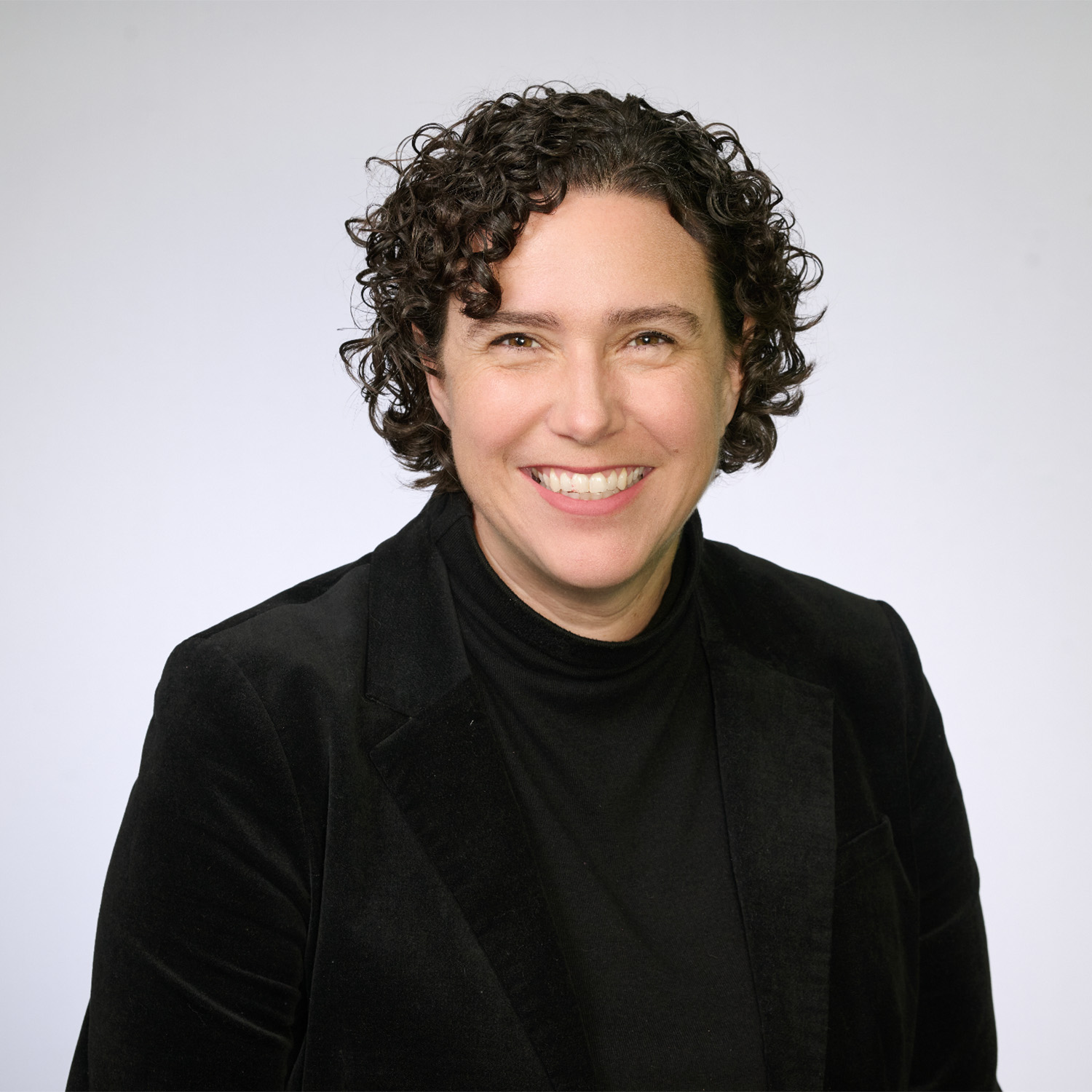
At Boston University’s Wheelock College of Education & Human Development, with its highly regarded Special Education program, Elizabeth Bettini has spent much of her academic career researching the field of special ed. Bettini, an associate professor, has researched strategies to ensure schools are staffed to effectively serve the needs of disabled students. She has looked into how working conditions in schools affect special education teacher retention, and she helps lead two Wheelock doctoral programs to train new special education teacher educators.
Now, Bettini says, recent layoffs at the Department of Education (DOE) could undo much of the progress that’s been made training new teachers and serving disabled students. BU Today asked Bettini to explain why special education matters and how cuts to the DOE’s Office of Special Education Programs (OSEP) may affect students and teachers.
Q&A
with Elizabeth Bettini
BU Today: What does the research tell us about the importance of special education programming and accommodations in K-12 schools?
Bettini: There are a handful of studies in the last couple of years that have looked at the causal effect of special ed services, by looking at students’ growth trajectories before and after they are identified for services. Those studies have consistently shown really positive, strong effects. When students qualify for services, their growth trajectory accelerates much faster than before they were identified.
Probably the strongest study looked at identification rates in the state of Texas. In 2004, Texas very quietly instituted a cap on special education identification rates of 8.5 percent. If the district went over 8.5 percent of students identified with disabilities, then the state would come investigate them—in a process that is not supposed to be punitive, but they were using it punitively. They really made it very hard for districts to identify more than 8.5 percent of students. So that meant that a lot of students who—based on testing—should have qualified, were not getting services. (Just as a comparison, Massachusetts has an identification rate of 20.6 percent.)
Texas was caught by the federal government; the Office of Special Education Programs realized they were doing this. It’s totally illegal. That’s not how identification is supposed to work. And there was a huge, multimillion-dollar litigation. The state owed compensatory services to all of those students who were illegally denied services. Some researchers, Briana Ballis and Katelyn Heath, looked at the effects of being denied services on student outcomes, and found very significant effects. Capping identification rates led to much lower achievement outcomes, much lower graduation rates, much lower college attendance rates.
BU Today: You mentioned the Office of Special Education Programs, a Department of Education office that saw cuts in October. Can you explain how this office functioned and why it is important?
They are responsible for ensuring states comply with their obligations under IDEA. They also have functions that are infrastructural: they are also responsible for aggregating infrastructure and resources that states don’t have capacity for, and then that infrastructure and resources are shared across states.
In its regulatory capacity, OSEP monitors states’ implementation of IDEA. When they find violations, they intervene, and they can enforce compliance.
An example is Indiana, which was allowing emergency licenses for special education teachers on a broad scale. The federal government intervened and said, “No, students with disabilities have the right to be taught by a licensed special education teacher. Here are the steps you need to take to remediate this.” As a consequence of that, they have some really great, innovative programs in Indiana now that are preparing special educators in novel, really exciting ways. They’re bringing more folks into the profession who weren’t there before.
The other function they play is infrastructural: they create and house infrastructure that is then a resource across all states. One example is that they do a lot to address the special education teacher shortage. We also have a shortage of faculty to teach special educators. Those problems are connected, when you can’t hire faculty in your teacher prep program to teach in special ed and you can’t prepare special ed teachers, right? [OSEP] funds doctoral training programs, called 325D grants.
The biggest concern is that federal oversight for implementation of the law is going to disappear. And we have lots of evidence that if states have the capacity to bend the law, they will do so.
BU Today: How does the Office of Special Education Programs help BU train special ed teachers?
We have two [OSEP-funded programs] here at BU: Project LINC and Project TEAMS. Those fund doctoral students to get their PhD in special education, so they can go on and teach teachers. We still have six students who are counting on [325D] funding to finish their program. They also have what are called 325K grants, which prepare people to become special educators and related service providers. My master’s program, one of my semesters, was covered under a 325K grant. My doctoral program was covered under the 325D grant. Here at BU, currently, we have a 325K grant that’s just getting started, Project INSTEP. Jen Green [a Wheelock professor in special education] is the PI on it, and it’s preparing special educators and school counselors to work with students with disabilities.
Those [grants] address problems that we have across all states—having enough special ed teachers and faculty to prepare them. Other examples of infrastructure they create: they have a large data center where they maintain data on states’ implementation.
BU Today: In the short and long term, which special education services might students lose out on as a result of federal cuts to special education?
The biggest concern is that federal oversight for implementation of the law is going to disappear. And we have lots of evidence that if states have the capacity to bend the law, they will do so. Oversight has been really important for ensuring implementation across states. Short term, there are ongoing investigations that OSEP is part of. They’re currently engaged in investigations of various states, various districts, as a result of complaints that have been put forth by advocates and parents. Those investigations take a very long time. Sometimes it can take decades. There might be investigations that have been going on for a decade, they are nearing a decision and remediation, and they’re now potentially never going to go forward.
BU Today: Do states have any recourse?
States can engage in really powerful advocacy to push back against this. We’ve seen states do that on other issues. A great example is the Public Health Alliance that Massachusetts has formed with other New England states to try to address some of the federal shortfalls. Going forward, I would love to see parallel initiatives with regard to education and special education. In particular, I think states could band together to build some of the infrastructure that was previously provided by the federal government, and also to advocate for continuation of the supports that the federal government had traditionally provided.
This interview has been edited and condensed for clarity.