XCC Course Inspires Creativity and Innovation
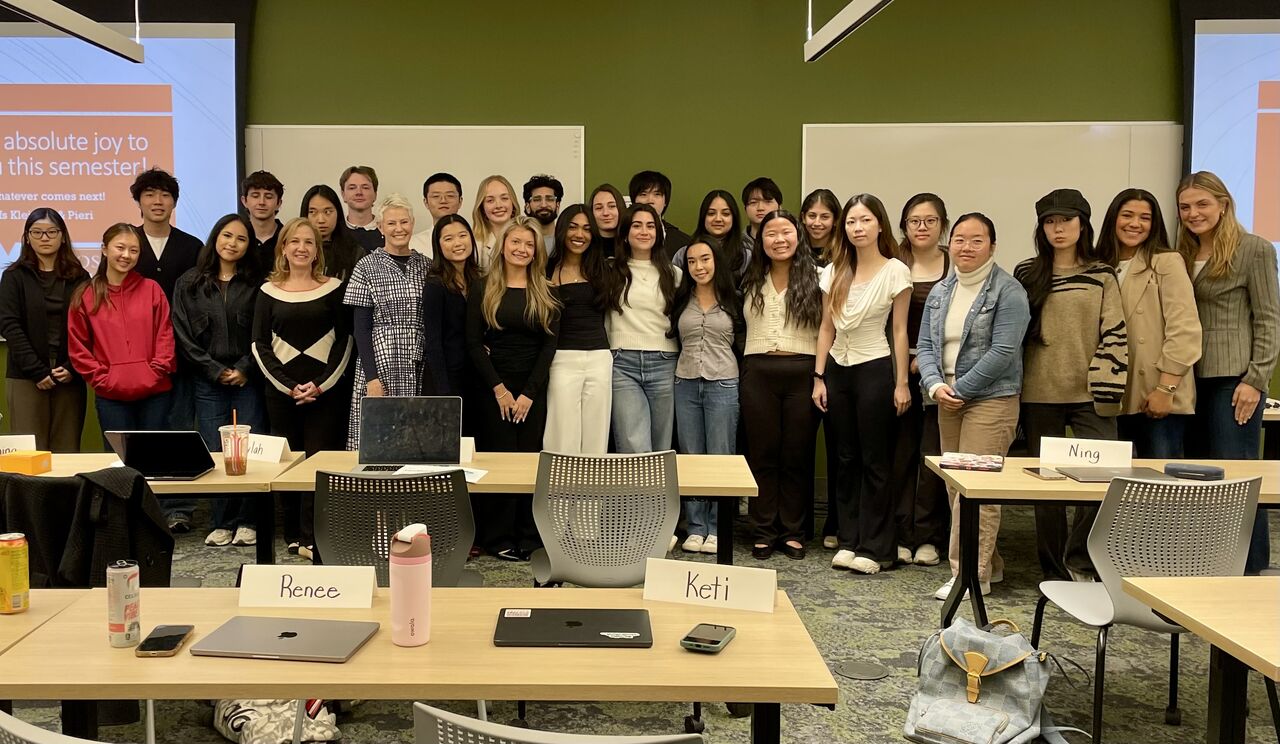
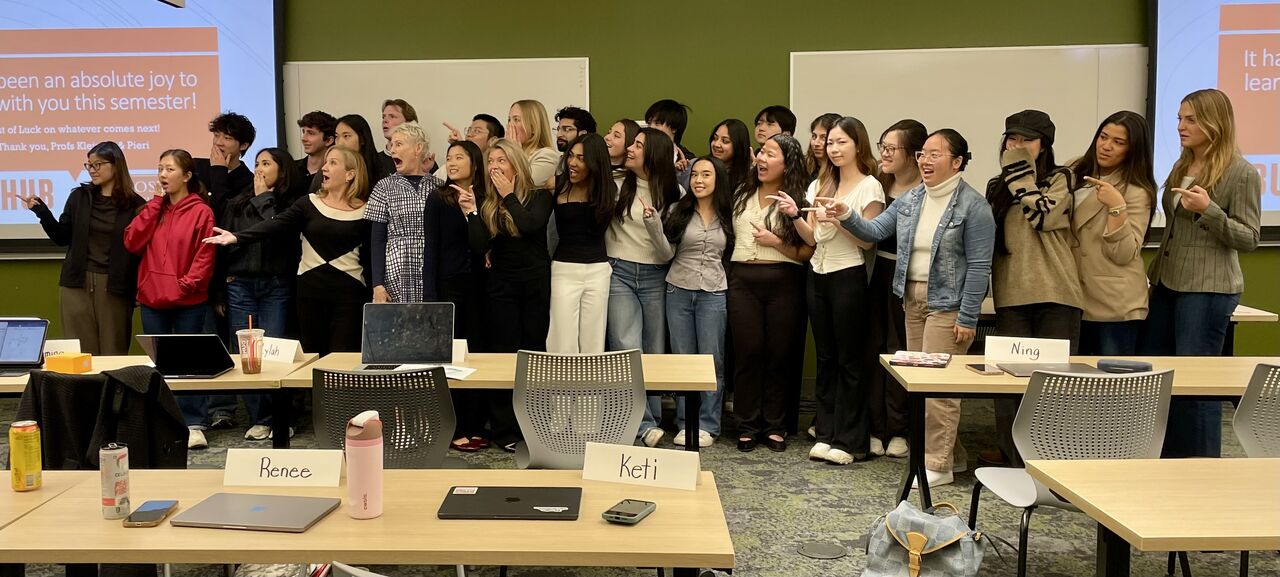
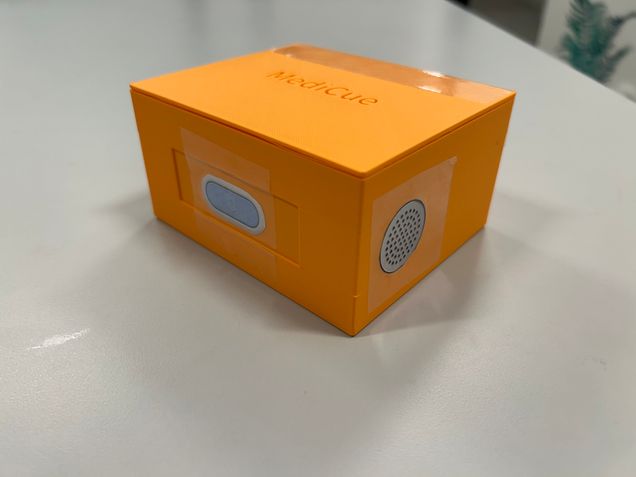
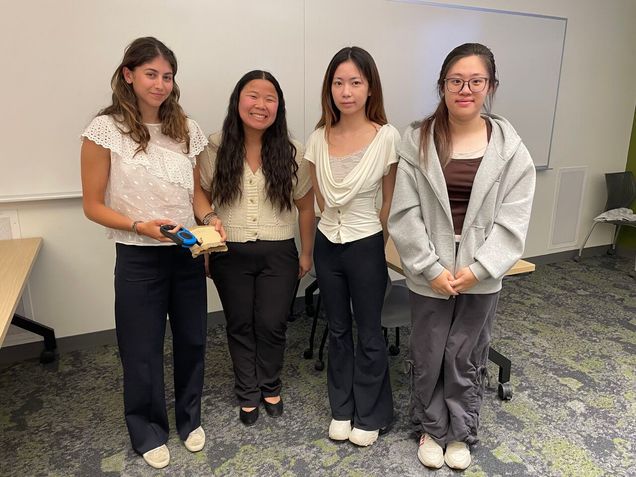
Cross-College Challenge course Concept to Cart: Consumer Products Entrepreneurship challenges students from across BU to conceive, prototype, and pitch a real physical product over the course of a semester. The spring 2026 cohort presented at the Experiential Learning Expo, where teams made up of students with diverse majors unveiled products they built from scratch.
The course is part of BU’s Innovation & Entrepreneurship minor, run by Innovate@BU and open to all undergraduates. It is co-taught by Questrom faculty Jules Pieri, co-founder and former CEO of The Grommet, and Debi Kleiman, former Executive Director of the Blank Center for Entrepreneurship at Babson College and author of First Pitch.
Interdisciplinary Collaboration
Teams in Concept to Cart are deliberately assembled across majors, and instructors say that’s what makes the projects work.
“Honestly, the playing field feels pretty level for all the students, including the business majors,” says Pieri. “The range of student interests and academic backgrounds makes for far stronger projects, because developing a consumer product takes you into a wide range of areas, including being good at interviewing strangers, ideating product concepts, developing a distinctive brand, and prototyping product and packaging ideas.”
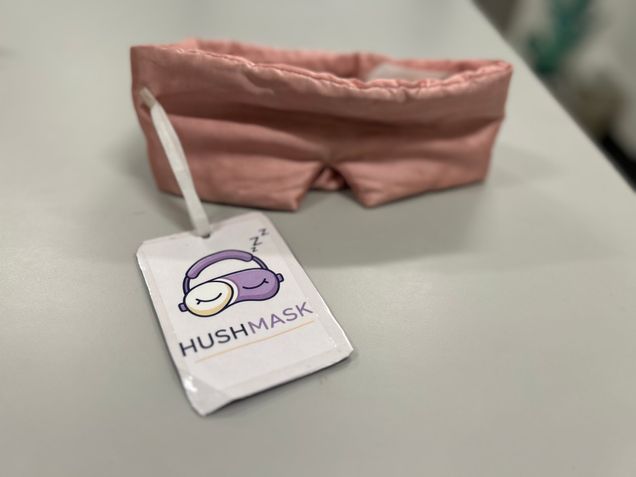
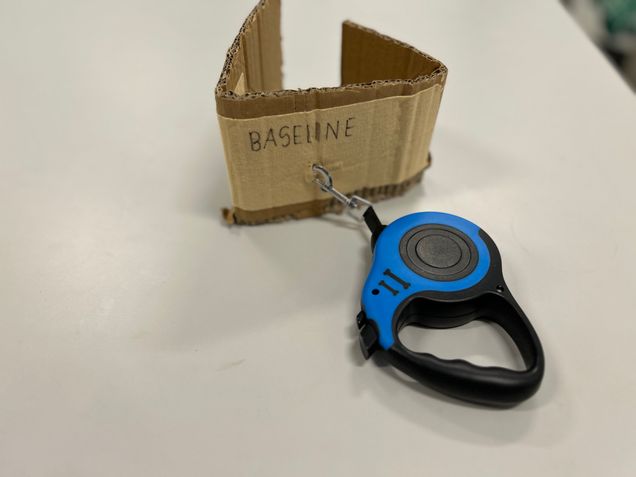
The spring 2026 teams exemplified that range. Team ARCK, made up of political science, international relations, and computer science students, designed HushMask, a sleep mask engineered to block noise across multiple frequency ranges, inspired by helicopter pilot headphones and aimed at college students sharing dorm rooms. Team Intent Cosmetics, spanning international relations, chemistry, public relations, and political science majors, created The Loop, a silicone ring that attaches to a cosmetics bottle and uses an LED indicator to signal when a product has expired. Their research found that 98% of makeup users have used expired products and that 79% of used cosmetics test positive for bacteria.




Pieri recalls one student whose thinking shifted significantly over the course of the semester. “I will never forget one very bright senior student who took our course just because it filled a requirement. She thought her assigned team looked weak and that our emphasis on qualitative interviews would be a waste of time.” The student, trained in structured data analysis, nearly transferred out. She stayed, and by her mid-course reflection paper called it her favorite class at BU. “She realized that in her intended career she would be navigating situations with diverse perspectives and limited data, and she was gathering an unexpectedly valuable skill set.”
The Impact of AI
The course has evolved to address how artificial intelligence is changing early-stage product development.
“AI has completely changed what’s possible for early-stage founders,” says Kleiman. “We’ve gotten specific about where AI belongs in the course and where it doesn’t. Market research, product mockups, marketing copy, financial models, all of it can now be produced in a fraction of the time. That frees students up to focus on the work that’s decidedly human: talking to real customers, wrestling with messy problems, and making the judgment calls no model can make for you.”
Kleiman is direct about the ethical stakes as well. “The conversation about bias is non-negotiable. Models are trained on what already exists, so they inherit the assumptions and blind spots of the past.” She also flags a risk specific to student founders: “There’s also the danger of building an AI-powered product that causes harm at scale. Students need to be thinking about this early, playing out scenarios, asking uncomfortable what-if questions before they’re staring at a real problem with real customers.”
Career-Minded Gen-Ed
As with all Cross-College courses, Concept to Cart fulfills 4 of the 26 BU Hub requirements and counts toward the Innovation & Entrepreneurship minor, but instructors emphasize that the skills students develop carry well beyond any credential.
“I’m a firm believer that everyone can and should be entrepreneurial, regardless of where they end up,” says Kleiman. “Founder is just one version of the story. You can be entrepreneurial inside a large company or drive real innovation inside a nonprofit. The mindset travels. This minor gives students a toolkit for turning insights into action, which is useful in almost any career you can name.”
Concept to Cart will return in spring 2027 under new course number, HUB XC 439. All BU undergraduates with sophomore standing or above are eligible to enroll.