News
Rhushikesh Phadke Receives Biology Department Brenton R. Lutz Award
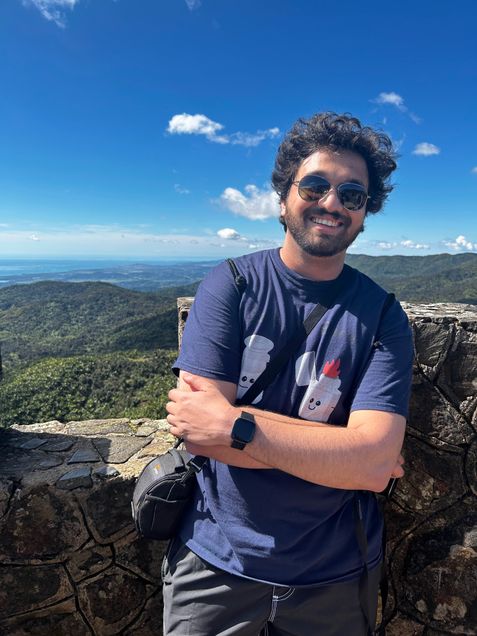
Rhushikesh Phadke of the Cruz-Martín Lab is the recipient of this year’s Brenton R. Lutz Award given out by the Department of Biology. Rhushikesh's research explores the impact of the immune complement (C) pathway on synaptic plasticity in neurological disorders like schizophrenia (SCZ) and Alzheimer's disease. By increasing levels of complement component 4 (C4), a risk gene for SCZ, Rhushikesh and the Cruz-Martín Lab observed a disruption in the connectivity of developing cortical neurons. Contrary to previous beliefs, C4 acts through a non-canonical mechanism independent of complement receptor 3 (CR3). They discovered an interaction between C4 and Sorting Nexin 27 (SNX27), an endosomal protein, which, when introduced together, restored normal neuronal activity. Their microscopy analysis revealed altered distribution of AMPA receptor subunit GluR1 and colocalization of C4 and SNX27 in dendritic spines. These findings highlight how C4 impairs SNX27 function, leading to endosomal dysregulation, GluR1 degradation, and decreased connectivity. This novel model provides insights into neuron-autonomous mechanisms of complement-dependent synaptic weakening and its relation to microglia-mediated synaptic engulfment.
This award provides support for PhD candidates conducting research in neurobiology or neuroscience and have made significant contributions to their field. Brenton R. Lutz was the first person to receive an MD/PhD at Boston University, receiving his PhD in 1916. He later became a Professor and Chairman of BU’s Department of Biology. Dr. Lutz also gave the first University Lecture at BU on December 11, 1950 “The Living Blood Vessels.”
Congratulations, Rhushikesh!
Michael Zulch Receives Corteva Showcase Award
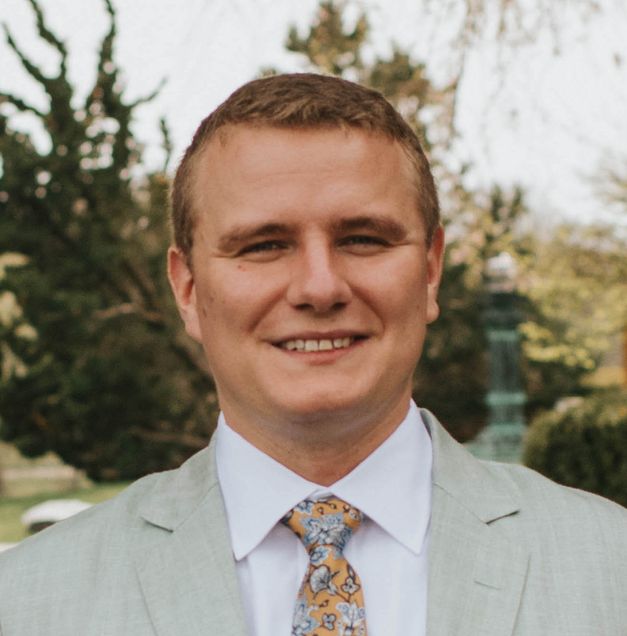
Michael Zulch, a 4th-year MCBB PhD candidate in the Larkin Lab, has received a travel award from Corteva Agriscience. Specializing in the quantitative relationship between plants and bacteria, Michael explores the impact of light and genetic engineering on quantitative relationship between plants and bacteria.
This award from Corteva Agriscience, one of the world's largest agriculture-focused companies, demonstrates recognition for Michael's potential contributions to the field of industrial agriculture. Corteva Agriscience strives to support up-and-coming scientists, offering a platform to share their scientific achievements at significant venues like the 2023 conference of the American Society of Plant Biologists. This platform provides Michael an opportunity to disseminate his research findings to a broad audience of scientists and industry professionals, furthering their impact.
In addition to his studies, Michael is a fellow of the Synthetic Biology and Biotechnology Program and the Biological Design Center at BU. His research, inspired by his industry internship at Joyn Bio (Acquired by Ginkgo Bioworks), aligns with his ambition to conduct meaningful science with a direct impact on industry and agriculture.
Congratulations, Michael!
Cameron Dixon Receives I. Alden Macchi Award
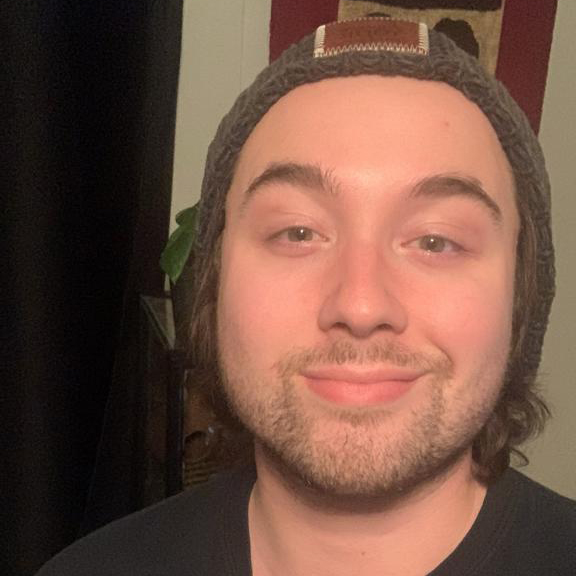
Cameron Dixon, PhD candidate of the McCall Lab, was selected as the winner of the Biology Department 2022 I. Alden Macchi Award for excellence in the field of regulatory biology. Read more about Cameron's research below!
Hormones orchestrate vital physiological pathways, such as metabolism, development, and reproduction. Beyond their influence on organismal homeostasis, hormones maintain integrity of stem cell niches and tissue integrity through molecular mechanisms. The presence of hormones is not restrictive to mammals and is evolutionarily conserved across species down to microorganisms. This conservation through evolution shows the importance in understanding how hormones interact with physiology and the negative implications of what happens to homeostasis post-hormonal disruption. To this end, the McCall Lab will be using Drosophila melanogaster to better understand how dysregulation of hormonal homeostasis impacts physiology. Drosophila possess hormonal regulation that shares many similarities with mammalian hormonal homeostasis. For example, the mammalian peptide hormone, insulin, is present in Drosophila. In Drosophila, it is known as Drosophila Insulin-like Peptide (DILP). Other major hormones that are intimately connected to DILP are ecdysone and juvenile hormone (JH); which function similarly to that of mammalian sex steroids and growth hormones, respectively. All three of these major hormones are not only involved in their own canonical pathways but also influence each other. To fully understand how these hormones effect physiology once homeostasis is dysregulated, the lab will be examining the effects of hormonal perturbations on physiology. Perturbations will be completed using two different methods: genetic and physiological perturbations. Genetic perturbations will use the Gal4-UAS system while physiological perturbations will be caused via traumatic injury (TI). TI has been shown to effect organismal homeostasis and often can lead to the progression of several pathologies, including neurodegeneration, diabetes, and reproductive consequences. These pathologies are often associated with dysregulation of respective hormones making TI attractive to understand how global damage can lead to an upset in hormonal homeostasis. Preliminary results have shown consequences to physiology through malformation of wings and increased wing venation, decreased survival, temperature sensitivity, and apoptotic phenotypes in reproductive tissues. Further investigation into these consequences are currently being completed to understand the effects of perturbing major hormones (DILP, ecdysone, JH) and their effects on physiological homeostasis and hormonal crosstalk.
This award was established by the late I. Alden Macchi, Professor and former Interim Chairman in the Department of Biology. Dr. Macchi received his PhD in Endocrinology from BU in 1954. Professor Macchi’s research contributed, among other things, many important observations regarding the mechanisms of steroid hormone biosynthesis in the adrenal glands.
Congratulations, Cameron!
Daniel Segrè and Melisa Osborne Featured in The Brink
Dr. Daniel Segrè and Dr. Melisa Osborne were recently featured in The Brink for their article "Non-additive microbial community responses to environmental complexity," which was published in nature communications this spring. An excerpt of The Brink article is below:
There’s a lot of interest right now in how different microbiomes—like the one made up of all the bacteria in our guts—could be harnessed to boost human health and cure disease. But Daniel Segrè has set his sights on a much more ambitious vision for how the microbiome could be manipulated for good: “To help sustain our planet, not just our own health.”
Segrè, director of the Boston University Microbiome Initiative, says he and other scientists in his field of synthetic and systems biology are studying microbiomes—microscopic communities of bacteria, fungi, or a combination of those that exert influence over each other and the surrounding environment. They want to know how microbiomes might be directed to carry out important tasks like absorbing more atmospheric carbon, protecting coral reefs from ocean acidification, improving the fertility and yield of agricultural lands, and supporting the growth of forests and other plants despite changing environmental conditions.
Read the full article here.
Dr. Sarah Davies Featured in The Brink
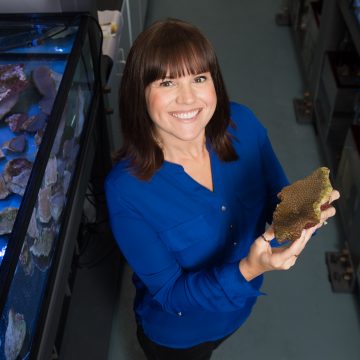
Dr. Sarah Davies was recently featured in The Brink's article, "Sexism and Racism in Science: How the Coronavirus Pandemic Exposed Everything." The Brink interviewed Dr. Davies about her new PLOS Biology paper, "Promoting inclusive metrics of success and impact to dismantle a discriminatory reward system in science." The paper is the product of a collaboration between Dr. Davies and 23 others, including BU's Dr. Wally Fulweiler, Dr. Colleen Bove, and Dr. Hanny Rivera. An excerpt of The Brink article is below:
In science, career progress—or lack thereof—is typically determined by certain criteria, such as how often a researcher’s studies are cited by other scientists, and by the number of papers they publish in prestigious, high-impact scientific journals (which often comes with an expensive price tag paid by a paper’s authors). Those metrics, however, are biased against already marginalized groups in science—namely, those who don’t identify as white males—and ensure that sexism and racism continue to plague the field, according to 24 researchers who have penned a new PLOS Biology piece on the topic.
Sarah Davies, the piece’s co-lead author and a Boston University College of Arts & Sciences assistant professor of biology, says the time crunch and workload created by the coronavirus pandemic was a tipping point for many marginalized researchers. “I’ve never been busier, so it was an interesting choice to take on a ‘perspectives’ piece outside my field of [marine biology] research,” she says. “But the coronavirus pandemic created the perfect storm of being ‘over it.’” For Davies, that meant the daunting task of navigating a changing work and research environment while juggling childcare amidst the pandemic.
Read the full article here.
Amanda Pinheiro Recipient of 2021 Kilachand Fellowship
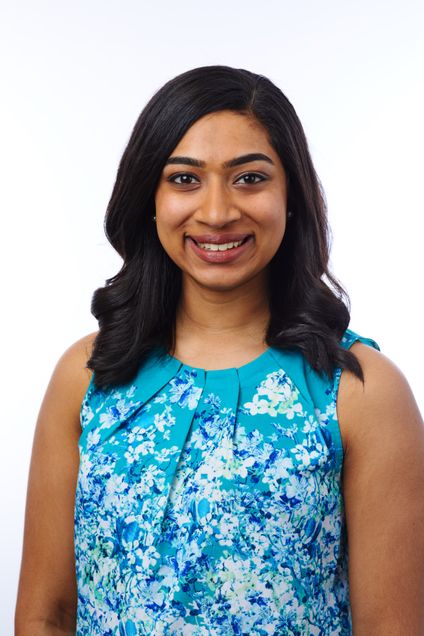

Amanda Pinheiro of the Naya Lab is a recipient of a 2021 Kilachand Fellowship. This fellowship is funded by the Biological Design Center's Multicellular Design Program (MDP), which combines research in Synthetic Biology, Microbial Engineering, Tissue Engineering, Data Science, and Biophysics to understand the design principles of multicellular systems. Amanda will be working on a project entitled “Elucidating Complex Cell-Cell Interactions in the Regenerative Skeletal Muscle Microenvironment.”
Congratulations, Amanda!
Margaret O’Connor Receives Brenton R. Lutz Award

Margaret O'Connor of the Man Lab, is the recipient of this year’s Biology Department Brenton R. Lutz Award. Margaret is investigating the X-linked protein NEXMIF, which is associated with Autism Spectrum Disorder (ASD). She uses a transgenic mouse model to study the role NEXMIF plays in brain development, specifically neuronal growth and dendritic spine development. There are a number of human patients with NEXMIF dependent ASD. Her research currently focuses on the unique situation of female heterozygotes which mosaically express NEXMIF yet still develop ASD.
This award provides support for PhD candidates conducting research in neurobiology or neuroscience and have made significant contributions to their field. Brenton R. Lutz was the first person to receive an MD/PhD at Boston University, receiving his PhD in 1916. He later became a Professor and Chairman of BU’s Department of Biology. Dr. Lutz also gave the first University Lecture at BU on December 11, 1950 “The Living Blood Vessels.”
Congratulations, Margaret!
Michael Zulch Interning at Joyn Bio
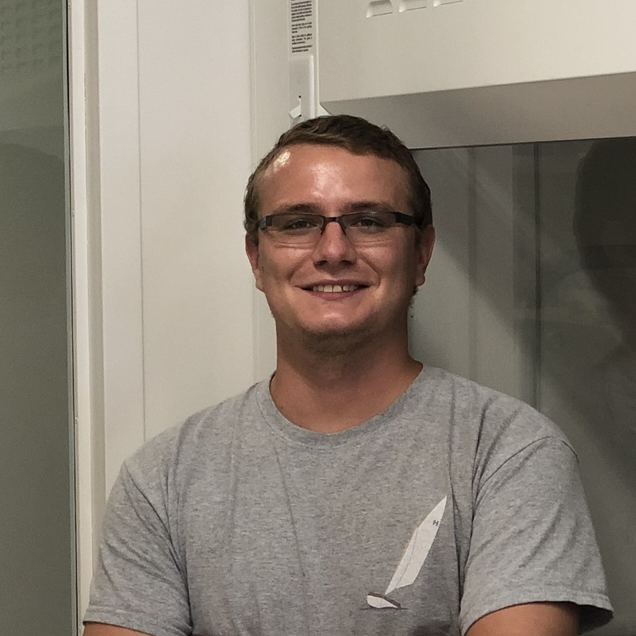
Michael Zulch of the Larkin Lab was selected for a summer internship with Joyn Bio as part of the Training Program in Synthetic Biology & Biotechnology (SB2). Joyn Bio is a joint venture between Ginkgo Bioworks and Leaps by Bayer, founded to solve the urgent agriculture challenges threatening our global food supply and environmental health using the combination of synthetic biology and beneficial microbes.
Joyn Bio aims to provide growers with new and sustainable solutions to feed and nourish the world. Michael will be working on their primary project: engineering crop-colonizing microbes that can fix atmospheric nitrogen into a form that plants can use to grow. If successful, these bacteria will help alleviate our dependence on synthetic fertilizers and their environmental impacts.
Congratulations, Michael!
Sarah Davies Receives NSF Awards
Dr. Sarah Davies recently received two National Science Foundation (NSF) awards: a Biological Oceanography award and a co-funded Biological Oceanography and Biological Sciences award.
Dr. Davies is collaborating with Dr. Kirstin Meyer-Kaiser at WHOI for the NSF Biological Oceanography award, which will fund the proposal "Collaborative Research: How do selection, plasticity, and dispersal interact to determine coral success in warmer and more variable environments?". Dr. Davies and Dr. Meyer-Kaiser will conduct coral spawning research in the Rock Islands in Palau alongside Palauan interns in spring 2022. This work will also fund a Reef Music event in collaboration with Multiverse. The event will be conducted in Spanish and will be free of charge to attendees in East Boston. Dr. Davies is the PI and Dr. Meyer-Kaiser is the co-PI.
Dr. Davies is collaborating with with Dr. Adrienne Correa at Rice University and Dr. John Parkinson at University of Southern Florida for the co-funded NSF Biological Oceanography and Biological Sciences award, which will fund the proposal "Collaborative Research: Building consensus around the quantification and interpretation of Symbiodiniaceae diversity." The overarching goal of this workshop is to recognize and build further consensus around the identification and analysis of Symbiodiniaceae (the coral's algal symbiont) genetic variation and come up with a practical ‘consensus road map’. This workshop will take place via Zoom, with 75 researchers from across the world attending. Dr. Davies is the PI and Dr. Correa and Dr. Parkinson are the co-PIs.
Research in the Davies Lab leverages in situ environmental data and mesocosm/culturing work with large-scale genomic and transcriptomic data to identify the mechanisms underlying adaptation, dispersal, and symbiosis in corals. The lab's long-term research vision aims to uncover mechanistic links from phenotype to genotype and predict evolutionary trajectories for this critical symbiosis under climate change.
Congratulations, Sarah!
Clarissa Santoso publishes paper in Nucleic Acids Research
 MCBB PhD student Clarissa Santoso, of the Fuxman Bass lab, and colleagues recently published a paper in Nucleic Acids Research. Their article, “Comprehensive mapping of the human cytokine gene regulatory network”, presents a large-scale resource of protein-DNA interactions between transcription factors and cytokine gene promoters. In particular, Clarissa and her team identified an enrichment of nuclear receptors which can be targeted with small molecules to modulate cytokine expression in the context of disease. This resource can also be leveraged to identify novel TF-cytokine regulatory axes in immune diseases and immune cell lineage development, as nicely illustrated in their paper. Read the paper here. Congratulations, Clarissa!