Faculty Feature: Stacy Andersen
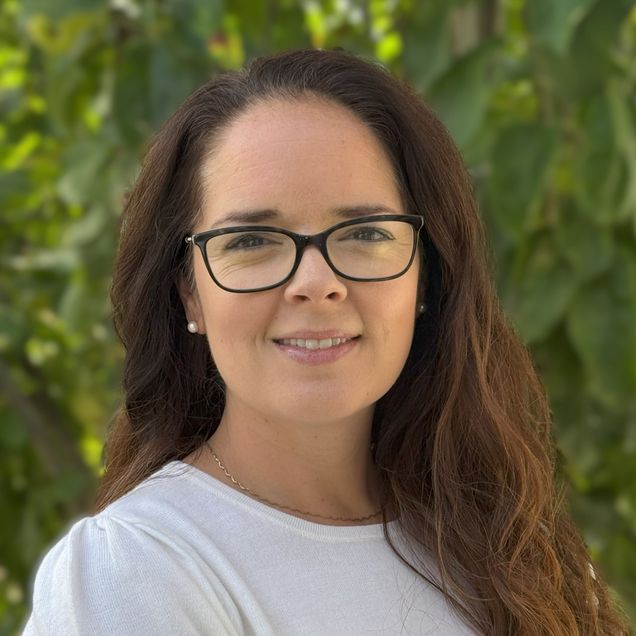
Stacy Andersen
Associate Professor of Medicine
stacy@bu.edu
Profile
Dr. Andersen is an Assistant Professor of Medicine at Boston University Chobanian & Avedisian School of Medicine, a Core Faculty member for the Center for Brain Recovery, and the co-director of the New England Centenarian Study.
Q&A with Stacy Andersen
What is your current research focus, and how does it align with the Center for Brain Recovery’s mission?
My current research focuses on understanding the factors that contribute to cognitive resilience observed in exceptionally long-lived individuals. Centenarians (people over the age of 100) and their offspring have extended cognitive health spans despite advanced age being a strong risk factor for Alzheimer’s disease and related dementias. My work aims to identify the biological, environmental, and behavioral protective factors that underlie this phenomenon with the hope of translating these findings into interventions to help the general population maintain optimal cognitive and brain health throughout life.
Another key area of my research involves advancing neuropsychological assessment by implementing digital technologies (i.e., digital voice recordings and digital pens) during testing. Our work leverages engineering innovations that allow for automated analyses of spoken and written responses. Additional novel digital markers extracted from these data capture subtle, subclinical cognitive, speech, and motor function changes that may enhance sensitivity and specificity beyond traditional test scores. By developing these tools, we hope to integrate cognitive monitoring into everyday technologies, facilitating early intervention and potentially preventing progression of neurological diseases. Our work aligns with CBR’s interdisciplinary approach, combining neuroscience, engineering, and clinical expertise to improve the characterization of cognitive syndromes and early detection and treatment of brain disorders.
How did you initially become involved and/or interested in your field?
I worked in the kitchen and dining room at a nursing home when I was in high school and was struck by the variability in aging patterns among the residents. Some people were experiencing cognitive impairment or dementia while others were living in the nursing home because of frailty and physical impairments but were cognitively vibrant. This made me want to learn more about neurological disorders and brain changes associated with aging so I pursued an undergraduate degree in neuroscience.
What brought you to Boston University?
In my senior year of college, I wanted to gain experience in clinical research with older adults and found an internship with the New England Centenarian Study. I loved meeting centenarians, who were active, healthy, and enjoying life. They showed me a very positive view of aging. Scientifically, I was fascinated by all that we could learn about disease, or rather avoidance of disease, from these exceptionally healthy people so after college I took a full-time position with the study and later went on to get a doctoral degree in Behavioral Neuroscience at the School of Medicine.
What do you consider the most pressing challenge in your field today, and how is your research addressing this challenge?
One of the most pressing challenges in the field of neuropsychology is the limited access to traditional neuropsychological assessments. These assessments take several hours to administer and are not widely accessible due to long waiting lists and a lack of qualified clinicians in some areas. My research using digital technologies to capture spoken and written responses to cognitive assessments aims to find ways to automate scoring of well-validated neuropsychological assessments but also to understand more subtle facets of cognitive processing, speech, and motor function during these tests that could be collected in everyday scenarios (e.g., by cell phones or in-home technologies) to detect cognitive impairment.
If you could give one piece of advice to someone just starting out in your field, what would it be?
Diverse perspectives and approaches to the same research question breed the best science. I find that being at the intersection of different fields (longevity, Alzheimer’s disease, and digital technology in my case) is exciting because, along with my interdisciplinary colleagues, we are coming up with ideas and research avenues that we would not have come up with on our own.
Learn More about Stacy Andersen