WHO Decision Recognizing Obesity as a Disease Treatable with GLP-1 Drugs Is “Big Deal,” says BU Endocrinologist
New guidelines will help reduce stigma around weight management, Ivania Rizo says

New World Health Organization guidelines on the use of GLP-1 drugs against obesity may help widen access to the treatment, says a BU endocrinologist. Photo by SweetBunFactory/iStock
WHO Decision Recognizing Obesity as a Disease Treatable with GLP-1 Drugs Is “Big Deal,” says BU Endocrinologist
New guidelines will help reduce stigma around weight management, Ivania Rizo says
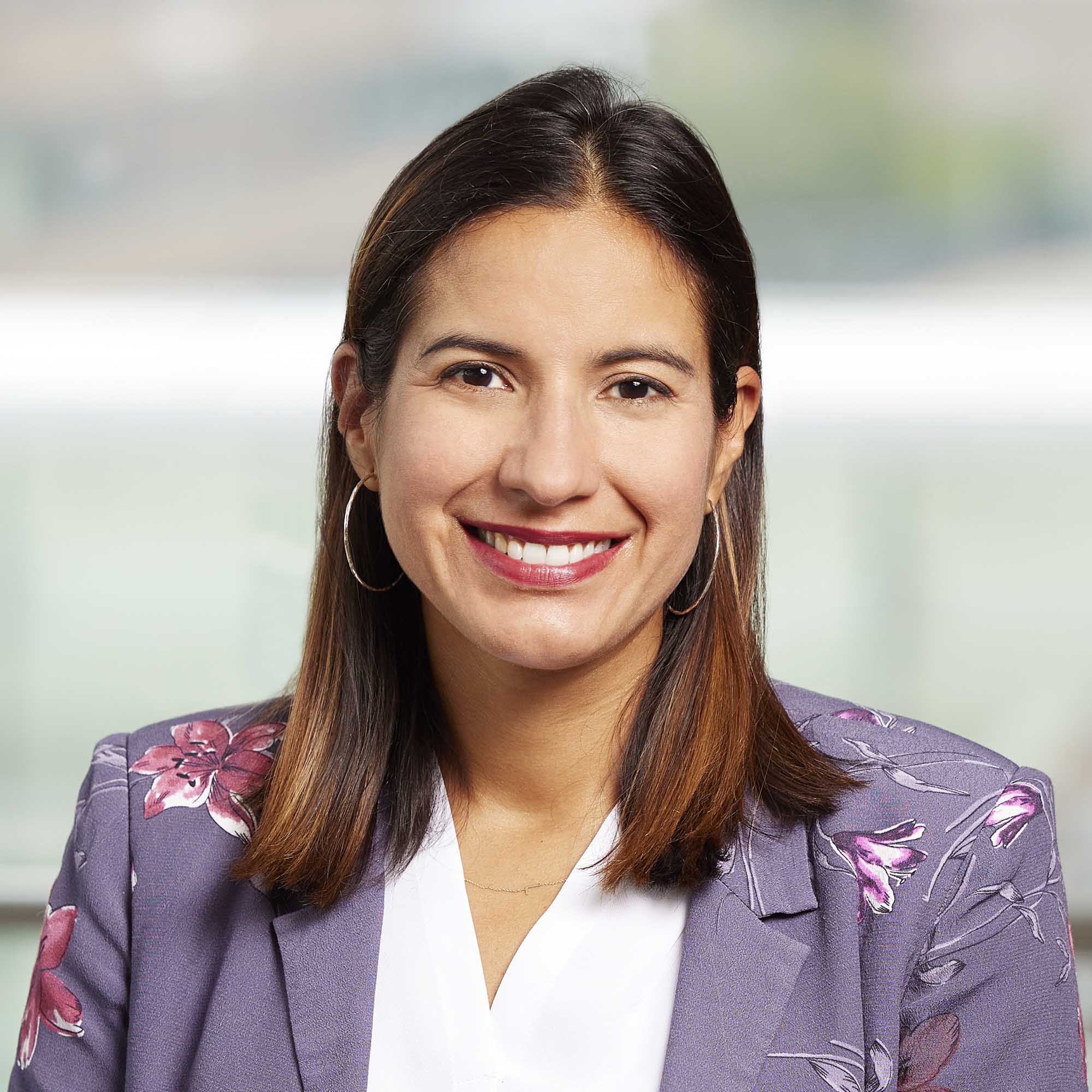
The World Health Organization’s new guidelines recognizing obesity as a disease and suggesting that GLP-1 drugs be part of long-term treatment could have wide-ranging benefits, says Ivania Rizo, a Boston University endocrinologist whose research interests center on obesity, diabetes, and metabolic disorders.
The WHO guidelines will lower the stigma around obesity, says Rizo, and likely improve access to glucagon-like peptide-1 (GLP-1) drugs, such as Wegovy and Zepbound, which were originally intended to treat diabetes but have demonstrated to be highly effective for weight management.
Rizo, whose work also focuses on advancing equitable access to high-quality care, is director of obesity medicine and co-medical director and assistant professor in the section of of endocrinology, diabetes, nutrition and weight management at the BU Chobanian & Avedisian School of Medicine. She is also diabetes clinical colead for the Health Equity Accelerator at Boston Medical Center (BMC), BU’s primary teaching hospital.
“I see patients who come to me with obesity, and I’m here to help them and to provide them the care to have their healthiest metabolic life,” Rizo says. “I’m not trying to get everybody to a BMI [body mass index] of 24.99 [within the healthy weight range]. I’m just trying to get that person to their healthiest self.”
Q&A
with Ivania Rizo
BU Today: What does this announcement from WHO mean, and how much does it matter?
Rizo: It is a big deal, because it is really solidifying the idea that obesity is a chronic and relapsing disease that does need chronic management. It’s making it clear to the medical community and patients that these medications are used to treat a chronic and relapsing disease and may need to be used, in most situations, long-term. And that there’s not necessarily any guilt, or a sense of shame, or a sense of lack of effort, if you need this medication long-term to continue to have the successes that you’ve had with it. It’s really important that this is always reiterated, because there’s so much bias and stigma with obesity, regardless of [the fact] that it’s been acknowledged as a disease since the early 2010s.
It is a big deal, because it is really solidifying the idea that obesity is a chronic and relapsing disease that does need chronic management.
BU Today: Is this WHO decision going to affect the medical industry? Or is it going to affect the public? What is the impact of this, practically?
I hope that it actually affects public policy for equitable access. I think that it hopefully will boost global efforts to increase the supply and lower the cost of these medications, and potentially increase generic production of these medications in the future, as some of these patents are expiring. I think one of [the WHO’s] goals, actually, was to start the process of increasing equitable access, making the need to provide these medications to people more urgent.
BU Today: Insurance coverage is also an issue, right?
Actually, for us here in Massachusetts, the [WHO’s] timing seems somewhat fortuitous, because many insurance companies are dropping coverage January 1, including Blue Cross Blue Shield of Massachusetts. A lot of plans are just dropping coverage abruptly. And this may be demanding that the health system figures out a way to provide this essential care for people with this chronic, relapsing disease, and that it is unacceptable for them to not treat it or cover it. It would be unacceptable for them to not cover cancer medications or hypertension medications or diabetes medications, right? So it’s unacceptable that they’re now not covering medications for obesity.
BU Today: In the long run, do you believe this change might help to save money? If these drugs are widely available for obesity, isn’t it going to reduce a lot of health problems that result from obesity?
Yes, and I think you’ll see more and more data on this. One of my colleagues here is coming out with a paper that is giving you more details about the benefits of providing care and how much you would potentially save at 5 years or 10 years, in terms of health cost savings, by treating obesity and [in doing so] putting some of these chronic diseases like sleep apnea and diabetes and hypertension in remission or preventing a heart attack or stroke. And maybe, potentially, whether that also leads to more productivity and days of work.
BU Today: But it sounds like the impact on perceptions of obesity is also huge?
I saw patients yesterday, and I still have to make them not feel guilty about the fact that this isn’t [something like] a urinary tract infection—I’m not going to give you the medication and then you’re cured. This is a chronic process, and we may have to have chronic treatment—and it’s not their fault, and it’s not lack of effort, it’s not lack of doing the best they can.
WHO coming out with statements like this really is recognizing obesity as a chronic disease, where it specifically says GLP-1s can be used as long-term treatment. Emphasizing that this is not a disease that is somehow volitional or that people have total control over. There are some things that people can do, and the WHO statement also comes out with [recommendations for] intensive behavioral therapy and physical activity and healthy diets. But it is a disease process, and the medications help with the actual pathology that’s happening.