I’m Xihao. Before joining the MSSP program at Boston University, I earned my bachelor’s degree in Mathematics from the University of Washington, which gave me a strong quantitative foundation. At the same time, I had a growing interest in focusing more on the application side of statistics by using data to solve real-world problems and support better decision-making.
As data science continued to grow across industries, I became even more certain that I wanted to further develop my skills in applied statistics and analytics. That led me to pursue a master’s degree in this field.
The MSSP program stood out to me because of its strong emphasis on connecting statistical theory with real-world application. I was especially drawn to the Consulting Service and practicum components, which give students the chance to work on real business problems with actual clients before graduating. That kind of hands-on experience is incredibly valuable and helps students transition from an academic environment to an industry setting more smoothly.
One of the biggest strengths of MSSP is that it strikes a great balance between rigorous academic training and practical application, and both were very beneficial to me. The core courses, especially the MA 678 and MA 679 series, helped introduce me to the world of applied statistics and gave me a solid technical foundation. At the same time, the program’s project-based work had a major impact on my professional development.
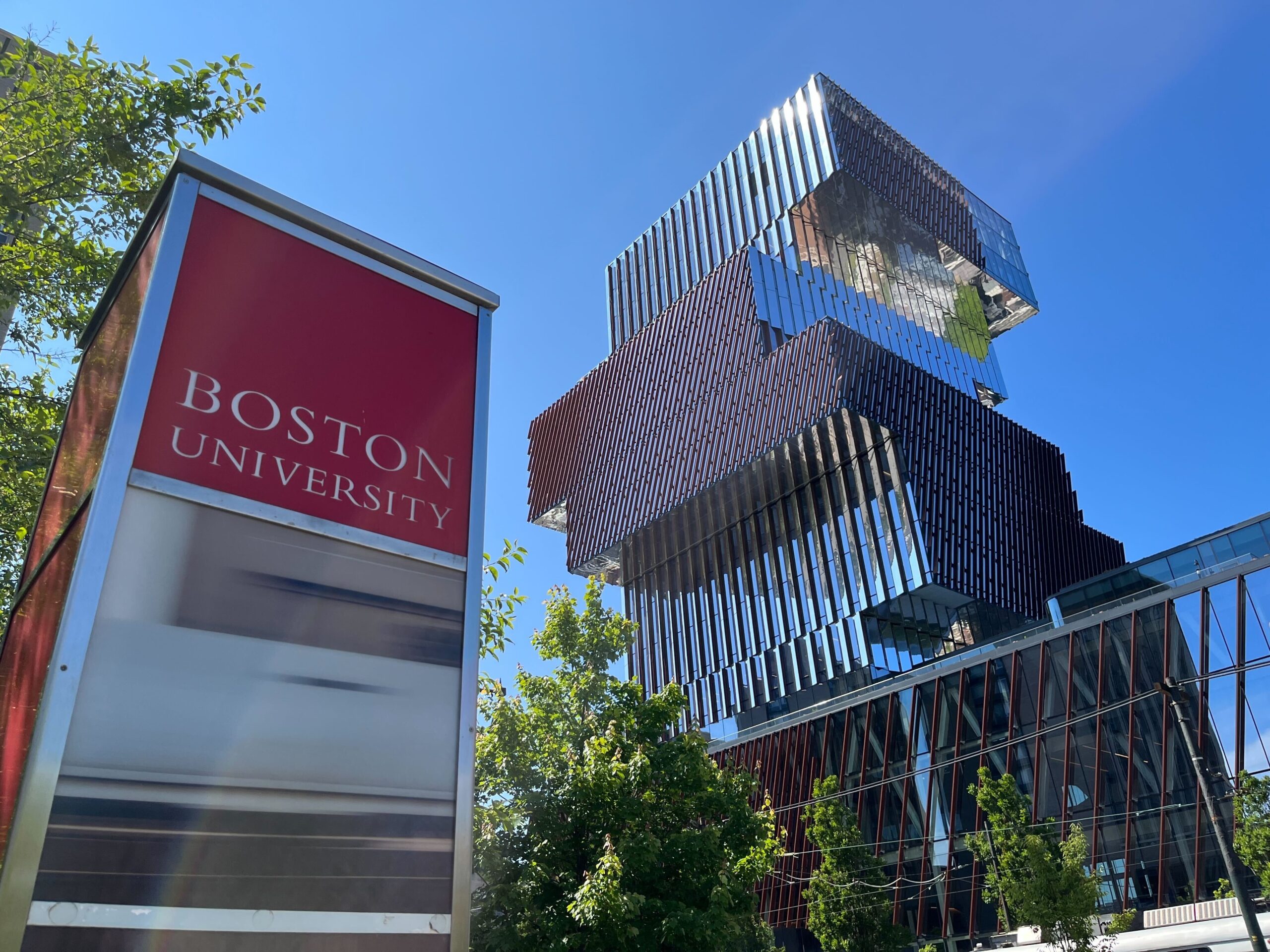
During the program, I completed two semester-long projects that helped me strengthen not only my analytical skills, but also the soft skills that are essential in real-world data science work, such as communicating with teammates and stakeholders and telling a clear story with data.
The program trained me in both the technical and practical sides of data science. It helped me build a solid foundation in statistics and data analysis, while also giving me opportunities to work on real problems in a team setting.
Just as importantly, MSSP helped me understand that success in data science is not only about building models. It is also about interpreting results, communicating insights clearly, and making your work useful for decision-makers. That perspective has been very important in my career.
Today, I work as a Senior Data Scientist supporting Walmart’s Finance and Merch Ops teams. My main responsibility is to design and build deep-learning-based forecasting systems that generate forecasts across more than 70 merchandise departments and 10 channels at Walmart. These forecasts help guide merchandising plans and sales outlook decisions, so my day-to-day work involves a mix of coding, time series modeling, visualization, forecast validation, and business-facing analysis. I also spend time reading recent research and staying current with new developments in forecasting and machine learning.
The professors in the program were one of the most helpful resources during my job search. They supported me in many ways, including reviewing my resume, sharing career advice, and writing recommendation letters. That mentorship made a real difference for me. Having faculty members who were willing to guide and support students beyond the classroom was extremely valuable throughout the job search process.
My experience as an international student at BU was very positive. I think BU is one of the more international-student-friendly universities in the U.S., not only because of the diversity of its student body, but also because of the resources and support available to international students. I miss my time in Boston a lot. It is a vibrant city with great food, a lot of energy, and many interesting places to explore.
My advice to international students who want to build a data science career in the U.S. is to build as much hands-on experience as possible. Whether through internships, research, or real-world projects, practical experience matters. In many cases, recruiters care more about the value you have actually delivered than about how many technical buzzwords appear on your resume. Focus on building practical experience, communicating your work clearly, and showing how your skills can solve real problems. That combination can make a big difference in the job search.
Looking back, I would describe my MSSP experience in three words: Practical, Supportive, and Collaborative.
