News
Spacecraft Carrying BU Telescope to the Moon Captures Breathtaking Images of Earth
NASA’s Blue Ghost mission has finished orbiting Earth and is on its way to the moon.
BU Leadership Strongly Opposes NIH Move to Cut Funding for “Research That Helps Improve Human Health and Save Lives”
In a related action, a federal judge issued a temporary restraining order barring the NIH from implementing its rate changes.
Dying Young, Star Scientists, Liberty Mutual’s Doug
RESEARCH HIGHLIGHT

More Americans Aged 25 to 44 Are Dying Younger. BU Research Helps Explain Why.
BU researcher Andrew Stokes co-leads a study supported by the National Institutes of Health that finds a sharp increase in excess deaths is largely due to drug overdoses, alcohol use, traffic accidents, and homicides.
ON THE CHARLES RIVER
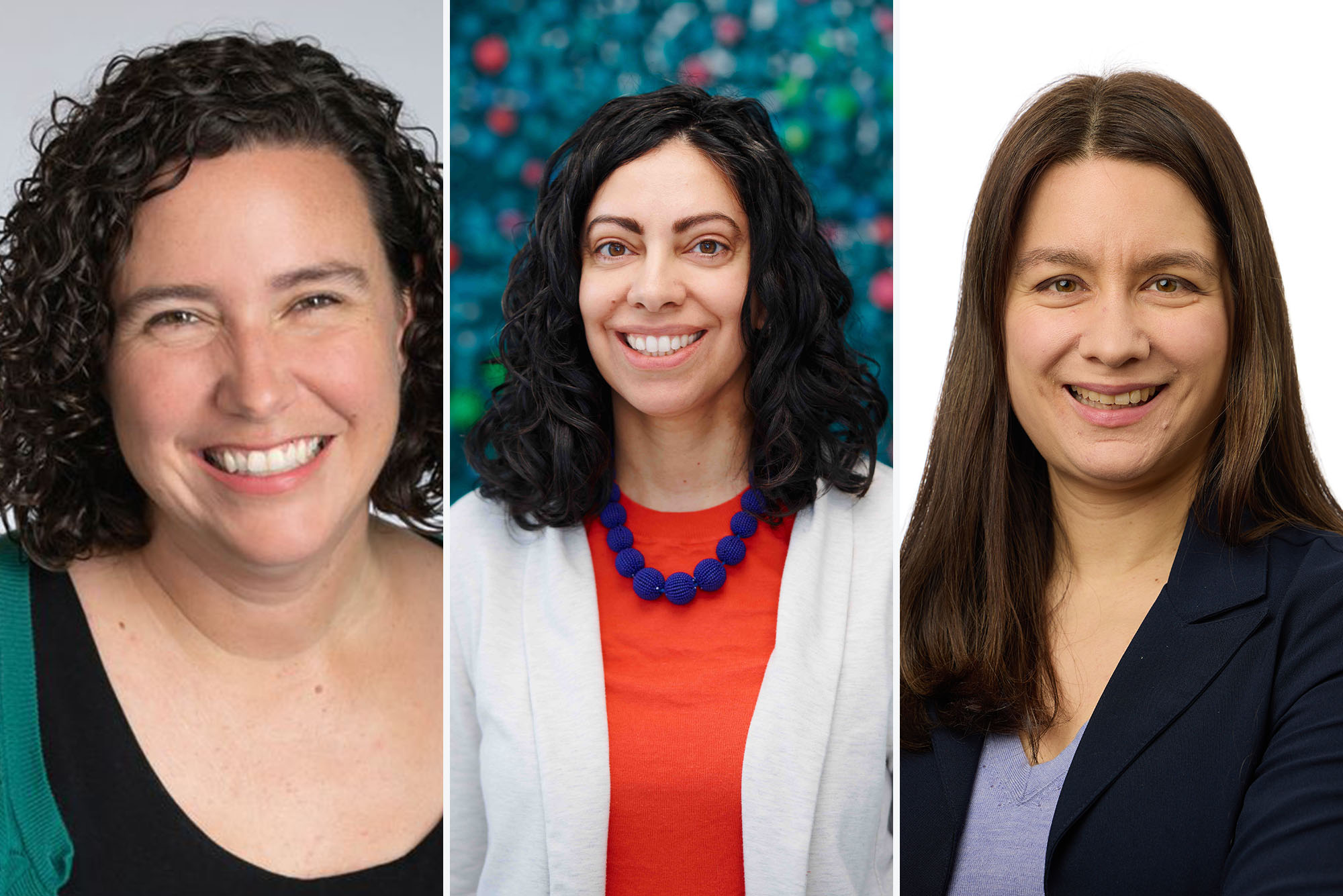
Three BU Researchers Win National Honor for Early-Career Scientists and Engineers
Elizabeth Bettini, Michelle Sander, and Zeba Wunderlich were honored by former President Joe Biden for work spanning special education, lasers, and genes and DNA.
NOTABLE ALUMNI
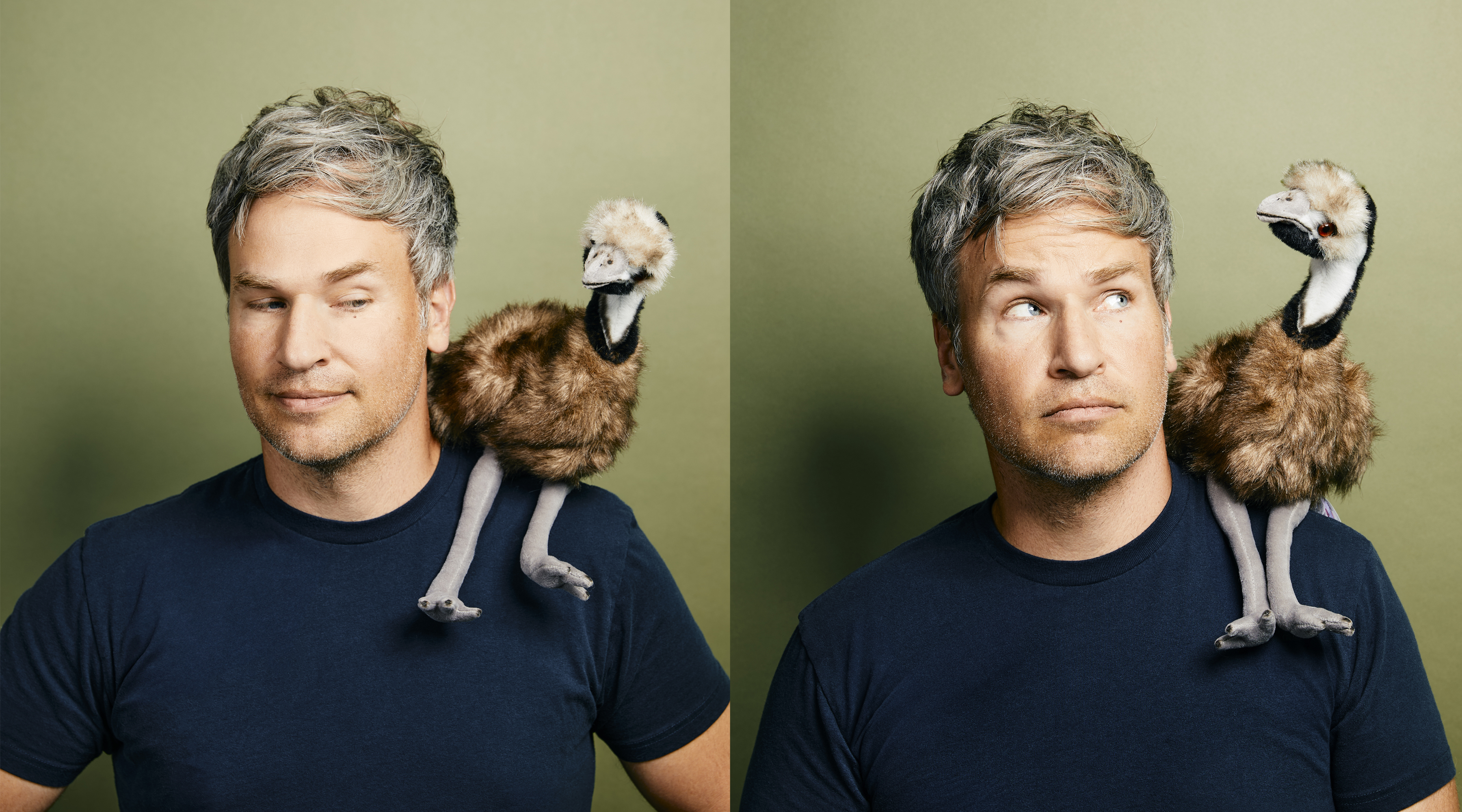
A Commercial Star Is Born
As Liberty Mutual’s Doug, comedic actor David Hoffman (CFA '99) cuts up opposite an emu in a now-iconic ad campaign.
THOUGHT LEADERS
In Case You Missed It...
You're invited to BU in DC: An Evening with President Melissa Gilliam on Capitol Hill on February 26th... BU School of Public Health Professor David Jernigan discusses the need for warning labels on alcohol products to reflect cancer risks... BU Medicaid Policy Lab Co-Directors Megan Cole Brahim and Paul Shafer raise the alarm on Medicaid cuts... Director of the BU Communication Research Center Michelle Amazeen shares strategies for stopping misinformation in food marketing from going viral in The Wall Street Journal... A study from researchers at the BU Global Development Policy Center finds that gold reserves might help pay for climate disaster recovery.
Gender Equity; NOAA; Webinar
BU IN DC
College of Engineering Dean ad interim Elise Morgan attended the American Society of Engineering Education’s Public Policy Colloquium on February 3rd and 4th. She also discussed the College’s federally-funded research with Congressman Jake Auchincloss (D-MA) and the office of Representative Stephen Lynch (D-MA) on February 5th.
ADMINISTRATION ISSUES EXECUTIVE ORDER, GUIDANCE ON GENDER EQUITY
On Wednesday, President Donald J. Trump issued an executive order that directs federal agencies to consider rescinding federal grants to educational organizations that allow transgender women to participate in women's athletics. In response, the National Collegiate Athletic Association changed its policy to restrict participation in women’s athletics to students assigned female at birth. The order follows updated guidance from the Department of Education's Office of Civil Rights last week that clarifies the agency will enforce the 2020 version of the Title IX rule governing gender equity in educational settings. The 2020 rule had already been in place for many schools, including BU, due to lawsuits.
BUZZ BITS...
- President Donald J. Trump nominated Dr. Neil Jacobs to be the administrator of the National Oceanic and Atmospheric Administration(NOAA). Jacobs is an atmospheric scientist who served as acting NOAA Administrator during President Trump's first term. His nomination will need confirmation from the U.S. Senate.
- On Monday, the President nominated Conner Prochaska as director of the Advanced Research Projects Agency - Energy (ARPA-E). Prochaska served as chief commercialization officer for the Department of Energy during President Trump's first term.
- The House Committee on Education and the Workforce held a hearing on "The State of American Education" on Wednesday. Witnesses sharply criticized the cost of college and the federal loan programs, while Committee Democrats decried the President's plan to dismantle the Department of Education.
- On Wednesday, the House Committee on Science, Space, and Technology held a hearing entitled "The State of U.S. Science and Technology: Ensuring U.S. Global Leadership." Participants discussed competition with China, approaches for diversifying the pool of American scientists, and the impact of recent executive orders on the scientific enterprise.
BU NEWS YOU CAN USE...
- The Office of Research is hosting a "Federal Outlook for Research Under the New Administration and Congress" webinar on Wednesday, February 12th at 9 a.m. Federal Relations and experts from Lewis-Burke Associates will discuss the new administration's research priorities and strategies for positioning your work in this new environment.
- The University has posted a set of Frequently Asked Questions to help the BU community understand federal immigration policies.
- The Office of Research is regularly updating its 2025 Administration Transition Information & Resources page which includes answers to your frequently asked questions, a summary of agency actions on executive orders, and more.
More Americans Aged 25 to 44 Are Dying Younger. BU Research Helps Explain Why
School of Public Health researcher coleads study that finds sharp increase in excess deaths largely due to drug overdoses, alcohol use, traffic accidents, and homicides.
Three BU Researchers Win National Honor for Early-Career Scientists and Engineers
White House’s presidential award recognizes BU researchers studying special education, lasers, and genes and DNA.
Surgeon General Urges Updating Health Warning Labels on Alcohol Products to Reflect Cancer Risk
BU alcohol researcher applauds effort, says warning labels will better educate public to risks.
Executive Orders; Personnel; Foreign Influences
BU IN DC
President Emeritus Robert A. Brown spoke at the "Equitable and Effective Teaching in Undergraduate STEM Education: A UERU Call to Action Convening" on January 24th.
WHITE HOUSE WITHDRAWS FUNDING FREEZE MEMO, ISSUES CAMPUS ANTISEMITISM ORDER
On Wednesday, President Donald J. Trump withdrew Memorandum 25-13, which directed federal agencies to freeze federal spending temporarily. A federal judge halted implementation of the memorandum before it went into effect, following a lawsuit from 23 state attorneys general, including Massachusetts Attorney General Andrea Campbell. Following the rescission of the memo, the White House press secretary stated that the administration will continue to review federal spending to assess compliance with the President's previously issued executive orders which ask federal agencies not to fund activities related to diversity, environmental justice, and "gender ideology."
The President also issued an executive order on Wednesday that directs federal agencies to report back within 60 days on the legal tools they can utilize to combat antisemitism on college campuses. A fact sheet on the order references international students who participated in campus protests related to the Middle East and the order asks federal agencies to identify strategies for ensuring that colleges understand the rules governing when students holding non-immigrant visas may be removed from the country.
Stay up to date on the federal funding review
TRANSITION UPDATES: ACTING DIRECTORS FOR NIH AND CDC
- Last week, Dr. Matthew J. Memoli was named the acting director of the National Institutes of Health (NIH), as Dr. Jay Bhattacharya awaits a hearing on his nomination to serve as NIH Director. Memoli previously served as the chief of the Laboratory of Infectious Diseases Clinical Studies Unit at the National Institute of Allergy and Infectious Disease within the NIH.
- Dr. Susan Monarez was named the acting director of the Centers for Disease Control and Prevention (CDC), as Dr. Dave Weldon awaits a hearing on his nomination to serve as CDC Director. Monarez previously served as the inaugural Deputy Director of ARPA-H.
- The U.S. Senate recently confirmed several Trump Administration Cabinet officials, including Secretaries of State Marco Rubio, Defense Pete Hegseth, Homeland Security Kristi Noem, Treasury Scott Bessent, and Transportation Sean Duffy, and Environmental Protection Agency Administrator Lee Zeldin.
BUZZ BITS...
- Yesterday, the Senate Foreign Relations Committee held a hearing entitled "Malign Influence of the People's Republic of China at Home and Abroad." In his opening statement, Committee Chairman Jim Risch (R-ID) said he organized the hearing in part to "encourage our national security community to play a larger role to counter the Chinese influence in American universities." A witness from the Center for Research Security & Integrity described "research collaborations of concern" and expressed concerns about talent recruitment programs.
- Secretary of Health and Human Services nominee Robert F. Kennedy, Jr., faced sharp questioning from Senators during two confirmation hearings this week on vaccines, abortion, and other matters. The Senate is expected to vote on his nomination next week.
- Welcome to our many new Beltway BUzz subscribers! We publish on Friday mornings when Congress is in session. We hope our weekly newsletter is helpful in your work.
H5N1, Fluoridated Water, Education Influencers
FACULTY EXPERTS

The Rapidly Evolving Avian Flu
BU Professors David Hamer and Jessica Leibler weigh in on what we should be doing to minimize the rapidly growing threat of H5N1 virus in the year ahead.
RESEARCH HIGHLIGHT

Making Sense of the Fluoridated Water Debate
It would be a mistake to eliminate fluoride from public water supplies, especially for poor and vulnerable populations, two experts from the BU Henry M. Goldman School of Dental Medicine warn.
ON THE CHARLES RIVER

Three BU Faculty Named Top Educational Policy Influencers
BU Wheelock College of Education & Human Development Professors David Chard, Joshua Goodman, and Anthony Abraham Jack were recently named among the top most influential scholars in educational policy and practice.
THOUGHT LEADERS
In Case You Missed It...
NASA touted the launch of LEXI, the Lunar Environment heliospheric X-ray Imager developed by BU College of Engineering Professor Brian Walsh... BU virologist Nancy Sullivan explains to ProPublica the value of basic research when combating infectious disease... BU Law Professor Madison Condon talks about California's Fair Access to Insurance Requirements (FAIR) plan as the Los Angeles fires continue in Rolling Stone... BU Wheelock College of Education & Human Development Professor and former elementary school teacher Olivia Chi discusses restructuring teacher pay to address workforce shortages in The Boston Globe.
Executive Orders; Energy Leader; BU Impact
BU IN DC
Rena Conti of the Questrom School of Business attended the White House Cell and Gene Therapy Forum on January 8th.
TRUMP ASSUMES PRESIDENCY, ISSUES EXECUTIVE ORDERS
On Monday, Donald J. Trump was sworn in as President of the United States. During his inauguration speech, he touted America's explorers and innovators, pledged to "end the chronic disease epidemic," and promised to "forge a society that is colorblind and merit-based."
Following his inaugural address, President Trump issued several executive orders. Among other topics, the orders call for enhanced vetting for foreign nationals, direct federal agencies to identify nonprofit sector practices that violate federal anti-discrimination laws, require the U.S. Department of Health and Human Services to issue future guidance on the federal definition of biological sex, announce plans to withdraw from both the Paris Agreement on climate change and the World Health Organization, and reestablish the President's Council of Advisors on Science and Technology.
BUZZ BITS...
- The National Institutes of Health issued a temporary pause in public communication, advisory committee meetings, and grant awards while the new administration staff comes on board and learns their new roles and responsibilities. The communications pause is similar to those issued during previous presidential transitions and some press reports indicate it will be lifted by February 1st.
- President Trump announced he intends to nominate Dr. Darío Gil as the Undersecretary for Science and Innovation at the U.S. Department of Energy, overseeing the agency's basic and applied research. Gil is currently the director of IBM Research and chair of the National Science Board, which advises the National Science Foundation (NSF).
- The NSF announced that Dr. James McManus will serve as acting director of the NSF Geosciences Directorate while the agency continues its search for a permanent leader. He succeeds Dr. Alexandra Isern, who stepped down in December. McManus has led the NSF Division of Ocean Sciences since July 2022.
BU SHARES IMPACT WITH FEDERAL POLICYMAKERS
BU Federal Relations recently released new fact sheets highlighting research advancements from BU scholars made possible by federal investments in science. The fact sheets also describe how federal and BU-provided student aid empower undergraduates and explain BU's impact across all Massachusetts Congressional districts and every New England state. These documents are shared with lawmakers as the University advocates for increased federal support for research and student aid.