Li Lab
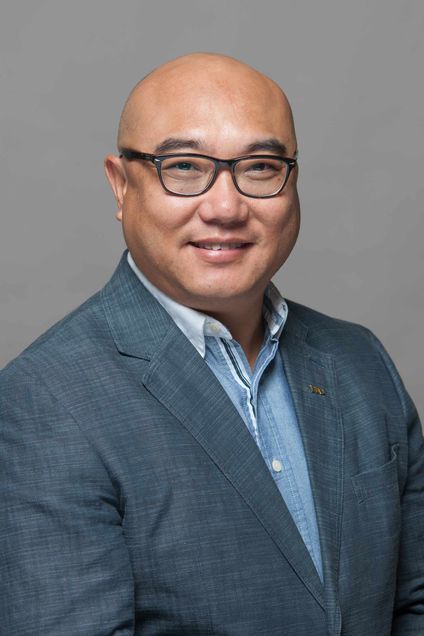 Chenzhong Li is a Professor of Biochemistry and Biomedical Engineering. He was previously at Florida International University but is currently at Tulane University. Dr. Li received his Ph.D from Kumamoto University in Japan in 2000.
In line with the scope of smart health research for the better preparation of aging societies, Li Lab’s research is focused on integrated reconfigurable systems with biomedical devices, biomaterials, synthetic biology, and artificial intelligence, primarily for medical diagnosis and therapy. The research looks ahead to the next generation of electrical and optical biosensors, Lab-on-a-Chip, wearable devices, as well as end use of such biomedical devices for neuron mapping, cancer diagnosis/therapy, infectious disease monitoring, Point of Care Testings (POCTs), cell imaging, drug screening/delivery, which could also have cross-applications for environmental, food safety monitoring, agriculture, and homeland security.
Projects
Developing Test Beds for Sensor Application in Tissue (2019)
PROJECT DESCRIPTION
 Our summer projects are targeted to development of optical and electrochemical based oxygen, ATP and Glucose biosensors (Nano) for application in 3D tissue constructs and monitoring them in read time. We are also building modalities for real time measurement form these sensors embedded within tissue. We will also be working on establishing a Cardiac 3D tissue, either based on STEM CELLs differentiated into CMs or using Rat Neonates and scaffolding material. Imaging modalities to monitor the sensors within a tissue will also be investigated and tested.
RESEARCH GOALS
1.Synthesis and characterization of biocompatible optical sensing probes (ATP and Oxygen).
2. Design and fabrication of embedded microelectrodes capable of characterizing metabolic properties of cardiac tissues
LEARNING GOALS
1. Cell Culture in 2D and possibly 3D (not sure if we can acquire that just yet)
2. Fabrication of optical sensors
GRADUATE MENTOR
Maedeh Mozneb
Characterizing Cardiomyocytes (2018)
ABSTRACT
As part of CELL-MET’s mission to create scalable, low-cost technologies for growing cardiac patches to repair damaged heart tissue, it is important to understand the characteristics of each of its thrust areas: nanomanufacturing, nanomechanics, tissue engineering, and photonics. To this end, techniques with links to each thrust area were explored to grow and characterize rat cardiomyocytes. The ability to characterize the cardiomyocytes can later translate into characterization of human cardiomyocytes, which are foundational to the work of CELL-MET.
CONCLUSION
Christine’s next steps include continuing collaboration on publications, exploring research opportunities at home institution linked more closely to engineering, and planning to pursue a PhD exploring links between engineering and nursing. Next steps for lab of Dr. Li include utilizing techniques to explore projects, oxygen sensing nanoparticles verification, Surface Plasmon Resonance optimization for beating cardiomyocytes, and microfluidic soft lithography for small scale cardiomyocyte sensing.
UNDERGRADUATE STUDENT
Christine Smothers

GRADUATE MENTOR
Maedeh Mozneb