SPH at 50: How Staff Crafted Their Legacy of Support.

Summer Certificate Program participants, faculty, and staff enjoy a break from class at the annual picnic at Dr. Bicknell’s house in Marshfield, Massachusetts (undated, but likely from the mid-1990s). Photo from the SPH archives.
SPH at 50: How Staff Crafted Their Legacy of Support
As the School of Public Health celebrates its 50th anniversary, five staff reflect on the 30+ years they each have been members of the SPH community.
Five long-time staff members, representing a selection of the many who have built the school’s operational and human infrastructure, were invited to reflect on their decades of service to the School of Public Health.
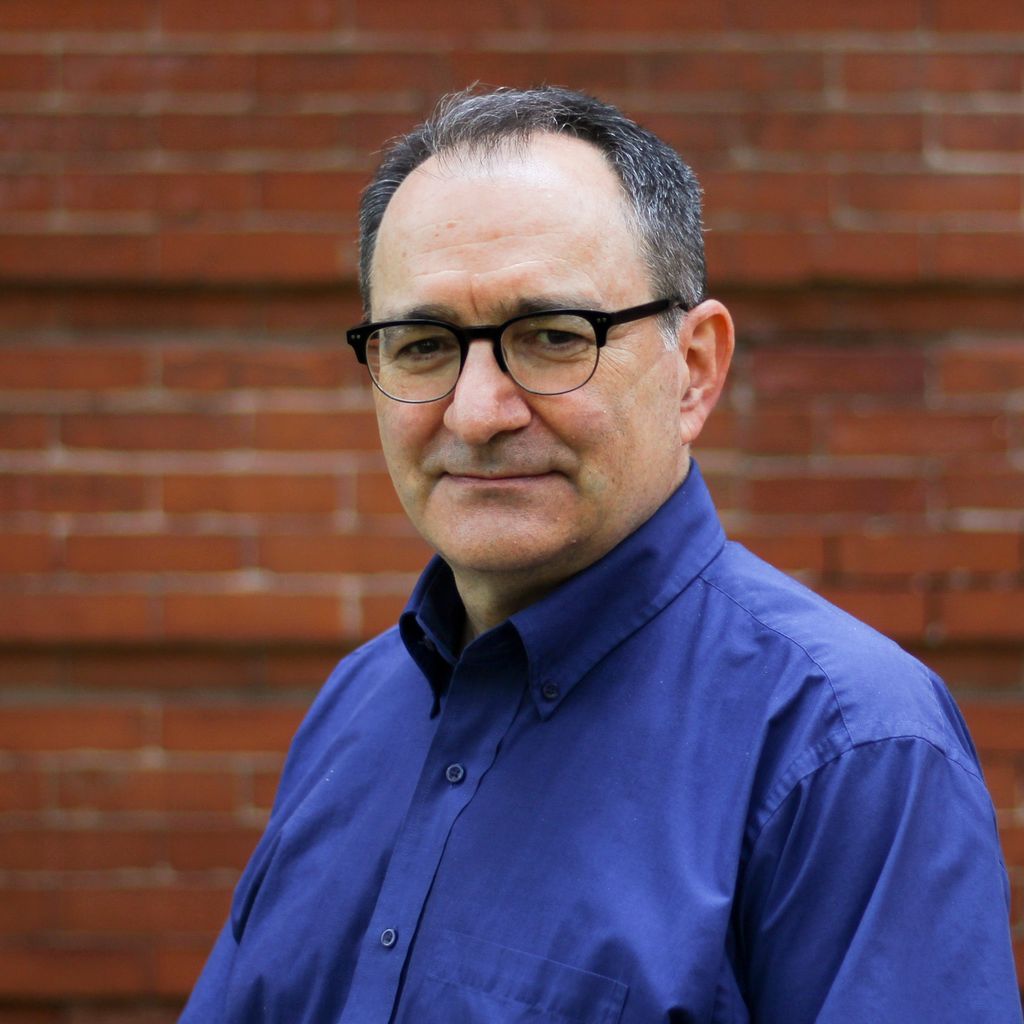
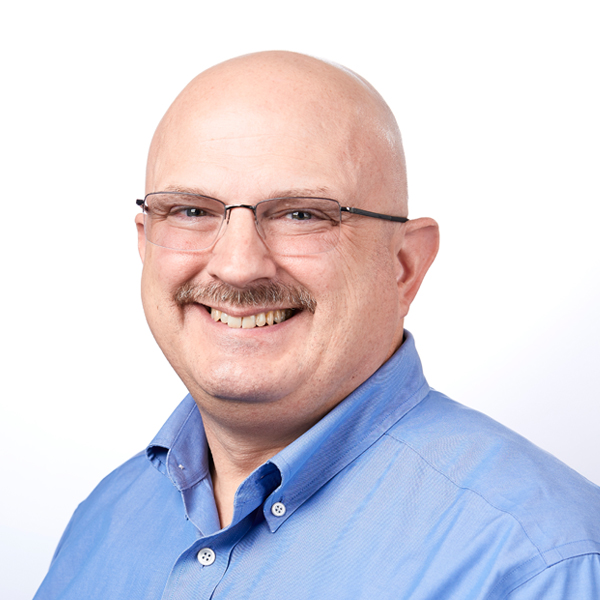
Michael Winter, director of statistical programming & data management at the Biostatistics and Epidemiology Data Analytics Center (BEDAC), has managed data systems and research support since 1987. Joe Anzalone, assistant director of advising in the Career and Practicum Office (CPO), organized logistics for innovative international programs in the 90s and now guides students in navigating possible career pathways. Mary Murphy-Phillips, assistant dean of students, has personally counseled hundreds of students along their SPH journeys, from giving advice on how to find housing to how to access healthcare. Tom Dauria, assistant dean of finance, budget, & planning, has stewarded the school’s financial independence and technological transformation. Maria McCarthy, director of advising & career development in the CPO, helped build a career advising operation from a one-person office in 1998 into a thriving center.
Together, they offer a window into SPH’s evolution from a smaller, centralized institution into a larger, specialized enterprise.
Then


Now


In conversations marking SPH’s 50th anniversary, these five staff leaders discussed transformative shifts in the School’s history: how operations evolved from centralized to specialized, how technology reshaped daily work, how the student body shifted from working professionals comprising a majority to largely full-time students, and how a smaller, more intimate office culture adapted to institutional growth. They agree that, across decades of change, one core value has endured: the belief that meaningful work in service of public health binds this community together.
Their stories represent a larger legacy: SPH’s ’20+ Years Club,’ a cohort of 19 staff members whose combined institutional memory spans decades of institutional growth and change.
39 years: Michael Winter, director of statistical programming & data management at the Biostatistics and Epidemiology Data Analytics Center (BEDAC)
34 years: Joe Anzalone, assistant director of advising in the Career and Practicum Office (CPO)
33 years: Susan Gomes, administrative director in the Department of Epidemiology
33 years: Carolyn Finney, COTS applications dev/business analyst at BEDAC
32 years: Christine Lloyd-Travaglini, manager of data sciences at BEDAC
32 years: Mary Murphy-Phillips, assistant dean of students
31 years: Tom Dauria, assistant dean of finance, budget, & planning
31 years: Shelley Barnes, senior financial administrator in the Department of Epidemiology
28 years: Diane Dixon, senior data manager at BEDAC
28 years: Maria McCarthy, director of advising & career development in the CPO
27 years: Brett Martin, statistical manager at BEDAC
25 years: Joseph Palmisano, senior director of center operations at BEDAC
23 years: Allyson Baughman, research scientist in the Department of Community Health Sciences
23 years: Christine Imperato, director of administration in the Department of Health Law, Policy & Management
22 years: Karen Molloy, director of administration in the Department of Biostatistics
22 years: John Douglas, administrative director in the Department of Environmental Health
20 years: Clara Chen, assistant director of operations at BEDAC
20 years: Denise Sanchez, senior financial administrator in the Department of Community Health Sciences
20 years: Sharon Coleman, senior project manager at BEDAC
SPH spoke with long-time staff members Winter, Anzalone, Murphy-Phillips, Dauria, and McCarthy to discuss their decades building the foundations of the school, supporting its students, and sustaining its mission.


Q&A
With Michael Winter, Joe Anzalone, Tom Dauria, Mary Murphy-Phillips, and Maria McCarthy
SPH: How did you get your start at SPH and how has your role evolved over time?
Michael Winter: My full-time employment started in 1987, but I actually first came to SPH a year earlier, in 1986, as a work-study student at the Data Coordinating Center (DCC), the precursor to BEDAC. I worked the summer between my junior and senior years at BU, and stayed on as a student worker through my senior year. When I graduated, Suzette Levenson, the founder and director of DCC, hired me full-time as a research data analyst.
I’ve worked at DCC and then BEDAC for the whole time I have been at SPH, in various roles related to data management, statistical programming, and analysis. In 2005, I was promoted to assistant director of statistical programming and started having oversight of our growing group of programmers and data analysts. My role started shifting at that point from hands-on programming and analytic work to more project oversight, staff supervision, and center leadership.
Joe Anzalone: I was hired as a part-time teaching assistant for international certificate programs that were run by the precursor to the Department of Global Health. They were different than the current MPH certificates. I TA’d in the fall (Finance) & spring (Management) courses—and was hired full-time as course manager for the summer certificate program. Later, I supported Global Health’s academic team and student programs in The Philippines, Kenya and Mexico. In 2018, I joined the Career and Practicum Office, where I work as a career advisor and still support students with global health interests.
Mary Murphy-Phillips: I started at the university in 1994 in research accounting on the medical campus. I was doing post-award administration on grants, and all the grants that I managed were School of Public Health grants, so I got to know a lot of the people and that’s when they recruited me. I joined the Epi and Biostats department in 1996 as their department manager. I was there for about six years, and then when two units were separating, the director of Student Services, Jim Glover and Leonard Glantz [emeritus professor in the Department of Health Law, Policy & Management] reached out to me with this opportunity within Student Services. Although I really did like accounting and numbers adding up nice and neat, the thing I liked most about my job was working with the students. So I said this sounds like a really fun opportunity and they brought me in as the director of student services.
Tom Dauria: I spent my first several years working directly with data and infrastructure before transitioning into finance and operations. I first came to SPH in 1997, starting as a senior database manager/developer in DCC. From 2004–2017, my responsibilities expanded from data management into financial management, operations, and school-wide IT systems, including leading major projects like the SAP implementation and restructuring accounting processes to establish clearer financial independence for SPH. From 2017–2019, I focused on business planning, service center rate modeling, and grant proposal support. And finally from 2019 to the present, I oversee overall financial operations, strategic budget planning, forecasting, and partnering with department leadership and central university offices.
Maria McCarthy: My anniversary is September 16th, 1998, so it’s now 28 years…. It was supposed to be a two-year gig. I’d just gotten back from a maternity leave. My twins were 10 months old, and I wanted something that I could make my own schedule. I was the assistant director of career services. I was a one-person office. I was doing career counseling, pre-med advising, alumni advising, and then, about 14 years ago, I started teaching the mandatory career prep class that all MPH students have to take. At the same time, the office started to grow, so 14 years ago, we got a second person. And then the office just kept growing year after year after that to the office that we are today.
SPH: When you started, what was SPH like? How has the School changed since that time?
Murphy-Phillips: When I first started, and early on when the school was fairly new, the majority of our population of students were part-time students. They were working already in public health and really were looking to advance there, so they were coming to school here to get their degree. They were coming here mostly to take classes at night so that they wouldn’t interrupt their daily work schedule.
It was a time where the entire school staff community would work together, so if there was a big grant [application] going out from any of the departments, everybody came together—because in those days, you had to copy things and you had to get signatures across town. It was such a process.
McCarthy: When I started there, I believe there were 30 of us in what was called Central Administration. So you kind of made decisions together. Back in the day, Dzidra [of] the famous Dzidra J. Knecht Staff Award [for Distinguished Service]. She would put the decorations up in the Talbot lobby, and we had Thanksgiving dinners together up in the third floor. It was really a smaller place.
My first workshops were with Alan Sager, [professor of health law, policy and management], where we sat on the floor and ate pizza and talked to students right in the departments. When I look at it [now], the technology is just so different. Most students want to meet by Zoom now, so I think that that is the biggest change. The papers disappeared. The first alumni network given to me, it was like a 15-page printed document and that’s what we used.
Winter: SPH was much smaller when I first started – I think I knew almost every faculty member and worked with the majority of them at some point in my early days. I think that the open and friendly atmosphere of SPH, coupled with a very collaborative environment, are the best parts of its culture and values. As the school continues to grow, I hope [we] remain true to that culture of openness and collaboration.
SPH: What is the significance of staff narratives in celebrating the School’s legacy and 50th anniversary?
Dauria: Celebrating staff narratives recognizes the collaborative partnership between faculty and staff that has allowed SPH to grow and sustain its research mission over the past half-century. The faculty who are conducting ground breaking research and educating students couldn’t do their jobs effectively without support from staff. Behind every successful grant, clinical study, or academic department, staff members are managing budgets, ensuring compliance, maintaining technology, and keeping everyday operations running seamlessly.
Winter: Staff are the support system behind so much of what SPH has accomplished. A lot of it happens behind the scenes, but it’s what allows SPH to function and provide high-quality teaching, research, and service. Staff manage grants, support students, help people get hired and paid, coordinate events, keep projects on track, and solve so many day-to-day problems that many people may never see.
Anzalone: Nothing gets done unless staff are doing it—staff are an incredibly important cog in the wheel of things happening at any academic place—I think that’s more recognized today in the way people talk about staff roles. It’s certainly showcased a lot more with the awards. Back when I was staff, there was just one award, the Dzidra Knecht Award, done once annually, and now there are so many others. So what’s the legacy of staff? I mean, you can’t have an institution with just academics. You need people who know how to get the bills paid, how to do the logistics—and that was what I cut my teeth on in my first program.
McCarthy: I feel like I agree with the idea that the vision of staff has been elevated, especially since I’ve been here. I think that the new people that have been hired at the school—there’s just a certain X factor. Even for people [who] aren’t actively doing research or teaching, I think we all want to feel like we’re part of something bigger, something important. We have a common goal: the health of all.
SPH: What is the secret to staying engaged and energized after all these years? What would you tell newer staff about building a meaningful career at SPH?
Anzalone: I feel pretty fortunate because I think one of the things that inspires me is being close to the student body. The student body refreshes every year or so. You get new faces, new people, and one of the things I try to do is to make sure that they get the information they need, the mentorship they need, to understand the options that they have in front of them. I think guidance is a really important piece, and in my role, I feel like I’ve been able to offer that. In terms of what makes for a successful career, that environment is really dynamic, so part of it is, can you catch that dynamism that keeps you going?
McCarthy: You want to be open to opportunities. To not be afraid to say yes to try things that are outside of your comfort zone. It’s called the comfort zone for a reason—I like being in a comfort zone, but I think you always want to stretch [it] a little bit. You want to try things that you don’t think that you can achieve, and you always want to act as if you can do it before you actually feel that way inside.
Winter: I’ve been lucky to work on a wide range of research projects and to collaborate with so many different people across SPH and the university. My advice to newer staff would be to stay curious, be open to opportunities, and be willing to keep growing and learning. I also think it’s important to stay aware of the impact of your work, even when it happens behind the scenes and may not always be visible. This helps make your work feel meaningful, whether your role involves helping students navigate their experience at the school, supporting faculty and staff, or contributing to research that may help to improve public health.
Dauria: Focus on understanding the mission and your role in supporting it. Find job satisfaction in knowing the impact of the school for the betterment of society.
Murphy-Phillips: It’s very much the community—it’s the people here. I would say it’s equally about the students as it is about the community of faculty and staff here. I was thinking earlier today, as I often do, about the people who brought me to the school. Our first associate dean for administration and finance, Dzidra Knecht—whom the staff award is named after. Just an absolute amazing woman. She’s originally from Latvia. She was a prisoner of war during the Holocaust. She really is somebody who would take you under her wing and mentor [you]. She helped me navigating it all. I grew up very, very poor, and so I didn’t know how to navigate a lot of the things after coming here. She took care of me.
Barbara St. Onge, who was the director of admissions for many years here at the school, I remember specifically that she was one of the first people the morning that I found out that my mother was ill and passing away. Barbara was in her office. She was the first person I talked to because as I was walking into the building, I got a call. And Barbara was there.
So this community has been there through my wedding, the birth of my children, and the death of my parents. It’s really been such a huge part of me all the way along. People who really took the time to mentor me. Just being part of such an amazing school where the students constantly coming in and they just want to do good—it’s cliché, but they truly want to make this world a better place.