Hare Assesses Cuba’s Deepening Fuel Crisis and the Future of U.S.-Cuba Relations
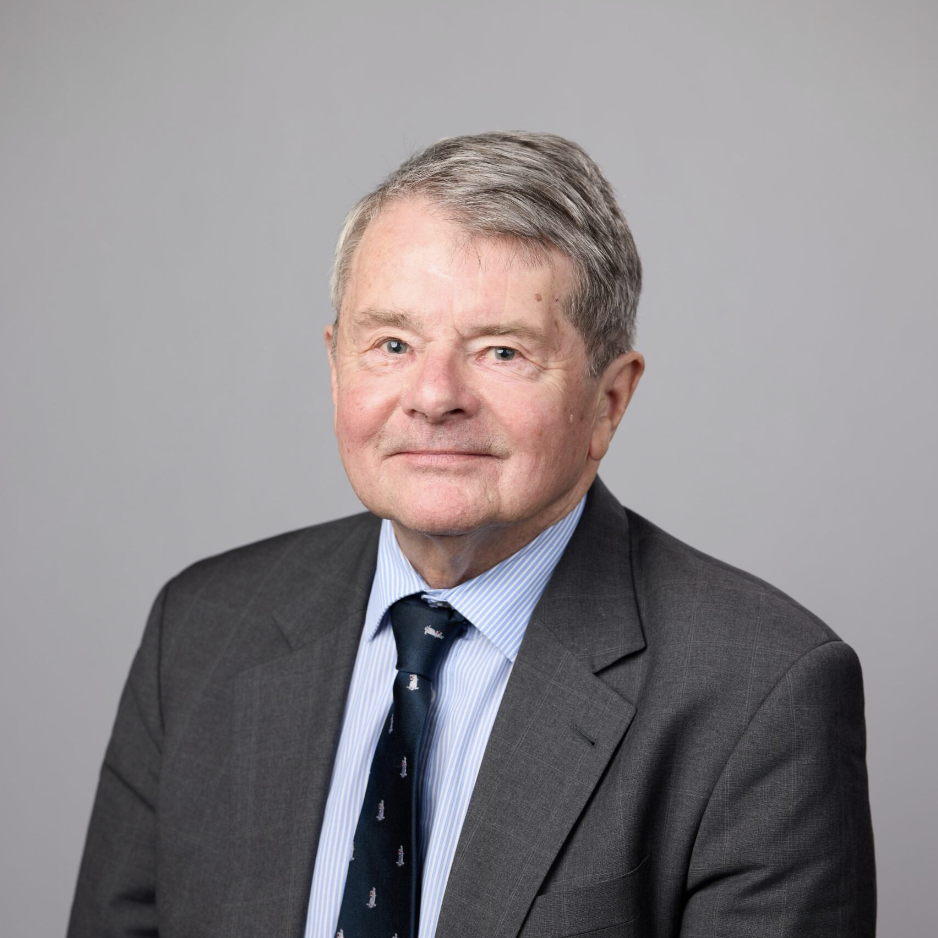 As Cuba continues to grapple with severe fuel shortages, economic hardship, and recurring blackouts, Paul Webster Hare, Master Lecturer and former British ambassador to Cuba, shared with the Wyoming Star his belief that policymakers should rethink Washington’s approach to the island. Being one of many international relations experts interviewed for this piece, Hare argued that the Trump administration’s pressure campaign has failed to achieve its goals and may be losing momentum amid other domestic and international challenges.
According to Hare, the administration’s Cuba strategy has become politically muddled. He points to growing dissatisfaction among Republican Cuban American voters with Trump’s deportation policies and to criticism surrounding the administration’s handling of Venezuela.
“I think the Trump Administration is growing tired of the Cuba issue,” Hare said, suggesting that the White House is increasingly focused on other priorities, such as the Iran War. He also questioned expectations that economic pressure would produce regime change, noting that “I don’t think the Cuban regime will collapse. They know that military action is very unlikely because of the massive damage the Cubans could inflict on the Guantanamo Bay base.”
Instead, Hare advocates a return to engagement and investment. While acknowledging Cuba’s current economic challenges as a result of Trump’s blockades and decades of economic mismanagement, he argues that the island’s long-term development requires substantial investment in infrastructure, communications, agriculture, and tourism. “If the Obama deal of 2014 had not been scrapped, then American and Cuban American businesses and ordinary Cubans would be in a much better position today,” Hare said.
Looking ahead, he proposed a return to a U.S.-Cuba partnership, much like the Obama deal, centered on economic reform and investment, describing it as “a sort of Marshall Plan for Cuba.” Such an approach, he argued, would provide the United States with greater influence in encouraging openness while helping address the economic conditions affecting millions of Cubans.
The full article can be read here.
Paul Webster Hare is a master lecturer at the Frederick S. Pardee School of Global Studies. He served as British Ambassador to Cuba from 2001 to 2004 and also represented the U.K. to the European Union in Brussels, New York, Portugal, and Venezuela as deputy head of mission. Hare has extensively written about Cuba for renowned news outlets including The Financial Times, The Atlantic, Newsweek, and The Huffington Post. He is also the co-editor of the Palgrave Handbook of Diplomatic Reform and Innovation, which analyzes current practices of diplomacy and proposes practical solutions to improve diplomatic outcomes.