*Based on 2026–2027 Boston University tuition and fees.
Gain Targeted Skills in Health Marketing and Media Strategy
Boston University’s online Graduate Certificate in Healthcare Promotion, Media & Marketing allows students to develop or refresh skills vital for today’s professional health communicator. Using persuasion and media effects theory, communication planning, and other fundamental behavioral and management concepts, students learn to design integrated public relations, media, and marketing plans that help achieve the goals of health-related organizations and clients.
This is particularly vital as healthcare enters a transformative period. Healthcare industries are predicted to be among those growing the fastest through 2029 (The Economics Daily, U.S. Bureau of Labor Statistics, September 2020). Factors affecting the landscape include an increase in chronic lifestyle diseases—diabetes, blood pressure, asthma, arthritis, cancer, dementia, and other stress-related disorders—which is helping drive expansion of the wellness industry, the value of which is poised to grow by $1,299.8 billion through 2024, according to a report by Technavio. Additionally, United States Census Bureau data shows that one in five Americans will be 65 or older by 2034, with aging baby boomers expected to outnumber children for the first time in 2030. Healthcare organizations—and the many health and wellness businesses affiliated with them—will all need professional health communicators who excel at developing effective and responsible communication strategies.
Students learn how to frame points of view and create powerful messages using print, broadcast, social, community, and organizational media in creative ways to influence and educate diverse audiences. With a focus on workplace-ready skills, students develop campaigns, search-optimized content, and materials—while understanding the importance of ethics, privacy, and regulatory considerations. They also gain essential knowledge in brand, reputation, and crisis management.
This certificate prepares students for professional communication roles within consumer- and business-facing corporations, government agencies, healthcare organizations and hospitals, PR and marketing agencies, non-profit organizations, and other employers seeking to advocate for, educate, and influence audiences about health and wellness.
In today’s climate of greater integration among public relations, media, and marketing disciplines, even recently educated communication professionals are challenged by the pace of change in their professions and across the media landscape. With this certificate, students learn the differences, similarities, and tensions among these communication functions within organizations, and how to effectively implement and align contemporary strategies and measurable tactics as part of a unified effort.
Curriculum
The online Graduate Certificate in Healthcare Promotion, Media & Marketing consists of four required courses (16 units).
Learn about application requirements for BU MET graduate degree and certificate programs.
How You Benefit from a Boston University Education
A BU credential can help lay the foundation for career advancement and personal success.
Benefit from a 24:1 average student-to-instructor ratio.
Work closely with experienced health professionals and faculty experts from across Boston University, including the College of Communication, School of Public Health, and Metropolitan College.
BU MET’s Health Communication program provides practical, hands-on education that you can apply on the job.
Study principles of healthcare and communication alongside peers with industry experience, learn from faculty who have valuable contacts in the field, and benefit from an alumni community with strong professional connections.
Graduate with Healthcare Promotion, Media & Marketing Expertise
Students who complete the Graduate Certificate in Healthcare Promotion, Media & Marketing will be able to demonstrate:
Create channel-specific health communication plans and search-optimized content designed to support, influence, and engage with diverse stakeholder audiences.
Understand and demonstrate socially responsible health communication principles and practices as they apply to public relations, digital marketing, and media relations, including privacy, copyright and regulatory considerations, and knowledge of the Code of Ethics as defined by the Public Relations Society of America (PRSA).
Understand the expanding 24/7 role of media relations professionals within healthcare organizations, including dos and don’ts for developing successful relationships with reporters, message framing and delivery methods, and crisis management strategies.
Identify the differences, similarities, and tensions among public relations, media, and marketing functions within healthcare organizations, and the importance of unified strategies that align and measure organizational efforts.
When I began the program, I was the director of marketing for an independent hospital and I was able to use concepts I was learning right from the get-go. From creating more effective project briefs and SWOT analyses to directing a photo or video shoot and using storyboards and shot lists, I was becoming a much more effective marketing director on both the management and creative side of the job.” Read more.
Jody Merrill (MET’21) Integrated Strategic Growth Marketing Manager, Mass General Brigham MS, Health Communication
Advance Your Career
BU MET’s Healthcare Promotion, Media & Marketing Graduate Certificate prepares you for a wealth of different roles in public health communications, patient advocacy, health education, community health organizing, healthcare marketing communications, patient experience, social media communications, healthcare administration, and crisis management among others.
Recent graduates have found job opportunities and career paths at companies such as:
Beth Israel Deaconess Medical Center
Cigna
Genzyme
Kaiser Permanente
Memorial Sloan Kettering Cancer Center
UnitedHealth Group
American Red Cross
Aetna
Boston Medical Center
Beth Israel Lahey Health
Health Communication Faculty
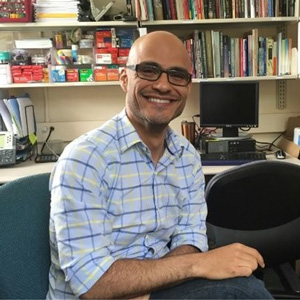
Justin Joseph
Program Director, Health Communication Associate Professor of the Practice, Public Relations, Boston University College of Communication
Felipe Agudelo Acevedo
Lecturer
Associate Director of Diversity and Inclusion,
Boston University Chobanian & Avedisian School of Medicine
Alane Bearder
Lecturer and Program Facilitator
Digital Marketing Strategist, Strategic Communications Consultant
Stephanie Burke
Lecturer Associate Professor, Prince George’s Community College
View All Faculty
Paul Buta Lecturer Health Care Marketing Executive, Choiceplex
Leigh Curtin-Wilding
Lecturer Digital Content Strategist, Consultant
Anne Danehy
Senior Lecturer, Boston University College of Communication
Donna Duffy
Lecturer Adjunct Faculty and Doctoral Committee Chair, Doctor of Health Sciences Program, Bay Path University
Curriculum Consultant and Learning Facilitator, Drug Abuse Resistance Education (D.A.R.E.)
James Gardner
Lecturer Managing Director, Topline Partners
Gabraelle Lane
Lecturer Public Health Analyst, Centers for Disease Control and Prevention
Stephen Quigley
Academic Advisor Associate Professor of Public Relations, Boston University College of Communication
Domenic Screnci
Academic Advisor Lecturer, Boston University College of Communication
Timothy Sullivan
Lecturer and Program Facilitator Director of Communications, The Spaulding Rehabilitation Network & Partners Continuing Care
Many experienced engineers reach a point where their impact depends less on the code they write and more on the decisions they shape. The tech lead role sits at that point. On teams building AI-enabled software, the role is changing quickly, because AI raises new questions about quality and risk in team operations. Here’s what […]
A strong personal statement for a Computer Science & Artificial Intelligence master’s does four things: it states what you can already build, it names the specific gap the degree closes, it describes a concrete system or problem you want to work on, and it explains why now. What the application requires Required materials include transcripts, […]
Early-career engineers are hearing two messages at once. One says AI is eliminating junior programming work. The other says AI engineering is the fastest-growing job title for young workers. Both are supported by evidence, and understanding why is the first step toward landing one of the entry-level AI jobs that employers are actually creating. Where […]