
Nature creates highly adaptable and efficient biological systems. Our goal at the Biological Design Center is to unlock these design principles and reengineer them for applications in human health and the environment. Research at the BDC spans four major themes.
Molecular
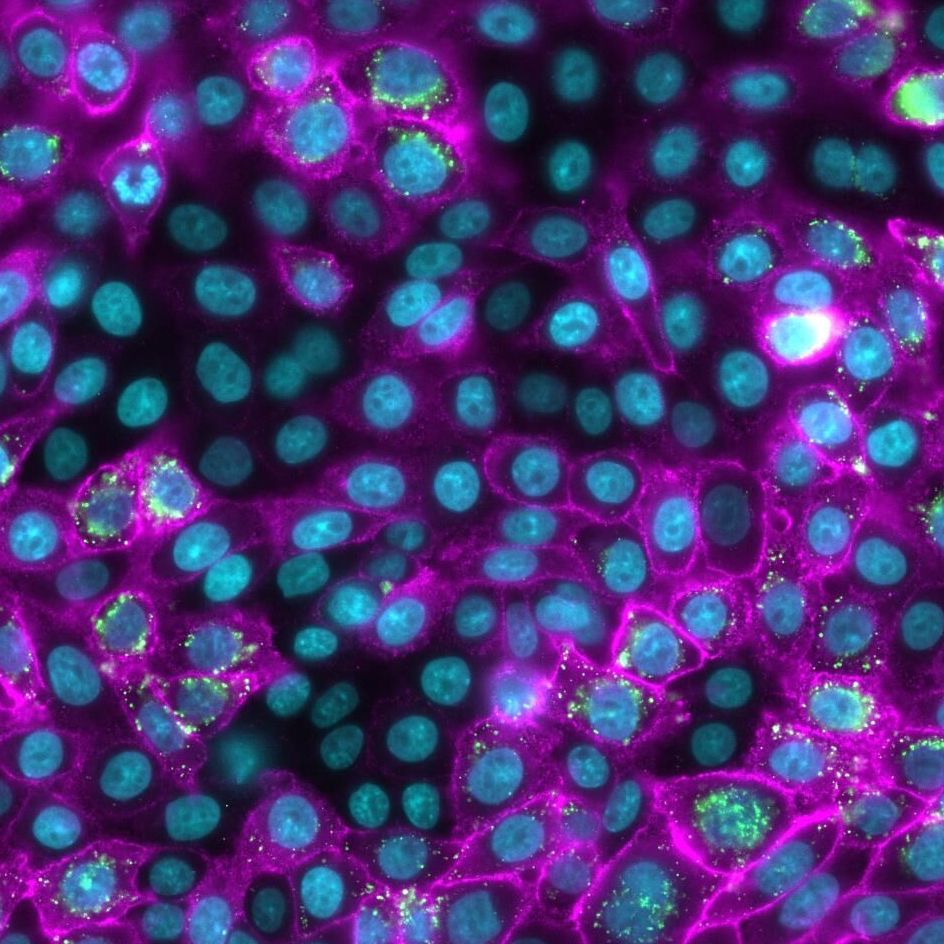 BDC researchers reengineer proteins and small molecules with the goal of designing new ways to control and visualize cells. From re-designing cell signaling pathways to engineering new probes for imaging and analysis, our teams search for critical modules used in nature, understand their mechanisms of function, and shape them into new classes of tools for cellular control and beyond. These tools are enabling better understanding of cellular processes in physiology and disease and forming the basis for new potential research tools and therapeutic approaches.
Cellular
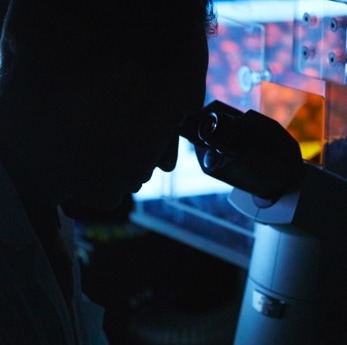 Our teams are working at the forefront of synthetic biology, increasing the control and robustness of cellular switches. We are focusing on improving the robustness of cellular engineering with a special focus on cellular switches and applications in synthetic biology for mammalian, yeast, and bacterial applications. Our projects include generation of controllable gene expression in bacteria, reengineering macrophages for applications in inflammation, and development of novel software that integrates with robotics to design and automate synthetic circuit development.
Tissue
 BDC researchers are designing, building, and studying engineered tissues for in vitro and in vivo applications. Using forward and reverse engineering approaches to probe structure and organization of cells within tissues, we are pioneering the science of tissue assembly and function. Our researchers are developing cutting-edge tools to organize cells into complex 3D tissue architectures, studying how they interact within these environments, and using these insights to build in vitro biomimetic models of tissue physiology and disease as well as therapeutics for regenerative medicine.
Microbial
 BDC teams are focused on understanding and reengineering both individual microbes and whole ecosystems. Through a combination of computational modeling and experimental biology, BDC researchers are exploring microbial communities with a focus on interactions that generate complex ecosystems, signaling between complex networks that enable coordinated group dynamics, engineering individual microbe expression systems to monitor community dynamics, and engineering microbial metabolism.
Biology has long been a discipline of observation, dissection, and classification of the natural world.
The field is now poised to become increasingly predictive, engineerable, and much broader in scope. Therefore, to understand the processes that define life, and to unlock its underlying design logic, we must understand how the component “parts” in biological systems come together to create complex structures with diverse capabilities.
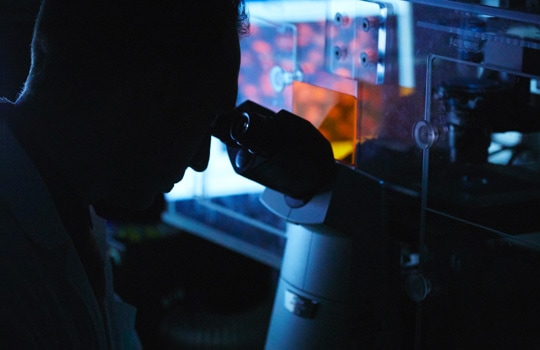
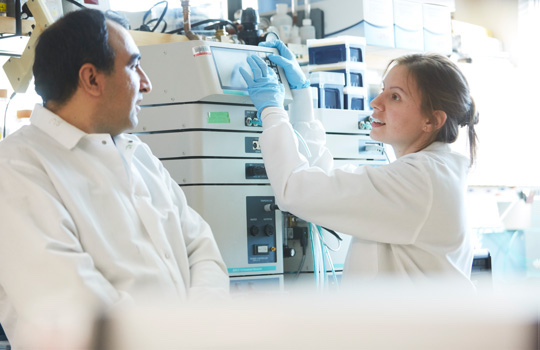
At the BDC, we bring together expertise from across multiple disciplines including biology, engineering, physics, and chemistry. We use forward engineering technologies to build biological devices and systems from simple components (molecules, cells, extracellular materials). Our designer biological systems and technologies are poised to drive next-generation therapeutics, novel environmental solutions, and products in the bioeconomy.